

Have you ever wondered how we can tell someone to shut up in Japanese? Perhaps you have heard in some anime someone say "Urusai", "Shizukani", "Damare", and "Damatte". Damare comes from the verb damaru [黙る], urusai [うるさい] is an adjective for noise and irritation, and shizuka ni [静かに] asks for quiet in a classroom tone.
Learners keep meeting several forms because Japanese mixes verbs and adjectives to talk about noise, chatter, and the anger of whoever is listening. The tone runs from a polite request to a fight-level insult.
Contents 6
What does Damare mean? Damatte? [黙る]
It is very common to hear in anime, doramas, or Japanese movies someone say damare! or damatte! sometimes accompanied by "Kudasai" [ください] which means please. Both of these words are variations of the verb "Damaru" [黙る] which literally means to stay silent, to be quiet, to say nothing.
The ideogram [黙] means silence, to be silent, to stop talking. The formality of the Japanese language can be seen in the list of variations below:
- 黙って下さい (Damatte kudasai): a request with "please", still blunt
- 黙って (Damatte): informal, a little rude
- 黙れ (Damare): very rude, the shut up of a fight, in the same territory as Japanese swear words
- 黙りなさい (Damarinasai): an order from someone in charge, like a parent or teacher
- だまらっしゃい (Damarasshai): an old, theatrical form, more stage and anime than daily speech
- お黙りなさい (Odamarinasai): a command with an honorific prefix, still an order
- 黙って聞いていて (Damatte kiiteite): stay silent and listen

What Does Urusai [うるさい] Mean?
You have probably heard the word "Urusai" [煩い] from some short and tsundere character in anime or manga, and were puzzled by its meaning. Subtitles often render it as "shut up!", and the use covers noise, irritation, and people who will not drop a subject.
"Urusai" [うるさい] is a Japanese adjective that expresses something noisy or loud. Because of the flexibility of the Japanese language, "urusai" is often used more than the verb "damaru" [黙る], which means "to be silent".
When someone shouts or says [うるさい], they are referring to something annoying, bothersome, tiring, persistent, agitated, uncomfortable, and other sensations of discomfort or irritation. Most of the time, the expression conveys the simple idea of "shut up" or "be quiet".
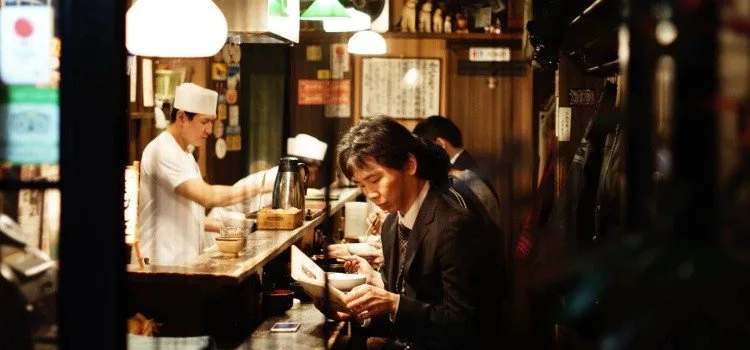
In subtitles, urusai and damare both land as "shut up". The target changes: damare points at the person's mouth, urusai complains about the noise or the nagging. That is why urusai can come out milder when the voice is not loaded with anger. Below you can see some variations of this adjective being used as expressions to tell someone to shut up:
- うるさい (Urusai): common use
- うるせえ (Urusee): a ruder contraction
- うっせえ (Ussee): even shorter and sharper
- うるせえよ (Urusee yo): the same contraction with the particle yo
- やかましいわ (Yakamashii wa): yakamashii is a standard word, often heard in Kansai
- じゃかあしいわ (Jakaashii wa): Hiroshima, in place of yakamashii
Urusai also works for a dripping faucet, a neighbor's stereo, construction, and, with no sound at all, a persistent person. Someone who will not drop it can be called urusai the same way.
What does Shizukanishite [静かにして] mean?
Another very popular way to ask for silence in Japanese is by using the word "Shizukani" [静かに]. This term expresses the desire for something calm, quiet, peaceful, and gentle. "Shizukani" is often used to request that someone be silent or quiet, and it is the request that fits a classroom, a theater, and any place where you want the volume down without insulting anyone.
Teachers often use the polite version "shizuka ni shite kudasai" [静かにして下さい] or simply "shizukanishite" [静かにして]. This expression is commonly used in classrooms to respectfully and authoritatively ask students to be silent.
- お静かに (Oshizuka ni): please be quiet
- 静かにしなさい (Shizuka ni shinasai): be quiet, an order from whoever is in charge

Other Ways to Tell "Shut Up" in Japanese
There are other ways to tell someone to be silent or "shut up" in Japanese, shall we take a look at them?
Shut Up, You Bastard
- [お前に言われる筋合いはない] omae ni iwareru sujiai wa nai
- [お前が言うな] omae ga iu na
- [聞きたくない] kikitakunai
- [聞こえない] kikoenai
The first two refuse the lecture: you don't have to take that from that person, and "look who is talking". The last two cut off gossip, criticism, or a complaint: I don't want to hear it, I'm not listening. The heavy tone of these lines also shows up in anime slang.
Other Words
To finish, I will leave some words and expressions that in certain situations can convey the idea of a "shut up" or "silence".
- 口をつぐむ (Kuchi wo tsugumu): hold your tongue, stay silent
- 口にチャック (Kuchi ni chakku): zip your mouth shut
- しーっ (Shhhh!): I don't need to comment on this...
- シャラップ (Sharappu): from English shut up
- 無言でいい (Mugon de ii): it is better to stay silent
- もう一回言ったら殴るぞ (Mou ikkai ittara naguru zo): if you say it again, I will hit you
In practice, urusai complains about the noise or the persistent person, damare really tells someone to shut up, and shizuka ni asks for quiet the way a teacher does. Outside of anime, a fight, or a very close conversation, the safest line is still shizuka ni shite kudasai.





Community
Comments
0 comments
There are no published comments in this language yet.
Send comment