
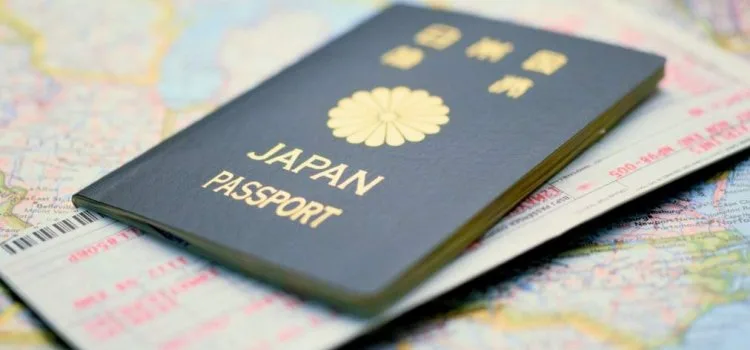
The English query sounds like any booklet in the world. This one is the Brazilian caderneta: the Federal Police prints it after they check your papers, take a new photo, and scan your fingers. A travel agency cannot do that for you, and mailing a paper form to a foreign post office is a different process altogether.
Plenty of people still picture a printed GRU and a line at the lottery house. That path still exists, but it is no longer the whole clock. The appointment page only opens after the fee lands in the system — and Pix through the official channel can clear while you are still at the desk.
Contents 8
Documents you actually need
Before you open the form, gather the originals. Copies, even notarized ones, do not replace the paper the attendant has to hold. A digital document only works when Brazilian law already gives it nationwide validity and the officer can check a QR code, password, or token on the spot.
The list of necessary documents is as follows:
- Your identification document: state ID (RG), an expired Brazilian passport, a functional card that federal law treats as an ID, a CNH (bring a birth certificate with it if the license does not show your place of birth), or a CTPS. The photo has to still look like you. a damaged or unreadable card gets refused.
- CPF: every applicant needs a valid CPF, including children. The number can sit on the RG, the CNH, or another official paper. If nothing shows it, take the Receita Federal cadastral proof with a readable QR code. A suspended, cancelled, or null CPF blocks the booklet. a CPF marked “pending regularization” does not.
- Marriage certificate, or whichever civil-registry record proves a name change. On a first Federal Police passport you must show every previous name. on a later one, only names adopted after the last booklet.
- Naturalization certificate or the official notice in the Diário Oficial, if you became Brazilian rather than being born one.
- Previous Brazilian passport, if you still have it. A booklet that is still valid gets cancelled on the spot and handed back. visas in those pages stay valid and travel with the new book.
- Voter registration is not a paper you must wave at the counter in every case. The Federal Police checks the electoral rolls. If you were literate and between 18 and 70 at the last election, you need to be in good standing — voted, justified, or paid the fine. Keep a TSE clearance certificate on your phone if the scheduler flags anything.
- Military papers for men who will be between 19 and 45 at the end of this year. The system usually pulls that itself. Bring the reservist certificate, enlistment card, or exemption if a warning appears, or if you regularized the situation recently.
If you have questions about any document, always bring extra. An old RG, a birth certificate, and the paid fee receipt have saved more appointments than a perfectly tidy folder.
Fill out the form on the Federal Police website
The request starts on the official Federal Police passport page, not on a third-party “we do it for you” site. Fill in your personal data, documents, and the extra fields exactly as they appear on the papers you will carry. At the end a review screen appears — stay there long enough to catch a swapped digit in the CPF or a maiden name that no longer matches the RG.
After that you get a protocol number. Write it down. you will need it to pay, to book, and to track the booklet. Only after the form is sent can the system generate the GRU, the Union collection slip for the issuance fee.
Pay the GRU issuance fee
The ordinary fee is R$ 257.25. In specific cases — a still-valid passport you cannot present because it was lost, destroyed, or held by an airline or embassy — the amount can rise to R$ 514.50. Urgency or emergency, when the unit accepts documented need, adds R$ 77.17 on top of the ordinary fee (R$ 334.42 in total). That extra slip is usually generated at the counter, not at home.
Pix or a credit card through PagTesouro often shows up in about ten minutes. Depending on the bank, the same payment can take up to 72 hours. A barcode boleto is slower: expect up to 72 business hours, and pay it as a boleto. A regular bank transfer or a homemade Pix that is not the official QR code will not clear, and you then have to ask for a refund instead of booking the slot.
Do not treat “lottery house tomorrow morning” as the only option anymore. If Pix lands quickly, go straight back to the scheduler. If it does not, wait — the calendar stays locked until the payment is identified.
Schedule a day at the Federal Police
Once the payment is confirmed, return to the site with your CPF and protocol and pick a unit. You do not have to use the office nearest your house, but you will collect the booklet at the same place you applied. Slots open throughout the day. if a city looks empty at 9 a.m., try again later rather than assuming the month is dead.
The photo is taken there. Do not bring a studio portrait unless the applicant is under five years old, in which case a recent 5x7 on a white background still comes with you — and the child still has to appear.
Attend the office with the papers
Bring the originals the form asked for, plus the paid GRU and the protocol. Wear something that will not vanish against a white backdrop. that photo stays in the book for years. Fingerprints and a signature are collected in the same sitting.
If a name, a parent, or a birth city on the ID does not match the certificate, take the certificate that explains the change. The attendant is not guessing. They are matching databases.
Collect your passport
After the appointment, the ordinary wait is about six business days. Transport from the Casa da Moeda can stretch that to around ten days depending on the state. Check the protocol on the Federal Police site before you cross town. When the status says the document is ready, go back with an identification document and the receipt from the appointment day.
You have 90 days from the in-person request to pick it up. After that the booklet is cancelled and the fee is gone. There is no “I’ll grab it next semester.”
From there the trip is yours — plane, car, or that old van you still call a house. If Japan is the next stamp, the booklet is only the first paper: the Japan tourist visa (or the visa-free path, when it applies) and, later, systems such as JESTA sit on top of a valid passport, not instead of one. For a wider map of entries, see the types of Japanese visas.
If you are applying from outside Brazil
The Federal Police path above is for people who can walk into a Brazilian unit. Abroad, the request goes through a Brazilian consulate or embassy, on the Ministry of Foreign Affairs form, with a local fee and local rules — photos you bring yourself, a money order in some countries, sometimes mail-in after the file is pre-checked. Washington, Lisbon, and Tokyo do not share one calendar or one price.
Do not fill the Police form expecting a consulate to honor it, and do not mail a consular file to a Police station in São Paulo. Pick the desk that can actually receive you, then follow that desk’s list. Fees charged abroad are not the R$ 257.25 GRU, and they change by post and by year.
How long the booklet lasts
Validity starts on the day of the in-person appointment, not on the day you collect the book. It cannot be extended. For a common passport the age on that appointment day decides the term:
| Age on appointment day | Validity |
|---|---|
| Under 1 year | 1 year |
| 1 to under 2 | 2 years |
| 2 to under 3 | 3 years |
| 3 to under 4 | 4 years |
| 4 to under 18 | 5 years |
| 18 or older | 10 years |
You can leave Brazil on the last day of validity. Coming home, a Brazilian may enter even with an expired booklet. Other countries are stricter: many want months of remaining validity before they stamp an entry or issue a visa. If you will still be abroad when the book dies, go to a consulate there instead of hoping the old pages will stretch.


Community
Comments
0 comments
There are no published comments in this language yet.
Send comment