
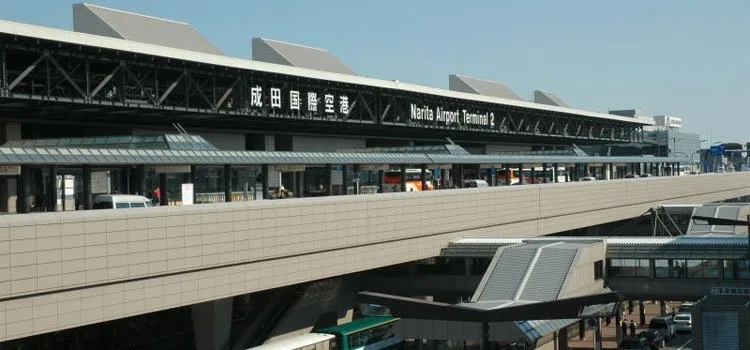
The first half hour after landing in Japan can feel longer than the flight itself: signs in Japanese, long foreign-passport lines, and the quiet pressure of not messing up your first official step in the country. The good news is that the path is more standardized than it looks — if you know what each counter is actually asking for.
What used to be mostly paper forms and improvisation is now heavily digital. Visit Japan Web covers immigration and customs in advance, but fingerprints, a photo, and a clear answer about your stay still happen face to face. Below is the practical flow, plus Japanese phrases and airport vocabulary that still help when English stalls at the booth.
Contents 7
Documents you need before the immigration counter
Immigration is the first mandatory control once you are on Japanese soil. Officers confirm who you are, why you came, and whether you may enter under your status.
- Valid passport: many travelers aim for at least six months of remaining validity; always check the rules that apply to your nationality before you fly.
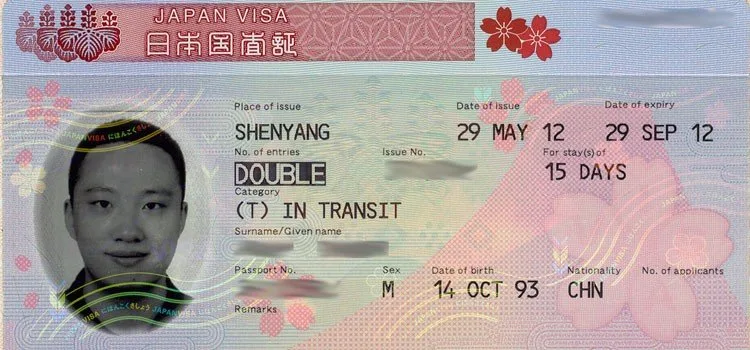
- Visa when required: short tourism stays are visa-free for many countries for up to 90 days, but that is not universal. Confirm with your country’s rules before you book. For the wider picture of statuses, see our guide to types of Japanese visas.
- Entry information: the old paper landing card is no longer the default path. You can still complete paper forms on the plane or at the airport, but Japan’s Digital Agency and Customs strongly encourage pre-registering on Visit Japan Web and showing the QR codes at the airport.
Have your first hotel address and a phone number ready. Officers often ask where you will stay and how long you plan to remain.
Visit Japan Web: prepare immigration and customs before you land
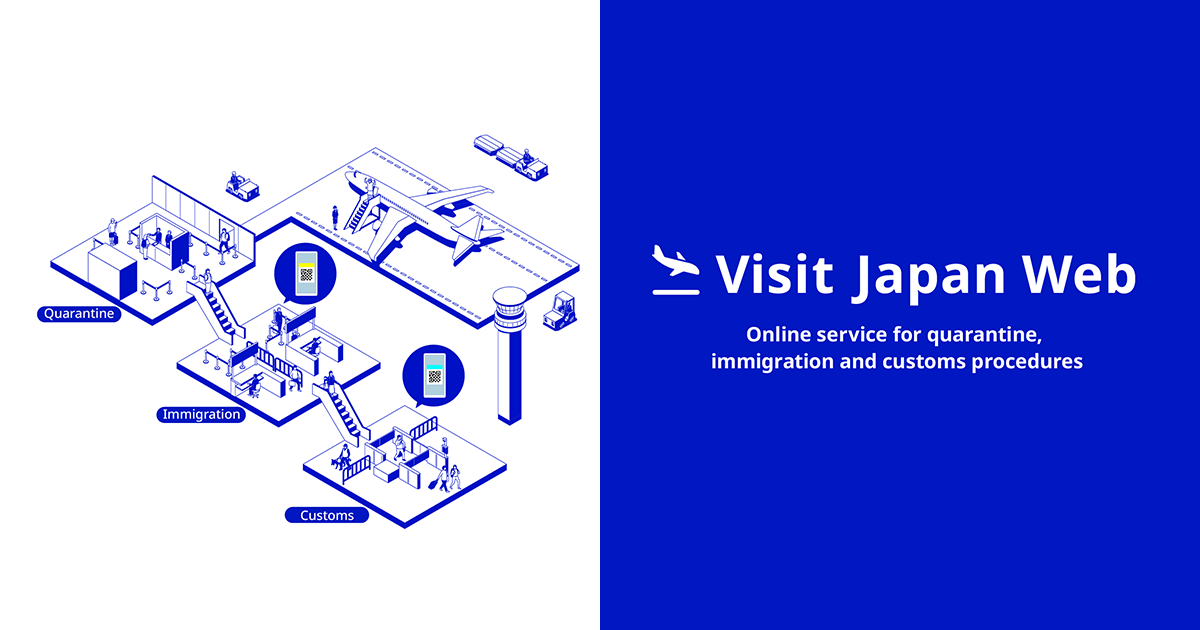
Visit Japan Web is the official free service for pre-arrival immigration clearance and customs declaration (with an optional tax-free shopping section during your stay). You create an account, register passport data, planned flight and lodging, then complete the immigration and customs questions. When everything is ready, you display QR codes on your phone at the airport.
It is highly recommended, not a legal substitute for passport control. Paper arrival and customs forms can still be handed out on board or at the airport, but they usually mean slower lines. Screenshots of your QR codes help if mobile data is slow right after landing.
At major airports, the common pattern is:
- Register on Visit Japan Web before travel (or early enough to finish every section).
- At immigration, present your passport and the immigration QR code, then complete biometrics.
- Collect baggage, then clear customs with the customs QR code and your IC passport at an electronic terminal or inspection desk.
What immigration actually looks like
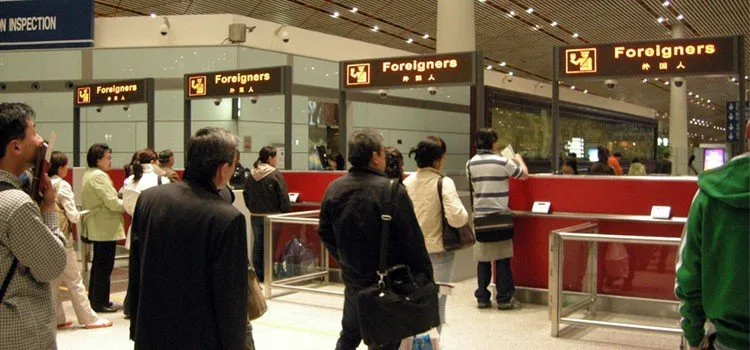
After landing, follow the signs for foreign nationals. Lines can look intimidating, but they often move faster than the length suggests. You will typically:
- Present your passport (and Visit Japan Web QR code if you prepared it).
- Provide fingerprints and take a facial photo.
- Answer short questions about purpose of visit, length of stay, accommodation, or money you are carrying when asked.
Questions may come in English or Japanese. Staff at large hubs are used to visitors, yet having a few set answers ready reduces stress. If you want a stamp in your passport and the gate you used does not print one automatically, ask an officer before you leave the area.
Useful Japanese phrases at immigration and customs
Even when the officer speaks English, these lines help you understand what you are being asked — and answer clearly.
どちらからいらっしゃいましたか?
Dochira kara irasshaimashita ka?
Where did you come from?
ブラジルから来ました。
Burajiru kara kimashita.
I came from Brazil. (Swap the country for yours.)
滞在期間はどのくらいですか?
Taizai kikan wa dono kurai desu ka?
How long will you stay?
30日間です。
Sanjū-nichikan desu.
30 days.
滞在先はどちらですか?
Taizaisaki wa dochira desu ka?
Where will you stay?
申告するものはありますか?
Shinkoku suru mono wa arimasu ka?
Do you have anything to declare?
いいえ、何もありません。
Iie, nani mo arimasen.
No, I have nothing.
英語が分かりません。
Eigo ga wakarimasen.
I do not understand English. (Use carefully; many officers already switch to simple English.)
パスポートを見せてください。
Pasupōto o misete kudasai.
Please show me your passport.
観光ですか?
Kankō desu ka?
Is this for tourism?
どこに泊まりますか?
Doko ni tomarimasu ka?
Where will you stay?
After immigration: baggage and customs
Once immigration is done, follow baggage claim for your flight. Plant and animal quarantine rules apply if you bring food, plants, or animals — when in doubt, declare rather than hide items.
Japan Customs requires a declaration of accompanied and unaccompanied articles. Completing it on Visit Japan Web is recommended. At electronic declaration terminals, you usually hold your IC passport and the customs 2D code over the scanner, then proceed through the electronic declaration gate where allowed. If you have items to declare or cannot use the terminals, use the staffed inspection lane.
Typical questions cover cash above the threshold, commercial goods, restricted items, and food products. Answer honestly; the goal is clearance, not a quiz.
Lost at the airport or checking in for departure?
Signs at Narita, Haneda, Kansai, and other international hubs are bilingual, and staff often handle English. Still, Japanese labels appear on gates, airline counters, and security screens. These phrases help when you are departing or simply finding your way:
チェックインする
Chekkuin suru
To check in.
パスポートと航空券をお願いします。
Pasupōto to kōkūken o onegaishimasu.
Your passport and ticket, please.
中に壊れものや液体類、ライターは入っていませんか?
Naka ni kowaremono ya ekitairui, raitā wa haitte imasen ka?
Is there anything fragile, any liquids, or any lighters inside?
お座席は通路側と窓側とどちらがよろしいですか?
O-zaseki wa tsūro-gawa to madogawa to dochira ga yoroshī desu ka?
Would you prefer an aisle seat or a window seat?
20番ゲートはどこですか?
Nijūban gēto wa doko desu ka?
Where is Gate 20?
航空会社はどちらですか?
Kōkū-gaisha wa dochira desu ka?
Which airline?
何便ですか?
Nanbin desu ka?
What is the flight number?
If you are planning a first trip end to end, pair this arrival flow with broader prep in things to know before traveling to Japan and, for terminal names and codes, the list of airports in Japan with codes.
Airport and immigration vocabulary
These words show up on signs, forms, and staff speech. Learning the kanji and romaji side by side makes the airport less abstract.
- 空港 (kūkō) — Airport
- 飛行機 (hikōki) — Airplane
- 旅券 (ryoken) — Passport
- パスポート (pasupōto) — Passport
- 免税 (menzei) — Duty free
- ビザ (biza) — Visa
- 査証 (sashō) — Visa (formal)
- 税関 (zeikan) — Customs
- ツアー (tsuā) — Tour / package tour
- 個人 (kojin) — Individual / private
- 観光 (kankō) — Tourism
- ビジネス (bijinesu) — Business
- 仕事 (shigoto) — Work / job
- 滞在先 (taizaisaki) — Place of stay
- 入国審査 (nyūkoku shinsa) — Immigration inspection
- 入国手続き (nyūkoku tetsuzuki) — Entry procedures
- 入国カード (nyūkoku kādo) — Landing / disembarkation card
- 到着 (tōchaku) — Arrival
- ターミナル (tāminaru) — Terminal
- 搭乗ゲート (tōjō gēto) — Boarding gate
- 出発ゲート (shuppatsu gēto) — Departure gate
- 出国 (shukkoku) — Leaving the country
- 便名 (binmei) — Flight number / flight name
- 窓側 (madogawa) — Window side
- 通路側 (tsūro-gawa) — Aisle side
- 座席 (zaseki) — Seat
- 荷物 (nimotsu) — Luggage
- 手荷物 (tenimotsu) — Carry-on baggage
- 預ける (azukeru) — To check (luggage)
Clear the digital forms when you can, keep your passport and lodging details in hand, and treat the counter as a short interview, not a mystery. That combination is what turns “arriving in Japan” from a stress test into a routine step on the way to the train or bus.


Community
Comments
0 comments
There are no published comments in this language yet.
Send comment