
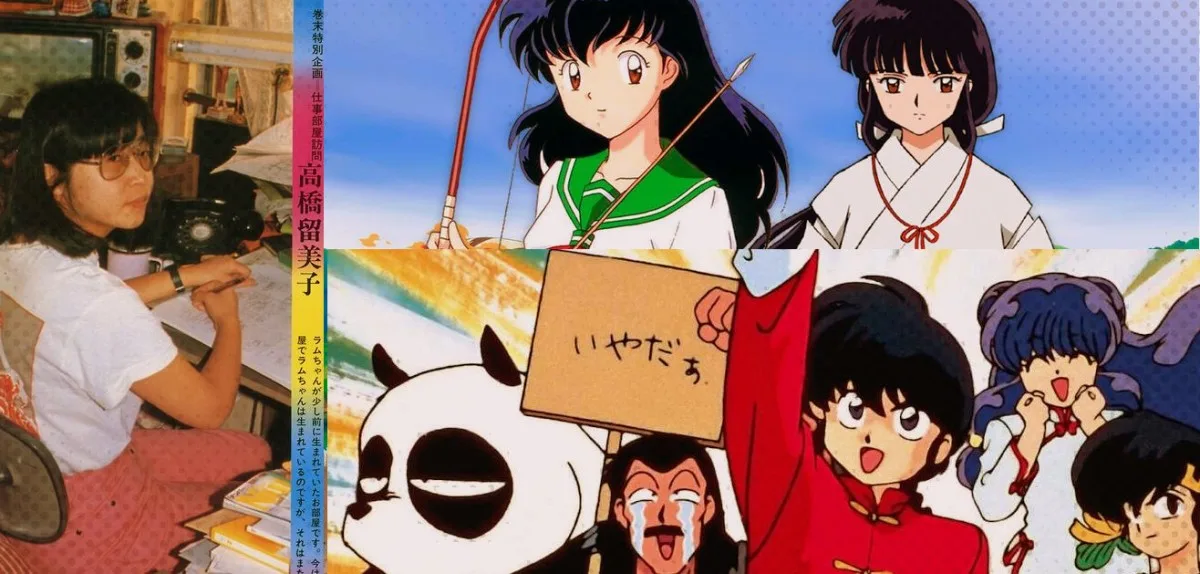
A common mangaka usually only launches one successful work. It is rare for authors to have more than one popular manga worldwide. Masashi Kishimoto (Naruto), Tite Kubo (Bleach) and George Morikawa (Hajime no Ippo) are some examples of writers/artists who have not managed to promote more than one single success.
However, there are exceptions. Yoshihiro Togashi (Yu Yu Hakusho and Hunter x Hunter), Takehiko Inoue (Slam Dunk and Vagabond), Tsugumi Ohba (Death Note, Bakuman and Platinum End), Akira Toriyama (Dragon Ball, Dr. Slump and Dragon Quest), among others, have achieved this feat.
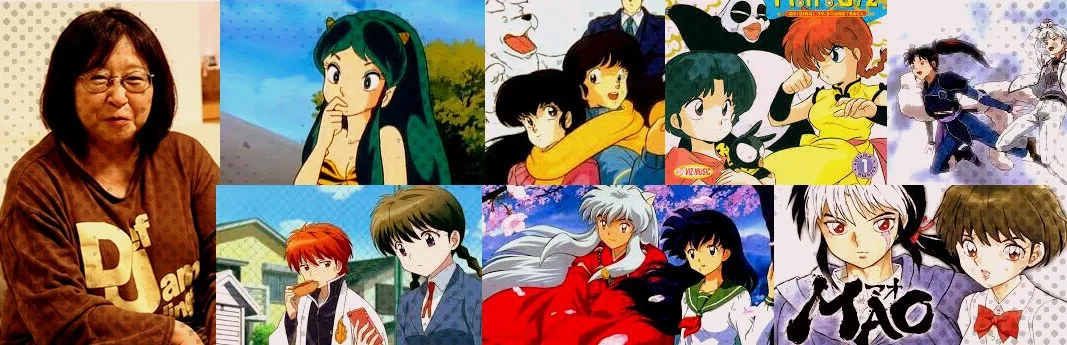
Among such exceptions is the mangaka Rumiko Takahashi (高橋留美子, Takahashi Rumiko), creator of a plethora of major hits, such as: Inuyasha, Ranma ½, Urusei Yatsura, Maison Ikkoku and Kyoukai no Rinne. And all of these have million-copy sales, it should be noted.
In this article, we will learn a little more about this phenomenal mangaka and how she achieved the feat of being the author of multiple successes.
Contents 6
Who is Rumiko Takahashi?
Rumiko Takahashi (1957 - ), born in Niigata, is a renowned Japanese mangaka. Author of hits like Inuyasha, Ranma ½ and Urusei Yatsura (translated as "Turma do Barulho" in Brazil), she is known worldwide because almost all of her works have been adapted into anime, dubbed in foreign languages and/or published in translated volumes in various countries around the globe.
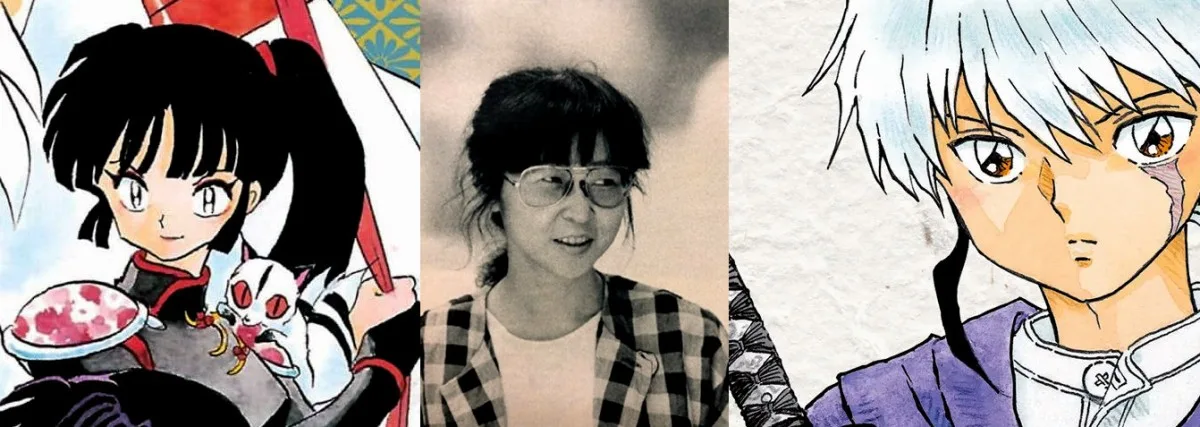
Active for over 40 years, Rumiko continues to publish new mangas. Currently, the mangaka is investing in the publication of the manga "MAO," serialized in Shonen Sunday magazine, with 12 volumes published so far and which will soon have an anime version. In addition to MAO, the creator of Inuyasha regularly publishes, since 1987, the anthology series "Takahashi Rumiko Gekijou" (Rumiko Takahashi Theater), which also has an anime from 2003.
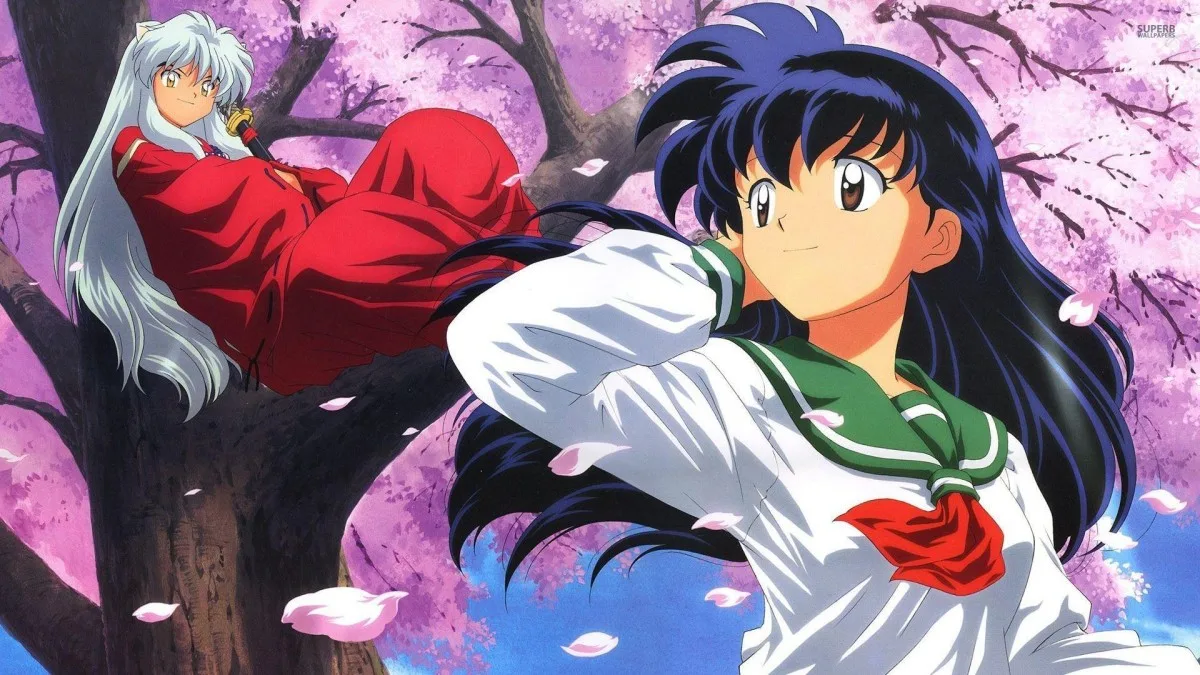
Another current series that has the author's touch is Yashahime, a spin-off of the acclaimed manga Inuyasha. And, as expected, both already have anime versions.
Beyond her works, it is worth noting what the main influences of the mangaka were during her youth. In an interview with the French newspaper Le Figaro, the author mentioned three names as her great inspirations in the manga world: Osamu Tezuka (The God of Manga. Creator of Astroboy, Dororo, Black Jack, Kimba the White Lion, among others), Fujio Akatsuka (The King of "Gag" mangas. Creator of Osomatsu-kun) and Fujiko Fujio (Pseudonym of the duo that created Doraemon).
Her influences say a lot about how Rumiko reached the level of becoming one of the greatest mangakas of all time. It is curious that almost all her works are transformed into anime and almost all are also published in Brazil. This demonstrates the incredible ability of the mangaka to create new successful stories for diverse audiences and cultures, considering that her works are well received in Latin, European, and Asian countries by various age groups and genres.
Rumiko is, to this day, the mangaka who has sold the most mangas in the world (with around 170 million copies sold, as of 2013), being considered one of the richest and most respected personalities in the Japanese artistic community.
Similarities among her mangas
There are many similarities among all her works. The main one is the focus on romantic comedy. By focusing on romantic comedy, the author is able to insert other elements into the story, which include female characters with a high degree of protagonism in the plot and throughout the development of the storyline, as well as characters with a more comedic tone, usually with animal-like or kawaii appearances, such as pandas, rodents, cats, and foxes.
Another predominant factor in her mangas is the blend of Chinese and Japanese culture, an element that can be noticed in the characters' clothing and the constant presence of the panda (linked to Chinese culture) and the dog (which in ancient Japan were used to sniff out youkais, onis, and protect villagers' homes).
The third similarity we find refers to the concept of parallel worlds that intersect, something that is constantly observed in Inuyasha, Urusei Yatsura, and Kyoukai no Rinne.
Finally, there is a natural similarity regarding the art style of the works, with characters always varying between humans with large ears, sharp teeth, and wearing kimonos of various types.
What is her work routine like?
Recently, after creating a Twitter account, Rumiko revealed details of her weekly routine in creating mangas. The author showed that she sleeps very little, as she has only 3 hours of rest on average.
At 64 years old, the quality of the mangaka's art has not declined, despite her work routine continuing to be very heavy.
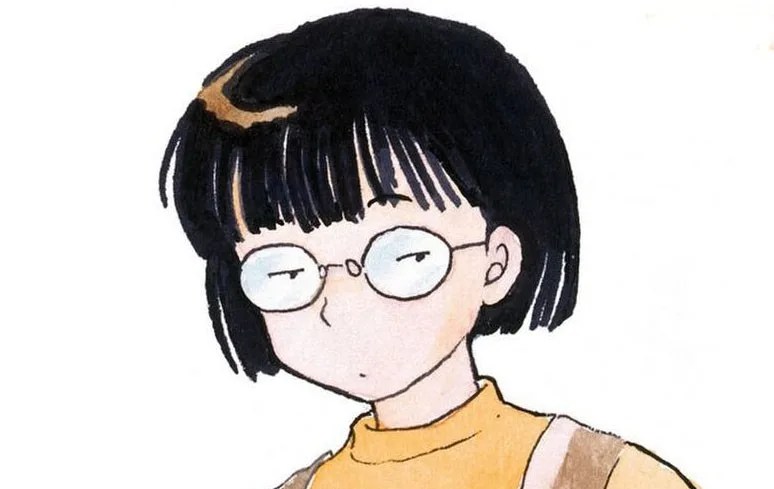
Lately, with the news of the passing of Kentaro Miura, the mangaka of Berserk, combined with the announcement of health issues of Yoshihito Togashi, author of Hunter x Hunter and Yu Yu Hakusho, and the disclosure that many mangakas live with exhausting work routines, many fans have been concerned about Rumiko's physical and mental health, affectionately nicknamed by them as Rumiko-sensei (others also call her "The Princess of Mangas").
If you want to follow her official Twitter, click here.
Awards received
- Shogakukan Award in 1981 for Urusei Yatsura
- Inkpot Award Honor in 1994 ("San Diego Comic-Con")
- Shogakukan Award in 2002 for Inuyasha
- First place among 12 female cartoonists in Comics Alliance, in 2016
- Inducted into the Eisner Award Hall of Fame in 2018
- Winner of the Grand Prix at the Festival d’Angoulême in 2019
- Purple Ribbon Honor Medal awarded by the Government of Japan to individuals who contributed to the development of arts and academia, in 2020
- Inducted into the Harvey Awards Hall of Fame, a special award, in 2021
Mangas published in volumes (serialized)
- 1978-1987– Urusei Yatsura
- 1980-1987 – Maison Ikkoku
- 1984-1994 – Ningyo no Mori (Mermaid Saga)
- 1987-1996 – Ranma ½
- 1987-2007 – 1 Pound no Fukuin
- 1996-2008 – Inuyasha
- 2009 – Kyoukai no Rinne
- 2019 – MAO
Vocabulary
- 犬夜叉 (いぬやしゃ) = Inuyasha
- うる星やつら (うるせいやつら) = Urusei Yatsura
- 高橋留美子 (たかはしるみこ) = Rumiko Takahashi
- らんま1/2 = Ranma ½
- 漫画家 (まんがか) = Mangaka (manga author)
- 漫画 (マンガ) = Manga
- 小学館 (しょうがくかん) = Shogakukan
- 人気 (にんき) = Popular, Popularity
- 作者 (さくしゃ) = Author, Writer
And you? Have you read or watched any work by this very important mangaka? Let us know in the comments.
Like, comment, and share on social media!

Community
Comments
0 comments
There are no published comments in this language yet.
Send comment