
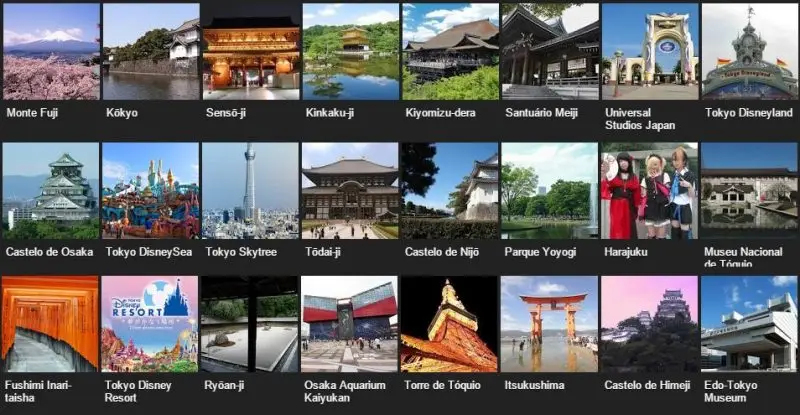
Japan has so many postcard-ready places that a “top 50” list still feels incomplete—and that is part of the fun. Between rabbit islands, gold pavilions, neon districts, and volcano lakes, the hard part is not finding something memorable; it is deciding what fits the trip you actually want.
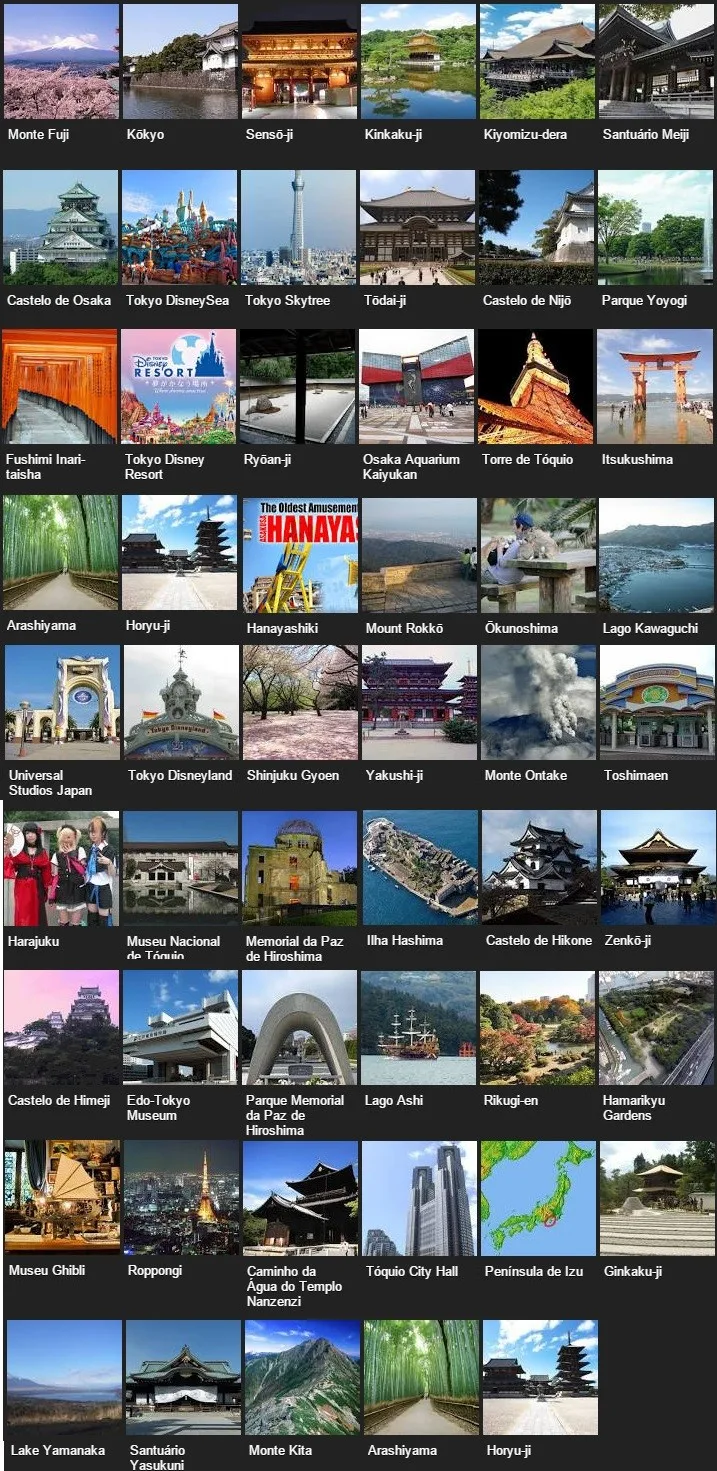
Below is a practical tour of popular tourist spots across islands, mountains, cities, parks, towers, theme parks, museums, castles, temples, and shrines. Each stop stays short on purpose: use the categories to skim, then dig deeper into the places that match your pace.
Contents 10
Tourist Islands of Japan
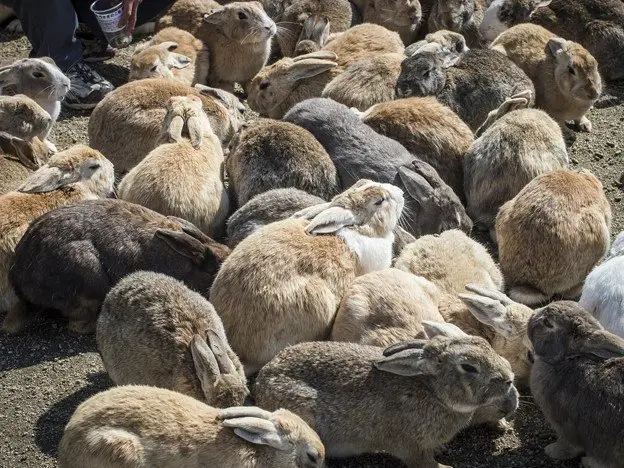
Ōkunoshima - A small island in the Seto Inland Sea, off Takehara in Hiroshima Prefecture, famous for the huge number of free-roaming rabbits that live there—hence the nickname Rabbit Island.
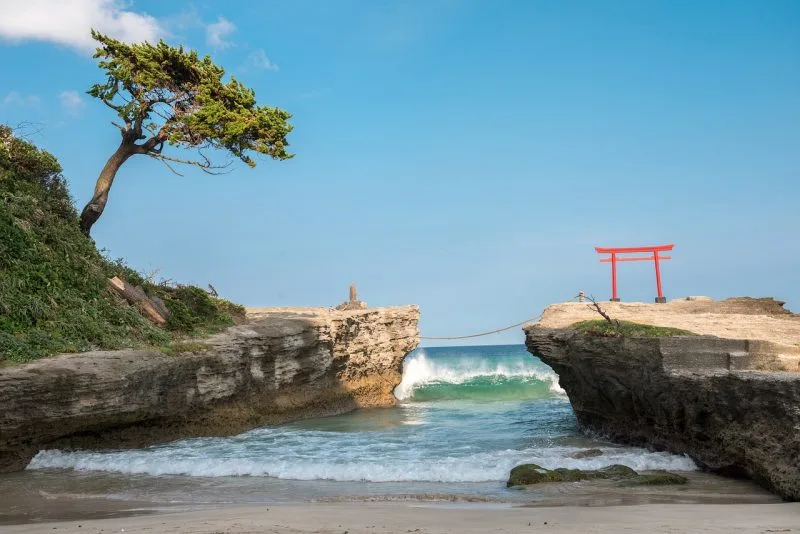
Izu Peninsula - West of Tokyo on Honshu, Izu mixes onsen towns, coastal drives, and beaches within easy reach of the capital for a nature-heavy day trip or weekend.
Hashima Island - Also known as Gunkanjima (“Battleship Island”), Hashima is one of Nagasaki Prefecture’s uninhabited islands, about 15 kilometers from Nagasaki city, remembered for its abandoned concrete mining town.
Itsukushima - An island in the Seto Inland Sea in Hatsukaichi, Hiroshima Prefecture—better known as Miyajima—home to the famous “floating” torii and shrine complex.
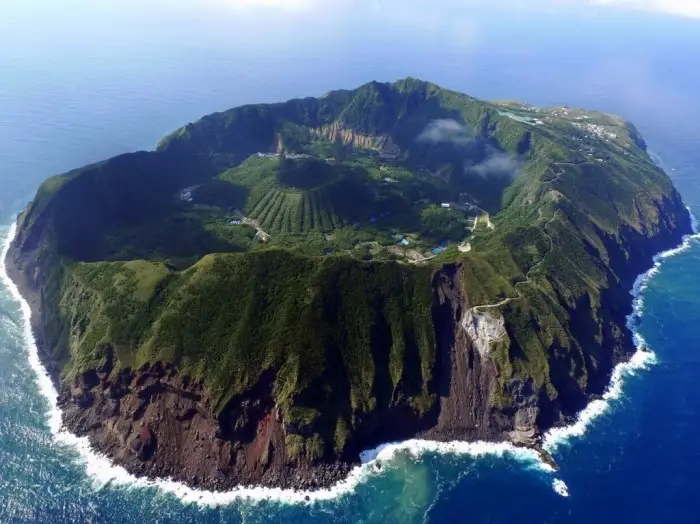
Aogashima - A remote volcanic island in the Philippine Sea, roughly 358 km south of Tokyo and 64 km south of Hachijō-jima, known for its dramatic double-caldera landscape.
Mountains and Lakes of Japan
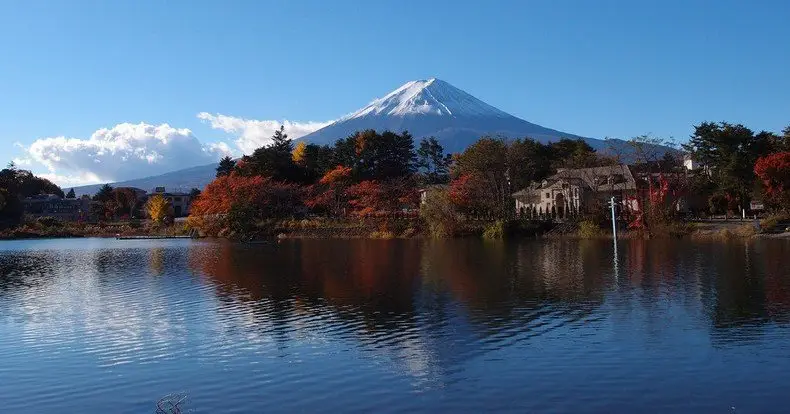
Lake Kawaguchi - One of the Fuji Five Lakes in Fujikawaguchiko, Yamanashi Prefecture, and a classic base for Mount Fuji views, lakeside walks, and seasonal color.
Lake Ashi - Also called Hakone Lake, this crater lake in Kanagawa Prefecture is famous for onsen towns, boat rides, and clear-day views of Mount Fuji.
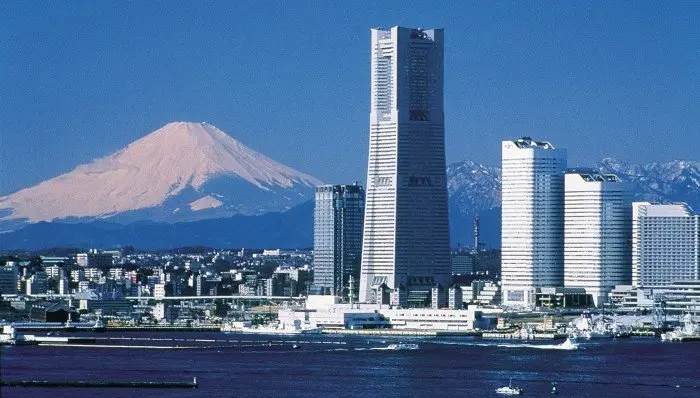
Mount Fuji - Japan’s highest peak and most iconic silhouette—an active stratovolcano that anchors day trips from Tokyo as well as full climbing seasons.
Mount Rokkō - A mountain range above Kobe in Hyogo Prefecture, popular with Kansai hikers for cool-air trails and city views over Osaka Bay.
Lake Yamanaka - Near Mount Fuji in Yamanakako, Yamanashi, this is the largest of the Fuji Five Lakes by surface area and the highest in elevation among them.
Mount Kita - One of Japan’s “100 Famous Mountains,” on Honshu, rising to 3,193 m with a prominence of about 2,239 m—serious alpine terrain for experienced hikers.
Mount Ontake - Also known as Kiso Ontake-san, an active stratovolcano at 3,067 m between Gifu and Nagano, roughly 100 km northwest of Nagoya, and Japan’s second-highest volcano.
Tourist Districts of Japan
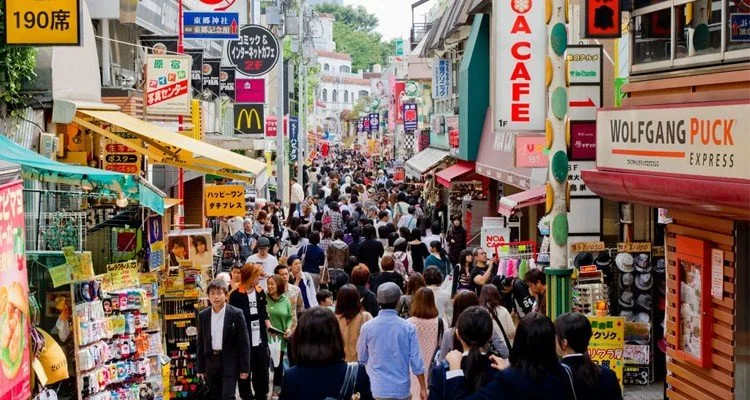
Harajuku - The area around Harajuku Station on Tokyo’s Yamanote Line in Shibuya—Takeshita Street, fashion boutiques, and youth street style all packed into a few lively blocks.
Roppongi - A Minato, Tokyo district known for Roppongi Hills, embassies, museums, and nightlife that draws both Japanese visitors and internationals.
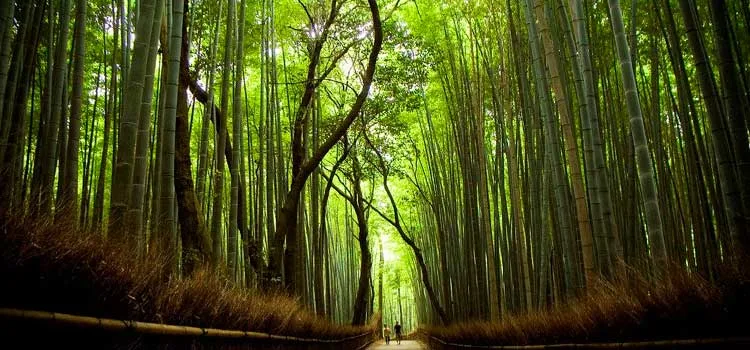
Arashiyama - On Kyoto’s western edge by the Ōi River: the Sagano bamboo grove, riverside views, and Iwatayama Monkey Park on the hillside above.
Natural Parks and Gardens of Japan
Hamarikyu Gardens - A public garden in Chūō, Tokyo, at the mouth of the Sumida River (opened April 1, 1946). About 250,000 m² of landscaped grounds sit inside a saltwater moat, with a teahouse on Nakashima island for matcha and seasonal plantings such as plum and cosmos.
Rikugi-en - A metropolitan park in Bunkyō, Tokyo. The name refers to the “six principles of poetry”; the attraction is a classic strolling garden with pond, trees, and artificial hills.
Yoyogi Park - One of Tokyo’s large urban parks, next to Harajuku Station and Meiji Shrine in Shibuya—ideal for picnics, weekend crowds, and a green break from the city grid.
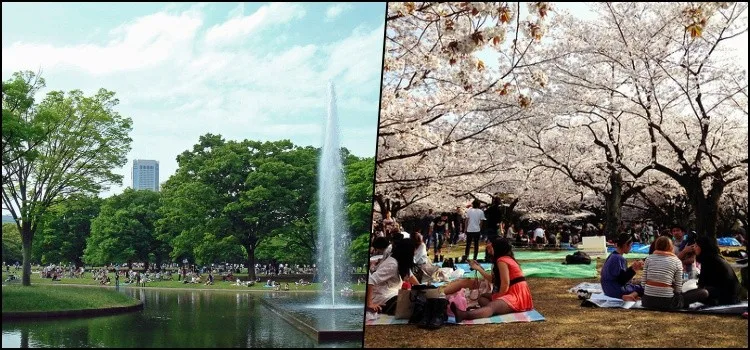
Shinjuku Gyoen National Garden - A large garden spanning Shinjuku and Shibuya. Once a Naitō family residence in the Edo period, later an imperial garden, and now a national park-style space under Japan’s Ministry of the Environment—famous for cherry blossoms and mixed garden styles.
Towers and Buildings of Japan
Tokyo Skytree - A broadcasting and observation tower in Sumida, Tokyo. Plans once targeted 610 m; the finished tower stands 634 m tall and dominates the skyline east of the Sumida River.
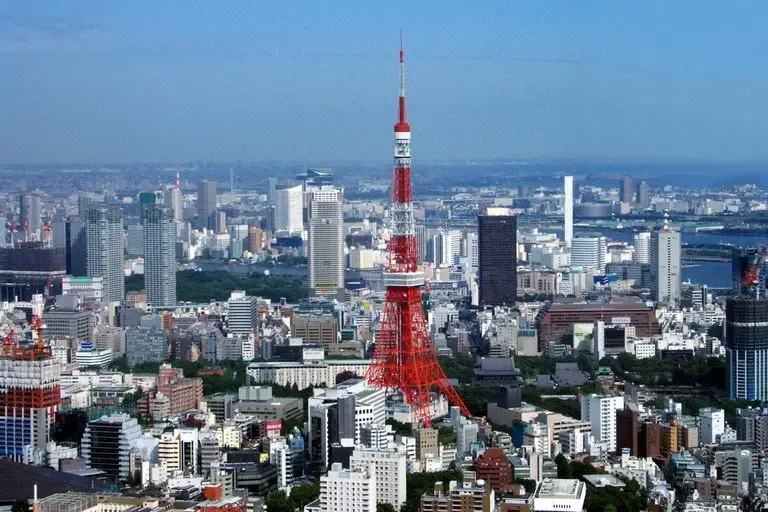
Tokyo Tower - A communications tower and observation deck in Shiba-kōen, Minato, Tokyo. At 333 m, it remains one of Japan’s most recognizable man-made landmarks after Skytree.
Tokyo Metropolitan Government Building - Often called Tokyo City Hall, this twin-tower complex in Shinjuku rises about 243 m and offers free observation decks with wide city views on clear days.
Yokohama Landmark Tower - In Minato Mirai, Yokohama: a 70-story skyscraper about 295 m tall, long known for one of the world’s faster elevators and a high observation floor overlooking the harbor.
Amusement Spots in Japan
Universal Studios Japan - The Universal Studios park in Osaka—rides, shows, and seasonal events licensed from NBCUniversal and operated by USJ Co., Ltd.
Tokyo Disneyland - A major theme park at Tokyo Disney Resort in Urayasu, Chiba (near Tokyo), with gates next to Maihama and the resort monorail stations.
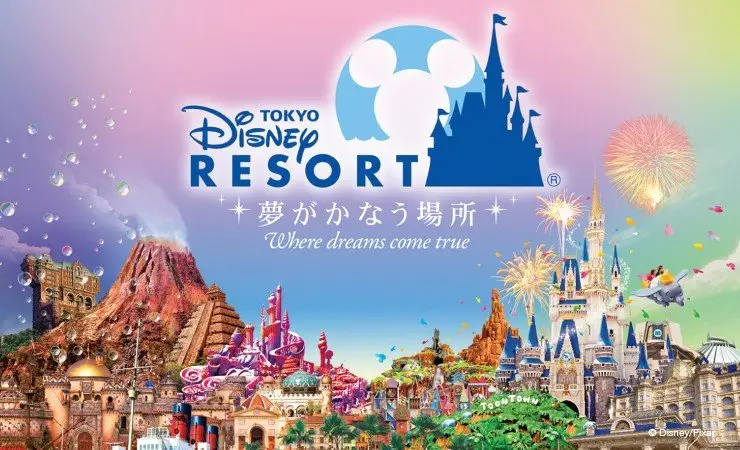
Tokyo DisneySea - The nautical-themed sister park at the same Urayasu resort complex; it opened on September 4, 2001, and is often ranked among the strongest Disney parks worldwide.
Tokyo Disney Resort - The overall resort opened April 15, 1983, in Urayasu, Chiba, next to the Tokyo border—home to Disneyland, DisneySea, hotels, and shopping zones.
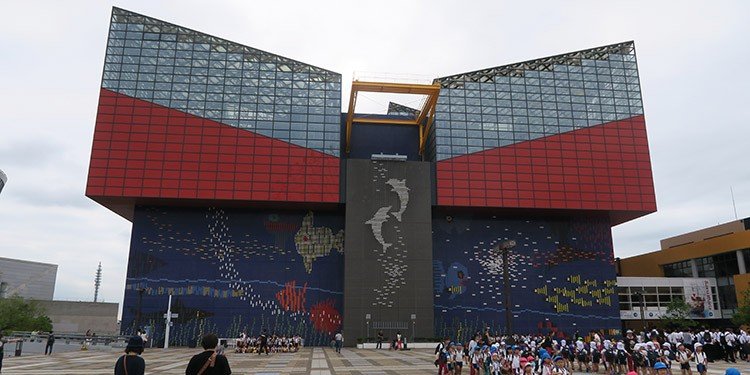
Osaka Aquarium Kaiyukan - A large aquarium on Osaka’s waterfront, famous for its multi-level tank layout and ringed sealife route; when it opened it was among the world’s largest aquariums by volume.
Toshimaen - A long-running Seibu Group amusement park in Nerima, Tokyo, with coasters and a large water park—it closed permanently in 2020, so treat it as historical context rather than a current itinerary stop.
Hanayashiki - An amusement park in Asakusa, Taitō, Tokyo, operating since 1853 under Hanayashiki Co., Ltd. (a Bandai Namco subsidiary). It claims the title of Japan’s oldest amusement park.
Museums and Historical Sites of Japan
Ghibli Museum - A museum in Mitaka, Tokyo, dedicated to Studio Ghibli—the animation studio behind many of Japan’s best-loved films. Tickets are timed and sell out early.
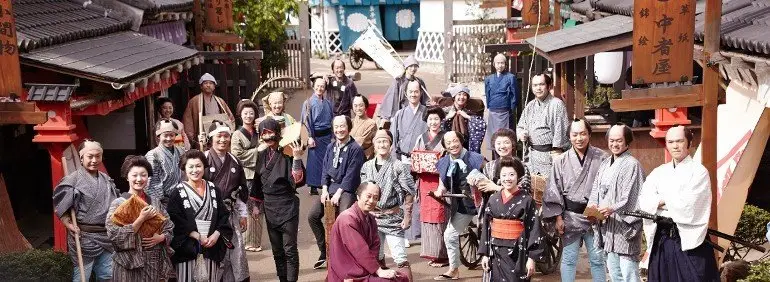
Edo-Tokyo Museum - In Ryōgoku, this museum (established 1993) reconstructs life in Tokyo from the Edo period onward, with life-size models such as Nihonbashi and the Nakamura-za theater. Check current opening status before you go, as large museums sometimes renovate or relocate exhibits.
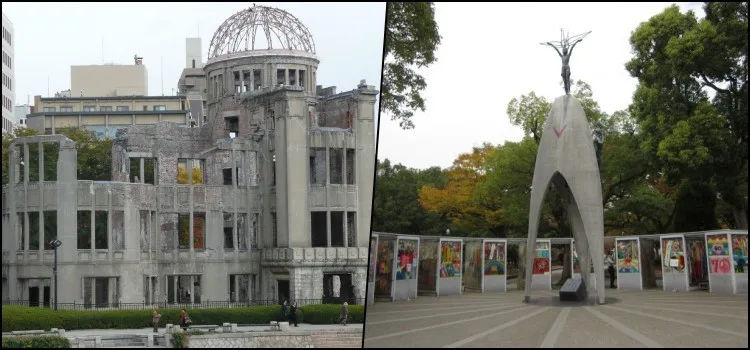
Hiroshima Peace Memorial Park - A memorial park in central Hiroshima dedicated to the city’s history as the first city hit by an atomic bomb, with museums, cenotaphs, and quiet riverside walks.
Tokyo National Museum - Japan’s oldest and largest national museum, founded in 1872, inside Ueno Park in Taitō, Tokyo—essential for Buddhist sculpture, samurai arms, and classical arts.
Hiroshima Peace Memorial (Genbaku Dome) - The Atomic Bomb Dome, originally designed by Czech architect Jan Letzel, is the preserved industrial hall at the center of the Peace Memorial complex and a UNESCO World Heritage site.
Castles of Japan
Himeji Castle - Also called Hakuro-jō or Shirasagi-jō for its white plaster exterior: a vast wooden complex of about 82 buildings in Himeji, Hyogo Prefecture, and one of Japan’s finest surviving castles. For a broader castle tour, see our Japanese castles guide.
Hikone Castle - The best-known historic landmark of Hikone in Shiga Prefecture—an original-keep castle overlooking Lake Biwa country.
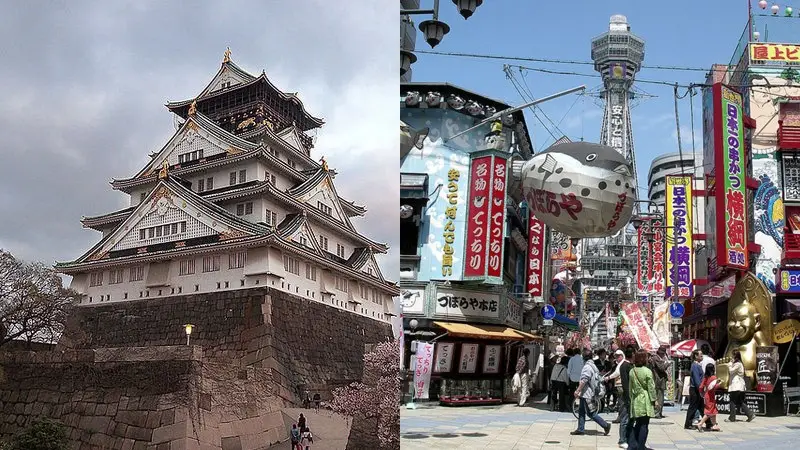
Osaka Castle - Ōsaka-jō sits in Chūō-ku, the center of Osaka. Rebuilt in modern times as a museum keep, it remains one of the country’s most visited castle parks.
Nijō Castle - Nijō-jō in Kyoto was ordered by Tokugawa Ieyasu in 1603; the Ninomaru palace is famous for its “nightingale floors” and painted screens.
Imperial Palace (Kōkyo) - The Tokyo Imperial Palace in Chiyoda is the official residence of Japan’s Emperor, near Tokyo Station. Most visitors explore the East Gardens and outer moats rather than the private inner grounds.
Buddhist Temples of Japan
Sensō-ji - Tokyo’s oldest major Buddhist temple, in Asakusa—enter through the Kaminarimon gate and Nakamise shopping street before the main hall.
Kiyomizu-dera - Officially Otowa-san Kiyomizu-dera, an independent Buddhist temple in eastern Kyoto, part of the Historic Monuments of Ancient Kyoto UNESCO listing, known for its wooden stage overlooking the city.
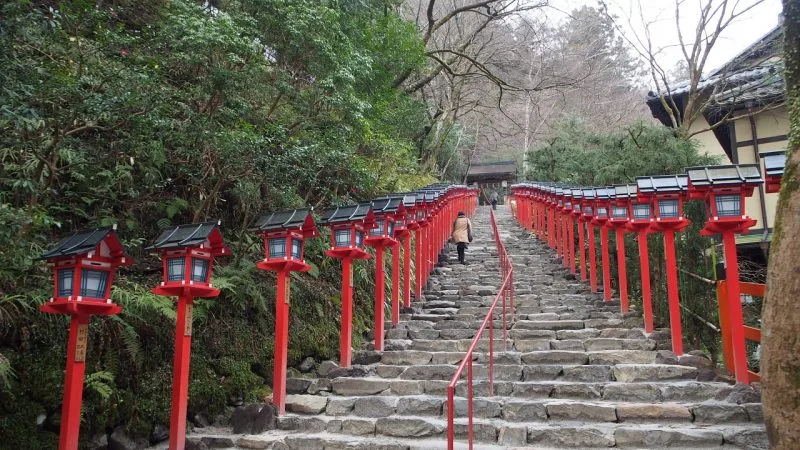
Tōdai-ji - A Buddhist complex in Nara; the name means the great temple east of Heijō Palace, home to the massive bronze Great Buddha (Daibutsu).
Ginkaku-ji - The Silver Pavilion in eastern Kyoto at the foot of Mount Tsukimachi. Construction began in the late 15th century under Ashikaga Yoshimasa, grandson of Yoshimitsu, and was unfinished at Yoshimasa’s death.
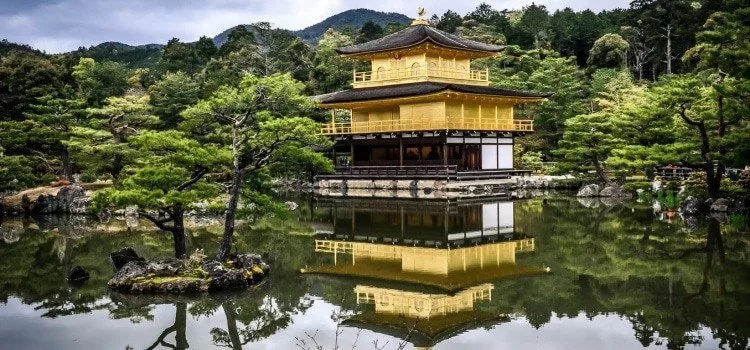
Kinkaku-ji - The popular name for Rokuon-ji in Kyoto, set above Kyōko-chi pond. Upper floors are covered in gold leaf, with a phoenix ornament on the roof—one of Japan’s most photographed temples.
Hōryū-ji - A Buddhist temple complex in Ikaruga, Nara Prefecture—full name Hōryū Gakumonji—famous for some of the world’s oldest surviving wooden buildings.
Ryōan-ji - A Zen temple in northwest Kyoto belonging to the Myōshin-ji school of Rinzai Zen, best known for its rock garden of raked gravel and fifteen stones.
Yakushi-ji - One of Nara’s oldest great temples and headquarters of the Hossō school, historically counted among the Seven Great Temples of Nara.
Zenkō-ji - A major Buddhist temple in Nagano city with roots traditionally traced to the 7th century and a long pilgrimage history.
If your itinerary leans natural rather than urban, pair temples with Japan’s national parks or a slow soak among the country’s best onsen towns.
Shinto Shrines of Japan
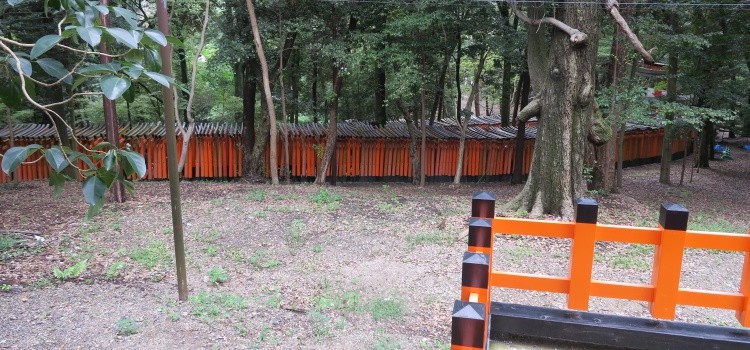
Fushimi Inari-taisha - The head shrine of Inari Ōkami in Fushimi, Kyoto, at the base of Mount Inari (about 233 m). Trails climb past thousands of vermilion torii and smaller sub-shrines for roughly 4 km—plan about two hours if you walk the full mountain route.
Yasukuni Shrine - A Shinto shrine in Tokyo with a controversial modern history around how the war dead are commemorated. The name is written 靖国神社 in current jōyō kanji (older form 靖國神社).
Meiji Shrine - In Shibuya, Tokyo, this large forest shrine is dedicated to the deified spirits of Emperor Meiji and Empress Shōken—an easy calm stop between Harajuku and Yoyogi Park.


Community
Comments
0 comments
There are no published comments in this language yet.
Send comment