
Cat ears are one of the oldest markers in anime culture. A character with two pointed ears on top of the head immediately sets an expectation: playful, stubborn, occasionally purring. Behind that image sits more than a costume, namely a whole word family and a long history of human-animal hybrids. This overview explains the terms, the origin and the main series.

Contents 8
Nekomimi: the word
Nekomimi [猫耳] joins neko [猫], cat, and mimi [耳], ear. Literally it means cat ears. In anime it names both the accessory and the character drawn with it. As a device, nekomimi belongs to moe, the appeal that makes characters look cute and in need of protection. That is why the ears are everyday wear in maid cafés and at cosplay events.
Catgirls: the features
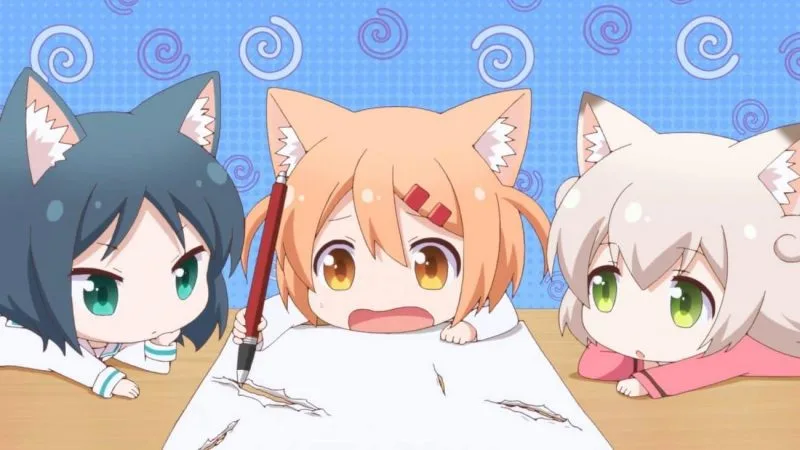
A catgirl is a character with a human body, face and hair who carries a few cat features: usually ears and a tail, sometimes eyes, claws or paws. The blend stays deliberately shallow so the figure still reads as human. The stereotype is feminine; male counterparts, catboys, appear mostly in boys-love works.
Many characters also borrow behaviour attributed to the animal: they sleep a lot, act stubborn, stretch, and swipe at moving objects. These gestures are a signal for the reader rather than a plot device. Once you recognise them, a lot of running gags make sense.
Kemonomimi: animal ears in general

Kemonomimi [獣耳] is the umbrella term: characters who look almost entirely human and carry only the ears and tail of an animal. Fox, wolf, rabbit or dog are as common as cat. Unlike furry hybrids, the skin stays human, the face stays human, the build stays human. Hair often covers where human ears would sit.
Why animal ears work
Ears are a cheap marker. An artist can say in a few strokes: this character is not entirely human, but belongs with us. Pointed ears are familiar from fantasy, from elves to demons, and Japanese also has the word jigokumimi for unusually sharp hearing. Animal ears extend the principle with a species and a mood. Over time even characters originally drawn without ears gained them, and the single image turned into a whole range of clothing, headbands and accessories.
History: from Bastet to Miyazawa

The idea of joining human and cat is old. In Egypt the goddess Bastet carried feline traits, and Irish legends tell of cat beings who speak like people. Japan has known transformations between animal and human for centuries, the fox being the best-known case. In the Kamakura period diaries such as the Meigetsuki mention cat apparitions, and in the Edo period cat figures appear in theatre and woodblock prints.
In modern literature, cat ears appear in Kenji Miyazawa's stories of the 1920s. Another early landmark is the 1976 Japanese translation of Cordwainer Smith's «The Ballad of Lost C'mell», which features a cat-like character. After that the motif spread through manga, games and anime.
Buying and wearing them
Anyone who wants to wear cat ears can find them in Japan in cosplay shops, at flea markets and in online stores. There are versions with a headband, with clips, or with a thin wire that fits the head. For a photo the shape matters most; for everyday wear, the weight. The ears should match the rest of the costume, otherwise they look like a foreign object.
Series with nekomimi and kemonomimi

Dog Days takes place in the magical realm of Flonyard, whose inhabitants wear animal ears and settle conflicts through harmless competitions. The region of Biscotti is close to ruin when Princess Millhiore summons the student Shinku, and both discover that summoned people cannot simply return home.
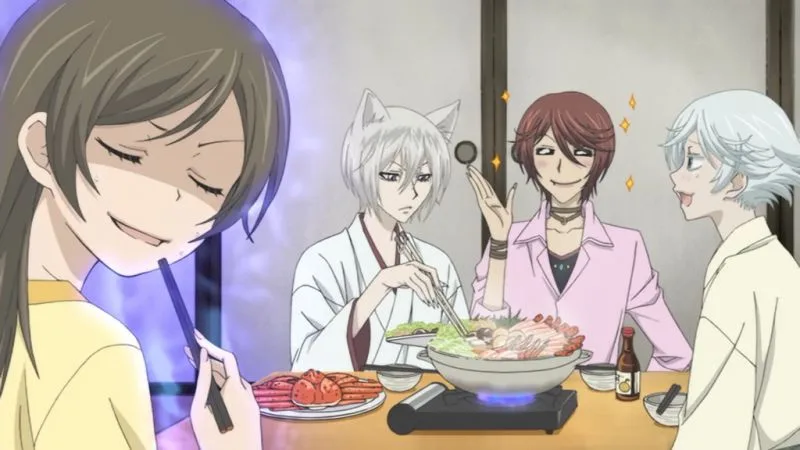
Kamisama Kiss follows Nanami, who loses her home after her father's gambling debts and ends up, through a stranger, at an abandoned shrine where she becomes the local deity. The series mixes shoujo romance with Japanese mythology.
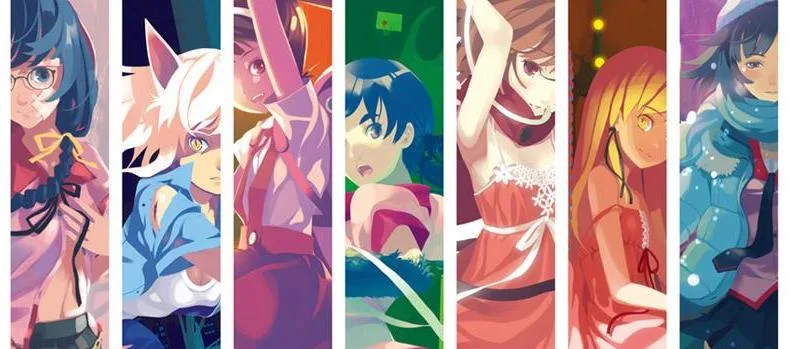
The Monogatari series is split across several seasons and follows a student who meets characters with animal and god attributes, among them a cat and a vampire. Anyone starting out should check a viewing order first.

Spice and Wolf opens with a travelling merchant finding a goddess named Holo in his cart. She looks like a young woman but carries the ears and tail of a wolf, and presents herself as the harvest goddess of Pasloe. When the village no longer needs her, she sets off with him.

Other series treat the ears as one detail among many. Viewers who like the genre will find further examples through monster-girl shows and gijinka line-ups. The human-animal mix always signals a role: messenger, companion, opponent, or simply a character who steps out of line.
Final thoughts
Nekomimi is more than a costume. The word describes a marker that makes characters instantly readable, and it points to a culture in which animal and human have been thought together for centuries. As a catgirl, as a kemonomimi or just as a headband, the ears always carry a small story.
More on anime culture: what moe means, anime with animals, gijinka and monster girls, the best shoujo anime and the Monogatari viewing order.




Community
Comments
0 comments
There are no published comments in this language yet.
Send comment