
In Japanese shops the English label action figure (アクションフィギュア) has stretched so far that it now covers a figma you can pose, a Nendoroid with a bag of extra faces, and a 1/7 scale that never moves an inch. The box still says collectible. The joints — or the lack of them — tell you what you actually bought.
For those who don't know, action figures are collectible figures or dolls of characters from animes, movies, games, and mangas. The term has become somewhat generalized, used not only for "action dolls" but also for nendoroids, statuettes, and much more. That blur is why people in Japan talk in types, not in one word.
Contents 10
The History of Action Figures
The first action figure appeared in 1964 and was released by an American toy and game manufacturing company called Hasbro. The world's first action figure was from the comic books (G.I. Joe) published since 1942.
After the launch, it became very successful! You could play with your favorite character anytime and with your friends, in addition to giving a space and good decoration to your room. Children, especially boys, played a lot.
But teenagers and adults began to take an interest in action figures for collection and also out of love for the characters.
After they started making collectible Action Figures, it was another success. And with the great success, their quality only increased, and more and more, the action figures became more realistic and gained even more popularity.
With great interest from people, new companies specialized in collectible figures began to emerge. Some of the Japanese names that still dominate the shelf are Good Smile Company, Max Factory, Bandai (including Tamashii Nations / Bandai Spirits), Kotobukiya, and Alter.
Action Figures Today
Currently, there are various action figures of all types, sizes, and prices. From pocket miniatures to life-size statues, the Japanese market is the one that set the collector vocabulary the rest of the world now uses.
In Japan, what is popular are collectible action figures from animes, and as I said, there are all price ranges. A gashapon capsule can cost about 100 to 500 yen. Prize figures often sit around 2,000 to 4,000 yen. Nendoroids and figmas commonly land between 5,000 and 8,000 yen, with packed releases going higher. A well-made scale figure is another league: 15,000 to 40,000 yen is a normal ticket, and rarer pieces climb from there. It all depends on the place of purchase, the material, how many were made, and its relic value.
There are many action figure stores all over Japan, especially in 秋葉原 (Akihabara) Tokyo. There you can find various stores related to action figures that sell high-quality figures. There are also many stores for animes, mangas, games, and much more.
Figures can be classified into different types, sizes, and categories. The main types collectors actually use are scale figures (printed ratio, usually a fixed pose), prize figures (arcade and lottery PVC), figma and S.H.Figuarts (articulated), Nendoroid (chibi, swappable parts), and gashapon (tiny capsule prizes). Let's get to know these types of figures below.
| Type | Typical size | Joints | Typical yen |
|---|---|---|---|
| Gashapon | ~3 cm | None | 100–500 |
| Prize | ~14–20 cm | Little or none | 2,000–4,000 |
| Nendoroid | ~10 cm | Swappable faces and parts | 5,000–8,000 |
| Figma | ~13 cm | High articulation | 3,000–8,000+ |
| Scale | 1/8, 1/7, 1/6 | Usually a fixed pose | 15,000–40,000+ |
Scale Figures — The Display Piece
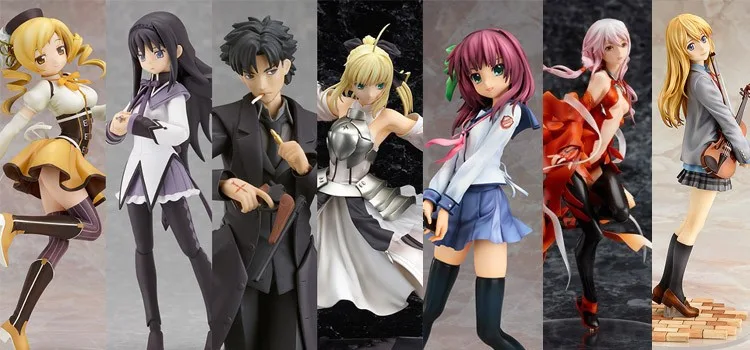
Scale figures (スケールフィギュア) are sculpted to a printed ratio of the character: 1/8, 1/7, and 1/6 are the ones you see most. A 1/8 piece often stands around 20 cm; a smaller ratio means a bigger statue. Most of them are PVC with a chosen pose, a base, and almost no joints. You buy the sculpt, not a toy you will restage every week.
That is also why they cost more. Paint lines, fabric, hair, and the base do the work that articulation does on a figma. Good Smile Company, Alter, Kotobukiya, and Max Factory sit at the top of this shelf. If a listing never shows the scale and only says "figure," treat it as a different category until you see the box.
Figmas - 13cm Action Figures
The figma series is a line of Japanese action figures produced by Max Factory and distributed by Good Smile Company. The product series is developed by the CEO of Max Factory, Max Watanabe, as well as Masaki Apsy.
The Figma Team focuses on creating highly articulated pieces the size of a hand, focusing on popular anime characters. Each figma is sold with various accessories, such as faces, hands, and other optional pieces.
Occasionally, figma figures are based on other subjects, such as Vocaloid characters, Nintendo game series, and even real people. The first figma was a special edition of Haruhi Suzumiya based on the PS2 game, Suzumiya Haruhi no Tomadoi.
The first product was released on January 31, 2008, with product code SP001. Later, in 2008, the first mass-produced figma, Yuki Nagato, from the series The Melancholy of Haruhi Suzumiya, was released.
The figures in the figma series are made of ABS and PVC. Each figure includes a special stand that is used to support it and create various poses. The height of the figures is about 13 cm, but varies depending on the height of the base character.
Prices also vary; however, most figmas cost between 3,000 and 8,000 Japanese yen, with licensed or extra-packed releases going higher. Each figma usually comes with a number of different expressions and optional extras that can be swapped multiple times.
The pieces can also be swapped between different figma figures, allowing collectors to exchange parts and create unique combinations. A flexible plastic is used in areas that may be affected by poses.
Nendoroid - Chibi Type Action Figures
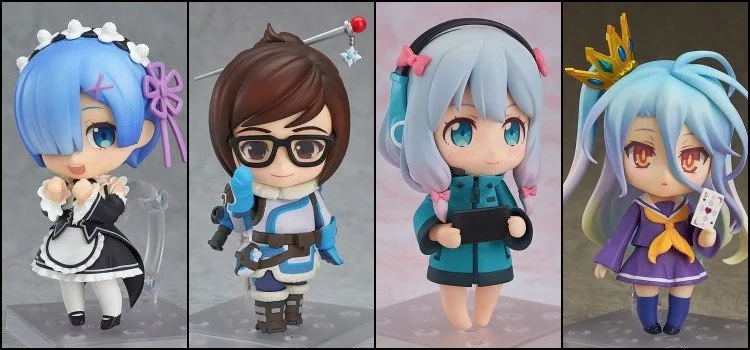
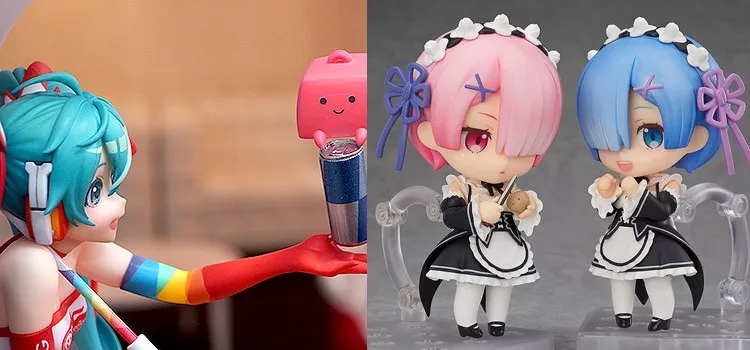
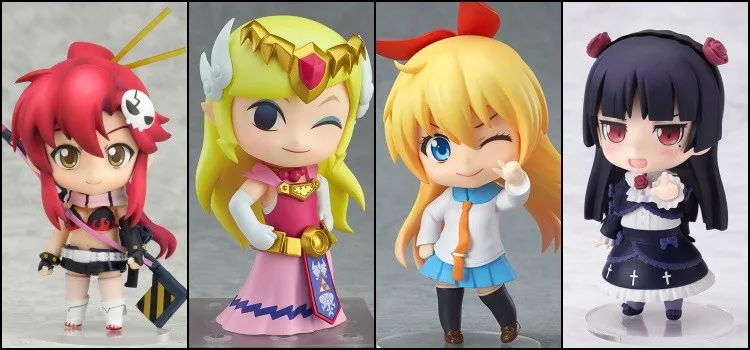
Nendoroid [ねんどろいど] are action figures in the chibi style (big-headed), articulated, extremely customizable, and about 10cm or 6cm tall, originally manufactured by Good Smile Company in 2006.
Nendoroids are about 10cm tall, most of which have customizable arms and legs and articulated necks. There are different types of original Nendoroids; let's mention a few below:
- Nendoroid Petite – These are smaller figures about 6.5cm tall;
- Nendoroid More – These are alternative sets with extra pieces and clip and suction supports;
- Nendoroid Plus – Different forms of nendoroid beyond figures, such as plushies, keychains, etc.;
- Nendoroid co-de – These are figures that allow you to remove their parts like hair and clothing;
One of their main advantages is their low price compared to figma, their well-detailed quality, and their size that helps save space. For more information, read our article about Nendoroid.
Funko Pop – The Big Heads from America
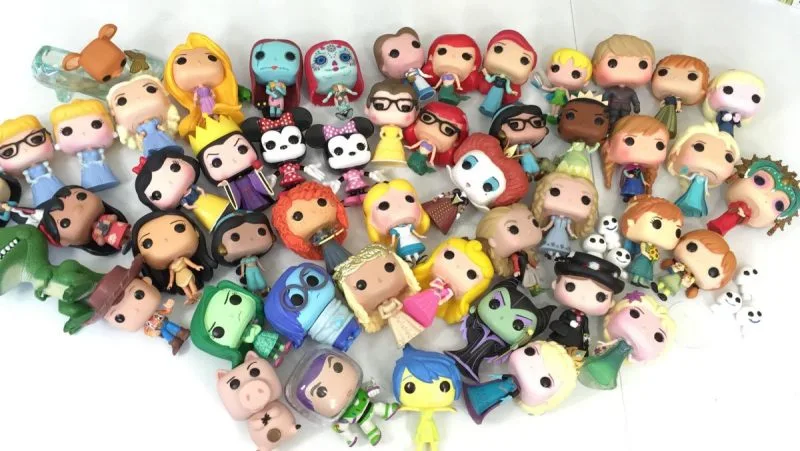
Other popular Action Figures come from the Americas and are called Funko POP. They have a rounded big head resembling a tube television. There are hundreds of Funko POP characters from different series and animes.
Funko is an American company that produces licensed collectible items from pop culture. Funko is renowned for manufacturing licensed vinyl figures and bobbleheads, in addition to licensed electronic items and plushies.
It might be an alternative to buy a Funko POP instead of an original Nendoroid. Its price can also climb, often around 10 to 20 dollars at retail, with exclusive or aftermarket pieces going much higher. I find some cute, while others are horrifying.
Prize Figures and Bandai Banpresto
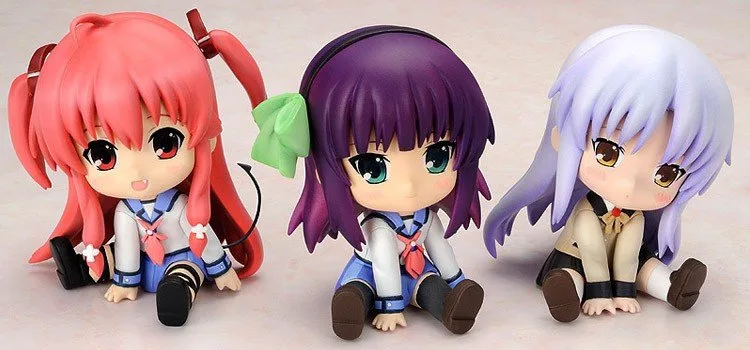
Prize figures are the PVC statues you win from crane games and lotteries in Japanese arcades — and the same molds later show up in hobby shops at a lower price than a scale. They are usually one piece or a few parts, around 14 to 20 cm, and they are not sold as a numbered scale. Quality used to be rough. It is not, not anymore: a good prize can sit next to a Nendoroid and not embarrass the shelf.
Banpresto was initially a company that created a variety of video games exclusive to Japan, mostly anime games. Bandai Namco absorbed the game side around 2008 and kept the Banpresto name on toys and arcade prizes. In April 2019 Banpresto was merged into Bandai Spirits. The logo you still see on crane-game boxes is now a brand, not a separate company.
Bandai's articulated line is another family: S.H.Figuarts (and the older Figuarts name) under Tamashii Nations. Those are closer to figma — poseable, with extra hands and faces — not to a prize statue. If a listing says Bandai, ask which line: prize, Figuarts, or something else entirely.
Gashapon Action Figures
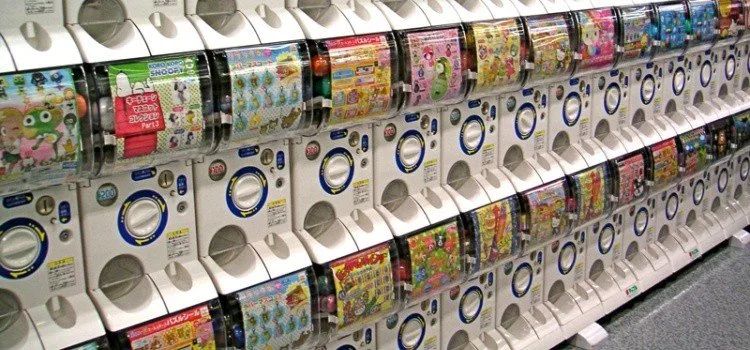
In Japan, there are the famous gashapon capsule machines. These are machines where you put in coins and receive a ball with a prize inside; here you can find miniature figures of your favorite characters for a very low price.
The gashapon are like an arcade machine, where you put in your token and are entitled to pick a prize, turning the crank so that your prize can fall to you. These machines are spread all over Japan, especially in front of game centers.
The quality of these figures is quite low, lacking color and can break quickly, but it is a cheap and accessible option that can cost even 100 yen. Generally, gashapon prizes are about 3 centimeters.
There are different prices for Gashapon, which means that machines with a higher cost reward the player with better quality. Remember that you don't only find action figures but any type of collectible, keychain, and toy.
The Quality of an Action Figure
There are various Chinese or unknown companies of Action Figures that sell cheap pieces, but of inferior quality, with discoloration and parts that break easily. Some imitate the original branded ones but fail in doing so.
I do not recommend purchasing low-quality or pirated products, so I will not go into details about these products. I recommend thinking carefully about the quality of the product you wish to buy. Consider the craftsmanship of an original piece.
The responsible factories care a lot about the quality of the figures they produce. An example of these factories would be Good Smile Company; the action figures from this factory are hard to confuse with a bootleg once you have both in your hands.
If the action figure has even one obvious flaw, it is not supposed to leave as a saleable original. Remember to be careful with counterfeit action figures: blurry boxes, sloppy paint, and a price that looks too kind for the character are the usual tells.
Honestly, I am a big fan of Japanese action figures. After all, who wouldn't want to have a copy of their favorite character in 3D?
Where to Buy Action Figures in Japan?
Some may imagine that Action Figures are cheap in Japan, but the reality is different. Unlike anime events where we find action figures at a good price (of questionable quality), figures in Japan are always original and of high quality.
If you visit famous neighborhoods like Akihabara, you will not find cheap figures, but dolls that cost more than 3,000 yen. If you want to save on action figures in Japan, you will need to resort to low-quality or used products.
Although Akihabara is famous for its stores, it is just marketing; the prices are meant to exploit tourists, requiring some digging before you start buying in Akiba. In Tokyo, you can find various used stores in Nakano Broadway, including Mandarake, which has been the collector's secondhand temple for decades.
Look for stores like Book Off, and its variants Mode-Off, Off-House, Hobby-Off, and Garage-Off. Each one specializes in a certain type of product, but you can find figures in all of them. It is one of the most popular used franchises in Japan.
Remember that unknown used stores are generally cheaper than these renowned stores. There is a really cool store at Namba station in Osaka called Admski. The store specializes in very retro products.
If you are still mapping the city before you fly, start with where to buy manga and anime products in Japan. Buying from abroad is another route: Play-Asia is one of the shops that already ships games and character goods without you standing in Akiba.

Community
Comments
0 comments
There are no published comments in this language yet.
Send comment