
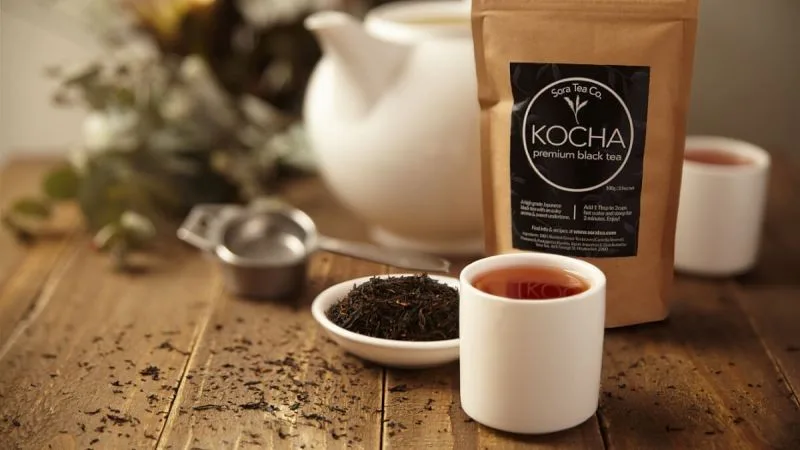
Probably, when you are invited to eat Japanese food, your imagination already relates it to sushi, sashimi, or some other savory specialty. But what many people do not know is that the Japanese also have a time for afternoon tea, called Oyatsu. Gradually, this practice is making its way to the West.
Also known as Oyasudoki or Osanji, it is a light meal aimed at helping people wait for the next main meal. Even today, some people eat between breakfast and lunch, and between lunch and dinner; but for most Japanese, oyatsu is mainly held in the afternoon, between two and three o'clock.
Contents 4
Origin
There are some discrepancies regarding the exact date of the emergence of this custom in Japan, but all documents point to the Edo period in the 17th century, when the school system was established, whose activities ended around 2:30 PM. Thus, when the children left school and arrived home complaining of hunger, the family would already prepare some light snack for them to wait until dinner time.
This small meal was named Oyatsu because, according to the old Japanese clock, the period between two and three in the afternoon was called yatsu (eight), referring to the eighth hour of the day. Even with the change from the Edo period timekeeping to the current 24-hour system, the name oyatsu was maintained to keep the tradition.
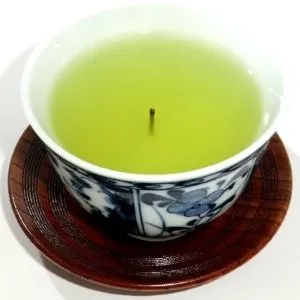
This rite began to be followed even by adults, as they needed to replenish the energy spent during the workday. Traditionally, the afternoon snack consists of teas and a variety of sweet treats. In times of food scarcity, especially in the post-war period, this small meal underwent some changes and was basically made up of cooked vegetables or whatever was available at the time.
The custom around the globe
Obviously, afternoon tea is not an invention or tradition exclusive to Japan. In Sweden, the afternoon snack is called Fika; in Spanish-speaking countries, it is called Merienda; and the most famous of all is the Five O'Clock Tea or Afternoon Tea in England.
The difference is that the basis of the Japanese tradition comes from the working class, which needed a lot of energy to carry out all the farming activities and other heavy work, while in other countries, it is a custom mainly practiced by the elite.
The tradition of Oyatsu today
The traditional afternoon tea of the Japanese is still present today. It is represented in movies, series, books, and even in anime. This is the case of Ouran High School Host Club, where it is a club of school boys who use their time to entertain the girls of the school during afternoon tea, which activities start at 3 PM; and Kaichou wa Maid-sama, where the student representative, considered strict and perfectionist, works part-time dressed as a ‘Maid’ in a themed café.

The city of Tokyo is now considered the largest specialist in oyatsu. Walking around, you can find several bakeries or shops specializing in classic snack treats. Many use traditional and century-old techniques to make the lightest and most beautiful sweets imaginable. Additionally, another important piece of information is that the Japanese use seasonal fruits and foods to diversify their offerings.
It is noticeable that afternoon tea has been greatly influenced by the West. Nowadays, many Japanese have started to include various types of cakes and industrialized sweets during snack time. Sometimes for being more accessible, other times to save time during the day. After all, oyatsu does not have to be something expensive; the important thing is that the snack is a light meal that brings satisfaction to those eating it.
In Brazil, it is possible to find some Japanese sweets in places with a Japanese community presence, such as in São Paulo, in the Liberdade neighborhood, and in other states like Pará, Porto Alegre, and Rio Grande do Sul.
What characterizes the afternoon snack?
The name Oyatsu can refer both to the custom itself and to the sweets served during this meal. Since the intention is to be a light food intervention between main meals, the foods also have this format.
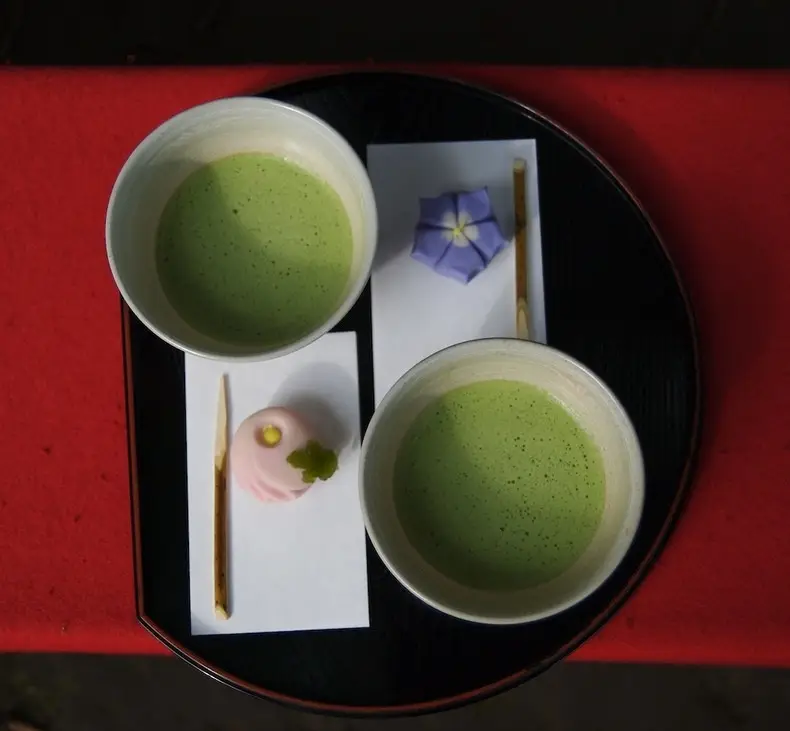
Over time, Oyatsu has become a bit more sophisticated. In addition to tea, refined sweets can be found in many varieties, but their essence is delicacy. Below are some types of sweets that the Japanese enjoy during oyatsu:
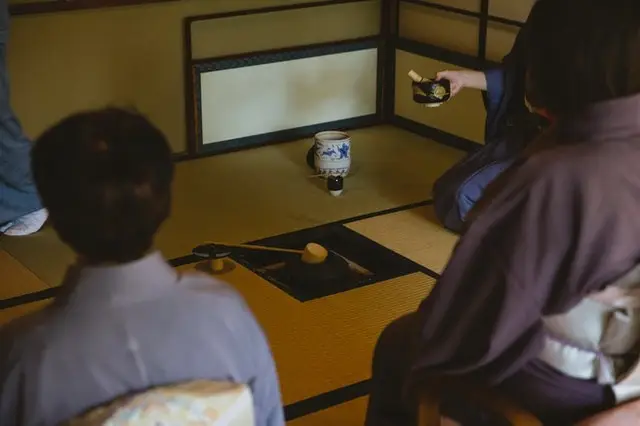
- Hanabiramochi: traditionally served at the tea ceremony during the Japanese New Year, it means “flower petal mochi.” The sweet comes in various shapes and colors, and the traditional filling is mung bean paste.
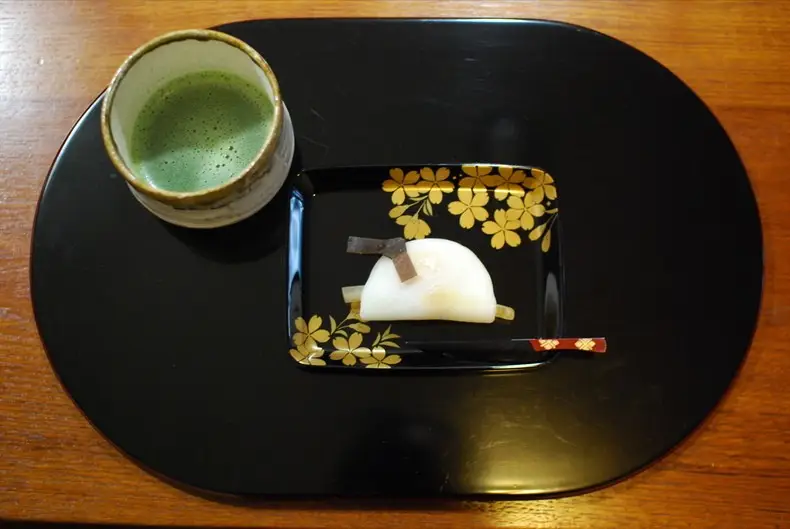
- Namagashi: sweets made with natural ingredients, usually shaped like flowers or plants. Aesthetically pleasing, namagashis are filled with bean paste or jams, jellies, and others.
- Botamochi: one of the favorites of the Japanese, it is a seasonal cake made of sweet rice and red bean paste.
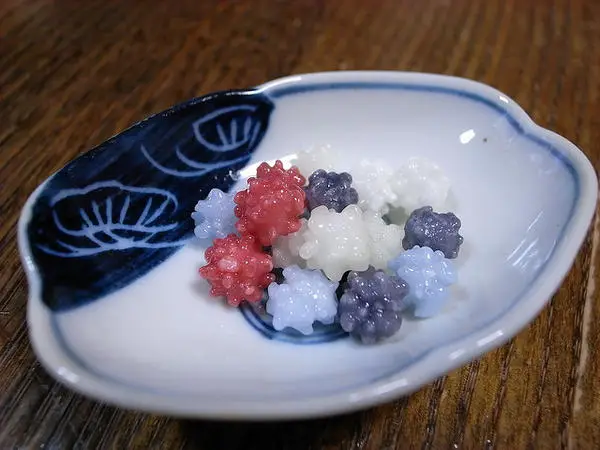
- Kompeito: a small, colorful, round sweet made with pure sugar. It has small cracks in its shape due to cooking. It is widely consumed in Japan but arrived in the country through the Portuguese in the 16th century.
- Monaka: made with a crispy mochi wafer dough and filled with red bean paste.
- Taiyaki: it is a cake shaped like a fish, usually a sea bream. The fillings are diverse, ranging from sweet to savory. The most common is traditional red bean paste, but you can also find cheese, hazelnut cream, and jams. The best way to enjoy it is hot, blowing away the steam.
- Dango: similar to mochi, kushi dango are Japanese dumplings served on skewers and with a caramelized coating. They come in various flavors depending on the season.
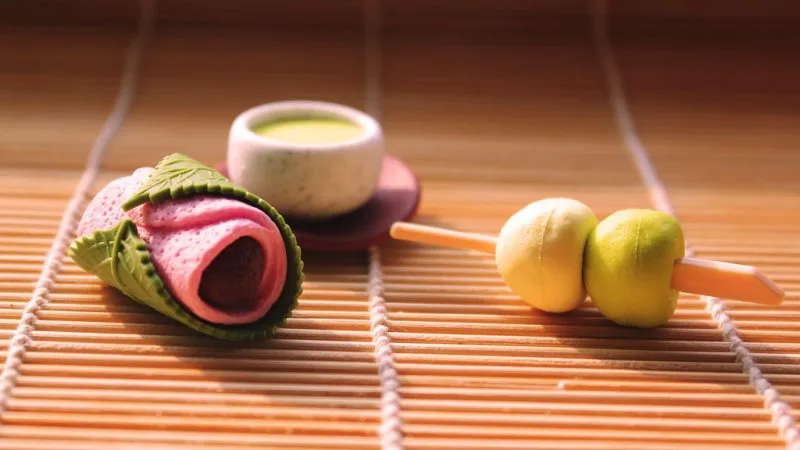
- Manju: delicious white dumplings shaped like a full moon to honor the most beautiful moonlight seen in Japan during autumn. They have a variety of fillings, from beans to jams.
There is an immense variety of Japanese sweets, and these were just a few examples. After all, oyatsu is a tradition that has lasted for centuries. If you also want to perform this tea ritual at home, buy some sweets that you like the most, and enjoy this time to relax and connect with yourself.


Community
Comments
0 comments
There are no published comments in this language yet.
Send comment