
Open a modern seasonal chart and you will eventually meet an imouto who blushes too hard, a step-sister who “just happens” to share a roof, or a late-night comedy that treats sibling tension like spice. After a few titles, it is easy to wonder if Japan treats incest as no big deal.
That impression is almost always a media trick. The same country that ships endless younger-sister fantasies still treats real incest as shameful, rarely discussed in public, and tightly restricted when marriage and family law enter the picture. Fiction sells taboo. Daily life does not clap for it.
Although Japan is often painted as traditional, parts of its media culture have long been blunt about sex and fantasy. Shinto origin myths even include divine siblings who create the land — a story sometimes dragged into internet debates as if it explained modern bedrooms. It does not. Myth is not municipal policy, and a streaming trope is not a national opinion poll.
Historically, powerful families cared more about bloodlines and alliances than about modern genetic ethics. Cousin marriages inside clans were once a way to keep land and status close. Western science, Meiji-era legal reforms, and post-war social change pushed the culture toward the same broad discomfort found elsewhere: close blood relations are not a casual dating option. For a longer look at how old hierarchies shaped personal life, see our note on feudal Japan as atmosphere, not as a free pass for today’s norms.
Contents 6
How does Japan view incest today?
Legal and social answers split, and that split is what confuses outsiders.
Quick map: consensual sex between adults who are close relatives is widely reported as not treated like a standalone crime under Japan’s Penal Code, but the Civil Code still blocks marriage between close blood relatives (classically summarized under Article 734). Anyone underage, any guardian abuse, coercion, or exploitation falls under other criminal rules. Public stigma remains strong.
In everyday conversation, the topic is avoided. People do not “debate it casually at the konbini.” When Japanese media or gossip columns touch real cases, the tone is usually scandal and shame, not celebration. Saying “Japan has no opinion” is sloppy; the more accurate line is that polite society treats the act as something to deny, hide, or condemn — even if adult private conduct is not always prosecuted the way some Western penal codes would expect.
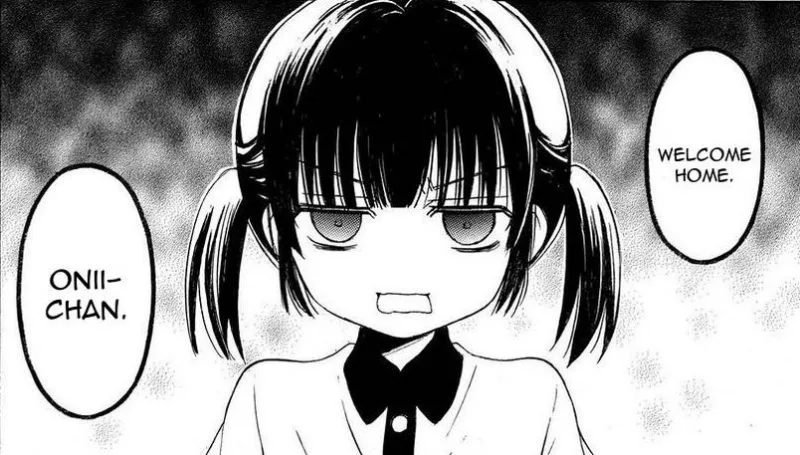
You may still find old internet essays claiming that lonely mothers and teenage sons were somehow a quiet pattern. Treat those as rumor mill and cherry-picked anecdotes, not demography. Every country has hidden abuse and rare tabloid nightmares. Presenting that as “how Japanese families work” is how prejudice is built. The ethical floor is obvious: without consent, or with a minor, it is abuse — full stop — and no culture essay softens that.
Even when adults claim mutual desire, the emotional cost of collapsing family roles into romance is real. That cost is why the social stigma never really left, no matter how many light novels put a sister on the cover.
Why does incest (and the imouto) sell so well in anime?
Adult animation helped normalize the shock early. The OVA anthology Cream Lemon (first episode 1984) became infamous for the Ami and Hiroshi thread — step-siblings whose forbidden pull was part of the series’ notoriety. It was not the only erotic OVA of the decade, but it is still a useful landmark for how sibling themes entered commercial anime fantasy.
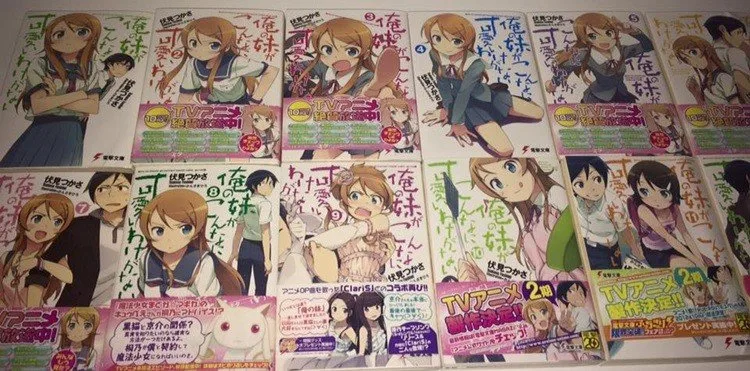
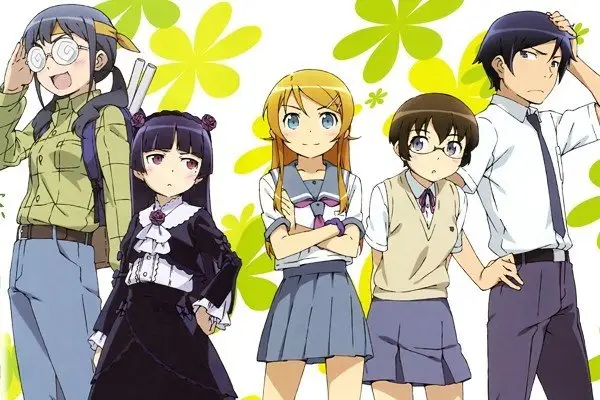
From there the idea migrated into TV-friendly forms. Titles like Oreimo and A Sister’s All You Need (Imouto sae Ireba Ii) do not always stage graphic sex; they sell the atmosphere of closeness, secrecy, and “someone who already lives in your world.” That is catnip for certain romance and harem formulas.
The modern imouto is often not even a blood sister. Step-sisters, adopted siblings, cousins, and “we grew up together” setups are common soft landings for audiences who want the intimacy without the full legal/moral freeze of blood kinship. CBR’s rundown of the trope is blunt about the engine underneath: wish fulfillment for a largely male target audience, with a cute, devoted younger-sister type as extreme fanservice of emotional safety.
Do real younger sisters behave like anime? Of course not as a rule. Big-brother admiration exists in Japanese family language and pop culture, and protective older brothers are a familiar ideal. That affection is not a pipeline to romance. When shows turn it sexual, they are usually selling rarity and taboo heat — the same reason forbidden genres sell anywhere. Studios are businesses; shock and intimacy convert into sales more reliably than polite realism.
The core audience for pure sibling-romance titles skews toward lonely otaku niches, not the whole population. Some viewers project onto a fantasy of unconditional attention; others just chase the “this is wrong” thrill. Neither group represents Japan at the voting booth or the dinner table.
Anime that actually touch the theme
If you want to understand the media habit, watch the fiction carefully — and notice how often the show dodges blood relation, plays it for comedy, or keeps the romance one-sided. This is not a ranking of “best incest anime.” It is a short map of titles people actually mean when they say the genre is everywhere.
Ore no Imouto ga Konna ni Kawaii wake ga nai
Still the easiest entry for many fans. I do not personally chase incest as a genre, and I still enjoy this one for the comedy, the otaku-culture jokes, and characters who became memes for a reason. Kirino and Kyousuke start cold; discovering she is deep into eroge and sister-themed fiction pulls them into a messier bond. The synopsis sounds dirtier than the TV show usually is: light, funny, and more about secrets and identity than about preaching a real-life relationship model.

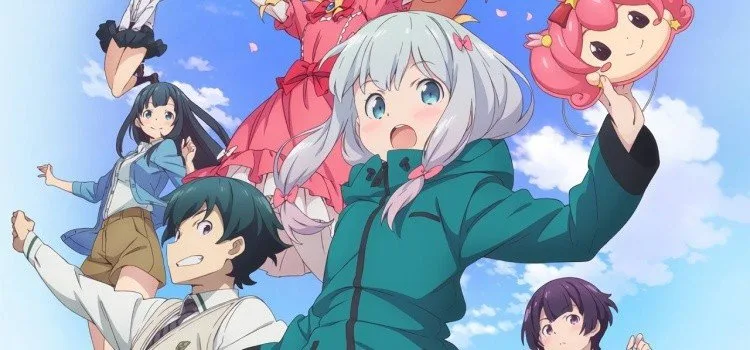
Eromanga Sensei — Same creative orbit as Oreimo. A light-novel author relies on a reclusive illustrator sister (a hikikomori living under the same roof). Adult jokes land, but the show keeps a strangely “innocent” tone that frustrates and amuses different viewers for different reasons.
Other titles people always bring up
Kiss×sis — Half-sisters constantly escalate fanservice around their shared brother. Pure ecchi comedy; if you hate the premise, skip it.
Yosuga no Sora — Heavier and more explicit about blood-sibling lines among other messy relationships. Often cited when someone wants the “this is not a joke” version of the trope.
Marmalade Boy — Classic 1990s romance where step-sibling feelings sit inside a larger soap-opera of divorces and remarriages. Softer tone, long episode count.
| Title | Year (approx.) |
| Gosenzo-sama Banbanzai! | 1989 |
| Please Twins | 2003 |
| Koi Kaze | 2004 |
| Kiss x Sis | 2008–2010 |
| Yosuga no Sora | 2010 |
| Oreimo | 2010–2013 |
| Onii-chan Dakedo Ai Sae Areba Kankeinai yo ne! | 2012 |
| Eromanga Sensei | 2017 |
Older catalogs also list titles such as Aki Sora, Boku wa Imouto ni Koi wo Suru, Angel Sanctuary, and various OVA experiments. Treat those lists as historical maps of a niche, not as proof of national values — the same way a stack of ecchi anime does not mean every Japanese workplace is a beach episode.
How should you view Japan because of this?
Judging an entire country by its most awkward anime tropes is lazy. I can dislike the fantasy, recommend a comedy that uses it carefully, and still refuse the slogan “Japan is disgusting because of incest.” That slogan confuses a media niche with a people.
It is also selective history. Several countries treat adult consensual incest differently in criminal law while still banning close-relative marriage, and many more bury real abuse under silence. Pretending only Japan has shadows is a fan-forum moral costume, not analysis.
Anime is not a documentary of Japanese dating life. Adult works exaggerate for arousal; TV comedies exaggerate for laughs and sales. Otaku tastes do not equal national approval. If a Japanese neighbor hates the trope, that is not hypocrisy — that is a normal person reacting to fiction the same way you might.
Personally, I separate real harm from fictional imouto comedy. I do not need every story to match my private ethics to understand why the market keeps reprinting the same forbidden-closeness button. If you came here wondering whether Japan “accepts incest,” the honest short answer is no: society stigmatizes it, family law blocks close-blood marriage, and the flood you see on screen is mostly fantasy packaging — sometimes clumsy, sometimes funny, often designed for a niche that lives far from the average commute.
For adjacent media culture without collapsing everything into one panic, the piece on adult-content censorship in Japan is a useful companion when you want industry rules instead of internet myths.




Community
Comments
0 comments
There are no published comments in this language yet.
Send comment