
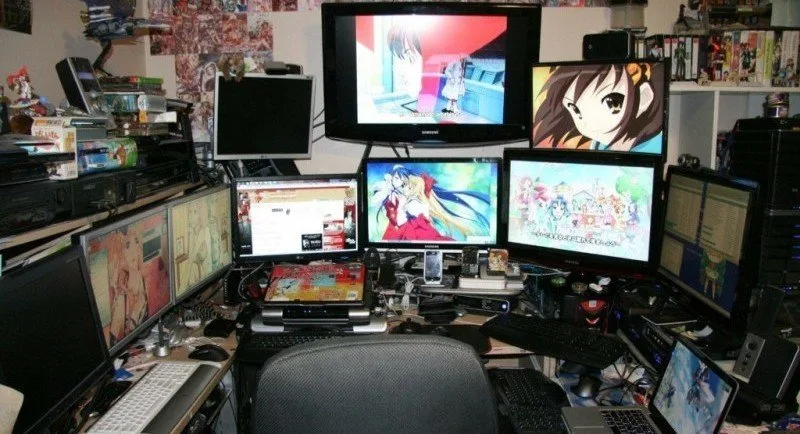
Plenty of series ship heroes into dungeons. Others show what happens when the “hero” stays in their room with a figure shelf, a game pile, and a Comiket plan. Those are the animes that actually hit otaku life: hobbies, shame, clubs, dating, and the constant switch between a “normal” mask and fan identity.
This is not only the lonely-nerd cliché. The best works about otaku life mix comedy, embarrassment, affection, and sometimes dark isolation — and quietly show why otaku in Japan carries a different weight than the word often does in the West.
Contents 24
What are animes about otakus?
Do you know what an otaku is? The Japanese term points to people with an intense, often obsessive dedication to a hobby — especially anime, games, and manga. In the West it is frequently flattened to “anime fan”; in Japan the tone can be sharper or more precise, depending on context: from the collector lining up at Comiket to someone who barely leaves their room.
In Japan you also meet otakus who queue for merch, collect doujinshi, cosplay, and live for events. Others spend whole days playing and watching in isolation. This article gathers animes that put those characters and lifestyles on screen — sometimes lovingly, sometimes with brutal honesty.
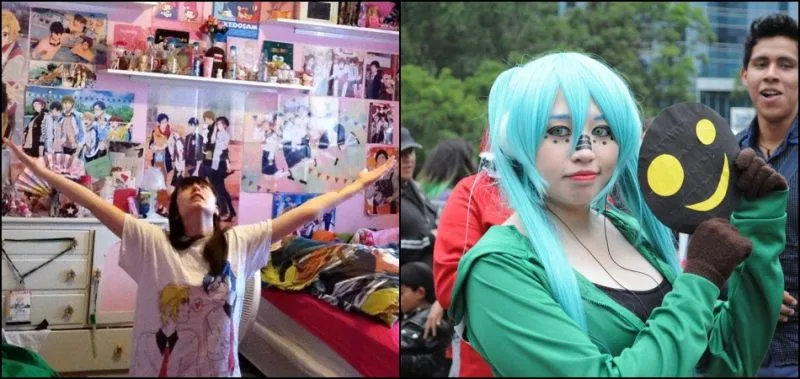
Many otakus are also gamers — visual novels, eroge, online games. That is why a few game-centered series appear here when fan identity really sits at the center. Not a mandatory checklist, but stations that make everyday otaku life, clubs, and the anime industry feel tangible.
The best animes about otaku life
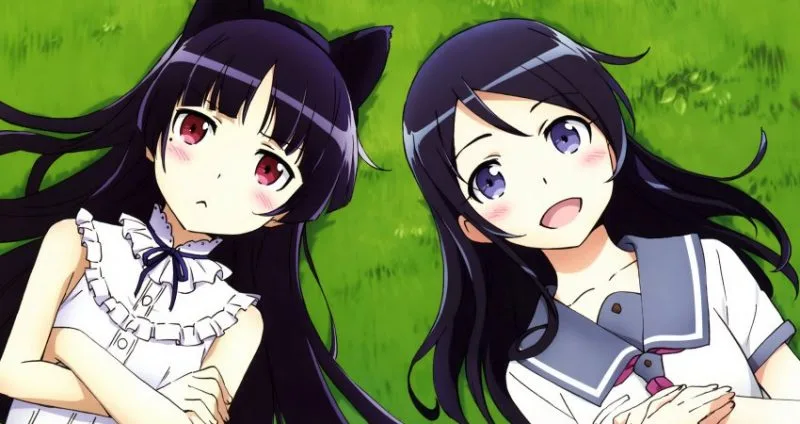
Ore no Imouto ga Konna ni Kawaii Wake ga Nai (Oreimo)
The series is nicknamed Oreimo and roughly means “there’s no way my little sister can be this cute.” At the center is an otaku girl deep into erotic games and mahou shoujo anime — and a brother stuck between protective instinct and awkward truth.
Even though the theme can sound adult, the show leans on comedy and romance and keeps a story that pulls you through. IN MY TOP 10!
Genshiken
This anime follows a university otaku club. Along the way you watch the group grow, friendships form, and club life unfold — including trips to anime and manga events together.
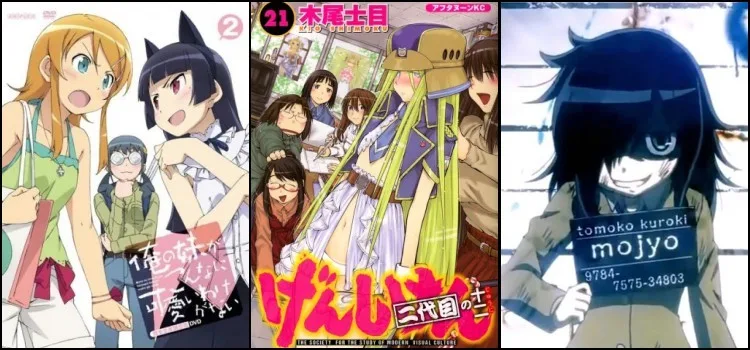
Watamote (Watashi ga Motenai no wa Dou Kangaetemo Omaera ga Warui!)
This comedy follows a girl who thrives in dating games and collapses in real life. The gap comes from her otaku lifestyle; the series sits with her failures as she tries to connect and change course.
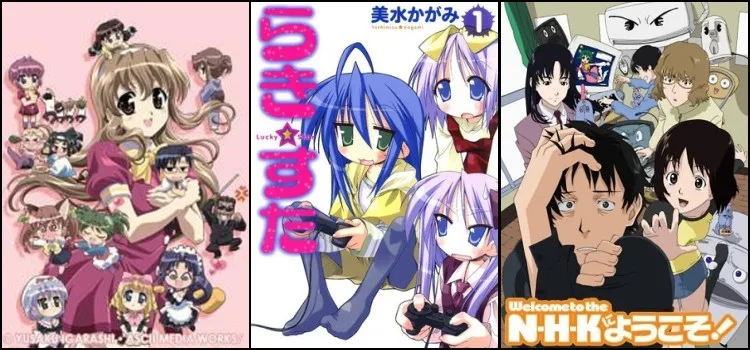
Nogizaka Haruka no Himitsu
A ordinary student meets a girl who seems perfect. He discovers she is an otaku hooked on anime and manga; they become friends while he helps protect her secret and the problems that come with it.
Lucky Star
Lucky Star follows four students, each with a sharp personality. The main character is a lazy girl addicted to anime and games. The show is packed with otaku-world references and nods to other anime and manga.
NHK ni Youkoso! (Welcome to the NHK)
This series centers on a hikikomori character who struggles hard with society. It is gripping and strangely encouraging — useful for understanding the problems and the fight against them.
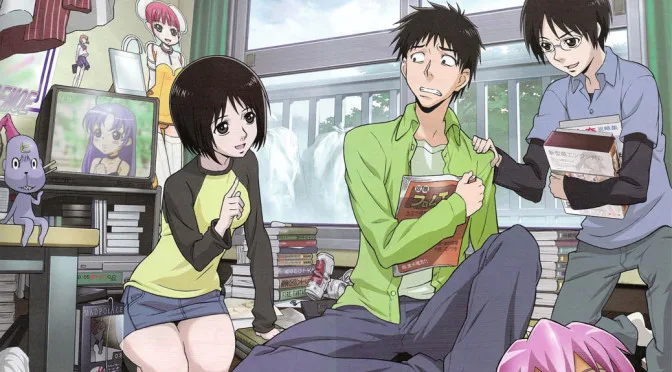
Denpa Kyoushi
Denpa Kyoushi follows Kagami Junichirou, a lazy genius obsessed with otaku culture. Forced out of isolation, he becomes an unusual physics teacher and uses methods inspired by his passions to teach and push his students.
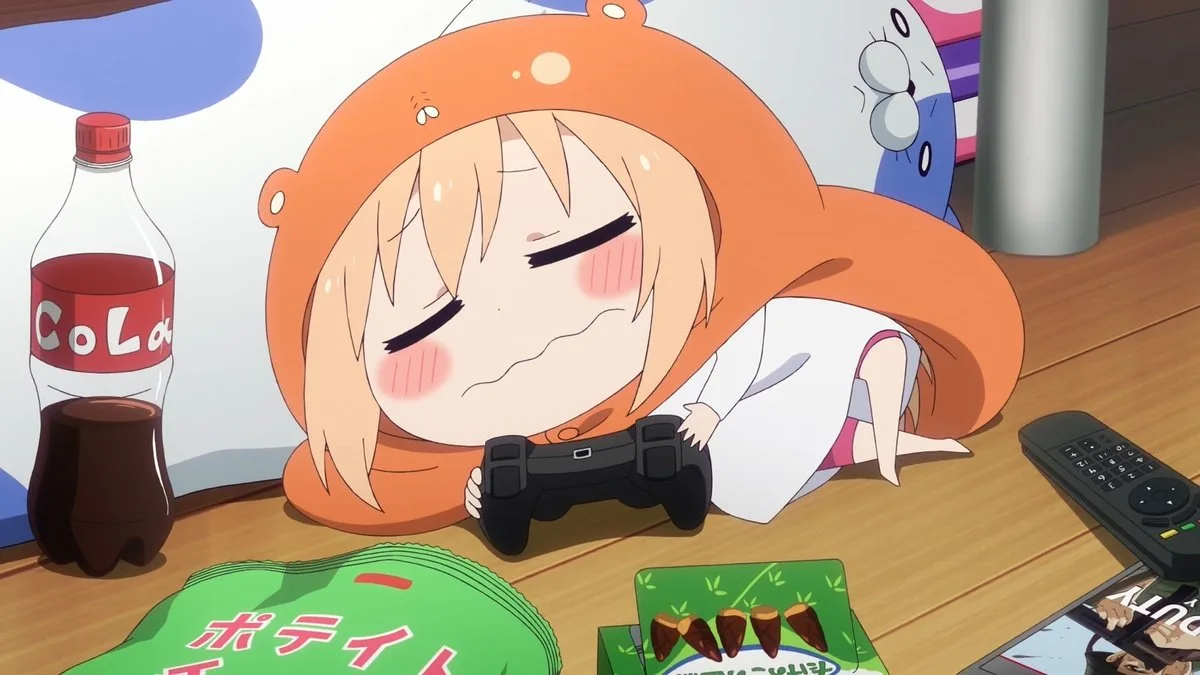
Himouto! Umaru-chan
Himouto! Umaru-chan is a comedy about Umaru Doma: perfect student at school, lazy otaku at home. Her older brother Taihei has to live with both personalities. The series plays the contrast between model school life and obsession with games, anime, and manga — the hidden side of fan culture and the double life many people recognize.
Wotakoi: Love is Hard for Otaku
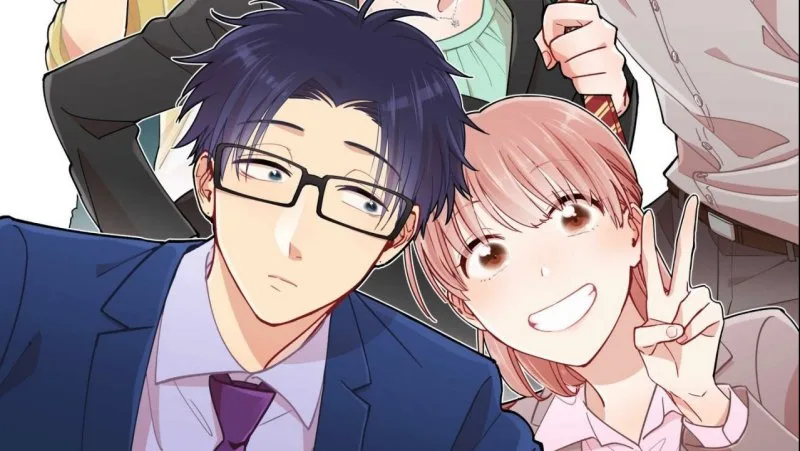
The story follows Narumi, a yaoi otaku, and Hirotaka, a hardcore gamer, as they start dating. The series digs into romantic relationships between people whose hobbies are intense — and how those hobbies shape the couple.
Animes about the otaku industry
Here are series that sit closer to light novels, manga production, and the daily grind of making anime — the industry side of fan culture.
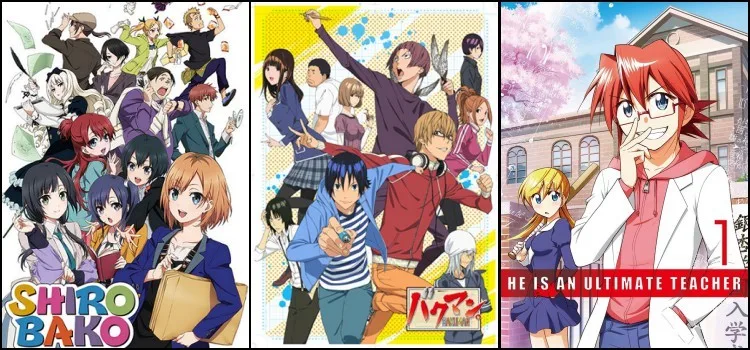
Bakuman
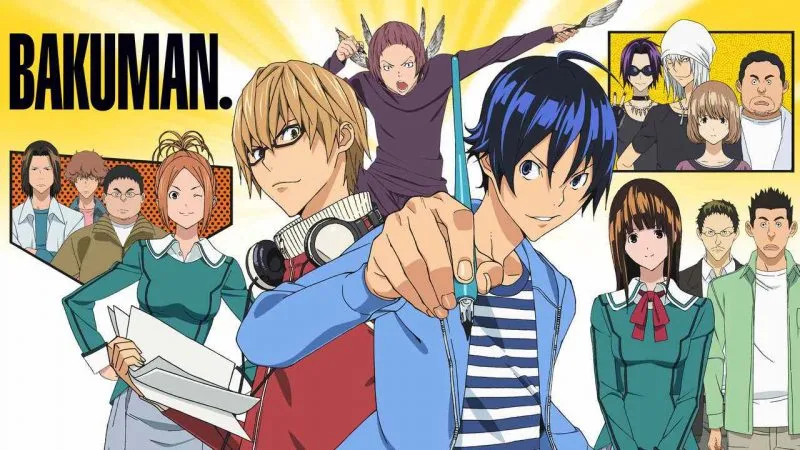
Two friends dedicate themselves to becoming famous mangaka and landing TV anime adaptations of their work. Captivating and inspiring, it shows the manga and anime universe from a different angle. PERFECT!
Shirobako
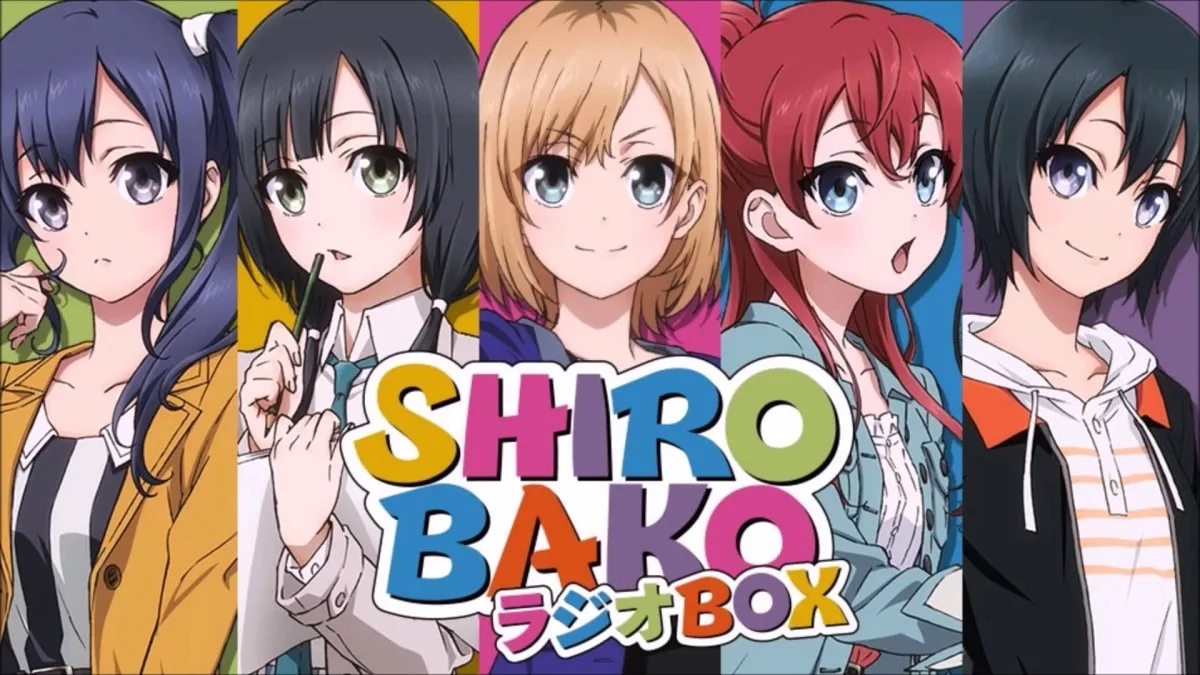
Shirobako offers a realistic, detailed look at the Japanese animation industry. Five young women chase their dream of working in anime production.
They face tight deadlines, creative pressure, and the struggle to balance personal life with the job. The series is a tribute to the passion and endurance it takes to make anime.
Eromanga Sensei
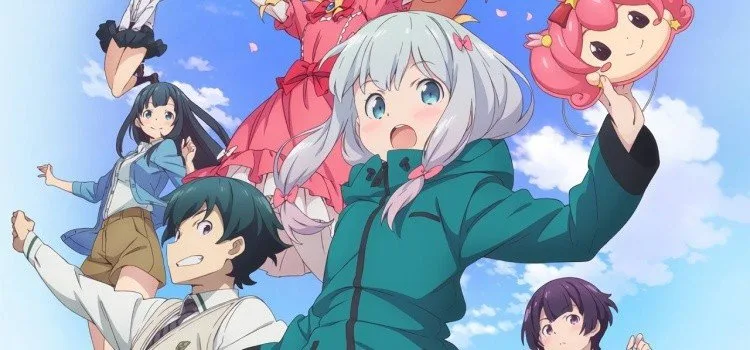
Eromanga Sensei explores light novels through Masamune Izumi, a high school author. His world flips when he learns that his anonymous illustrator, “Eromanga Sensei,” is his reclusive sister Sagiri.
She withdrew after their parents’ death and found shelter in art. The story turns on the siblings’ complicated bond, their craft, and the circle of authors and fans around them.
Saenai Heroine no Sodatekata (Saekano)
Saekano follows Tomoya Aki, an otaku who wants to build the perfect dating game. He recruits schoolmates with skills in art, writing, and music. The anime dives into the creative process of bishoujo games while tracking the social and romantic friction inside the team.
Denki-gai no Honya-san
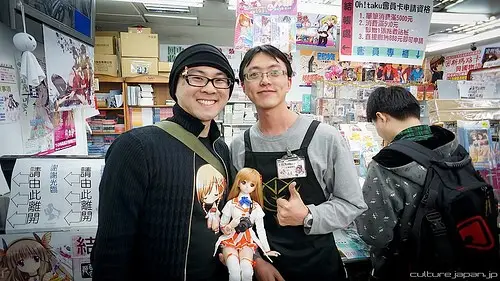
Denki-gai no Honya-san is set in a manga store staffed entirely by quirky otakus. It is a humorous look at release days, odd customers, and working among people who live for cosplay, collectibles, and anime events.
Fantasy and supernatural otaku animes
Blood Lad
Blood Lad follows Staz, a powerful vampire who is secretly an otaku for Japanese culture — especially anime and manga. When he meets Fuyumi and she becomes a ghost, his quest to restore her life begins. Supernatural action mixes with otaku humor and a clash between demon worlds and pop culture.
No Game No Life
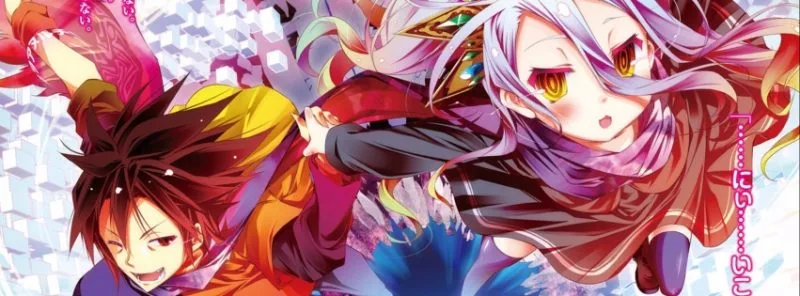
No Game No Life follows siblings Sora and Shiro, unbeatable gamers pulled into a world where everything is decided by games. They use intellect and play skills to challenge the rules. The series celebrates gaming and strategy, with plenty of otaku and game culture nods.
Chaos;Head
Chaos;Head centers on Takumi Nishijou, a reclusive, paranoid otaku drawn into mysterious events and brutal crimes. He struggles to separate reality from delusion and often retreats into anime and games. Isolation, mental strain, and the thin line between fiction and daily life sit at the core.
Other animes involving otakus
A short list of more titles that touch otaku culture, fan language, or related dynamics:
- Otaku no Video
- SKET Dance
- Chuunibyou demo Koi ga Shitai!
- Oregairu (Yahari Ore no Seishun Love Comedy wa Machigatteiru.)
- Gekkan Shoujo Nozaki-kun
- Gamers!
- Netoge no Yome wa Onnanoko ja Nai to Omotta
- Boku wa Tomodachi ga Sukunai
- Danna ga Nani o Itteiru ka Wakaranai Ken
Otaku characters from other animes
Plenty of series outside pure “otaku plots” still have characters with fan DNA. A sample — without repeating the leads already covered above:
- Kouta Hirano (Highschool of the Dead)
- Yoshiteru Zaimokuza (Oregairu)
- Souta Takanashi (Working!!)
- Gakuto (Prison School)
- Walker Yumasaki (Durarara!!)
- Daru / Itaru Hashida (Steins;Gate)
- Shimura Shinpachi (Gintama)
- Kae Serinuma (Kiss Him, Not Me)
- Renge Hoshakuji (Ouran High School Host Club)
- Tamako Arai (Barakamon)
- Yukiko (Nijiiro Days)
- Gabriel (Gabriel Dropout)
Manga and novels about otakus
If you want to read further: these works (some adapted to anime) revolve around otaku culture, clubs, creator life, or fan identity. The list is curated — not an endless dump of every title that ever mentioned a hobby.
- Welcome to the NHK! (manga / light novel)
- Genshiken (including Second Season / Return of the Otaku)
- Bakuman
- Wotakoi: Love is Hard for Otaku
- Princess Jellyfish
- Monthly Girls’ Nozaki-kun
- Saekano: How to Raise a Boring Girlfriend (light novel / manga)
- Himouto! Umaru-chan
- Denki-gai no Honya-san
- Nogizaka Haruka no Himitsu (light novel)
- Otaku no Musume-san
- A Drifting Life
- Dojin Work
- Still Sick
- Insufficient Direction
Whether you want awkward comedy, a dark hikikomori mirror, or studio reality: somewhere between Oreimo, Genshiken, NHK, and Shirobako there is usually a title that feels like “that’s me — only louder.”

Community
Comments
0 comments
There are no published comments in this language yet.
Send comment