
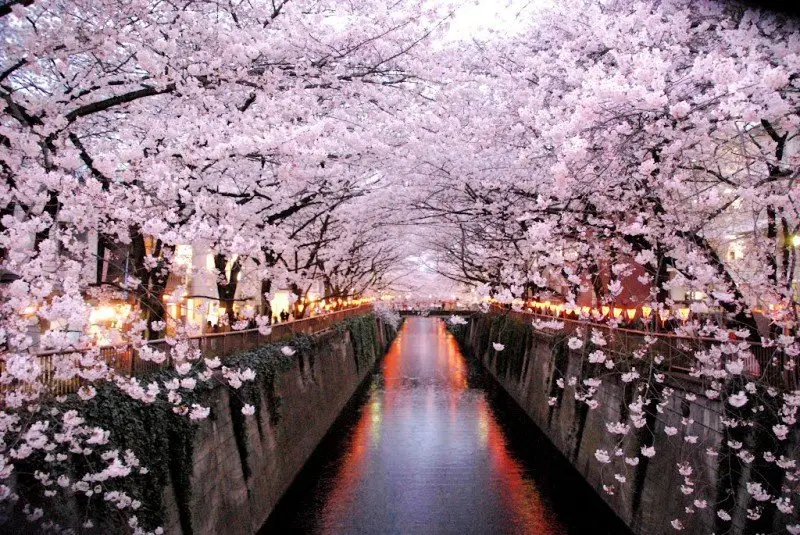
Japan designs daily life so that small problems rarely stay problems for long. A forgotten umbrella, a late-night snack, a short hop across the city—systems already exist for them, quiet and close at hand. That is why so many people feel drawn not only to the culture, but to how simple, fast, and practical ordinary hours can feel.
Below are the places and habits that most often lighten the load for anyone living in Japan—or visiting long enough to notice the difference.
Contents 7
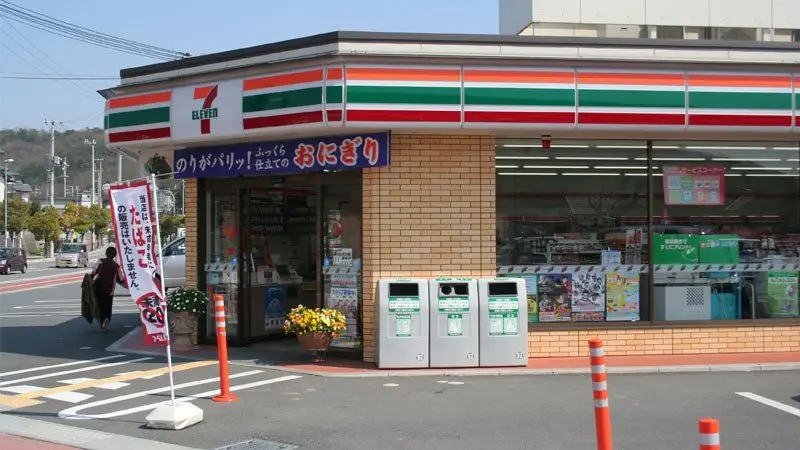
Konbini — convenience stores
We have already written about the famous convenience stores in Japan called konbini. They are compact, well-stocked shops that double as service hubs. You can find a konbini on almost every corner in cities, and that density alone changes how errands work.
Inside a konbini you can find nearly anything practical. If it is raining, there are umbrellas. Near the beach, seasonal goods show up too. Limited editions appear only in these stores. If you are hosting friends, drinks and ready-to-eat options are easy to grab. Beyond shelves of food, konbini offer bento boxes, bill payments, cash withdrawals, ticket pickups, copy machines, rest areas, restrooms in many locations, and more. Many shops stay open 24 hours a day, every day of the week.
Hanbaiki — vending machines
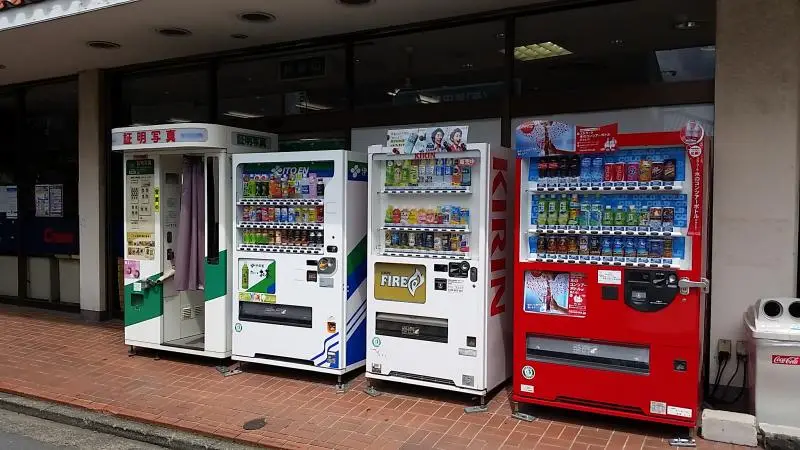
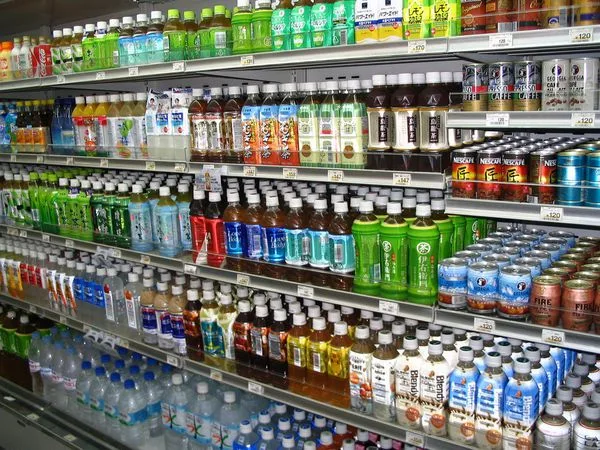
Vending machines in Japan can still surprise first-time visitors. There are millions of them across the country—on quiet streets, outside stations, lined up in clusters, or standing alone—and they sell far more than soda. You can buy drinks, snacks, ice cream, sweets, rice, bananas, small electronics, and even clothing basics in some neighborhoods. Hot and cold drinks often come from the same machine, and some brew coffee on the spot. We wrote a deeper guide to hanbaiki that you can read by clicking here.
Trains and the metro
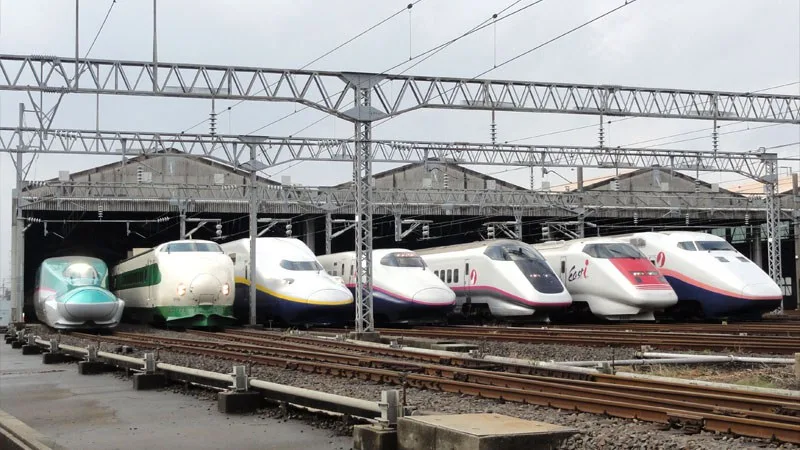
In much of urban Japan, a car is optional rather than essential. Trains run across the country in a practical, fast, and generally reliable way. You are not expected to plan your day around long delays; punctuality is part of the service people count on. Rail is the backbone of daily movement for millions of people, which is why many households never need a private car. If the station is a bit far from home, a bicycle is often enough—and designated parking near stations makes that routine easy.
Prepaid IC cards such as Suica or PASMO tighten the loop even more: one tap for trains and buses, and often the same card for konbini counters and many vending machines.
Economy and cost of living
Japan’s economy invites strong opinions. Some people stress high taxes, tight work culture, or salaries that feel tight against big-city rent. That does not cancel another side of the story: a full-time wage can still unlock tools and goods that would take far longer to afford in lower-wage countries. Electronics and many manufactured products are often more accessible than visitors expect.
Absolute prices are only half the picture; purchasing power matters more. Compared with the minimum wage and common jobs in Japan, everyday budgets stretch differently than a simple “Tokyo is expensive” headline suggests. Even food can be managed carefully if you cook at home and use konbini or supermarkets wisely. If a ¥50,000 apartment sounds steep, it helps to set it beside local salaries and against rents in other countries—our guide to the cost of living in Japan goes deeper into that balance.
Courtesy in everyday life
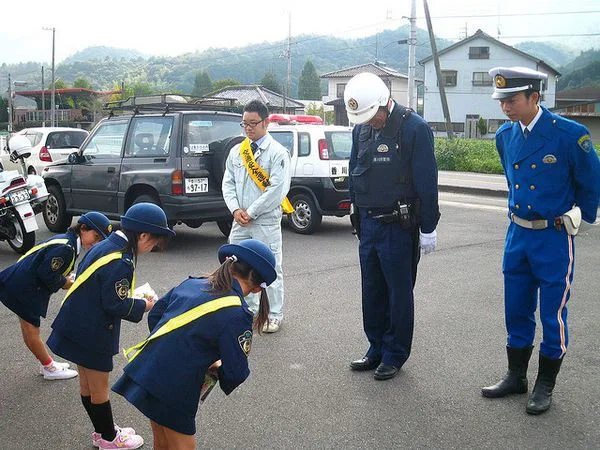
Sometimes people act only for their own convenience. In Japan, public spaces still lean the other way: many people try not to slow others down. In traffic, in shops, and on crowded platforms, the default is politeness and a low profile.
That social habit is its own kind of infrastructure. People generally wait in line, avoid loud phone calls on trains, return lost items, and show up when they say they will. Masks when someone is sick remain a common gesture of consideration. There is also a strong respect for privacy and for the fact that strangers do not owe you their attention—which, for many residents, makes daily life calmer rather than colder.
Home and living spaces
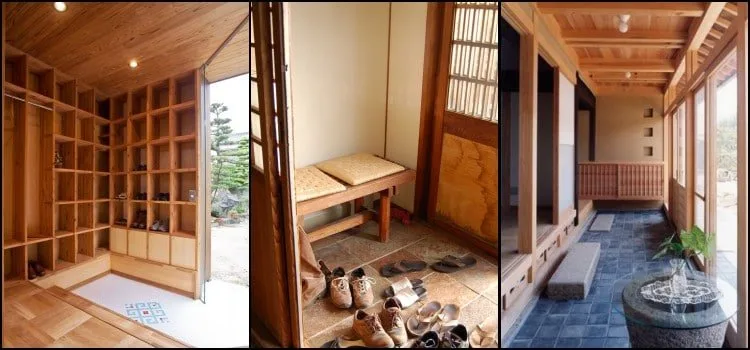
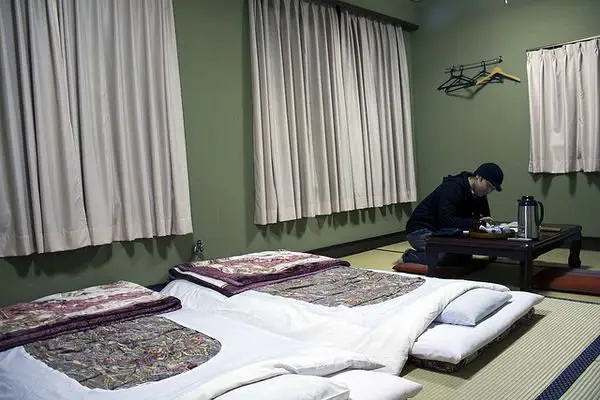
Houses and apartments in Japan are often compact, but they are designed around comfort and routine. Many homes include an ofuro (deep bathtub), high-tech bathrooms and toilets, hot and cold water as standard, and air conditioning or heating for seasonal extremes. Small floor plans still pack useful storage and appliances. Even furniture and gadgets tend toward clever function—none more beloved in winter than the kotatsu.
Infrastructure beyond the obvious
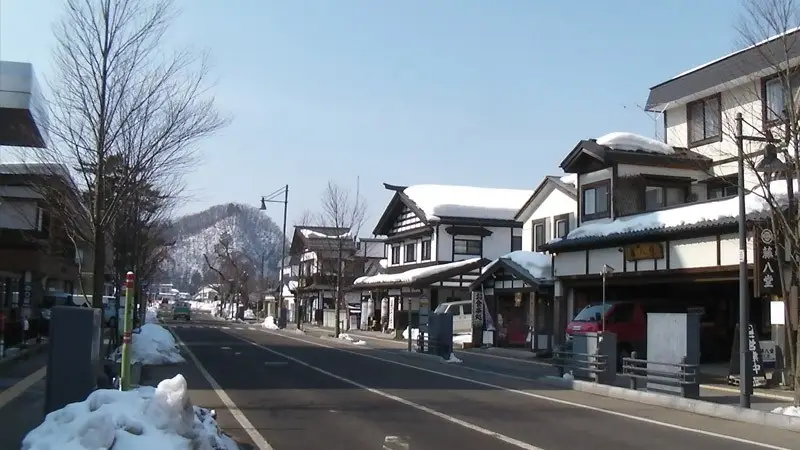
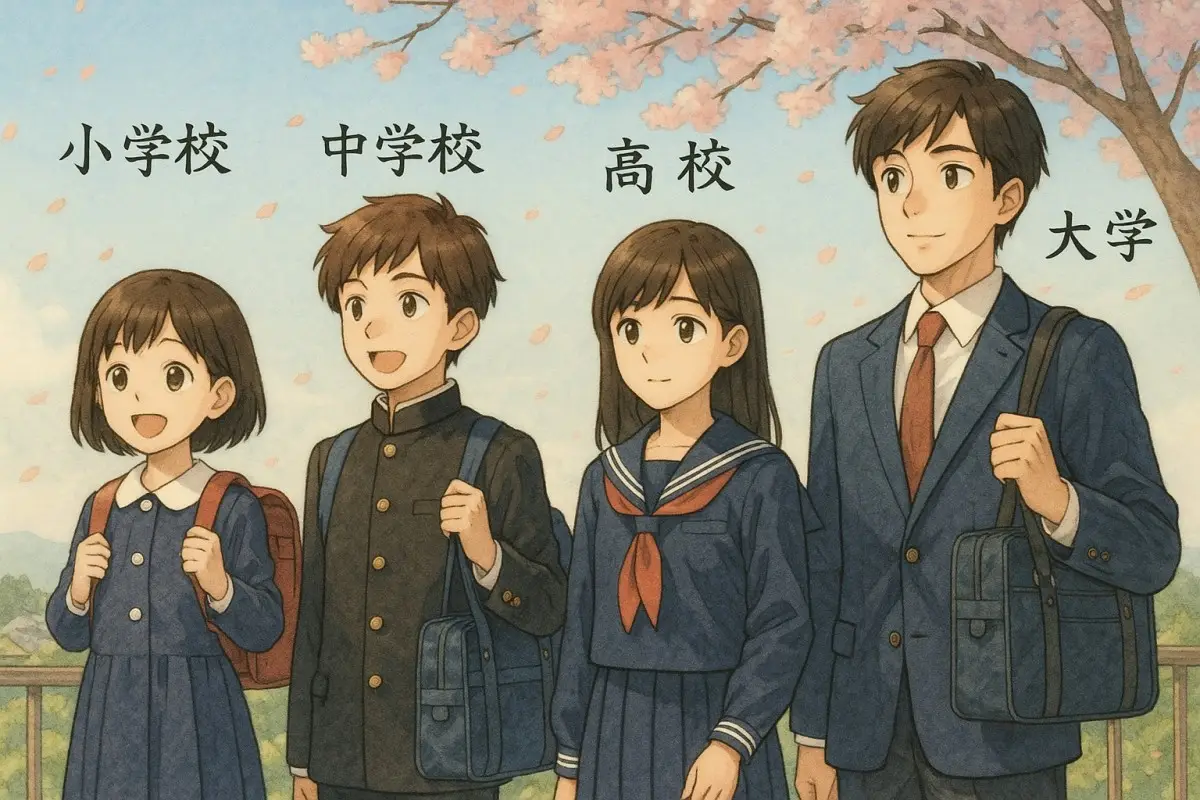
Japan layers technology onto ordinary movement so that trains, hanbaiki, and konbini are only the start. Airports connect even mid-sized regions; highways are generally well maintained and clearly signed. Reading and further study are cultural habits for many people, and higher education remains a common path.
Healthcare is not free, yet appointments and hospital workflows often move faster than visitors expect—another place where systems try to reduce friction. Hospitals and the health system reward preparation (insurance card, appointments), but they are built to get people treated without endless waiting rooms in many cases.
The wider environment mixes that technical order with parks, temples, mountains, lakes, and hot springs. Convenience here is not only machines and schedules; it is also the chance to step from a packed platform into a quiet garden a few stops later.
Plenty of details still make ordinary days lighter. Which of them would change your routine first?


Community
Comments
0 comments
There are no published comments in this language yet.
Send comment