
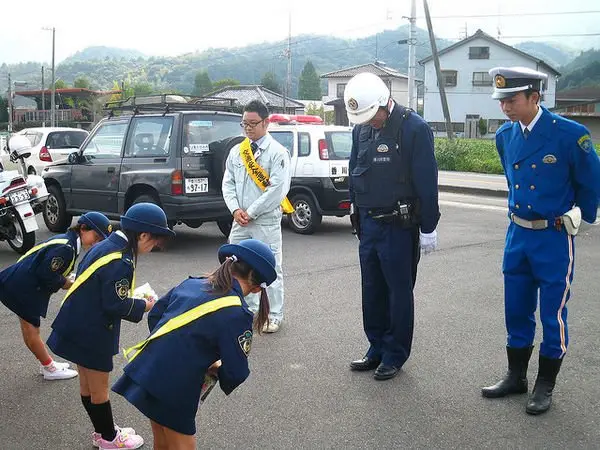
The Japanese language is quite interesting, full of formalities, dialects, and different ways of expressing oneself. So it’s easy to imagine that “domo arigato” is not the only way to thank someone.
In this article, we will learn more than 72 different ways to say thank you in Japanese, in addition to the deep and traditional meaning of “doumo arigato gozaimasu” [どうもありがとうございます].
“Domo arigato” in Japanese is written “doumou arigatou” [どうもありがとう], but the writing “domō arigatō” is not wrong, it is just a different type of romanization. This version is closer to the pronunciation.
I feel uncomfortable writing “domo arigato” in this article, since I am used to writing “doumo arigatou” and find it much more correct, but people tend to search on Google for “domo arigato,” which is closer to the pronunciation.
We also recommend reading:
- Romaji – The romanization of the Japanese language
- What does Doumo [どうも] really mean?
- What does Ohayou Gozaimasu really mean?
Table of Contents
The meaning of Domo Arigato Gozaimasu
We have already written an article discussing the meaning of “doumo.” In summary, it can mean no matter how, in any way, in all cases, for some reason, and things like that. In the case of “domo arigato,” the adverb “doumo” is used to express humility and convey the idea of a lot or very.
The word “arigatou” comes from the adjective “arigatai” [有難い] which means grateful, gratitude, or esteemed, and which gave rise to the adverbial conjugation “arigataku” [有り難く]. In reality, the origin is much more complex and follows this order:
ari + katashi → arigatashi → arigataku → arigatau → arigatō
In the past, the adjective “arigatai” was “arigatashi,” the combination of the words “ari” (infinitive of aru, the verb to be) and the adjective “katashi” [難し] which means difficult. Originally it means difficult to be, it is rare, it is special, or something worthy of being grateful.
The gozaimasu [ございます] that most often accompanies “domo arigato” is just a polite version of desu [です] and can be conjugated in the past with “arigatou gozaimashita” [ありがとうございました]. Its origin comes from the informal keigo “sourou” and “gozaru.”
In summary, apparently “domo arigato” conveys the idea of an invaluable gratitude, as if it were difficult for something to reward you for the deed, or difficult for someone like the grateful person to exist. Very different from thank you in Portuguese, which seems like the person was obliged to do something.
As already mentioned in another article, “doumo” [どうも] can mean thanks, a lot, really, mainly, somehow, despite, no matter how difficult, and it can also be a greeting like Hello and Goodbye.
“Domo” can be used as a greeting, which conveys a sense of appreciation. It is something you usually hear when entering or leaving an establishment. “Hai Domo” is often used for introductions and means Hello Everyone! Hai domo even became a meme on the internet due to Kizuna Ai.
We also recommend reading:
- The meaning of Desu and DA (です/だ) in Japanese
- Keigo – The formality in the Japanese language
- Yoroshiku Onegaishimasu, What does it mean?

Gozaimasu vs Gozaimashita
Simply saying “arigatou” [ありがとう] is an informal way of thanking. If you are thanking someone unknown, it is better to use the respectful form “arigatou gozaimasu” [ありがとうございます] in the present or “arigatou gozaimashita” [ありがとうございました] in the past. But how to know when to use each one?
We can use arigatou gozaimasu when we are thanking for something that is going to happen or is happening. On the other hand, arigatou gozaimashita is for something that has already happened in the past or has just happened.
There are no specific time rules for using each of them; sometimes you enter a store and hear arigatou gozaimashita, you might be confused, but the store owner is thanking you for entering the store and not for the purchase you are going to make. Similarly, there’s no problem saying arigatou gozaimasu after the purchase, but the correct thing is to use gozaimashita.

Completing the Arigatou
It is not only “gozaimasu” that is necessary in a formal thank you. We usually use “Doumo arigatou gozaimasu” [どうもありがとうございます] to thank someone for whom we want to show a lot of respect.
Sometimes it is normal for people to use just “doumo,” omitting “arigatou gozaimasu,” but this should only be used among friends, as it can be rude or confused with a greeting.
When we want to thank wholeheartedly, or we want to express “Thank you very much” or “I am really grateful,” we can use the word “hontouni” [本当に] before, which means really and truly.
When someone thanks you, you can respond by saying “dou itashimashite” [どう致しまして] which means you’re welcome, not at all, or my pleasure. You can also say “iie,” which gives the impression of “it was nothing” or “no need,” but it should be used informally according to the occasion, since it also means no.
Summarizing Domo Arigato Gozaimasu
With just these 3 words, we already have 10 different ways to say thank you, which are:
- Hontou ni arigatou gozaimasu
- Doumo arigatou gozaimasu
- Arigatou gozaimasu
- Doumo
- Arigatou
- Hontou ni arigatou
- Arigatou gozaimashita
- Doumo arigatou gozaimashita
- Hontou ni arigatou gozaimashita
- Verbs in T form + kurete arigato
The “kurete arigatou [くれてありがとう]” allows you to thank using a verb. For example, we can use “tetsudatte kurete arigatou” [手伝ってくれてありがとう] which means thank you for helping me [手伝う].
The kurete [くれて] is like saying “for” or thank you “for,” since the kurete indicates the giver, the one who does something for you. You can formalize the sentence even more by using gozaimasu [ございます].
You can use a noun + “arigato” to thank for things. If someone sends a message, you can say “messegi arigatou” [メッセージありがとう] and things like that.
Different Ways to Thank in Japanese
There are thousands of ways to thank in the Japanese language, many alternatives to arigatou gozaimasu. See below some of these ways:
Otsukaresama and Gokurosama – Thanking for Work
At Work, we use the expression “otsukaresama deshita” [お疲れ様でした] which means thank you for your work. Used to thank for your effort or work.
Another way is to use the expression “Goukurosama” [ご苦労様] which also means thank you for your hard work.

Sumimasen and Moushiwakenai – Apologizing
Using apologies like “Sumimasen” [すみません] can be interpreted as a thank you, like “sorry for you having to do this.”
Moushiwakenai [申し訳ない] – Means excuse me, but it can convey the idea of a big thank you for doing a certain thing.
We also recommend reading:
- The habit of apologizing in Japanese society
- What is the difference between Sumimasen and Gomennasai?
- 23 ways to apologize in Japanese

Thanking on Specific Occasions
Okagesamade [お陰様で] – Used to ask how we are. It can convey a sense of gratitude, like a thank God or thanks to you.
Kekkou [結構] indicates that it is already enough, that no more is needed. It can summarize a thank you, equivalent to the thanks we use when rejecting something. It can also indicate that something was wonderful and delicious.
Omataseshimashita [お待たせしました] Thank you for waiting, sorry for the delay;
Daijoubu [大丈夫] means all right, don’t worry, but it can be a “no thank you“, used to reject something.
Kanshashimasu [感謝します] a word that indicates gratitude and appreciation.
Gochisousamadeshita [御馳走様でした] – Used to thank for the food after meals.
Itadakimasu [いただきます] – Used before meals to thank for the food.

Thanking in Japanese on the Internet
Besides the traditional sankyu, on the internet, young people often write abbreviated and varied forms of arigatou which are:
- あざす。Azusu;
- ありー。Arii;
- あーと。Atto;
- 39 – Representation of sankyu;

Archaic Thank You in Japanese
katajikenai (忝い) – An old way of thanking that literally means grateful, a heartfelt thank you.
Osore irimasu [おそれいります] – A rarely used form nowadays, but it is used to thank customers. It can also highlight your incompetence and thank for some teaching.
Thank You in Japanese Derived from Other Languages
Some Japanese foreigners or those who have spent time abroad may end up using some slang or ways of thanking derived from other languages. See below:
- Sankyu [サンキュ] – From English Thank You;
- Merushii [メルシー] – From French Merci;
- Gurache [グラチェ] – From Italian Grazie;
Thank You in Different Dialects of Japanese
Other ways to say thank you in Japanese vary by regions and provinces. It’s worth noting that most of these ways are informal. Below we will leave a list of expressions used in each province:
| Province | Romaji | Japanese |
| Aichi | Katashikenea | 型しけねぁ |
| Akita | Arigatodanshi | ありがとだんし |
| Aomori | Oarinandogoshi | おありなんどごし |
| Chiba, Saitama | Sumaneene | すまねーね |
| Ehime, Shimane, Tottori | Dandan | だんだん |
| Fukui, Toyama, Ishikawa | Kinodokuna | 気の毒な |
| Fukui | Yorokobidegozaimashita | よろこびでございました |
| Fukuoka | Ranranookii | らんらんおーきー |
| Fukushima | Arigadonae | ありがどなえ |
| Gifu | Yoshitayo | よしたよ |
| Gunma | Gottuosandesu | ごっつぉさんです |
| Hiroshima | Arigatoogozanshita | ありがとーござんした |
| Hokkaido | Arigadoosan | ありがどーさん |
| Hyogo | Ookiniarigatohan | おーきにありがとはん |
| Ibaraki | Arigadogozansu | ありがどござんす |
| Iwate | Oarigadogansu | おありがどがんす |
| Kagawa | Okamaina | おかまいな |
| Kagoshima | Okamaina | おかまいな |
| Kochi | Tamarumonkanoo | たまるもんかのー |
| Kumamoto | Choojyoo | ちょーじょー |
| Kyoto | Ookinisunmahen | おーきにすんまへん |
| Mie | Ookinna | おーきんな |
| Miyagi | Arigadogozarisuta | ありがどござりすた |
| Miyazaki | Okkin | おっきん |
| Nagano | Ogottsuama | おごっつあま |
| Nagasaki | Kataigenagozatsutazo | かたいげなござったぞ |
| Nara | Ookiniyoo | おーきによー |
| Niigata | Ogottsuosandesu | おごっつぉさんです |
| Oita | Ookeniranran | おーけにらんらん |
| Okinawa | Niheedeebiru | にへーでーびる |
| Osaka | Ookini | おーきに |
| Saga | Ookiin | おーきーん |
| Shiga | Gottuosandesu | ごっつぉさんです |
| Shiga | Sunmahendoshita | すんまへんどした |
| Shizuoka | Wariittsukene | わりーっけね |
| Tochigi | Arigadoogozeemasu | ありがどーごぜーます |
| Tokyo, Kanagawa, Tokushima and others. | Arigatou | ありがとう |
| Wakayama | Ookiniwariyoo | おーきにわりよー |
| Yamagata | Oshooshina | おしょーしな |
| Yamaguchi | Arigatoogozarimashita | ありがとーござりました |
| Yamanashi | Arigatoogoisu | ありがとーごいす |
Videos about Arigatou Gozaimasu
I hope you enjoyed this article discussing the meaning of “domo arigato” in depth and presenting 72 different ways to say thank you in Japanese. If you liked it, share and leave your comments. Thank you very much!
To conclude the article, we will leave some complementary videos:
Leave a Reply