

In this article, we will be teaching some basic phrases, expressions, and words in the Japanese language. It is a basic of the Japanese language that you can use during your daily life with your Japanese friends or on your trips to Japan.
The Japanese language is considered by some to be a difficult language, but with the right methodology, you can shorten your path and master it in less time. In this text, we will present structures that will save you during your trips to Japan, conversations with Japanese people, and in various contexts where you need to speak or ask for something, going deep into the meaning of each of these useful expressions.
Contents 16
Greetings, salutations, and farewells
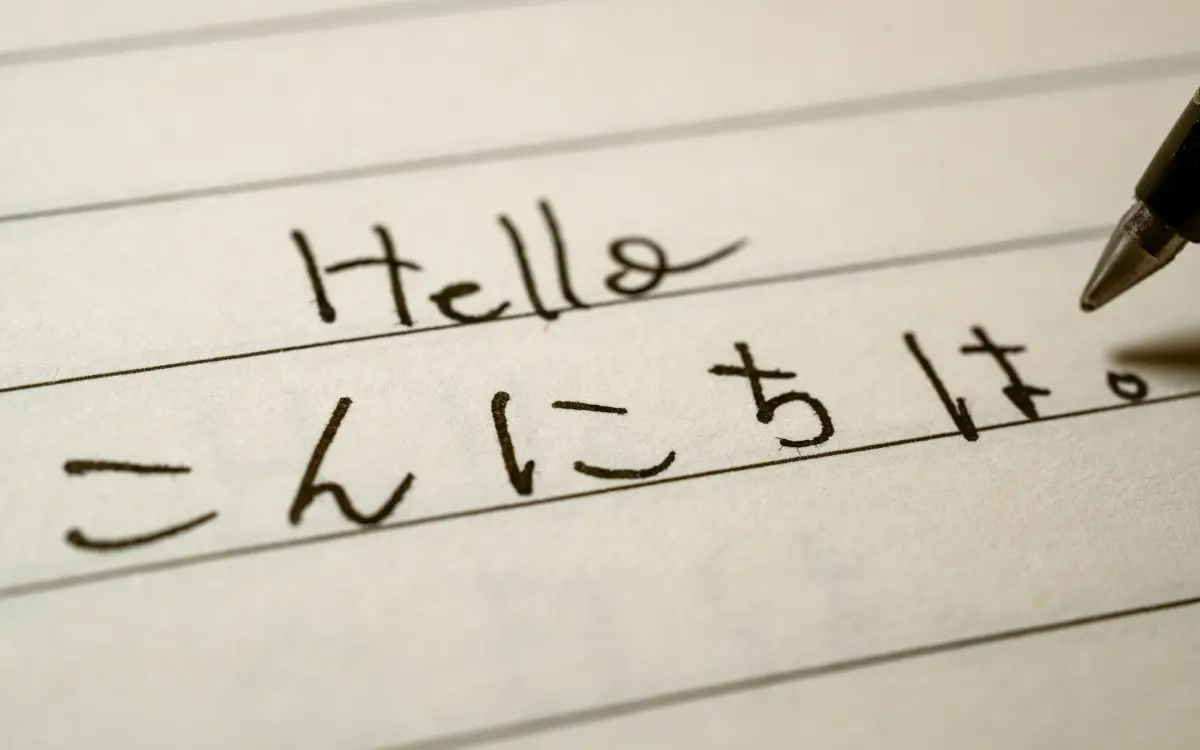
Kon'nichiwa - こんにちは
The famous "Hello" or "Good afternoon," this expression is used when you just meet someone, usually in the afternoon. This term does not exactly mean good afternoon; it is more like a "Hello" that is specifically used during the afternoon period.
Ohayougozaimasu - おはようございます
The famous "Good morning." in more formal situations. Also used as; Ohayou - おはよう, in more casual contexts, such as between friends and acquaintances. This expression is exclusively for the morning period. In even more casual contexts, you may find it being used as Ohaa - おは〜, however, this style of speech is exclusive to young Japanese people.
Kon'banwa こんばんは and Oyasuminasai - おやすみなさい
As the evening approaches, what do the Japanese say at these moments? They use the famous Kon'banwa こんばんは, this expression is used when meeting other people at night. When saying goodbye to someone who is going to sleep, Oyasuminasai - おやすみなさい is used.
Mata ato de ne また後でね or Sayounara - さようなら
The mata ato de ne is a casual way to say goodbye to others, literally meaning "We'll meet again later, okay?!" The famous Sayoonara has the sound of "o" elongated. It means goodbye, see you someday; it is a way to say goodbye when you already know it may take a long time to see that person again.
Hisashiburi 久しぶり or Hisashiburi dana 久しぶりだな
After a long time has passed since you last met someone, it is natural to say Hisashiburi, which is precisely the "long time no see?!" that we usually use in Portuguese. The difference between it and Hisashiburi dana - 久しぶりだな, is that Hisashiburi dana - 久しぶりだな, uses "dana - だな" which would mean "isn't it?!"
Thanks
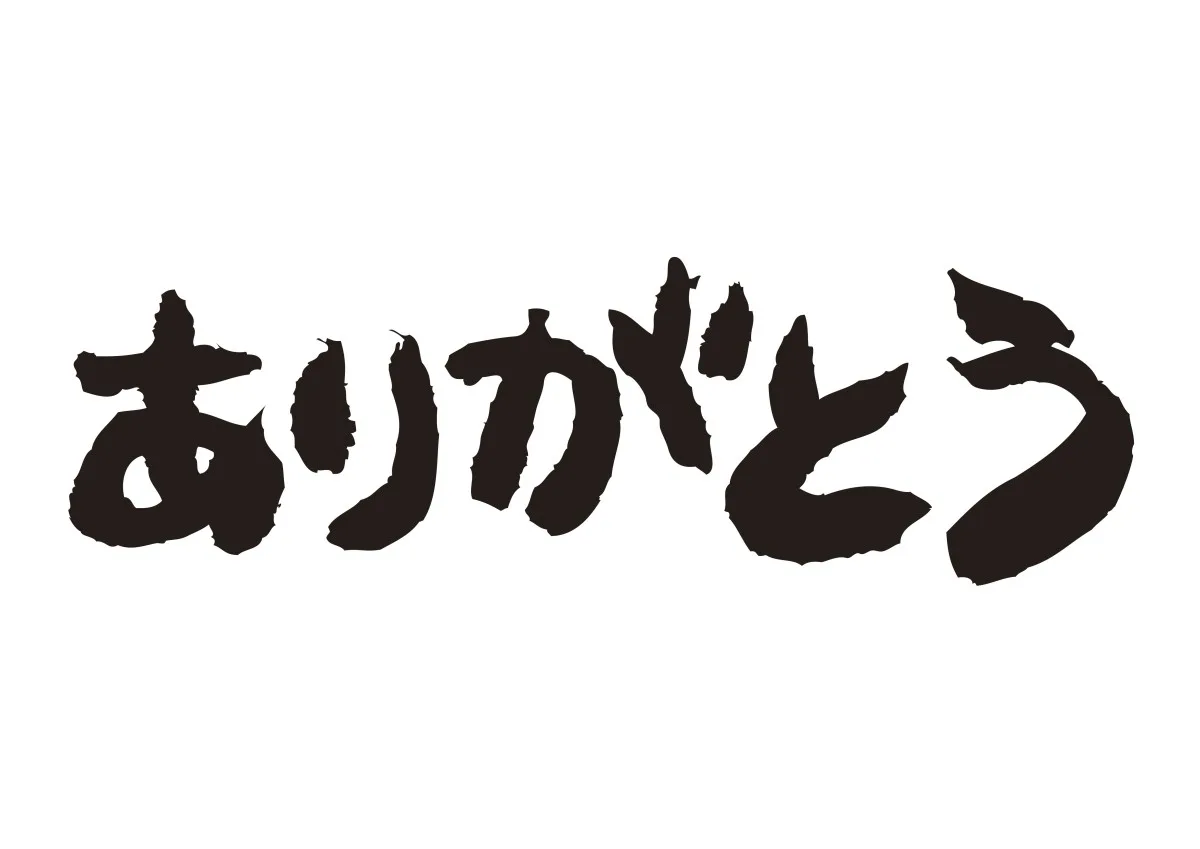
Arigatou - ありがとう or Arigatougozaimasu - ありがとうございます
They are the famous thank you, which everyone knows, however, the difference between the two is one of formality. Arigatou, which has the sound of "o" elongated, becoming "arigatoo," is a very casual way, meaning it will be used among friends and acquaintances or intimate people.
On the other hand, Arigatou-gozaimasu is a more polite way to say "thank you," and the level of gratitude and courtesy can increase, with expressions like;
Makoto ni arigatou gozaimasu - 誠にありがとうございます
Carrying a greater sense of gratitude and in a more respectful manner.
Doumo - どうも
Shifting to a more intimate and casual context, we have doumo, pronounced as "doomo," again with the elongated "o," meaning "thank you," just like the other expressions, what changes is that it is even more casual. It originates from
Doumo arigatou gozaimasu - どうもありがとうございます
Which is indeed a more polite way, utilizing the very doumo.

Requests and solicitations
Onegaishimasu - お願いします or Kudasai - ください
Onegaishimasu is the "please" in a tone of elevated politeness and respect. You can say, for example.
Menyuu o onegaishimasu - メニューをお願いします " The menu please".
The onegaishimasu also carries a sense of desire in general, such as: a hope for the future, a prayer, and among others.
Kudasai implies a direct request to a person; it conveys a more objective desire. For example, imagine yourself in a store and you find what you want, you can say;
Kore o kudasai - これをください "This please."
Thus, as explained, kudasai focuses essentially only on making the request.
If we delve into slightly more advanced grammar topics, you will discover that Kudasai ください can be linked to verbs. Partially changing the meaning of that verb, giving, so to speak, a new characteristic to it. For example:
O misete kudasai - お見せてください
Show me please. "o mise お見せ" originally comes from "omiseru お見せる" which means to show. To include a request construction in this verb, it will be transformed into "misetekudasai - 見せてください" which is precisely "show me please."
It may seem complicated at first, but as you read and listen, this construction becomes clearer to you. Never forget, it’s all about habit; that’s how we learned Portuguese too, by repeatedly seeing the same thing.
- Mitekudasai 見てください - See please.
- Tabetekudasai 食べてください - Eat please.
- Kiitekudasai 聞いてください - Listen please.
- Mattekudasai 待ってください - Wait please.
Finally, remember to write down and review everything you learned here, so you can use it when you need it. If you are interested in learning Japanese more deeply, with video lessons where we teach the basics of the Japanese language and also through Japanese media, that is: animes, mangas, dramas, and music. Access the link below!
Online Japanese Course - Suki Desu - Complete and Accessible (skdesu.com)


Community
Comments
0 comments
There are no published comments in this language yet.
Send comment