
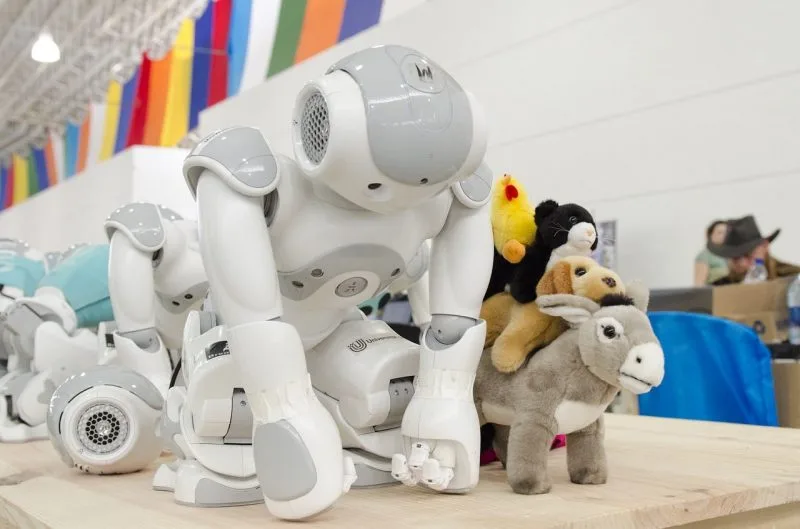
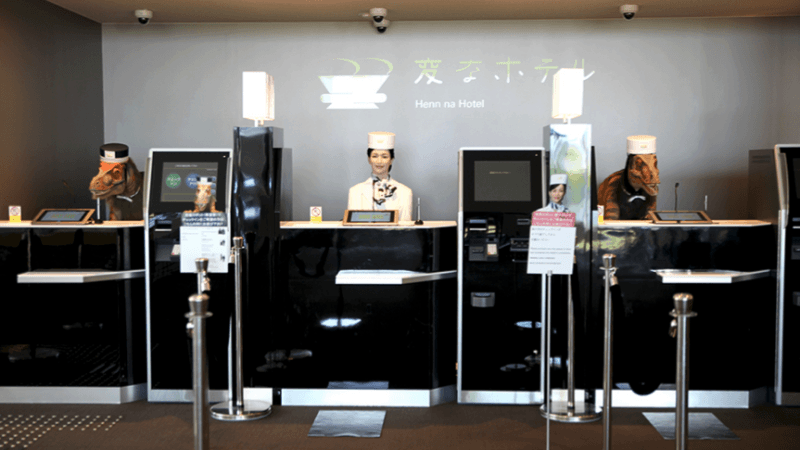
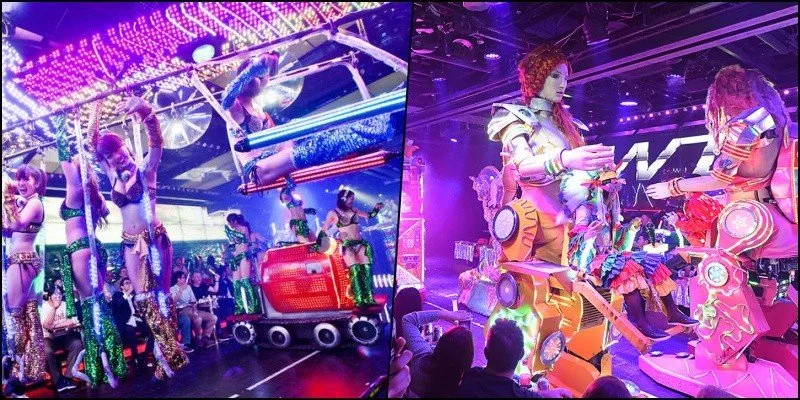
When thinking about Japan, many people imagine an ultra-modern wonderland filled with humanoid robots, neon-drenched skyscrapers, and futuristic automation at every corner. International media frequently reinforces this image of an impeccably engineered society living decades ahead of the rest of the world. Is daily life in Japan really like that? When stepping outside the bright commercial districts, visitors quickly discover a fascinating contrast between high-tech convenience and deeply rooted analog customs.
Japan certainly excels at simplifying everyday routines. Thoughtfully designed convenience stores, seamless escalators in busy train stations, and exceptionally reliable public services make urban life remarkably smooth. Everything functions with remarkable precision and punctuality.
Yet technology is not distributed evenly across all aspects of Japanese society. Alongside brilliant feats of engineering, many offices, government counters, and local businesses continue to rely on traditional, low-tech methods that have remained unchanged for decades.
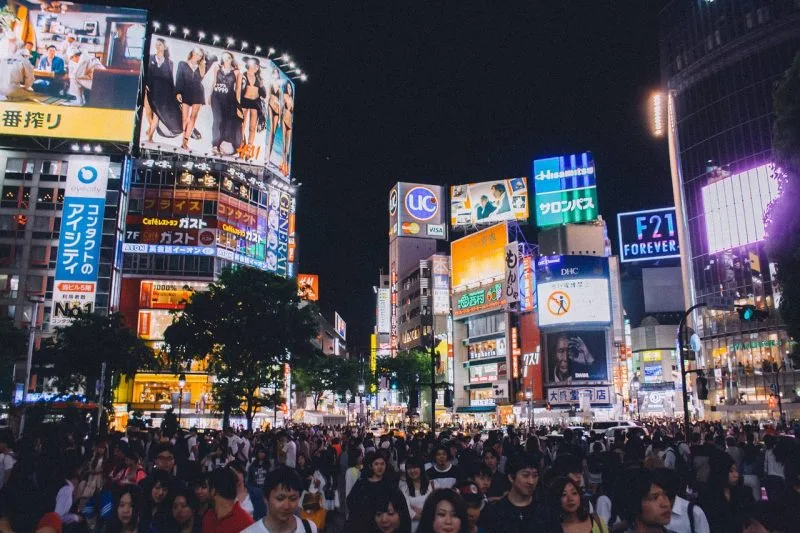
Rather than adopting every new software trend, Japanese society frequently chooses physical paper, in-person verification, and specialized hardware over purely digital workflows. Understanding this balance reveals how tradition and modern innovation interact across the country.
Contents 4
Where Japanese technology truly impresses the world
The reputation of Japan for technological excellence is well deserved. Foreign travelers are consistently amazed by the automated details woven into public infrastructure. High-speed trains such as the Shinkansen operate with to-the-second punctuality, automated vending machines dispense hot and cold drinks on nearly every corner, and automated washlet toilets offer heated seats, precision cleansing sprays, and discreet sound masking.
In global manufacturing, Japanese industry occupies an indispensable position. Major domestic corporations produce specialized semiconductor materials, precision camera sensors, and critical electronic components required to build smartphones and electric vehicles around the globe. Japanese engineering shines brightest in hardware reliability, material science, and mechanical precision.

Following the economic asset bubble collapse of the 1990s, Japan experienced slower growth in software development and consumer digital platforms. While Silicon Valley surged ahead in cloud software and social media, Japanese industrial leaders focused on refining specialized manufacturing niches, robotics, and durable industrial equipment.
Japan also remains the undisputed home of useless inventions, famously known as chindogu, where ingeniously crafted gadgets solve everyday dilemmas in delightfully impractical ways.
Everyday areas where analog habits persist
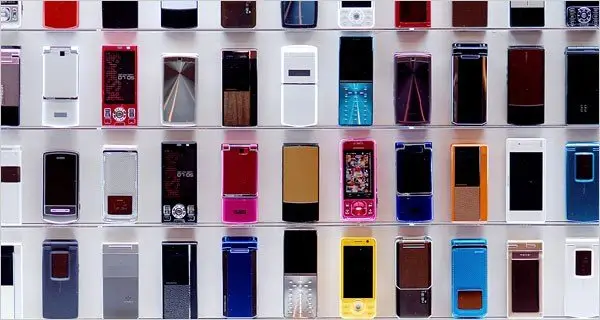
One of the most surprising realities for newcomers is the enduring presence of older devices. For many years, millions of Japanese users continued using compact clamshell flip phones, known locally as garakei, even as smartphones swept the globe. Many individuals still appreciate these specialized phones for their physical keypads, exceptional battery life, and straightforward utility without the distractions of complex mobile apps.
A similar preference applies to payments. Although Japan pioneered contactless transit cards like Suica and Pasmo early on, the country remained predominantly cash-based for a very long time. Because public safety is extraordinarily high, carrying large sums of physical currency presents virtually no security risk. While walking around with pockets full of coins requires patience at the register, physical bank notes and coinage continue to command immense social trust.
Physical media also retains a loyal audience. Music CDs, rental stores, and printed forms continue to thrive alongside digital streaming and cloud storage. Utility bills for electricity, gas, or water are frequently paid in cash at the counter of a neighborhood convenience store rather than through automatic online debit systems.
Traditional banking reflects this same conservatism. Many automated teller machines at regional banks historically maintained limited evening hours or charged fees for weekend withdrawals. While modern banking applications are expanding steadily, electronic financial tools long faced bureaucratic caution and consumer hesitation.
Why paper, fax machines, and traditional workflows remain strong
Visitors browsing Japanese websites often observe how dense, text-heavy, and informational their layouts appear. Many web portals still feature interfaces reminiscent of mid-2000s blogs. Japanese consumers generally place high value on comprehensive product specifications, detailed customer reviews, and thorough disclosures before making any purchasing decision, favoring clarity over minimalist design.

In professional workplaces, physical paperwork remains central to daily operations. Numerous administrative procedures, corporate contracts, and official filings still require a personal name stamp, known as a hanko. For decades, physical documentation and fax transmissions were considered far more reliable than digital attachments, providing tangible proof of delivery and protecting against server disruptions.
Inside offices, this emphasis on physical verification often meant that documents had to be printed out, reviewed in person, and stamped by several layers of management. Even standardized language examinations like the JLPT and formal administrative certifications maintained paper-based procedures long after other nations moved entirely to online portals.

This commitment to proven systems also explains why certain corporate computer networks took years to upgrade their operating systems. The prevailing corporate attitude often prioritized operational stability: if an existing computer setup functioned without interruption or security failures, managers saw little reason to introduce the risks of unproven software upgrades.
Understanding the technological contrast in Japanese society
The coexistence of cutting-edge robotics and traditional paper routines stems from two main realities: changing demographics and a deep cultural respect for proven methods. Japan possesses one of the oldest populations in the world. To ensure that elderly citizens are never excluded from essential municipal services, healthcare, or retail transactions, public institutions deliberately preserve accessible analog channels.
Furthermore, Japanese culture emphasizes craftsmanship, reliability, and social harmony. If an existing mechanical system or personal customer service counter works reliably, there is little social urgency to replace it with automated software that might confuse users or introduce unexpected errors. Innovation is embraced wholeheartedly when it addresses an urgent societal need, such as earthquake-resistant architecture, high-speed rail safety, and healthcare robotics.

In recent years, the Japanese government has accelerated digital transformation through initiatives led by its Digital Agency, systematically removing outdated regulatory requirements and encouraging paperless administrative procedures. Even so, Japan will never become a purely cold, automated landscape. The enduring appeal of the country lies in this very balance: world-class engineering and advanced infrastructure living side by side with human warmth, careful craftsmanship, and deep respect for traditions that stand the test of time.



Community
Comments
0 comments
There are no published comments in this language yet.
Send comment