
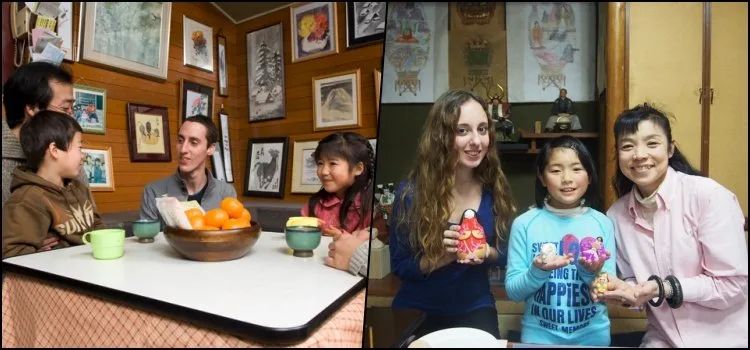
The most revealing part of a trip to Japan can happen after the trains stop running for the day: sitting at a family table, trying to follow the conversation, and realizing that everyday routines tell you more than a long list of attractions. A homestay in Japan lets you stay in a private home as a guest, student or traveler instead of checking into a hotel. What that stay includes, however, depends on the household and the arrangement you make before you arrive.
That is the point worth getting right. A host family is not a hotel with extra culture attached, and it is not automatically a private tour guide. It is a chance to share part of someone else's routine with care, curiosity and clear expectations. Once those expectations are settled, the small moments—meals, a neighborhood walk, a conversation over tea—can become the part of the trip you remember most.
Contents 8
What a homestay in Japan is—and what it is not
In a homestay, you live in a host family's home for a short or longer period. Some arrangements are connected to language schools, exchange programs or specialist providers; others come through friends, study networks or personal contacts. The room, meals, length of stay, transport and level of family interaction can differ widely.
That variety is useful, but it means you should not assume that every homestay includes breakfast and dinner, a private bedroom, airport pickup or a family member who is free every evening. A good listing or coordinator should make the basic arrangement clear. If it does not, ask before you pay or commit.
What to confirm before you book
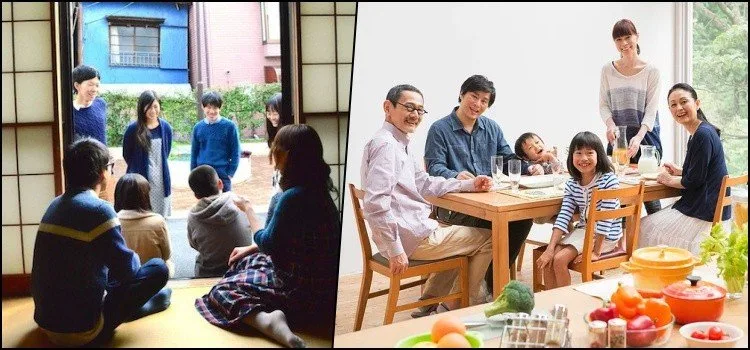
The room matters, but daily life matters more. Before choosing a host family in Japan, make a short list of questions that will affect your comfort and the family's routine:
- Meals: Which meals are included, at what time are they usually served, and can the household accommodate allergies, religious restrictions or foods you cannot eat?
- Commute: How long does it take to reach your school, workplace or the station at the time you will actually travel?
- Household schedule: Is there a preferred arrival time at night? Are there quiet hours? Does the family expect a message if you will be late?
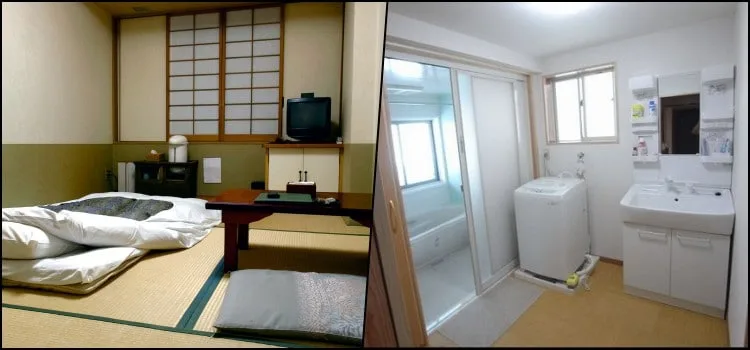
- Room and laundry: Will you have a private room, a futon in a shared space or another arrangement? How is laundry handled?
- Internet and bathroom: Is Wi-Fi available, and are there times when the bathroom is especially busy?
- Money and cancellation: Ask for the total cost, what it covers, how payment works and what happens if plans change. Prices and policies vary, so an old bargain found online is not a reliable budget.
These questions are not rude. They make it easier for both sides to decide whether the match works. They also prevent a common disappointment: choosing a family because the profile sounds warm, then discovering that the commute or evening schedule makes the stay stressful.
Arriving well: a small gift and a clear conversation
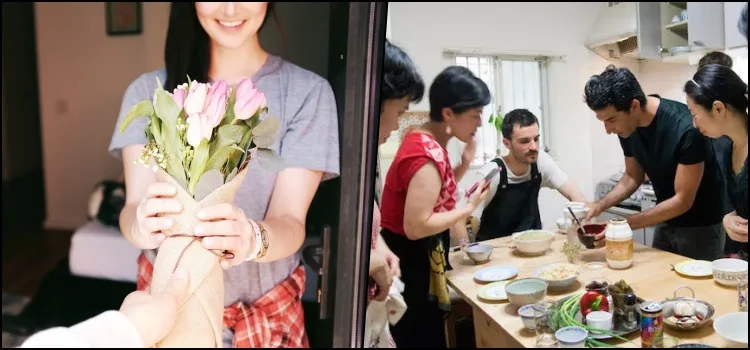
When you visit someone's home in Japan, a modest omiyage is a thoughtful way to arrive. It does not need to be expensive. Sweets from your hometown, a small local souvenir or something easy to share is usually more appropriate than an extravagant present. The gesture says that you understand you are entering a home, not simply collecting a room key.
The first evening is also the best time to clarify practical things that may not have appeared in the booking details. Ask where to put your luggage, how to separate rubbish, whether you should lock the door, when breakfast usually happens and how the family prefers to communicate. A simple question is better than silently guessing and creating work for everyone.
House rules that are easier when you notice them early
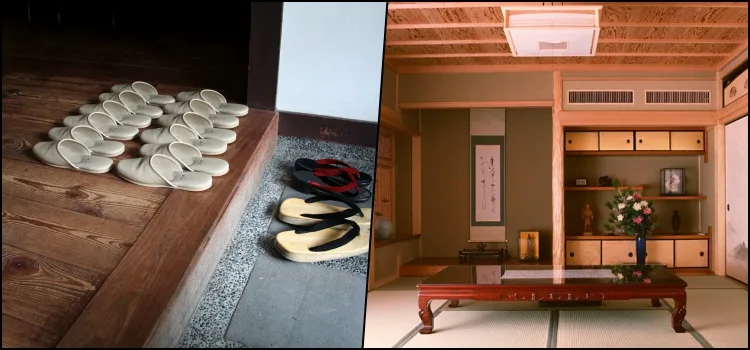
You do not need to perform perfect etiquette from the doorway. You do need to pay attention. Shoes are normally removed at the entrance, and many homes provide indoor slippers. Those slippers usually stay outside a tatami room; bathrooms may have a separate pair. Watching where the family places its footwear is often clearer than memorizing a rule in advance.
Bathing is another routine to ask about rather than assume. In many homes, people wash their body before using the tub, and the household may have an order or time for bathing. The point is consideration for the next person, not a test you are expected to pass alone.
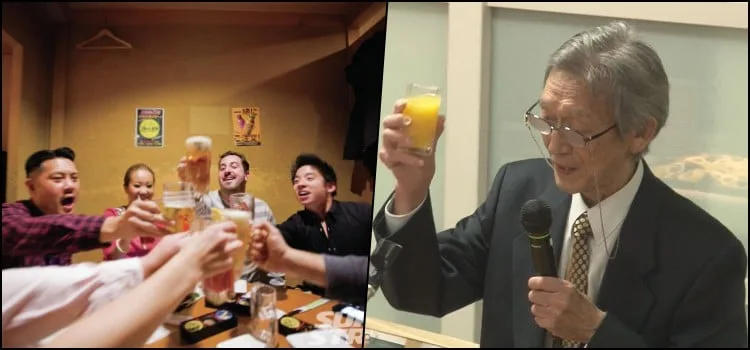
Meals bring similar small decisions. Saying itadakimasu before eating is a natural habit to learn, but manners are not limited to one word. Observe how the family serves shared dishes, wait when someone is explaining the meal, and ask if you are unsure how to use something. If chopsticks are part of the meal, this guide to using hashi covers the basics without turning dinner into an exam.
Do not expect a host family to fill every hour
Some families enjoy showing guests their town, taking them to a restaurant or inviting them on a weekend outing. Others are balancing work, school, childcare and their own commitments. Neither style is a failure. The value of a homestay is often the ordinary contact: hearing how a family plans dinner, learning a neighborhood route or being included in a conversation that would never happen in a hotel lobby.
If you want time together, say so respectfully before the stay or when you arrive. If you also need independence, say that too. The best arrangement is not the busiest one; it is the one where expectations match the household's actual life.
What I learned while staying in friends' homes
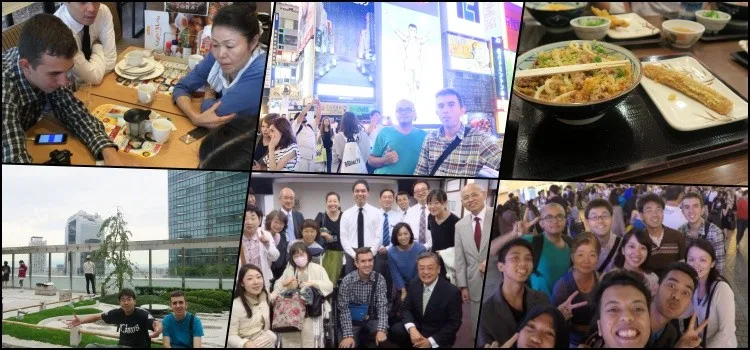
During my 2016 trip to Japan, I stayed in five friends' homes without paying for a formal homestay. That is not the same arrangement as booking with a host family, but it taught me the part of home stays that brochures cannot promise: every household has its own rhythm.
One of my first stays was with a Brazilian family in Japan. Their house was large, with two floors and a double bed for me—an immediate reminder that the stereotype of every Japanese home being tiny is not very useful. They took me to KFC, Costco and a Chinese restaurant, but what stayed with me was not the itinerary. It was being folded into a normal day.
In Hamamatsu, another Brazilian host took me to yakiniku and an onsen. Later, two families in Osaka hosted me for almost a week and showed me different parts of the city. I also slept on a futon, folded it away in the morning and noticed how some people kept waving until I was out of sight. That small goodbye felt warmer than any polished travel slogan.
Will a homestay help you learn Japanese?
It can, especially because you hear language tied to real tasks: dinner, directions, shopping, weather and plans for tomorrow. But a host family cannot replace studying, and fluency does not appear just because you share an address. The benefit comes when you stay curious, ask simple questions, try the phrases you know and accept that silence is sometimes part of a normal evening.
Even limited Japanese is not a reason to avoid a homestay. A phone, a notebook and patience can cover a lot. More important is being honest about your level and willing to communicate when you do not understand something.
Is a homestay in Japan right for you?
A homestay suits travelers and students who want daily contact with local life and can adapt to another household's rhythm. It may be less comfortable for someone who needs complete privacy, wants to return at any hour without notice or expects every meal and excursion to be arranged for them.
The best question is not whether a homestay is more authentic than a hotel. Ask whether you are ready to share a home thoughtfully. Choose a family whose practical conditions work for you, arrive with a little curiosity and a clear conversation, and the cultural exchange has room to happen naturally.




Community
Comments
0 comments
There are no published comments in this language yet.
Send comment