
Have you ever wondered what an apartment in Japan is actually like? Are Japanese apartments really as small as shown on TV, or is that another stereotype created by Westerners? How big are they, and what features do they tend to have?
In this article we'll take a closer look at Japanese apartments – called apaato [アパート] – and at their most distinctive features. I hope you enjoy this short overview.
Contents 3
Are apartments in Japan really small?
Before we start, it's worth saying that there are countless kinds of apartments in Japan, ranging from tiny studios to enormous units that take up an entire floor of a building. Everything depends on budget and location.
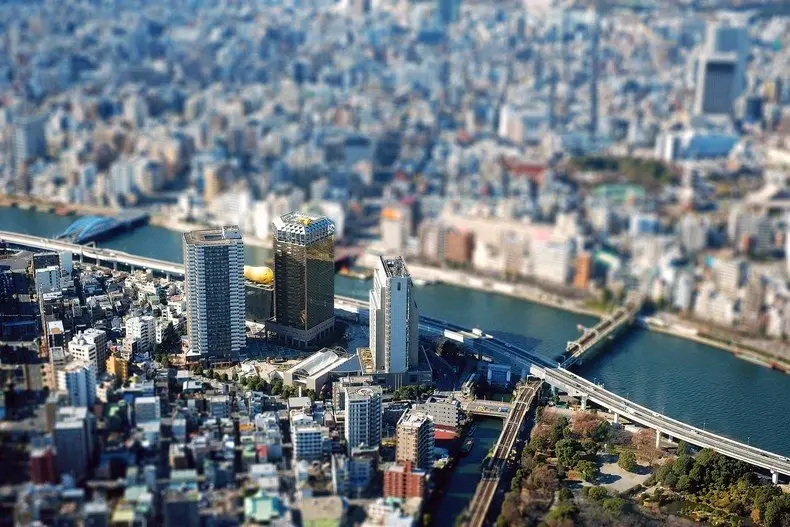
The Tokyo metropolitan area is home to roughly 30 million people, which makes the existence of tiny apartments perfectly logical. In smaller towns and other prefectures, however, apartments can be considerably larger and even exceed Western standards.
There are many variables at play. As you read on, you'll see why many people actively choose small apartments over larger houses or units.
The fact is that Japan is not short on space: 80 percent of the country is made up of forests and mountains, and only about 8 percent of the population lives in rural areas. That shows that the Japanese choose to live close together on purpose.
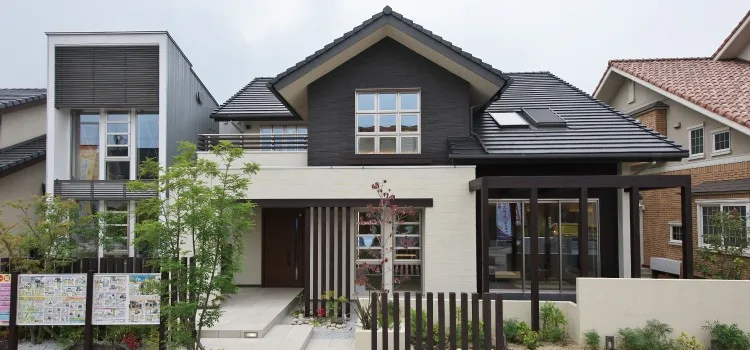
If you'd like to dig deeper into the size of Japanese homes, check out our article that answers the question: Are Japanese houses really small?
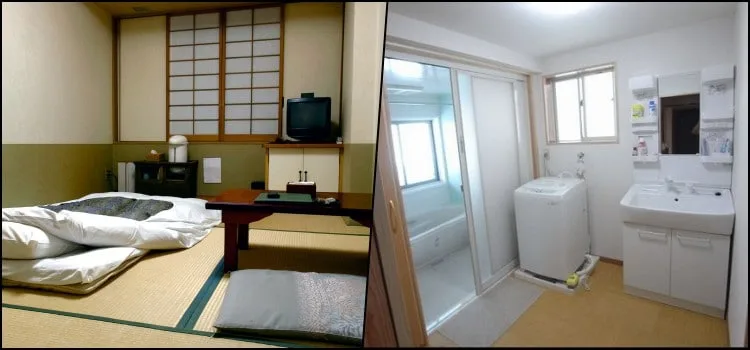
Defining features of a Japanese apartment
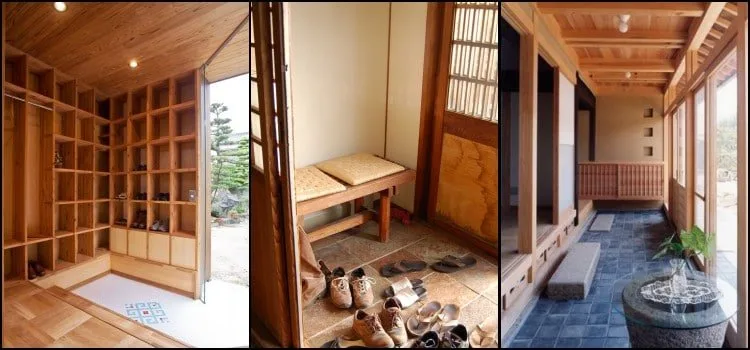
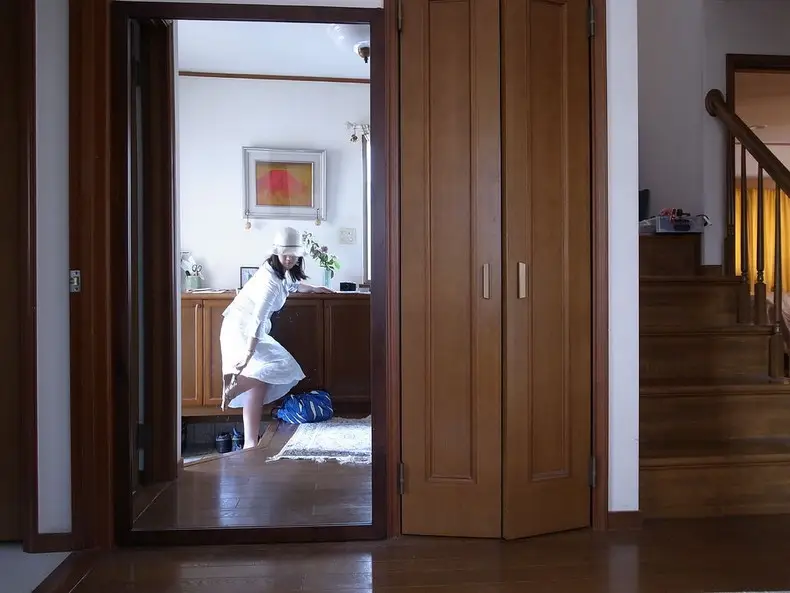
The first thing you notice when stepping into a Japanese apartment is the genkan, the small entryway where you have to take off your shoes before going inside. Tenants typically keep all of their shoes and sneakers in a small closet right next to the genkan.
Bathrooms are usually split, with the toilet in a separate room from the bath, and most units come with a bathtub (ofuro). Only the very smallest apartments combine the toilet and the bathtub into a single room.
One thing that surprises foreigners is the size of the kitchen – about 4 m² on average. It is normal for there to be no dining table in the kitchen; the space is used only for cooking, and stoves usually have just two burners.
Is having a small kitchen in Japan a problem? Sometimes it is actually cheaper and more convenient to eat out, and some people don't use the kitchen at all. Japan is full of restaurants, and traditionally Japanese people meet outside for a snack rather than hosting guests at home.
Japanese apartments are usually measured in tatami. A typical Japanese living room or bedroom runs between six and eight tatami mats, roughly 10 m². Although beds are common today, it is traditional to sleep on a futon in Japanese homes.
Visitors are usually hosted in the living room, which often has a sliding door so that it can be closed off and turned into a guest room. Of course, that's not an option in a one-room apartment.
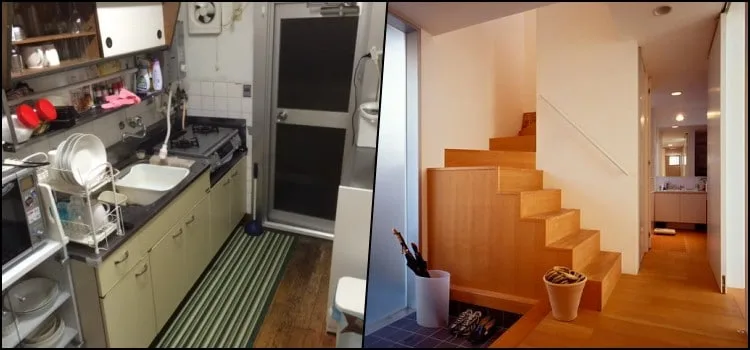
Worth mentioning is the technology built into these apartments: most have heated water at every faucet, and air conditioning or other climate-control systems are standard.
Many apartments also have built-in closets and sliding doors. Sliding doors make it easy to separate rooms, or even to hide built-in storage.
The size of Japanese apartments
Have you ever wondered why Japanese people tend to like small apartments? Most Japanese work and don't eat at home – a large chunk of their lives is spent outside.
Everything in Japan is designed to make life easy, so there's no real need to cook or even do laundry at home. Coin laundries, convenience stores and cheap restaurants are everywhere.
Huge apartments do exist, but many Japanese actually prefer the smaller ones precisely because they're easier to manage. It's not part of the culture to pay a maid to clean the house; having a large apartment would only make life harder for a working housewife.
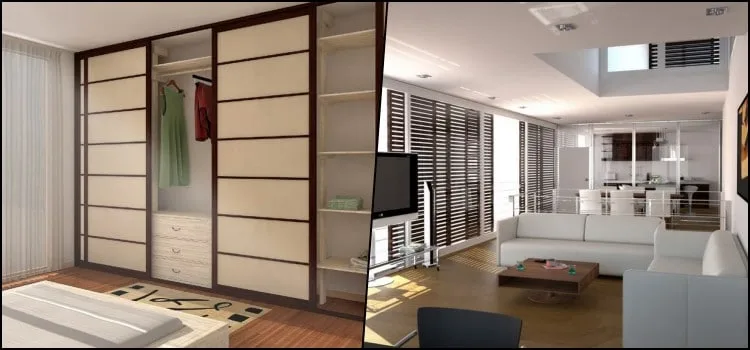
Rental prices depend on location and size. There are plenty of Tokyo apartments of around 23 m² – or even 19 m² – in the ¥100,000 per month range.
If you shop around, you can easily find places over 60 m² starting at ¥150,000 per month, and these can climb up to ¥300,000 depending on the area. Tokyo does have apartments over 200 m², but their rent exceeds one million yen a month.
Outside Tokyo, you can easily find apartments over 60 m² for less than ¥100,000 per month. If you are single, you can find tiny studios for as little as ¥25,000. That's another factor behind the existence of small apartments: a large share of the Japanese population is single.
Sometimes renting in Japan can be cheaper and give you more space than renting in Brazil. In one search I came across apartments around 1,500 reais for about 50 m², while in Japan you can find places of that size for the same price range – or cheaper. And Japanese salaries are often seven times higher than Brazilian ones. That's why, in some cases, renting in Japan makes more sense than buying.
What do you think of Japanese apartments? Have you ever had the chance to live in one? We'd love to hear about your experience!

Community
Comments
0 comments
There are no published comments in this language yet.
Send comment