
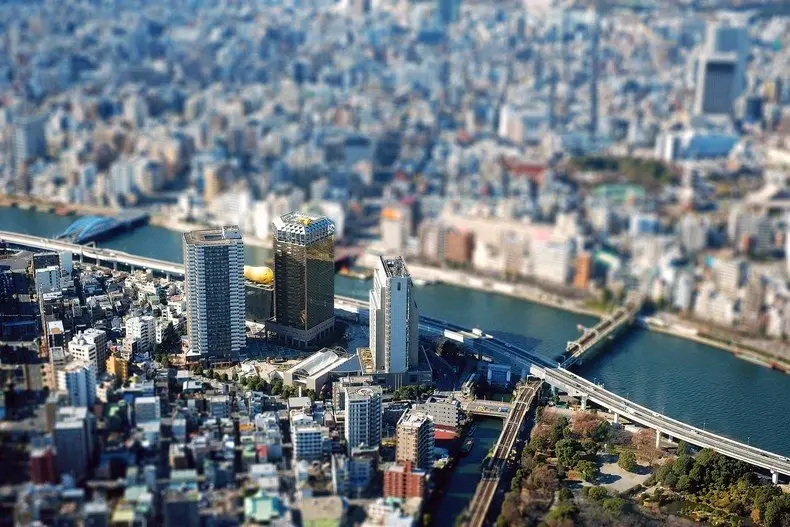
Foreigners often decide Japanese homes are tiny after one TV clip of a closet-sized Tokyo room. That image is real in crowded centers — and wildly incomplete once you leave the densest neighborhoods.
Japan has room for multi-story houses, quiet suburban lots, and tiny studio apartments built for a busy life with cheap restaurants nearby. The real question is not only size: it is location, rent versus ownership, and whether buying fits how you actually live.
Contents 4
What are houses in Japan like?
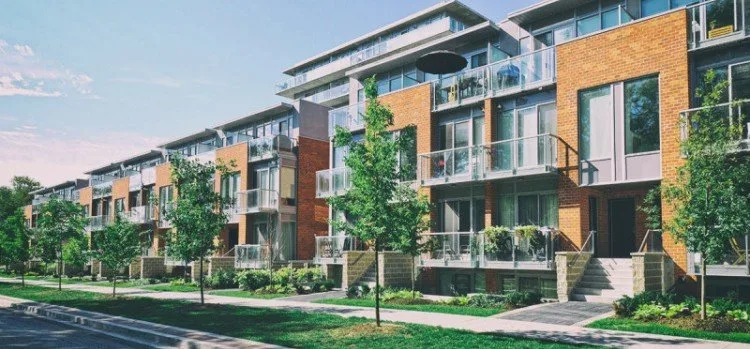
A common misconception is that every Japanese home is extremely small. Central Tokyo apartments can be expensive to rent or buy, and some units are tight. Outside the densest cores, the picture changes.
In many regions you can still find relatively affordable houses; some rural programs have even offered land or homes with strong incentives when depopulation is the problem. Overcrowding is concentrated where most people choose to live and work — not a national shortage of square meters.
So the idea that Japan has no space and everyone lives crushed together is simply wrong. Plenty of people, including many Japanese, also see little need for a huge house that demands endless cleaning.
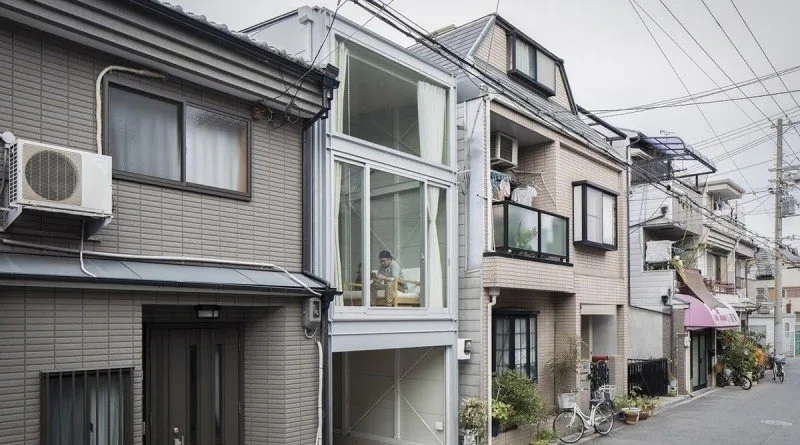
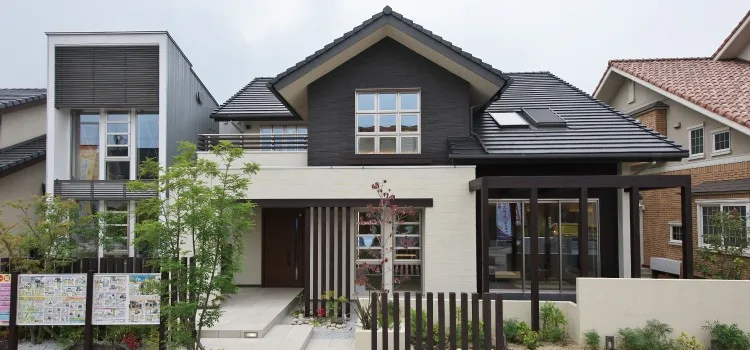
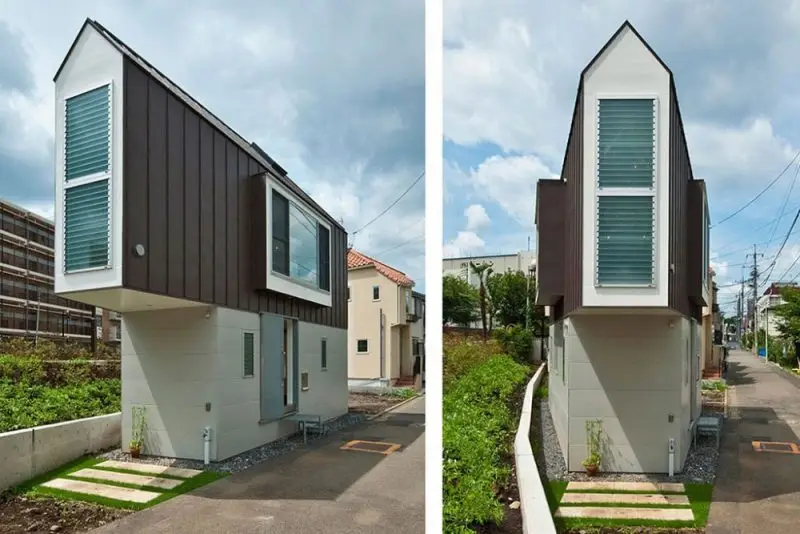
Most houses sit roughly between 40 m² and 90 m², but you will also see large homes around 200 m² and tiny apartments near 20 m² in cities like Tokyo. Floor area can look modest until you notice two stories and layout choices Western homes often skip.
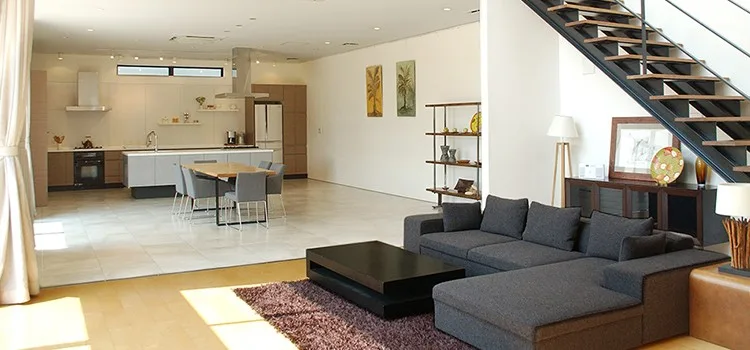
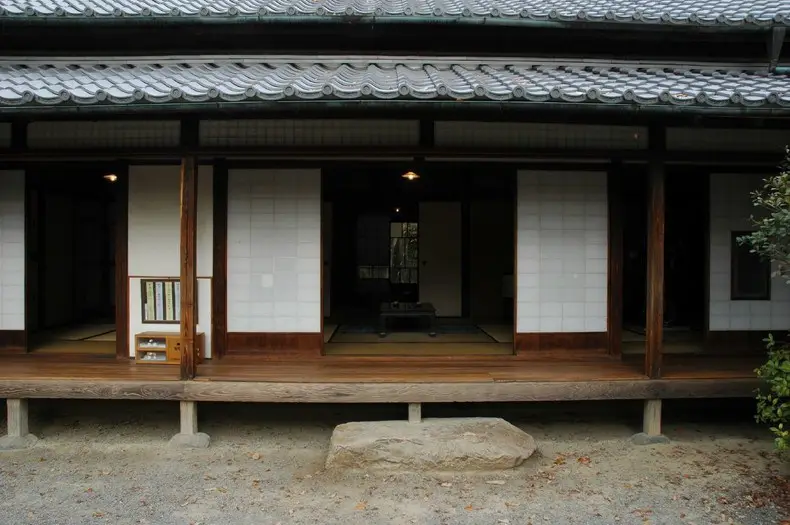
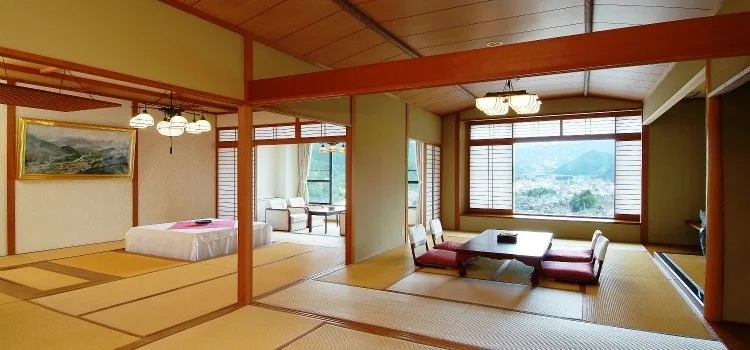
Common comforts include an ofuro (deep bathtub), a toilet area separate from the bathing room, air conditioning, sliding doors, and tatami rooms — among other classic features of Japanese houses. Compact does not mean useless; many layouts pack a lot of daily function into a small footprint.
If you buy a plot of land, building a house typically takes about four to six months once construction starts. Builders usually offer standardized plans or more customized projects, depending on budget and municipality rules.
How much does a house or apartment cost in Japan?
Price is highly relative. Some regional houses list for only a few million yen; in prime urban areas the same square meters can jump into tens or hundreds of millions of yen. Because salaries, taxes, and career paths differ, many people rent for years rather than buy early.
Is a house in Japan always expensive? Not always. The useful comparison is against local wages and local yen prices — not a conversion into your home currency that ignores rent, commute, and how Japanese households actually spend. For a wider cost context, see our guide on the cost of living in Japan.
Listing examples below are illustrative (yen only). Areas are approximate, and older listings may need renovation. Square meters refer to the building floor area, not the full land plot; the examples assume a bath and a separate toilet area.
| Price (yen) | Size (m²) | Location | Notes |
|---|---|---|---|
| 198,000,000 | 400 | Osaka | 5 stories, 6 rooms |
| 61,800,000 | 256 | Kanagawa | 2 stories, 6 rooms |
| 34,800,000 | 122 | Chiba | 2 stories, 3 rooms |
| 23,800,000 | 63 | Tachikawa, Tokyo | 2 stories, 3 rooms (2012-era listing) |
| 6,000,000 | 87 | Gifu | 2 stories, 4 rooms |
Some of those regional prices look modest until you check condition, commute, and resale. None of the examples above is automatically “tiny” in the way TV tropes suggest. Owning also means taxes, maintenance, insurance, and sometimes renovation — costs that sit on top of the purchase price.
Should you buy or rent a house in Japan?
Even when the sticker price feels approachable, a pleasant location near a station and work is harder. Buying adds insurance, taxes, and paperwork; signing without reading the contract carefully can create lasting problems.
Many people rent because factory or contract work feels unstable, savings are thin, or a mortgage is not realistic yet. Some single residents prefer a rented apartment in a big city. Foreigners with an uncertain long-term plan often choose rent for the same reason: flexibility beats locking millions of yen into one address.
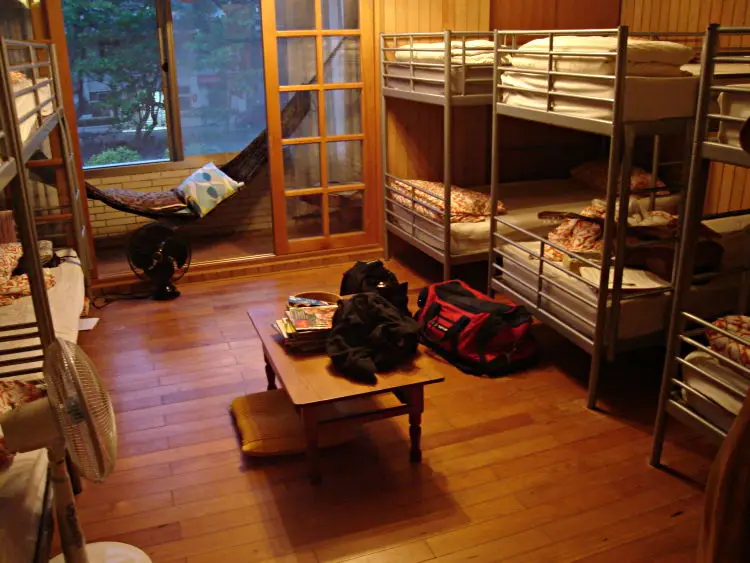
Some rentals bundle extras such as internet or utilities in attractive ways; others simply cost less hassle than ownership. For a busy lifestyle, a small place to sleep and store things can be enough — and some people even like compact units that feel closer to a capsule hotel than a family home.
When people plan marriage and children, buying often moves up the priority list. Some parents save for years to help a child into a first home; others inherit a house. That family pattern still shapes demand more than pure price comparison does.
So rent versus buy is not only an economics worksheet. It is a personal choice about stability, location, family plans, and how much bureaucracy you want. Owning is neither impossible nor automatic — you have to match the property to your circumstances.
Can you finance a house in Japan? What do you need?
Mortgage terms vary by bank, but loans are usually repaid over a long period and must be finished before a maximum age set by the lender (often around the late seventies to eighty, depending on product). A larger down payment lowers monthly payments; some products advertise high loan-to-value ratios, while others — especially for non-permanent residents — expect a substantial cash deposit.
As a rough order-of-magnitude example only: a house around 30 million yen over 35 years with little or no down payment might land near 110,000 yen a month in older illustrative math, with total interest adding many millions of yen over the life of the loan. Real rates, fees, and insurance change the number — treat any online calculator as a starting point, not a promise.
Typical documents include a gensen choshuhyo (income withholding certificate), an inkan (personal seal) when the bank requires it, and a zaishoku shomeisho (employment certificate). Enrollment in social and health insurance helps. Permanent residency makes approval much easier at most Japanese banks; some lenders still consider long-term visa holders without PR, often with stricter income, deposit, and Japanese-language conditions.
Banks may also ask for stable employment over several years, a guarantor or co-borrower in some cases, and a clean debt profile. Application forms are usually in Japanese. Foreigners can generally own property in Japan, but a Japanese bank mortgage is a separate hurdle from the purchase itself.

Community
Comments
0 comments
There are no published comments in this language yet.
Send comment