
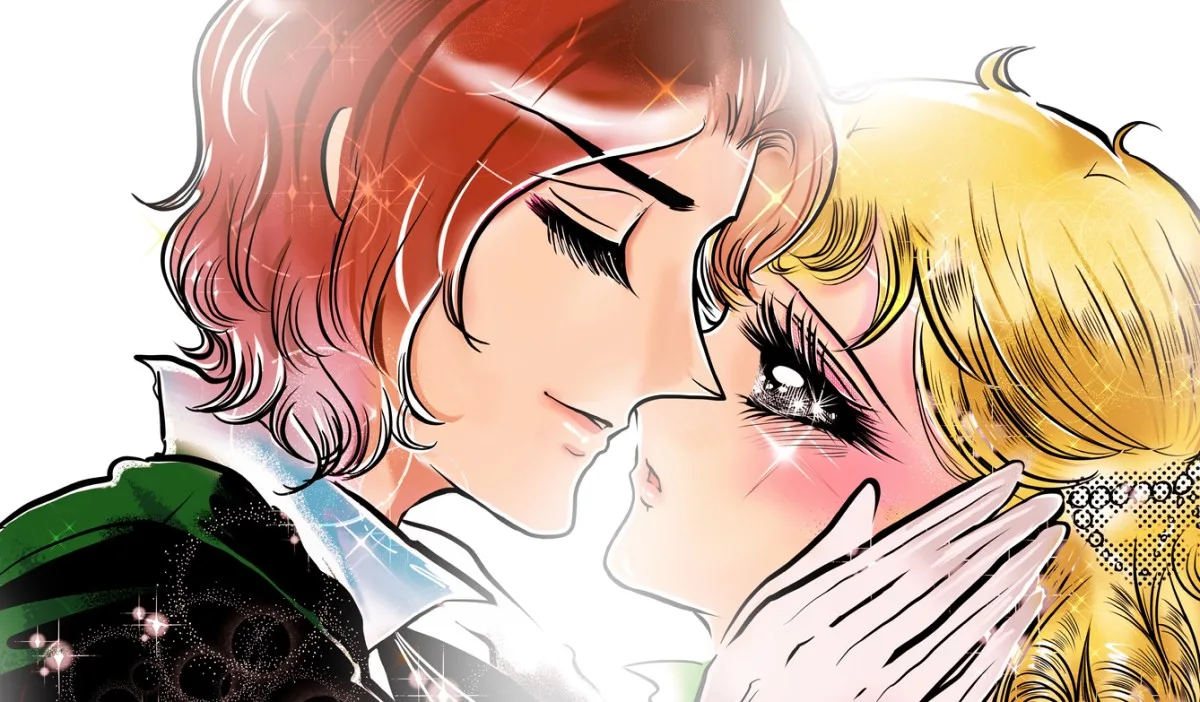
A reverse harem puts one female lead between several male characters who compete for her attention. In practice the show is usually a shoujo romance with a fixed cast, and each man fills a role: the calm protector, the loud teenager, the rich heir, the unreachable older friend.
This article explains the pattern and presents nine series that shaped it. The order is not a ranking; each entry stands for a different flavour, from comedy to fantasy.
Contents 13
What makes a reverse harem
The only real difference from a classic harem is the casting. There a young man is surrounded by women; here a woman is surrounded by men. Both live on the question of whom she picks.
Because so many series start as a manga, a light novel or an otome game, the answer often stays open. Anyone who expects a firm resolution will be disappointed. In exchange, the side characters tend to be more developed than in plain romance.
Ouran High School Host Club
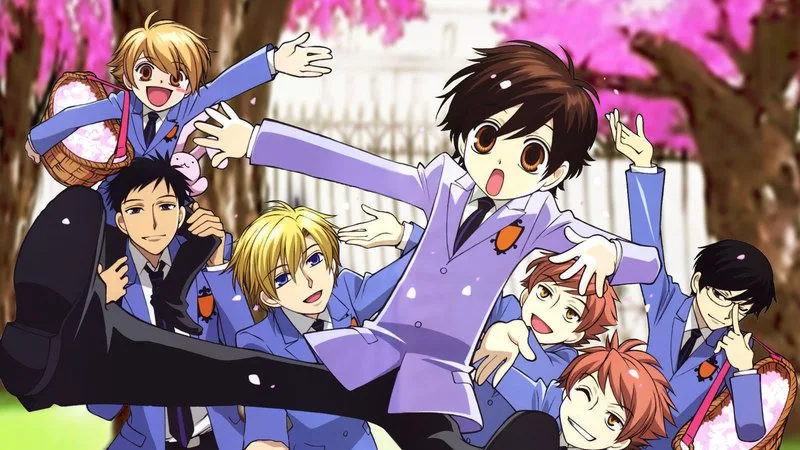
Haruhi Fujioka attends a school for very wealthy families on its only scholarship. Short hair and plain clothes make her look like a boy, so she ends up in the host club that entertains female students. When she breaks a valuable vase, she has to work off the debt. The series uses the confusion for comedy and for questions about gender roles.
For many viewers this is the first title of the genre: a practical heroine, a cast with clear roles and humour that carries the romance.
Fruits Basket
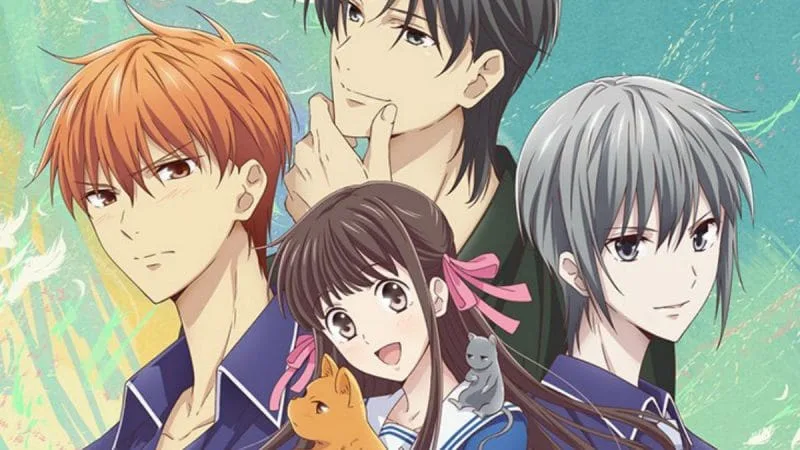
Tohru Honda loses her mother and lives in a tent until the Sohma family takes her in. There she learns a secret: some relatives turn into animals of the Chinese zodiac when they are startled or touched by someone of the opposite sex. The story offers romance, but also guilt and a curse that shapes every relationship.
The 2019 remake introduced the story to a new audience. Many consider it the best entry point, because the characters carry more weight than the plot demands.
Akatsuki no Yona
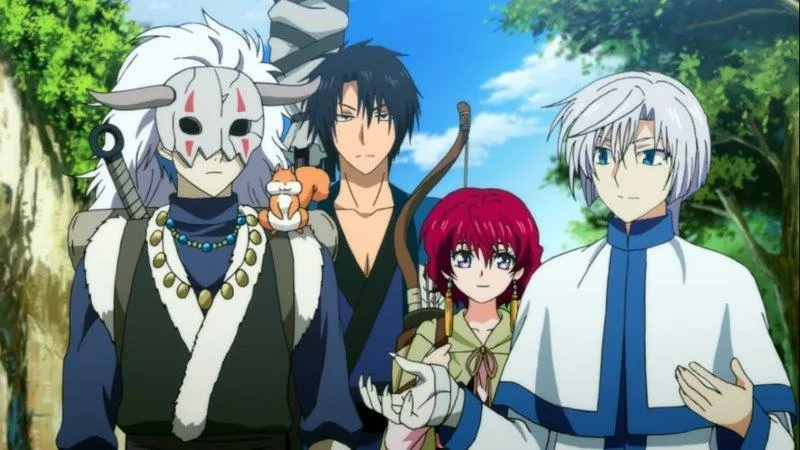
Princess Yona grows up sheltered until her cousin kills the king and takes the throne. She flees with her bodyguard Hak and searches for the four dragon warriors who once served the kingdom. A spoiled princess becomes a leader, and the men around her are allies rather than suitors.
That mix of adventure and fantasy makes the reverse harem believable. The show proves the pattern still works when the plot is bigger than the romance.
Kamisama Hajimemashita
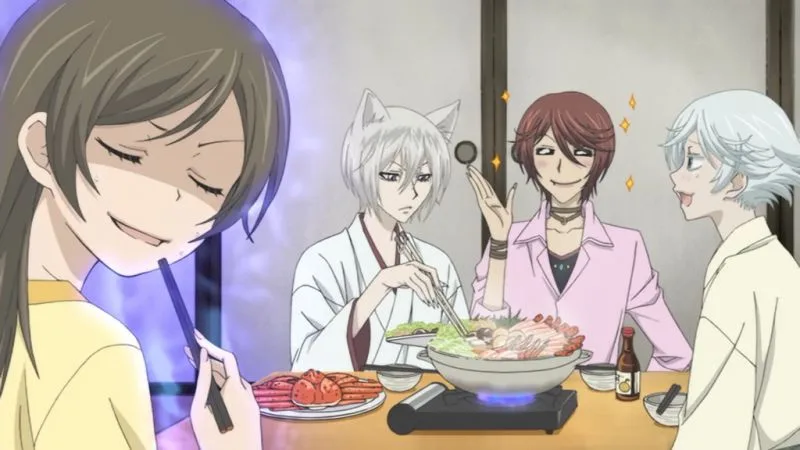
Nanami Momozono loses her home to her father’s debts. After saving a stranger from a dog, she inherits his land and his post as a local god. Her companion is the fox spirit Tomoe, who does not take the new deity seriously. Daily life, folklore and romance run together.
The series shows a variant with one fixed partner: the tension comes from the road, not from the choice.
Uta no Prince-sama

Haruka Nanami wants to become a composer and joins a music academy. There she works with several singers, some already active as idols. Music drives the plot instead of decorating it, so rehearsals and concerts take up real space.
Anyone who enjoys stage performances gets more than a love story here. The songs carry the series and replace more than one dialogue scene.
Kamigami no Asobi
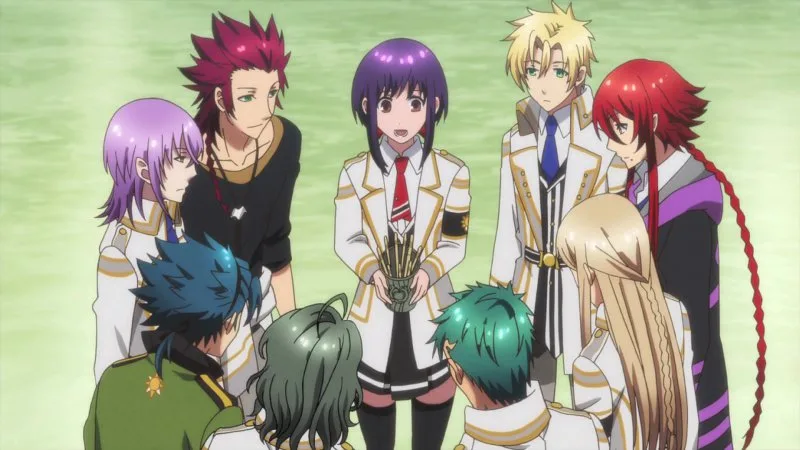
Yui Kusanagi finds a gate to another world and becomes head of a school where gods from different mythologies must study together. Her task is to teach them human life. School comedy, fantasy and romance mix, and the conflict comes from the gods’ habits rather than from a love triangle.
Clear characters make the series easy to follow, even if the mythology is only sketched.
Yamato Nadeshiko Shichi Henge
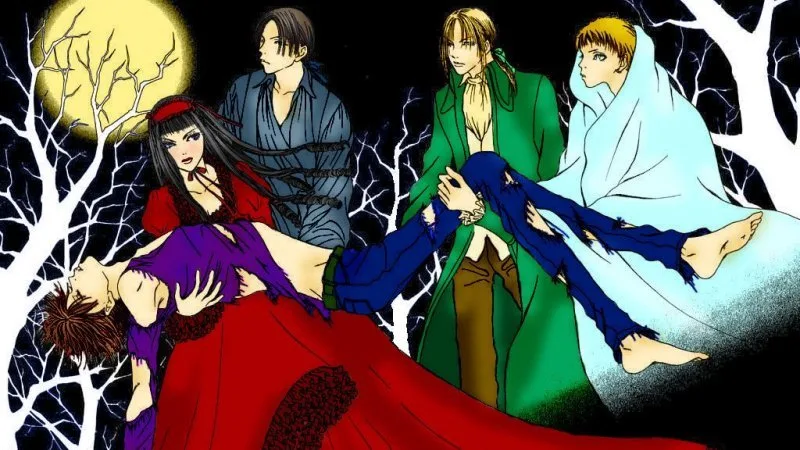
Four young men live in a villa and are asked to turn the landlady’s niece into a sociable lady. Sunako prefers horror films to people and talks to a puppet instead of her housemates. The show runs on slapstick, and the romance happens almost against the heroine’s will.
Viewers either click with her humour or give up early. Those who stay get one of the oddest comedies in the genre.
Brothers Conflict
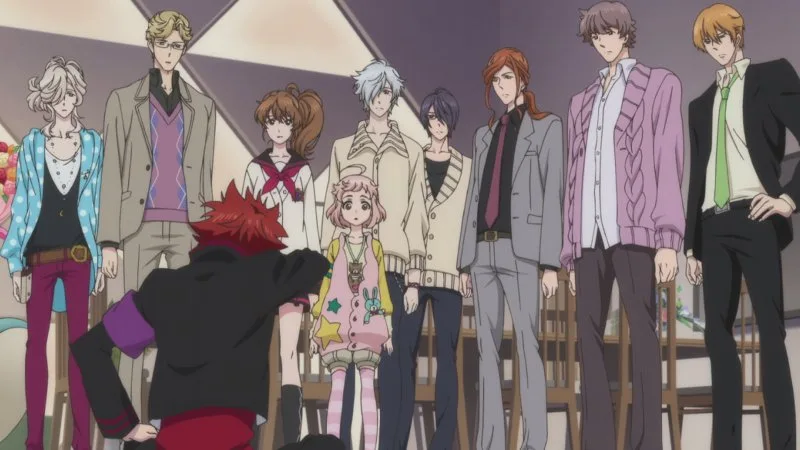
Ema moves in with thirteen stepbrothers after her father remarries. The tension comes from the new family rather than from school or a club, which sets the show apart. The ending stays open, and the large cast demands patience.
Anyone who likes collecting characters will enjoy the variation. Anyone who wants a clear resolution should pick another series.
Arcana Famiglia
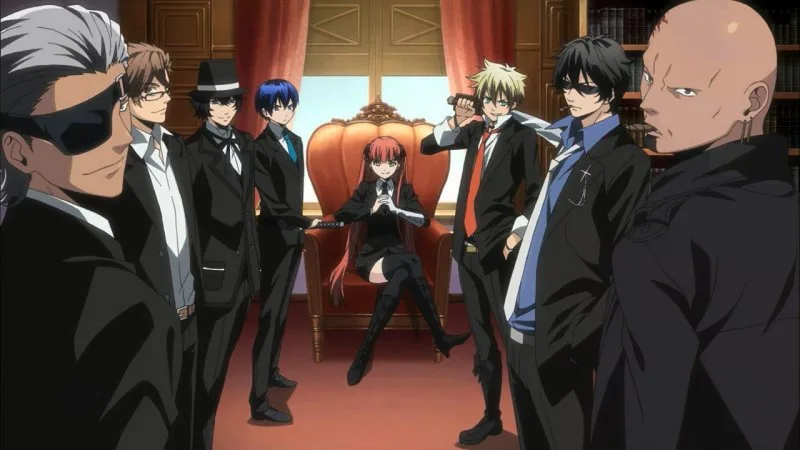
Felicita belongs to the ruling family of an island whose members draw power from tarot cards. Her father announces a tournament: the winner marries her and takes over the leadership. Romance, competition and fantasy meet, and the cards give the plot a fixed motif.
The rules of the tournament provide structure, even if the final answer arrives quickly.
What good series in the genre achieve
A strong reverse harem needs more than a group of attractive men. The heroine should have goals, the men their own conflicts, and the story a theme that goes beyond romance.
If you know an otome game, you will recognise the structure: one short scene per character, then a shared event. If that feels too schematic, adventure and fantasy titles such as Akatsuki no Yona are the friendlier option.
More titles with a reverse harem
For anyone who wants to keep watching after these nine, the list below collects further titles that follow the pattern. It is alphabetical and without ranking.
- Akatsuki no Yona
- Amnesia
- Arcana Famiglia
- Blood+
- Diabolik Lovers
- Bonjour Koiaji Pâtisserie
- B-Project: Kodou Ambitious
- Brothers Conflict
- Code: Breaker
- Code: Realize: Sousei no Himegimi
- Dame × Prince Anime Caravan
- Dance with Devils
- Fruits Basket
- Fushigi Yuugi
- Gugure! Kokkuri-san
- Hakuouki
- Hakushaku to Yousei
- Hanasakeru Seishounen
- Hanayaka Nari, Waga Ichizoku
- Harukanaru Toki no Naka de
- Hatenkou Yuugi
- Hatsukoi Monster
- Heart no Kuni no Alice
- Idolish7
- Kakuriyo no Yadomeshi
- Kamigami no Asobi
- Kenka Banchou Otome
- Kiniro no Corda
- Koisuru Tenshi Angelique
- Konbini Kareshi
- La Corda d'Oro
- Legend of Basara
- Libra of Nil Admirari
- Mahouka Koukou no Rettousei
- Makura no Danshi
- Meiji Tokyo Renka
- Miracle Train
- Neo Angelique Abyss
- Norn9
- Ouran High School Host Club
- Ozmafia!!
- Peach Girl
- Phantom in the Twilight
- Pretear
- Prince of Stride: Alternative
- Ristorante Paradiso
- Room Mate
- Saiunkoku Monogatari
- Scared Rider Xechs
- Sengoku Night Blood
- Starry Sky
- Tantei Team KZ Jiken Note
- Watashi ga Motete Dousunda
- Yamato Nadeshiko Shichi Henge
- Yumeiro Pâtissière
- Zombie-Loan
Final thoughts
Reverse harem follows clear rules and still leaves room. The selection above runs from comedy to drama, mythology, music and fantasy. Ouran and Fruits Basket work best as a start, because both stand on their own without a taste for the genre.

Community
Comments
0 comments
There are no published comments in this language yet.
Send comment