
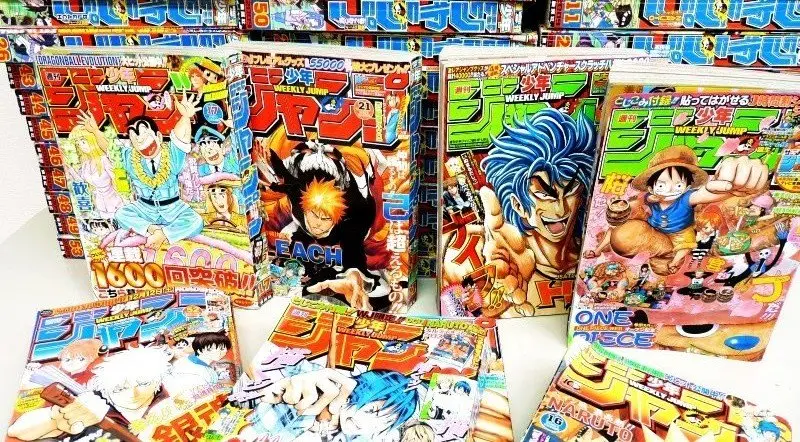
Anime and manga travel farther than ever—and that is exactly why piracy in Japan is no longer a niche complaint. Studios, publishers, and authorities talk about missing revenue when episodes, volumes, and merchandise leave licensed channels.
It is not only a moral debate. Illegal streams and downloads often shrink the budget for new seasons, Blu-rays, and official translations. Here is how Japan’s rules work, what recent damage estimates show, and what fans can do without romanticizing the gray zone of fansubs.
Contents 10
Why anime piracy stays stubborn in Japan
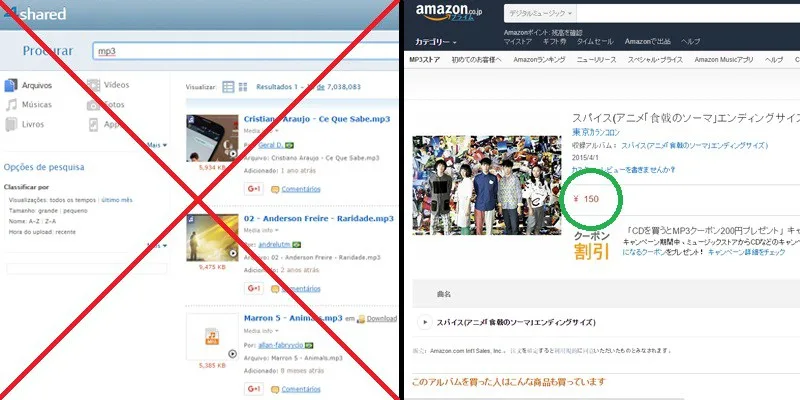
Japan is known for strict copyright rules. Still, unlicensed copies show up in physical markets, online shops, and above all online: streaming sites, torrents, link dumps, and social feeds make anime and manga easy to grab—sometimes hours after a Japanese broadcast or tankōbon release.
What the industry actually feels
For many productions, Blu-ray sales, licensed streams, and merchandise are not side notes; they help pay for the next season. When those numbers fall, continuations slip—or never arrive. BD editions often bring uncensored quality and extras such as OVAs; watching only through illegal channels does not show up on that ledger.
- Current damage estimates: Japan’s Ministry of Economy, Trade and Industry (METI) put online piracy of Japanese content in 2025 at about 5.7 trillion yen—nearly three times the roughly 2 trillion yen in the 2022 survey. Film/anime and publishing (including manga) account for most of that total; with character merchandise included, the headline figure climbs higher still.
- Blu-rays and licenses: Weak BD and streaming results feed decisions about sequels and budgets—not only “brand damage.”
Unofficial subtitle groups and scanlations keep international fans fed, but they usually sit outside licenses. For viewers it can feel like a service; for rights holders it remains unauthorized distribution.
Japanese laws against piracy
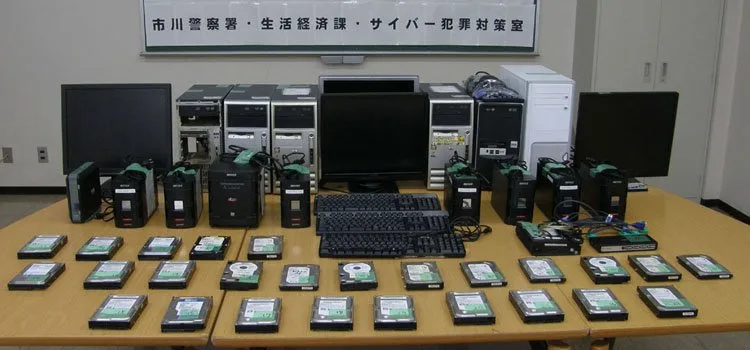
Japan’s copyright system can punish more than uploading. Under defined conditions, knowingly downloading illegal files can also trigger criminal risk—not only a civil complaint. The signal is sharp: deliberate distribution and deliberate downloading of pirated work can land people in serious trouble.
Main penalty ranges
- Uploaders and distributors: Severe copyright infringement can bring up to 10 years in prison and fines up to 10 million yen.
- Knowingly illegal downloads: Since the 2012 crackdown, knowing downloads of music and films/video can mean up to 2 years in prison and fines up to 2 million yen. In 2020 the law was expanded: from 1 January 2021 the download rules also cover manga, magazines, and academic texts.
- “Leech” sites and link apps: From 1 October 2021, operators and builders of sites or apps that systematically point users to illegal downloads face tighter rules—up to 5 years in prison or 5 million yen.
The rules target knowing conduct and carve out minor cases (for example tiny excerpts). Streaming without saving is often discussed differently from saving a file to a device—the statute’s focus is stored content and active distribution.
Enforcement stays hard
Illegal portals vanish and reappear under new names. Offshore servers, mirrors, and link lists slow takedowns. Japanese trade groups and bodies such as CODA also pursue major anime piracy sites overseas—alongside blocks, lawsuits, and platform cooperation.
Technology and AI against illegal uploads
Manual reports cannot keep up with upload volume. Rights holders and platforms rely on automated systems that recognize video and images—even when files are lightly edited, cropped, or renamed. AI-assisted matching speeds takedowns and helps protect new seasons and manga chapters right after release.
What these systems typically do
- Continuous scanning: Watch platforms, social feeds, and known piracy hubs for unauthorized files.
- Content matching: Fingerprint audio and video so episodes are found even when re-encoded or shortened.
- Faster notices: Trigger removal requests and partner alerts with less manual sorting.
Automation does not erase demand. It mainly shortens the window between a leak and a cleanup—and frees human teams for larger cases and international coordination.
How fans can help
Laws and filters are only part of the story. Viewers shape the market when they choose official apps, buy licensed volumes, and skip “free episode” dump sites.
Practical habits
- Watch on licensed platforms—services such as Crunchyroll, Netflix, or other services that hold the rights in your region.
- Support Blu-rays, official manga editions, and licensed merch when you can.
- Report clear illegal uploads through platform tools instead of resharing links.
Conclusion
Anime and manga piracy sits at the intersection of tough Japanese law, growing overseas demand, and studio math that still depends on legal sales. Updated rules on downloads and leech sites, plus automated detection, make the illegal path riskier and messier—but fans still decide where the clicks and money go.
If a series matters to you, licensed viewing is the most direct way to keep seasons, translations, and extras alive.





Community
Comments
0 comments
There are no published comments in this language yet.
Send comment