
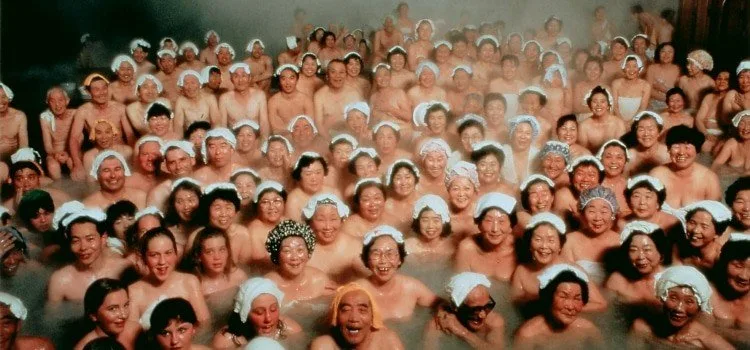
An onsen (温泉) is not a spa costume with a Japanese label attached. It is a hot spring bath, often fed by naturally heated water, where the ritual matters as much as the soak. The first surprise for many visitors is the quiet: people wash before entering, leave the small towel out of the water and give one another room to relax.
Japan's volcanic landscape has made hot springs part of daily life in resort towns, mountain villages and cities alike. A visit can be as simple as a neighborhood bath after work or as memorable as an outdoor pool with snow, forest or sea in view.
Bathing together is ordinary in Japan, even though it can feel unfamiliar to visitors. Public baths are usually separated by gender, and bathing is normally nude. The point is not to test anyone's confidence; it is to share a clean, calm space without turning it into a swimming pool.
Contents 6
What to expect at an onsen
Most first visits follow the same rhythm. In the changing room, leave your clothes and large towel in a basket or locker. Bring only the small towel into the bathing area. It can offer a little privacy while you walk around, but it should not go into the bath.
Wash and rinse yourself thoroughly before soaking. Indoor baths usually have showers, stools and bowls for this step. Once you enter the water, keep the mood low-key: no swimming, splashing or loud conversations. Tie up long hair, and dry yourself with the small towel before returning to the changing room.
Every facility has its own rules. Some have tattoo policies, different age guidance or restrictions for particular pools, so the signs at the entrance always take priority. Hot water can feel intense, especially on a first visit; ease in slowly, take a break when needed and drink water before and after bathing.
The bathing ritual is worth learning because it makes the experience easier for everyone. Our guide on how to bathe in Japanese hot springs goes into the routine in more detail.

Onsen water: why one bath can feel different from another
Onsen water is naturally heated underground, and its mineral makeup can vary widely from place to place. A bath may have a sulfurous scent, a salty character, an iron tint or tiny carbonated bubbles. The differences are part of what makes onsen towns interesting, but they are not a menu of guaranteed treatments.
Facilities may also explain how the water reaches the bath: directly from the source, cooled or heated for comfort, mixed with water, filtered or recirculated. If the character of the water is important to your trip, read the posted information instead of assuming every pool works the same way.
Some waters are strongly acidic, sulfurous or otherwise distinctive, so a short first soak is sensible. Follow the facility's instructions, especially when a pool has a warning about temperature or bathing time.
Rotenburo: outdoor onsen
Rotenburo are outdoor onsen baths. For many travelers, they are the image that stays with them: steam rising into cold air, a mountainside beyond the edge of the pool or snow gathered around a wooden bath.
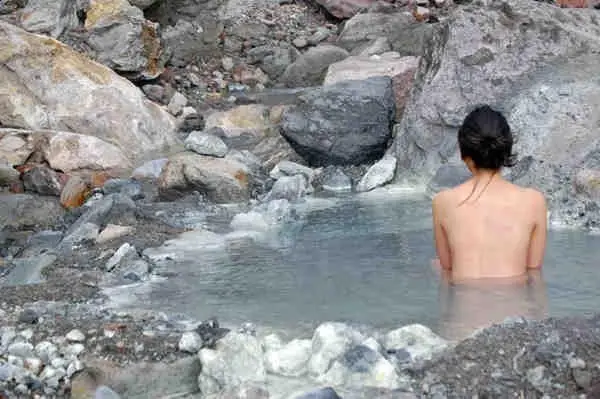
Outdoor does not always mean completely open to the elements. Some rotenburo sit in remote settings, while others are part of a ryokan or a city bath with an open roof or wall. The shared idea is the feeling of bathing close to the landscape.
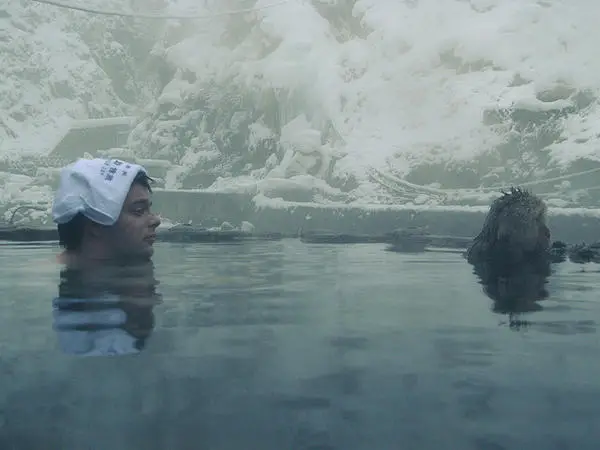
For a more private visit, look for a kashikiriburo or kazokuburo, often called a private or family bath. Ryokan and some public facilities offer them for couples, families and small groups; reservation rules and fees vary. A stay at a Japanese ryokan is one common way to find one.
Konyoku: mixed bathing
Konyoku refers to mixed-gender bathing. It was more widespread in earlier periods and still exists at a limited number of traditional or remote facilities. Policies vary: some pools keep the traditional nude-bathing custom, while others ask guests to use a bathing garment or towel for privacy.
The important detail is not a blanket rule but the house rule of the bath you are visiting. If mixed bathing interests you, read the facility guidance beforehand and see our article on mixed onsen in Japan for more context.
Sento: baths in the city
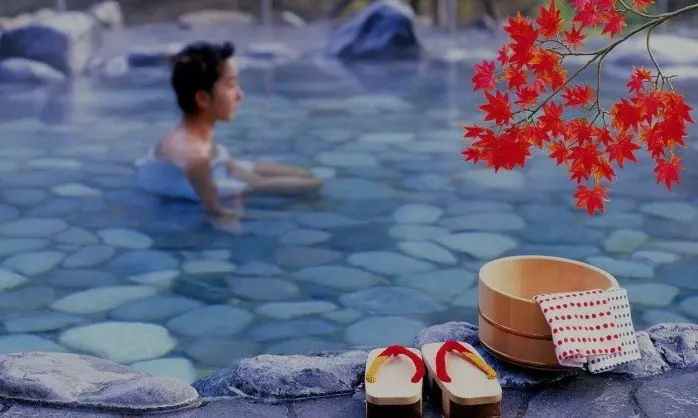
A sento is a public bathhouse and is not automatically an onsen. Sento traditionally use heated water rather than water from a hot-spring source, though some bathhouses do use onsen water. They became important when many homes did not have their own bath, and they still offer a relaxed neighborhood ritual in many cities.
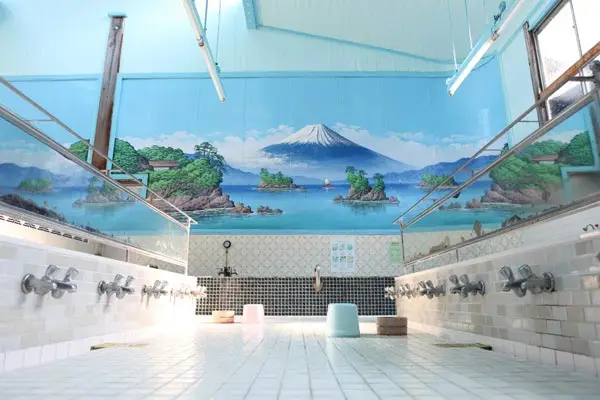
Where to find an onsen in Japan
Onsen appear in dedicated resort towns, rural inns, hotels and public facilities. Hakone and Atami are well-known options near Tokyo, while many mountain and coastal regions have their own bathing culture. The setting can range from a simple neighborhood bath to a large resort complex with several pools.
When planning, search a map for onsen (温泉), sento (銭湯) or hot spring, then check the facility's current hours, bathing rules and whether the bath is open to day visitors. Our guide to planning a destination with Google Maps can help with the search.
An onsen can feel unusual on the first visit, but the etiquette is straightforward: arrive clean, keep the bath peaceful and follow the rules posted by the people who care for it. Once that rhythm becomes familiar, the bath stops being intimidating and starts to feel like one of Japan's most unhurried pleasures.



Community
Comments
0 comments
There are no published comments in this language yet.
Send comment