
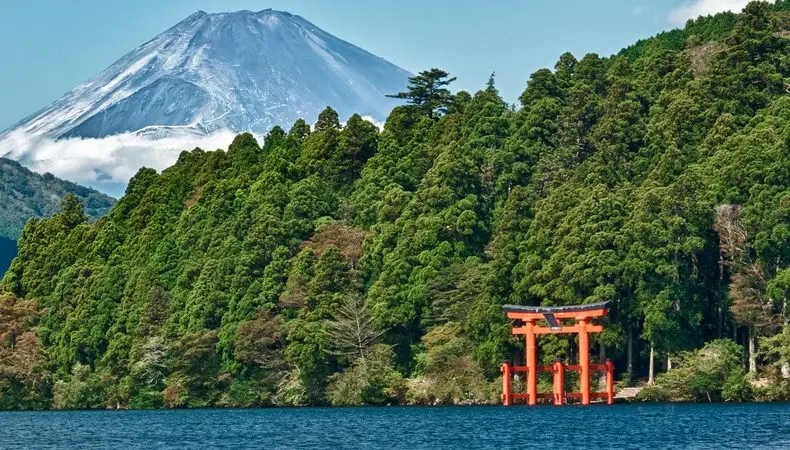
Japan's giant cities can make a first itinerary feel inevitable. Yet some of the country's most memorable days happen after the skyline thins out: at a temple gate in Kamakura, beside steam rising in Beppu, or among steep thatched roofs in the mountains.
This selection mixes smaller cities with towns and historic villages. They are not hidden in the sense of being empty or unknown; several are popular day trips or major regional stops. What they offer is a different scale of travel, where a castle, shrine, onsen or walking street can shape the whole day.
Contents 9
Kamakura: temples, sea and a former political centre
Kamakura is a coastal city in Kanagawa Prefecture, less than an hour south of Tokyo. In the late 12th century, Minamoto no Yoritomo made it the seat of his military government, and that past still gives the city an unusual density of temples, shrines and old lanes.
The Great Buddha, Hasedera, Tsurugaoka Hachimangu, Engakuji and Hokokuji are among the places that make Kamakura work so well for a day trip. In summer, its beaches and the nearby Enoshima area add another reason to stay outside central Tokyo a little longer.
Guided walks and activities in the area are available through GetYourGuide.
Nikko: shrines, forests and Tokugawa history
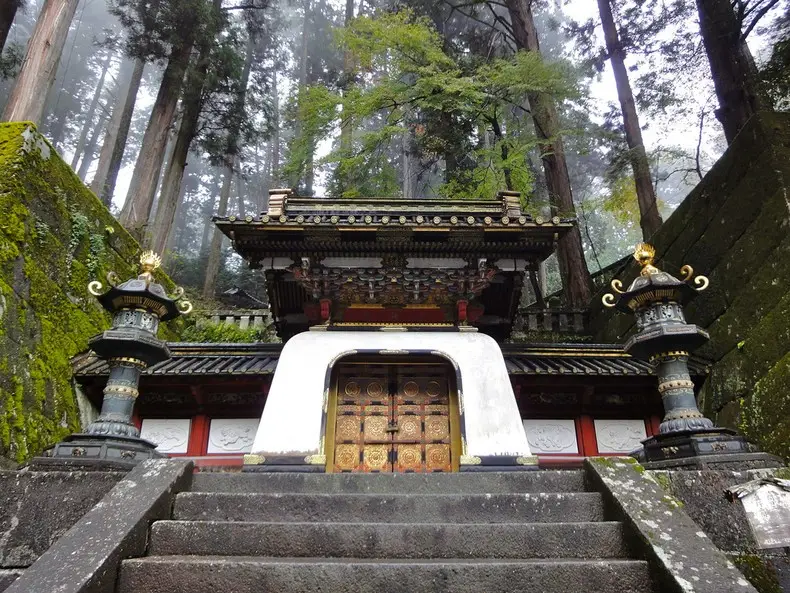
Nikko lies north of Tokyo in Tochigi Prefecture, where forested mountains, waterfalls and hot springs frame a remarkable religious complex. The city is best known for Nikkō Tōshō-gū, the shrine associated with Tokugawa Ieyasu, founder of the Tokugawa shogunate.
The shrines and temples of Nikko are recognised as a UNESCO World Heritage site. Give yourself time for the approach through the trees as well as the ornate buildings; Kegon Falls and the Lake Chūzenji area make the wider region worth exploring too.
Takayama and Shirakawa-go: mountain traditions
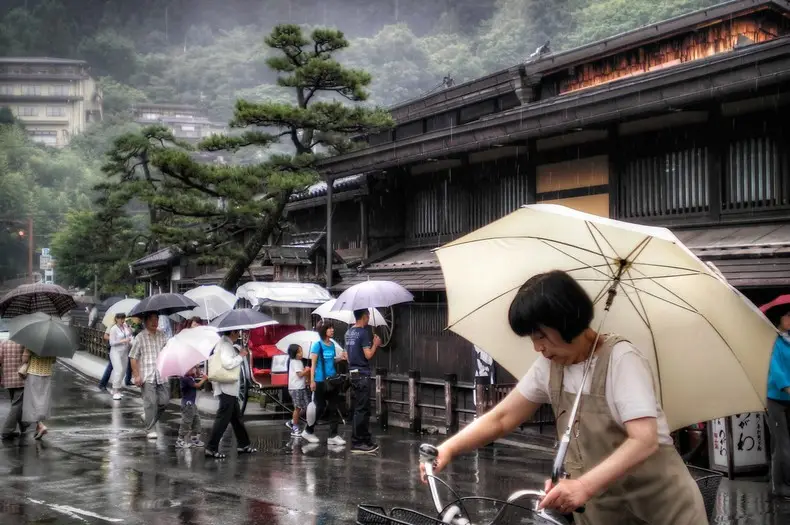
Takayama sits in the Japanese Alps of Gifu Prefecture. Its old town, morning markets and long woodworking tradition give it a character quite different from Japan's larger urban centres. The spring and autumn festivals are especially well known, but the streets reward an unhurried visit at any time of year.
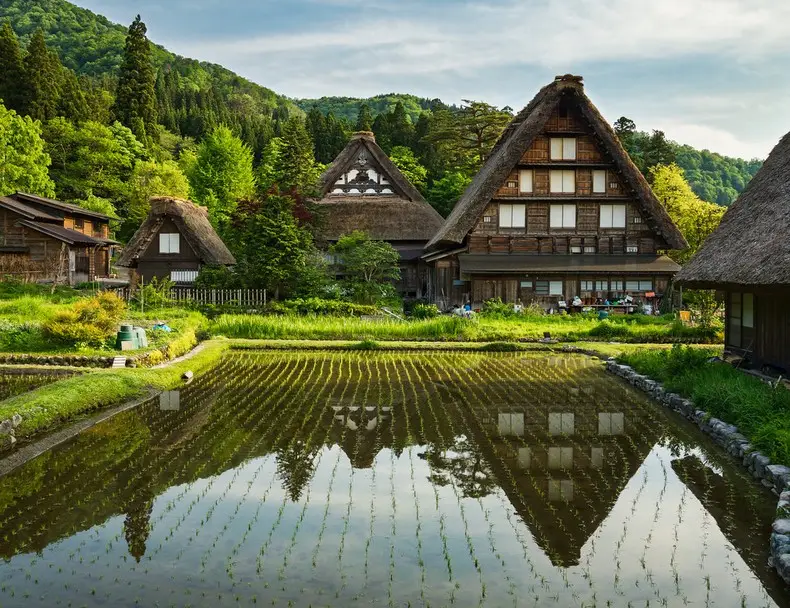
Nearby Shirakawa-go is not a city but a historic village area. Its gasshō-zukuri farmhouses, built with sharply pitched thatched roofs, were shaped by the region's heavy snow and are preserved alongside the related villages of Gokayama.
For more context on this landscape, see the Japanese Alps: Hida, Kiso and Akaishi.
Shirakawa-go and Gokayama are a good reminder that rural architecture is part of the destination, not background scenery. The houses, village layout and mountain setting belong together, so it is worth allowing time to walk rather than treating the stop as a quick photograph.
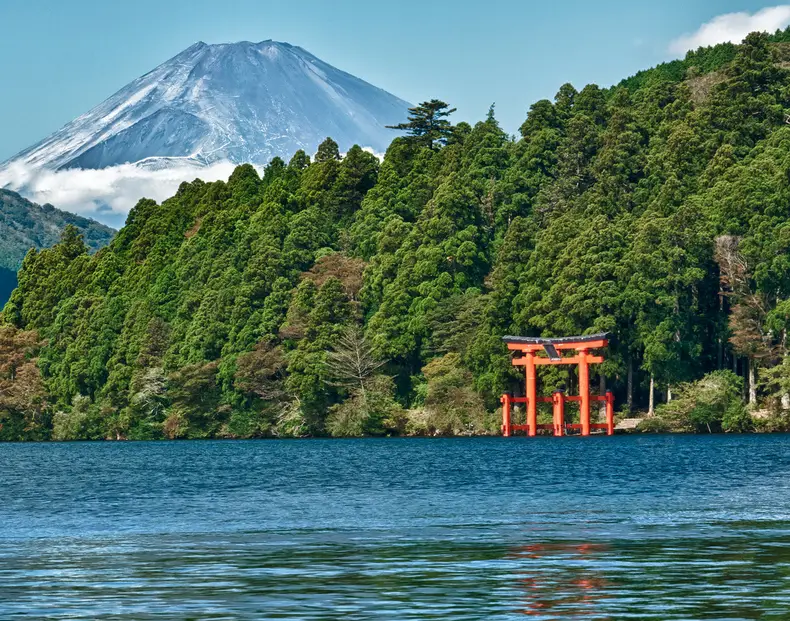
Hakone: hot springs and views toward Mount Fuji
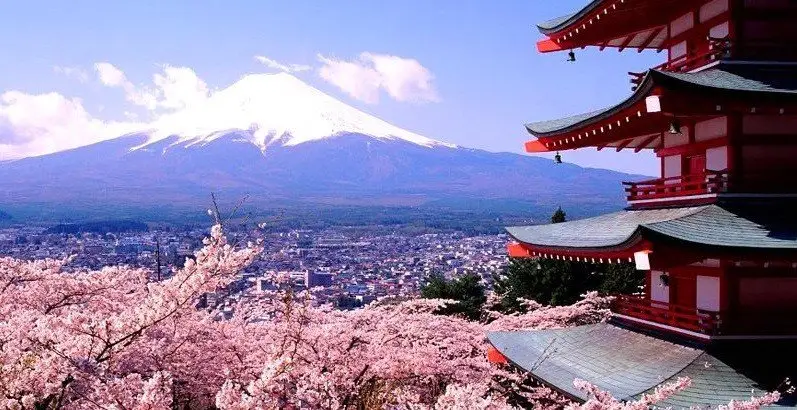
Hakone is a town west of Tokyo known for hot springs, Lake Ashi, museums and views toward Mount Fuji when the weather cooperates. It is one of the easiest ways to trade the city for mountain air without planning a long domestic journey.
The area is spread out, which is part of its appeal. Railways, buses, ropeways and boats connect different parts of the Hakone loop, while nearby Gotemba offers another base for people interested in the Fuji area.
Beppu: an onsen city on Kyushu
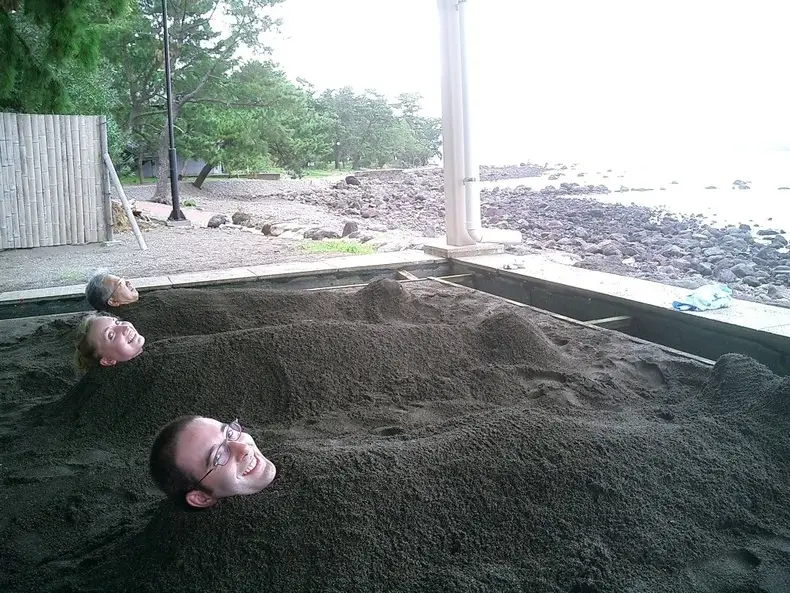
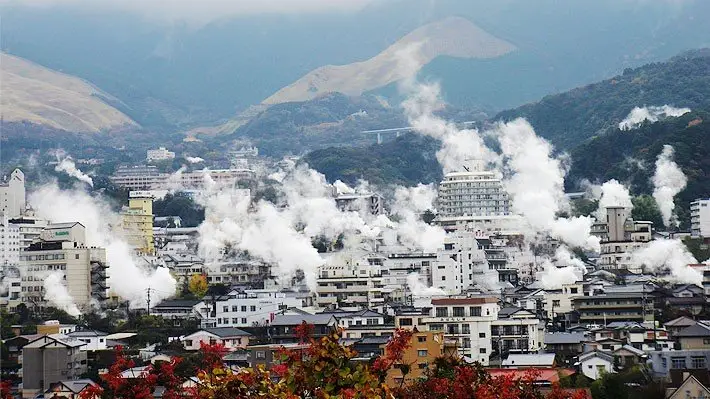
Beppu, on the island of Kyushu, is one of Japan's best-known onsen destinations. Steam rises from streets, hillsides and bathhouses, and the city offers everything from conventional hot-spring baths to sand baths warmed by geothermal heat.
The Hells of Beppu, or Jigoku, are dramatic hot-spring sites made for viewing rather than bathing. Their coloured water and intense steam explain the nickname, while the city's bathing culture gives the visit a more relaxed counterpoint.
Read more about Beppu, the city of onsen before deciding which side of the city fits your trip.
Hiraizumi: a small town with a grand past
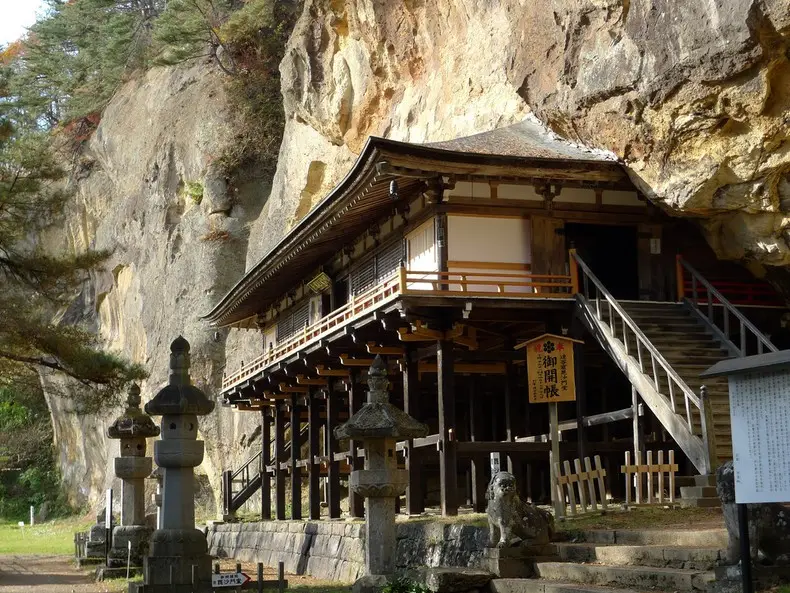
Hiraizumi in Iwate Prefecture is a town rather than a city, but its historical weight is much larger than its size suggests. It was an important regional centre in the 12th century, and its temples, gardens and archaeological sites preserve part of that legacy.
Chūson-ji and Mōtsū-ji are the best-known stops. Hiraizumi suits travellers who enjoy a quieter historical destination, especially when paired with other places in the Tōhoku region.
Hikone: a castle on Lake Biwa
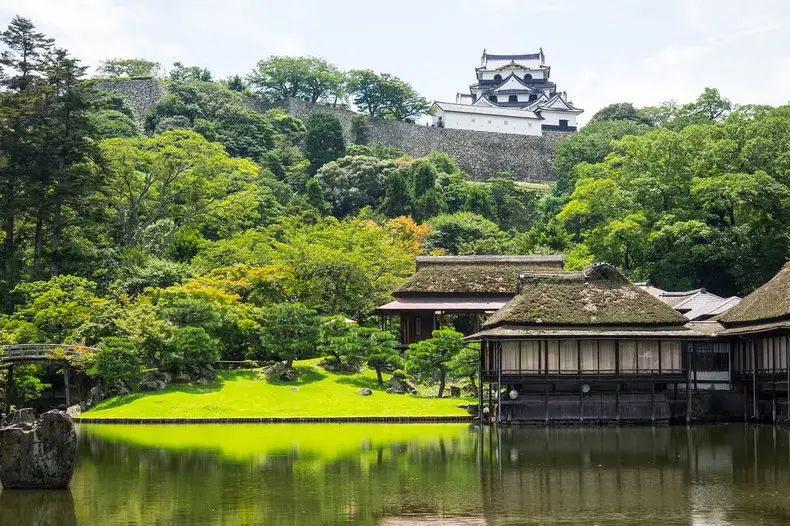
Hikone stands on the shores of Lake Biwa in Shiga Prefecture. Its principal draw is Hikone Castle, one of Japan's surviving original castles, completed in 1622. The setting near the lake makes it feel less hurried than the country's better-known castle towns.
Inuyama: castle town and river traditions
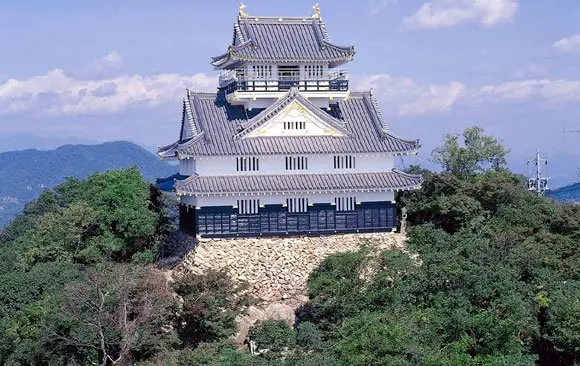
Inuyama, in Aichi Prefecture, is known for Inuyama Castle and for ukai, cormorant fishing on the Kiso River. The compact castle-town setting makes it an appealing stop for travellers who want a historical atmosphere without the scale of a major city.
Urayasu: the home of Tokyo Disney Resort
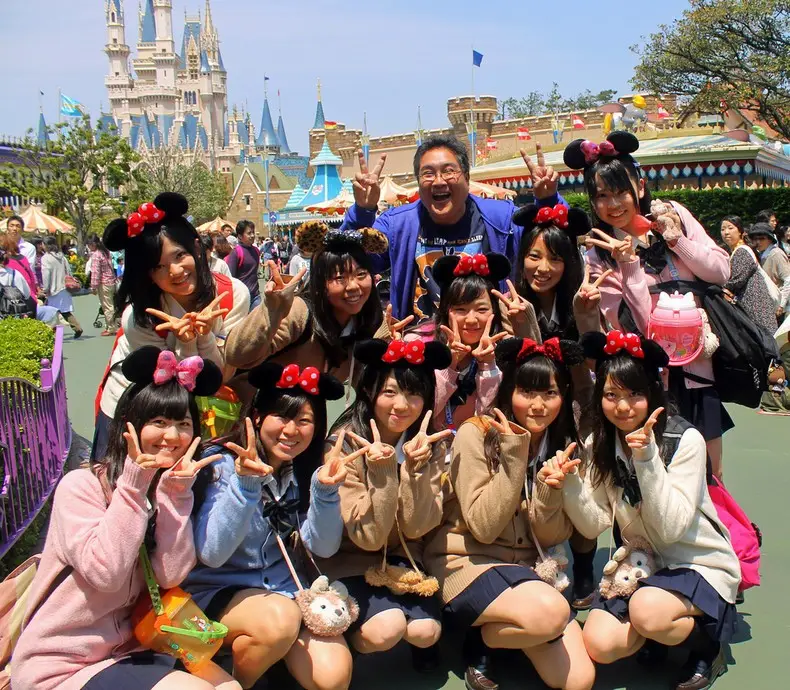
Urayasu is a city in Chiba Prefecture beside Tokyo Bay. It is best known as the location of Tokyo Disney Resort, which includes Tokyo Disneyland and Tokyo DisneySea. For many visitors, it is a practical base for the parks rather than a conventional sightseeing destination.
If the resort is part of your plan, our guide to Tokyo DisneySea and Disneyland in Japan can help you start with the right expectations.



Community
Comments
0 comments
There are no published comments in this language yet.
Send comment