
Do you know that Japan has a long trail of lost-treasure stories? Some sound like pure folklore, while others are tied to real wartime events. In this article, we look at Yamashita Gold, the Awa Maru, Tokugawa legends, and a few other famous treasures buried in Japanese history.
Japan is full of treasure stories from the age of clans and Daimyos, especially from the long wars between the 12th and 19th centuries. In 1963, one of these hidden treasures was reportedly found and valued at more than 10 billion yen. So yes, this is history with a little mystery mixed in.
Over the years, many smaller finds have turned up too, sometimes worth only 10,000 to 100,000 yen. Stories like these are known as Maizoukin Densetsu [埋蔵金伝説], which literally means buried treasure legends.
During World War II alone, there were around 50 reports of discovered treasures. Many were old gold or copper coins and other artifacts uncovered during excavations or public works. Let's start with the most talked-about ones.
Contents 4
The Lost Treasure of General Yamashita
It's not One Piece, but the story sounds almost just as adventurous. General Yamashita is said to have hidden a treasure of inestimable value somewhere in Asia, and it still has not been found.
According to the legend, Japan gathered riches from more than a dozen Asian countries during World War II. For years, rumors spread about a treasure worth billions of dollars, made up of gold bars and precious stones.
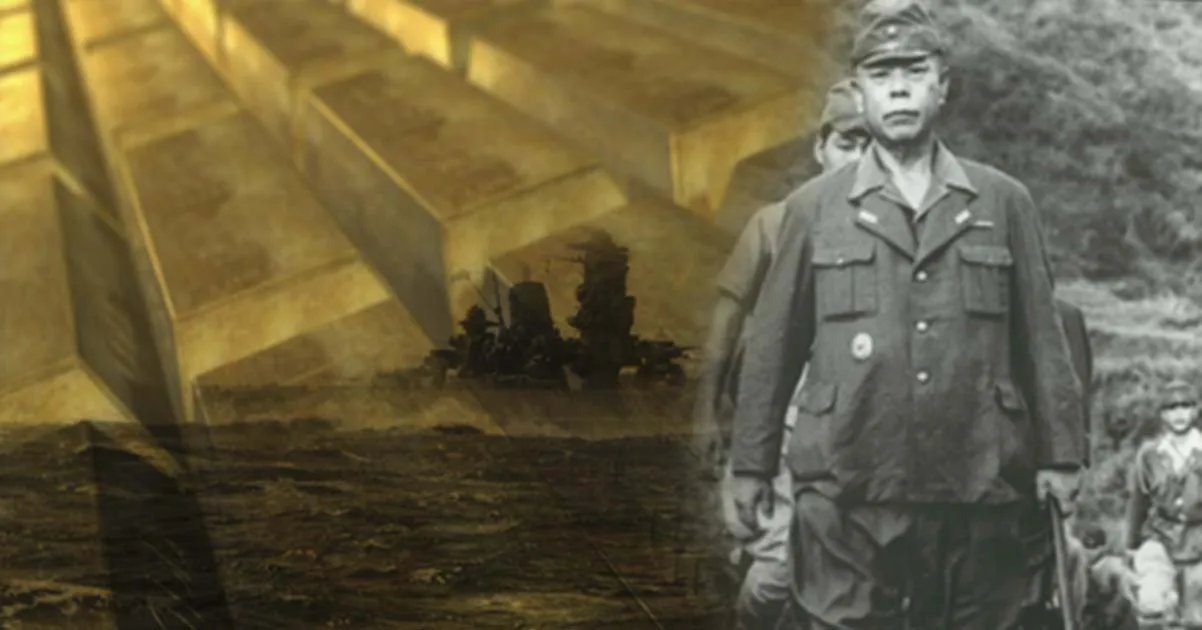
The story says that General Yamashita Tomoyuki hid part of the treasure in the mountains of Luzon in the Philippines and collapsed a tunnel with tons of dynamite to keep the gold bars and precious stones hidden.
Although General Yamashita was captured by the Americans and surrendered on September 2, 1945, nothing was revealed about the treasure. Members of his army were reportedly tortured in an attempt to discover the location, but nothing was found.
Most experts treat this as an urban legend, even though Japan was present in the Philippines around 1941. Some versions say many people knew the location but were killed during the war.
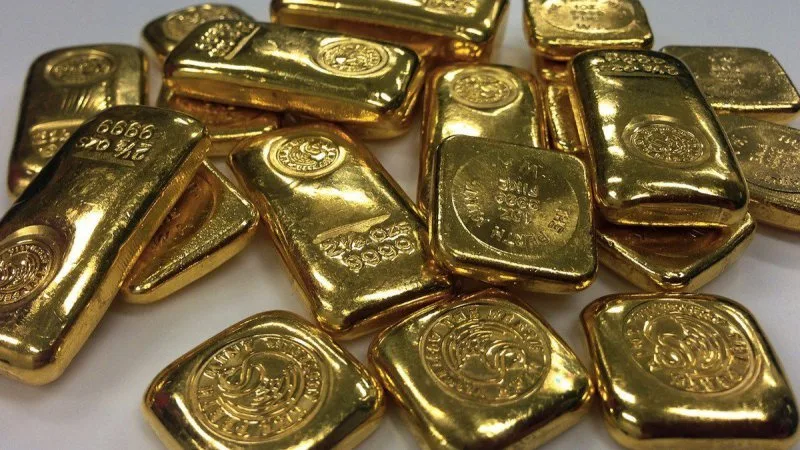
Many treasure hunters searched for Yamashita's Gold for years, but many eventually gave up and caused only archaeological damage. The legend even fueled conspiracy theories involving the Philippine government hiding the entire treasure.
There are rumors that the treasure was found in 2017 along with a video, but the video was probably fake and the treasure remains lost. Filipino folklore is full of hidden-treasure stories, which keeps the legend alive.
Awa Maru - Japan's Lost Treasure Ship
Yamashita's treasure is not the only lost treasure tied to Japan. The Awa Maru was a Japanese ocean liner that sank with more than 5 billion yen in wealth during World War II.
The Awa Maru was built between 1941 and 1943 in Nagasaki. It was originally designed for passenger transport, but at the beginning of the war it was taken over by the Japanese Navy.
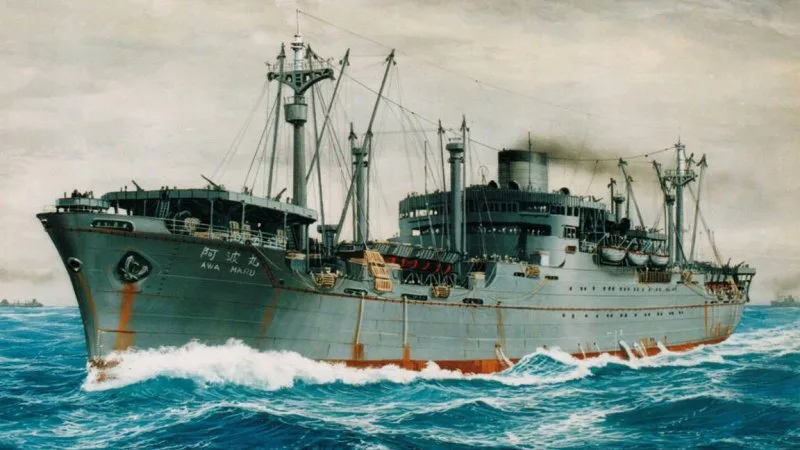
Its mission was supposed to support agents and military personnel, but rumors say it carried a great fortune. On March 28, 1945, the ship reportedly left Singapore, only to be hit by torpedoes on April 1.
Of the 2,004 passengers, only one survived. If there really was a treasure on board, it still rests at the bottom of the sea, or maybe some explorer found it long ago. We will probably never know.
Tokugawa, Hideyoshi, and Hidden War Funds
Another legend says that a buried treasure stayed hidden in the Tokugawa house for more than 250 years during the Edo period. These were said to be war funds reserved by the shogunate for emergencies after the chief minister Bakumatsu was assassinated in the Sakuradamon incident.
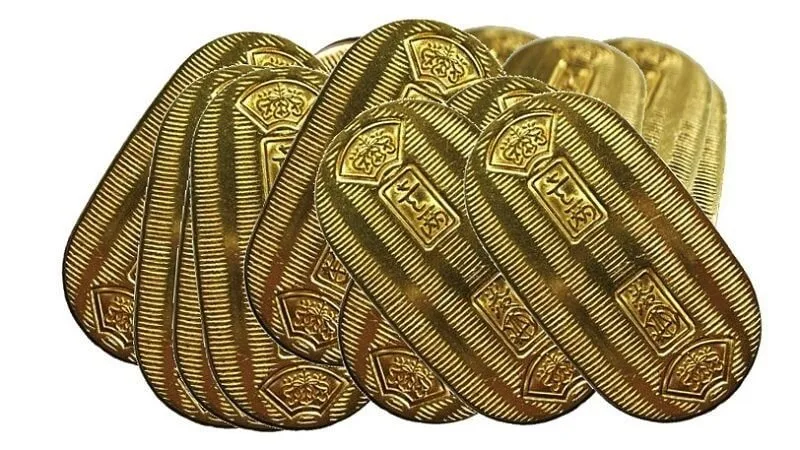
It is believed that more than 400 Koban coins may have been hidden there, and if they were found today, they could be worth several billion yen. In the 1990s, a TV show even brought in an excavator to dig at the site. The idea was mocked, but it gave the buried-treasure legend in Japan even more attention.
Another legend claims that Toyotomi Hideyoshi buried a treasure worth more than 200 trillion yen in a tunnel in southwestern Japan, in Hyogo. The treasure is called Tadakinzan and is said to be tied to a silver mine.
A part of this treasure is also said to involve the disputed Tenshou Ooban, which allegedly included 112 tons of gold, 30,000 kan, and 410 million ryo, the currency of the time. Will anyone ever find it, or is it just another legend?
Other Lost Treasures of Japan
Honjō Masamune was a famous and legendary samurai sword created by master Goro Masamune between 1288 and 1328. It was passed from shogun to shogun for centuries and is considered an artifact of inestimable value.
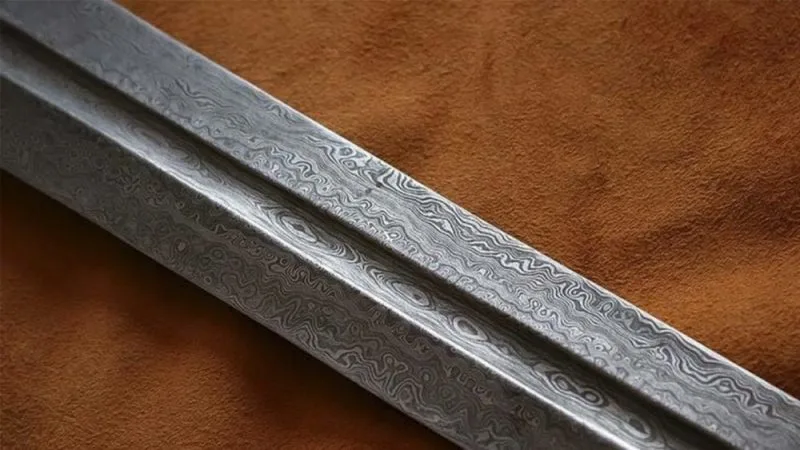
Kusanagi is another sword and one of Japan's three legendary lost treasures. It holds enormous value in Japanese history. You can also read our article about these lost treasures.
Takeda Shingen is said to have been responsible for the first large-scale gold mine in Japan. He was also known for boasting about having the largest fortune and for minting the country's first gold coins, called Koushoukin. Nobody knows where he hid his wealth.
Minamoto no Yoshitsune was dethroned by his older brother and fled to Hokkaido. Legend says he left a large amount of gold dust hidden somewhere. Whether that story is true or not, only the legend can answer.
Have you heard of these lost treasures before? And which one would you like to see uncovered first: Yamashita's Gold, the Awa Maru cargo, or one of Japan's legendary swords?



Community
Comments
0 comments
There are no published comments in this language yet.
Send comment