
Wakame [若布] is an edible species of seaweed widely consumed in Japan and Asia. In this article, we will talk about everything related to this seaweed, how it is consumed, in which dishes it is commonly found, and its health benefits.
Contents 11
What is Wakame seaweed?
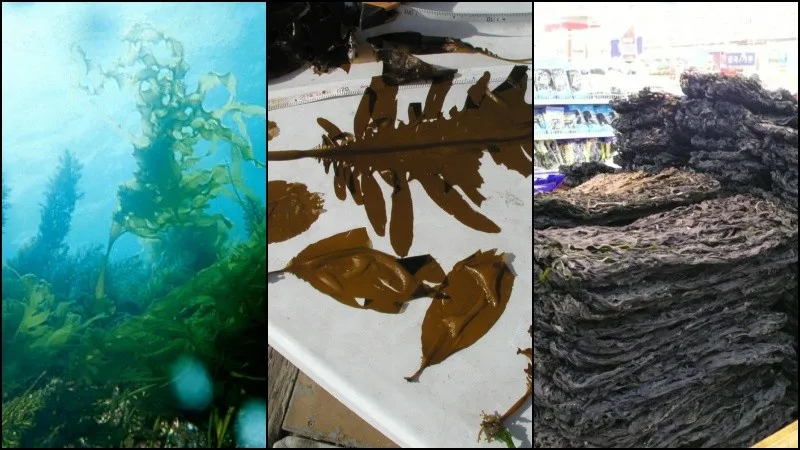
Wakame [ワカメ], usually written in katakana, has the scientific name Undaria pinnatifida. It is a green or brown seaweed from the Chigaisoidae family that can also be found written as [若布], [和布], and [稚海藻].
Generally, the seaweed grows south of Hokkaido on the Sea of Japan side, along the Pacific coast from southwestern Hokkaido to Kyushu, and on both shores in the southern part of the Korean Peninsula, near the low tide line.
In the United States, it is often referred to as sea mustard. It adheres to rocks and can reach lengths of up to 2 meters. The seaweed is easy to dry and lightweight for transport, which explains its high consumption for millennia.
It is usually sold salted and dried in packaging, but can also be found fresh and raw during its seasons. The commercially available wakame is green, but its true color is brown, turning green after being dried and boiled.
The Korean Peninsula consumes more wakame than Japan, and it is said that the average annual consumption of the seaweed per Korean citizen is three times higher than that of Japan.
How to consume Wakame?
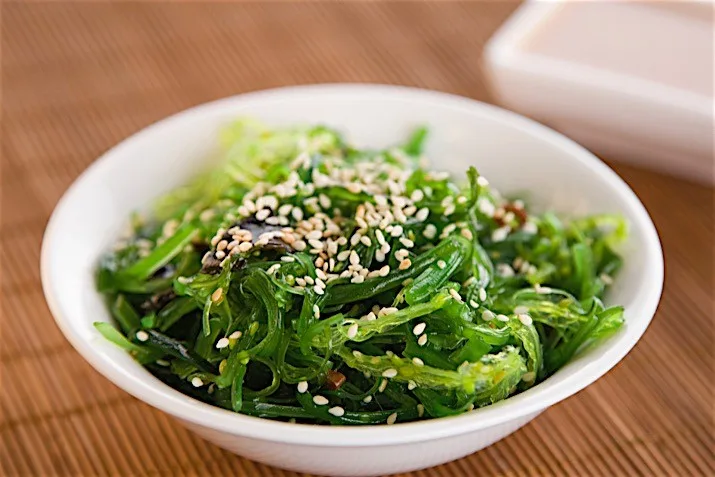
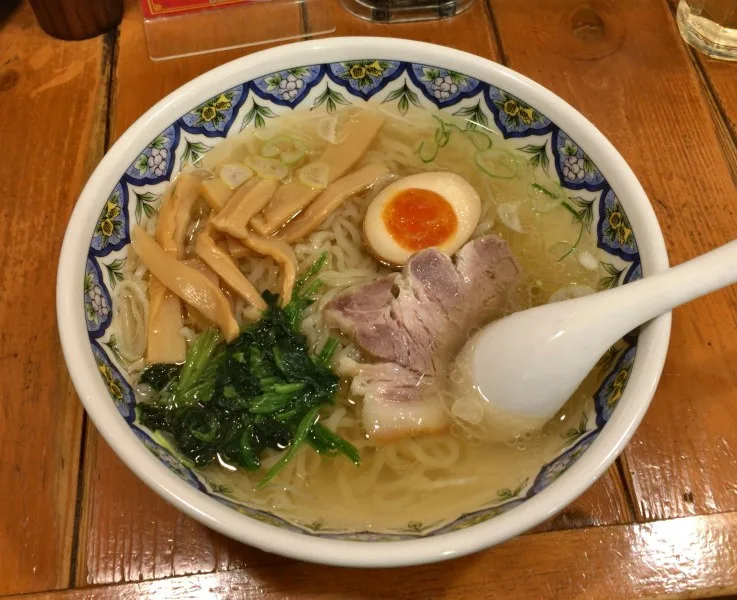
Wakame is versatile, delicious, and easy to add to your cooking. It can be used in a wide variety of recipes. It is generally sold dried and packaged to be added to salads and Japanese dishes such as misoshiro and ramen.
When using, soak in water, remove the salt, or rehydrate. It is often boiled or dried and then chopped. Wakame is frequently used as an ingredient in soups, vinegar dishes, salads, fried foods, and cooked dishes.
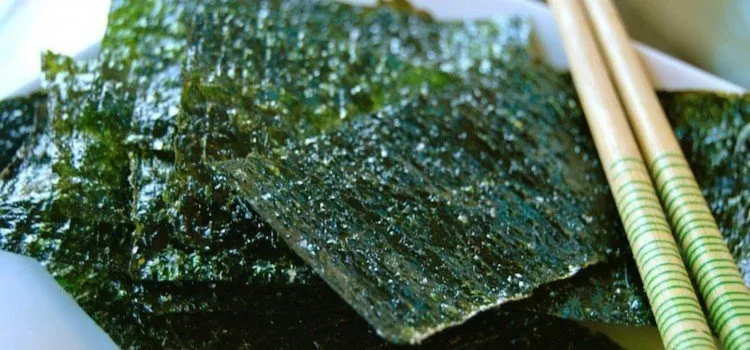
The seaweed has a sweeter flavor when consumed alone. Many may be wondering if this is the same nori seaweed used in sushi? Although the technique of pressing seaweeds can be used with different seaweeds, nori is generally made from red algae.
The history of Wakame
Remnants of seaweeds, including wakame, have been found in remains from the Jomon period, indicating its consumption is ancient. In the past, edible seaweeds were generally referred to as "me."
According to the Enki-shiki (927), many seaweeds, including wakame, were dedicated to deities and, according to the Shokurain Documents, were also used as salaries.
One of the earliest appearances of the word wakame is in the "Manyoshu", a compilation of poems from 759. The seaweed was used as food, an ingredient for vinegar and soup, and also for prayer rituals for a good harvest.
Japanese sea farmers have been cultivating this seaweed since the Nara period. Wakame was the ancient term used to refer to different types of seaweed. Over time, seaweeds began to be distinguished, leading to the emergence of kajime, kombu, arame, and others.
The first appearance in Western documents is in the Nippo Jisho (1603) and is called Vacame. It was only in 1960 that the seaweed was widely used in the United States and other Western countries, mainly in sushi bars.
Japanese and Korean sea farmers have cultivated wakame for centuries and remain the main producers and consumers. The Japanese seaweed is also cultivated in France since 1983.
Health benefits of Wakame
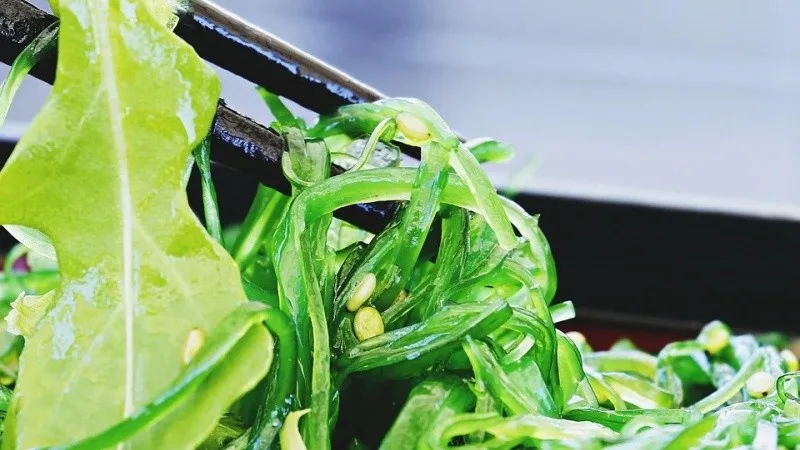
Wakame is low in calories and rich in nutrients. Small amounts are sufficient to help with the intake of minerals such as iodine, magnesium, folate, calcium, and manganese. It also contains vitamins A, C, E, and K, iron, copper, and phosphorus.
The high iodine content can help the thyroid, preventing diseases such as hypothyroidism. Wakame also reduces the risk of high blood pressure and other heart diseases. It also supports heart health and lowers blood cholesterol levels.
The seaweed also has cancer-fighting properties; studies reveal that it can block the growth of cancer cells and inhibit the growth of colon and kidney cancer cells. Others claim that the seaweed helps with hair treatment.
Wakame also lowers blood sugar and improves insulin resistance. Not to mention that its low calories also help with weight loss. The Japanese seaweed has anti-obesity effects capable of reducing fat tissue and waist circumference.
Wakame also prevents premature aging, as it is rich in antioxidants, vitamins, and beta-carotene. Being rich in choline, it also helps with brain health; could this be why Japanese people are intelligent?
In summary, the benefits of Japanese seaweed are:
- Low calories;
- Rich in nutrients;
- Rich in vitamins;
- Rich in minerals;
- Prevents thyroid issues;
- Lowers cholesterol;
- Lowers blood sugar;
- Reduces weight;
- Reduces cancer cells;
- Contributes to brain health;
The Dangers of Eating Wakame
Despite the benefits, there are also dangers in consuming any type of food in excess. The fact that wakame is rich in iodine requires caution in consumption, not exceeding 20 grams per day.
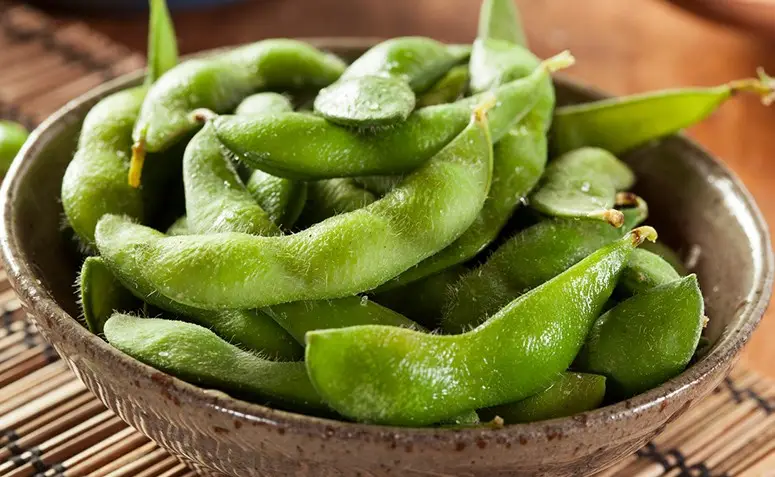
To reduce the iodine in wakame, you can eat it along with broccoli, kale, and soybeans, which tend to absorb iodine. Consuming excessive amounts can have the reverse effect on the thyroid and cause symptoms such as fever, stomach pain, nausea, and diarrhea.
Dried wakame can be high in sodium, so if you have blood pressure issues, consume it with care. Some may contain heavy metals, but they are in low amounts and do not require concern.
In fact, there is no need to worry too much when eating Wakame; some may not be used to hearing this, but these are the same warnings for any food. We do not want to discourage your consumption in any way. It's like reading a medication leaflet and seeing rare side effects.
Where to buy Wakame?
If you wish to buy Japanese seaweed, here are some websites that sell it:
Nutritional Information of Wakame
Below we have a table with nutritional information for 100 grams of wakame raw:
Responsive Table: Scroll the table sideways with your finger >>
| Energy | 188 kj (45 kcal) |
| Carbohydrate | 9.14 g |
| Sugar | 0.65 g |
| Dietary Fiber | 0.5 g |
| Fat | 0.64 g |
| Saturated Fatty Acids | 0.13 g |
| Monounsaturated Fat | 0.058 g |
| Polyunsaturated Fat | 0.218 g |
| Protein | 3.03 g |
| Tryptophan | 0.035 g |
| Threonine | 0.165 g |
| Isoleucine | 0.087 g |
| Leucine | 0.257 g |
| Ricin | 0.112 g |
| Methionine | 0.063 g |
| Cystine | 0.028 g |
| Phenylalanine | 0.112 g |
| Tyrosine | 0.049 g |
| Histidine | 0.209 g |
| Arginine | 0.092 g |
| Alanine | 0.136 g |
| Asparagine Acid | 0.179 g |
| Glutamic Acid | 0.199 g |
| Glycine | 0.112 g |
| Proline | 0.092 g |
| Serine | 0.078 g |
| Vitamin A Equivalent | 2% |
| Beta-Carotene | (2%) 216 mcg |
| With Lutein | 2% |
| Zeaxanthin | 2% |
| Thiamine (B1) | (5%) 0.06 mg |
| Riboflavin (B2) | (19%) 0.23 mg |
| Niacin (B3) | (11%) 1.6 mg |
| Pantothenic Acid (B5) | (14%) 0.697 mg |
| Vitamin B6 | (0%) 0.002 mg |
| Folic Acid (B9) | (49%) 196 µg |
| Choline | (3%) 13.9 mg |
| Vitamin C | (4%) 3 mg |
| Vitamin D | (0%) 0 IU |
| Vitamin E | (7%) 1 mg |
| Vitamin K | (5%) 5.3 µg |
| Sodium | (58%) 872 mg |
| Potassium | (1%) 50 mg |
| Calcium | (15%) 150 mg |
| Magnesium | (30%) 107 mg |
| Phosphorus | (11%) 80 mg |
| Iron | (17%) 2.18 mg |
| Zinc | (4%) 0.38 mg |
| Copper | (14%) 0.284 mg |
| Manganese | (67%) 1.4 mg |
| Selenium | (1%) 0.7 µg |
Videos about Wakame Seaweed
To conclude the article, we will leave some videos talking a bit more about this seaweed, its benefits, and recipes:
Recipe - Wakame Seaweed Salad
Ingredients for Seaweed Salad
- 1/2 cup of dried Wakame seaweed in strips;
- 1 grated carrot;
- 3 tablespoons of sesame seeds;
- 3 tablespoons of sesame oil;
- 1 tablespoon of soy sauce;
- 1 grated garlic clove;
- Salt to taste;
Preparation of Seaweed Salad
Soak the seaweed in 1 cup of water for 15 minutes. Drain the water and toast the sesame seeds in a pan. When the seeds start to pop, let them cool. In a frying pan, lightly toast the grated garlic; add the sesame oil, mix for a few seconds, turn off the heat, and wait for it to cool. Mix all the ingredients and serve.
Here's a tip for you to also make a delicious Misoshiro with Wakame. I hope you enjoyed the article; if you did, don't forget to share it with friends and leave your comments. Thank you!


Community
Comments
0 comments
There are no published comments in this language yet.
Send comment