
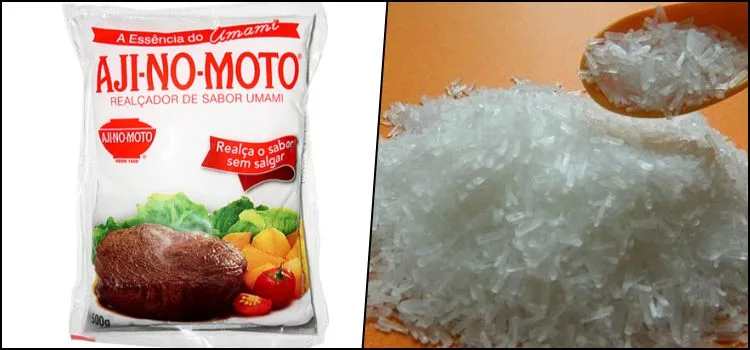
For those who don't know, aji no moto [味の素] literally means essence of flavor. This company is famous for selling monosodium glutamate (E621) and related products responsible for umami flavor. Does this product harm health?
MSG exists to enhance the flavor of food. Monosodium glutamate [E621], the same crystals people call Ajinomoto, shows up in Japanese and Chinese cooking and in plenty of packaged snacks. Online, that white powder is treated like a tiny villain. The scare travels faster than anyone bothers to check a label.
Contents 5
How is Ajinomoto made?
The "aji no moto" is produced through a fermentation process. Foods such as fish, dairy, tomatoes, mushrooms, meats, and vegetables are already rich in glutamate and in the umami flavor.
We eat those foods every day, and they already give meals their depth. The industrial seasoning sold in dozens of countries is an amino acid obtained by fermenting carbohydrate sources such as sugar cane, sugar beets, starch, or molasses — closer to how vinegar or yogurt is made than to a mysterious lab powder. In 1908, Japanese chemist Kikunae Ikeda isolated that savory taste from kombu broth and patented the product the following year. That is why the brand name stuck as a synonym for MSG.
Monosodium glutamate is widely used in restaurants and fast food to enhance flavor, which is why snacks from those places taste so complete. Think of a roast: a pinch of E621 does not invent a new taste so much as turn the volume up on the meat already there.
The big problem is that some people associate monosodium glutamate with migraines, allergies, hypertension, and other diseases. Shall we find out how much of that holds up?
Does monosodium glutamate actually harm you?
First, we must remember that everything in excess is harmful, even water. And the name already warns you: monosodium glutamate contains sodium.
People use MSG to enhance flavor, then still pour salt as if the two jobs were the same. Ajinomoto is not meant to replace every seasoning. Used in place of some of the salt, it can make a meal tastier with less sodium — not because glutamate is a vitamin, but because it carries about one-third the sodium of table salt.
Have you ever eaten in Japan? The Japanese do not usually season with a heavy hand of salt, and the food rarely tastes "salty" in the Western sense, and you will not easily find salt sachets on restaurant tables.
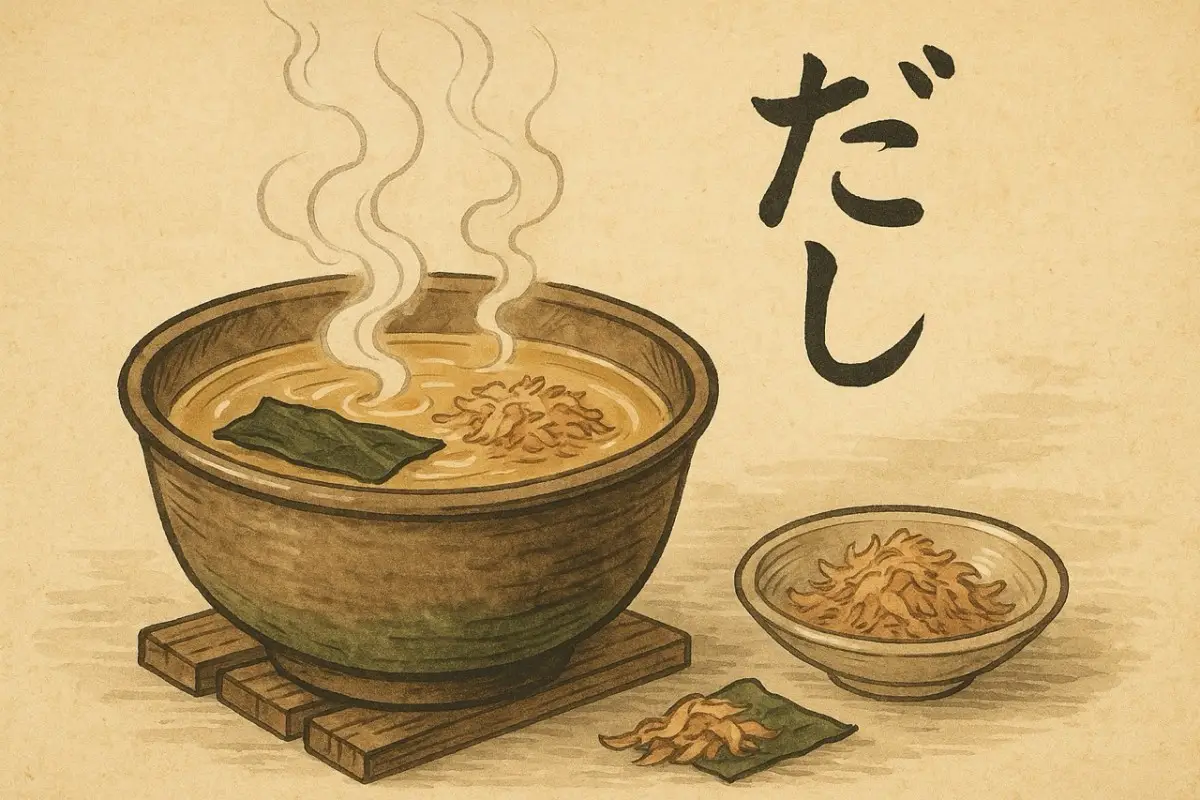
They season with condiments, herbs, and umami-rich bases such as dashi. Foods already high in glutamate, or a measured pinch of ajinomoto, lift that seasoning instead of burying it under salt the way many Western tables still do.
If monosodium glutamate were slowly wrecking a nation, Japan would be an odd place to look for one of the world's highest life expectancies. That is not a medical trial — it is a reminder that the controversial powder is chemically the same glutamate already sitting in tomatoes, cheeses, and mushrooms.
Most people eat tomatoes every week and never dropped salt just because it contains sodium. Quality control of processed food is a separate question from glutamate itself. A cheap snack can be a mess of fat, sugar, and salt whether or not E621 is on the label.
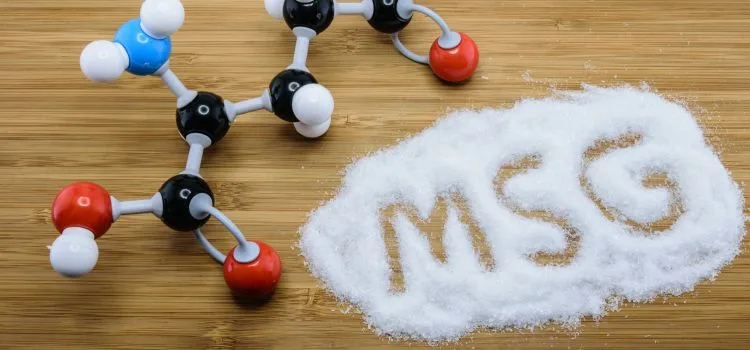
Lies spread on the internet about ajinomoto
A lot of the panic still comes from viral posts that claim monosodium glutamate causes colon or stomach cancer, and that the World Health Organization banned it. There is no solid evidence for the cancer claim, and the ban is simply false.
Health agencies have reviewed MSG for decades. In the United States it is treated as generally recognized as safe. The FAO/WHO expert committee on food additives has long considered typical dietary use acceptable. In 2017 the European Food Safety Authority set a group acceptable daily intake of 30 mg per kilogram of body weight per day for glutamic acid and its salts used as additives — a ceiling, not a poison label.
You already know how lies travel. They spread so well that people still think Hello Kitty made a pact with the devil.
Remember that it is much easier for people to share bad news than good. If this page were attacking ajinomoto, it would already be in someone's group chat.
I am afraid people will not share a defense, because a defense is not as exciting as a warning. Many want to protect others and end up passing along things that may not be true.
Of course a person can have an adverse reaction. Plenty of Western palates barely register umami, so a heavy Chinese or Japanese meal can feel like "too much" for reasons that have nothing to do with a single additive — oil, salt, volume, or just an unfamiliar taste.
What does not bother some people may bother others, especially in excess. E621 makes food moreish. There are people who even eat aji-shio straight. That is a habit problem, not proof that glutamate is a street drug.

Other truths and lies about ajinomoto
A few tablespoons of ajinomoto in one sitting can cause side effects such as dizziness and headaches. Overeating can make you feel awful too. Have control, but don't pin every bad afternoon on monosodium glutamate.
Remember that ajinomoto enhances flavor. If a dish is already aggressive without it, imagine with it.
Some claim that E621 harms neurons. Where do people get these ideas? Dietary glutamate is used heavily by the gut. Almost none of a normal meal's glutamate floods the brain the way injection studies in animals do. Japan has never had an epidemic of seasoning-induced brain damage.
Several studies of so-called Chinese restaurant syndrome have not shown a consistent link with MSG. In challenge tests, people who did not even consume monosodium glutamate still reported the same symptoms. When researchers do provoke a reaction, it is usually after a large dose on an empty stomach — around 3 grams or more without food. A typical serving of food with added MSG holds less than 0.5 grams.
People stop using ajinomoto but forget this: most proteins already contain glutamate. Endopeptidases in the stomach and small intestine release free glutamate from ordinary food. Added MSG becomes the same free glutamate in your gut.
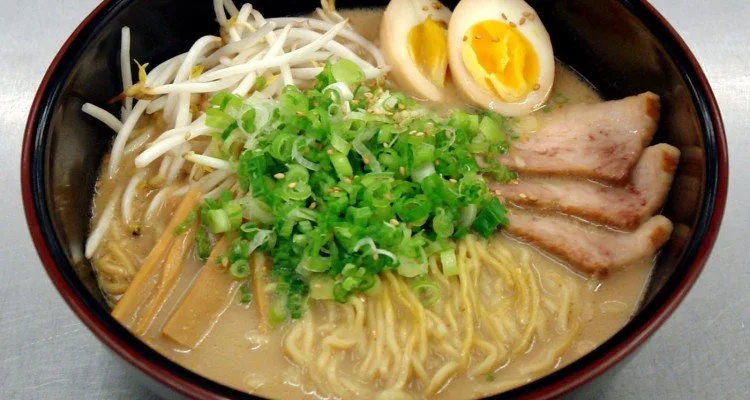
Should I use monosodium glutamate or not?
Use ajinomoto in moderation and, for most people, it will not be the health crisis the internet promised. There are plenty of things on a modern plate that deserve more worry than a pinch of umami salt.
That does not mean you should drown processed food in E621 and call it a health plan. It means the studies that treat MSG as uniquely toxic are often using doses or delivery methods that have little to do with a home kitchen.
So far, reviews of typical dietary glutamate describe very low toxicity at normal use. The "15 kilograms to kill you" figure that still circulates is a mangled rumor, not a serving suggestion. What regulators actually talk about is the difference between a pinch in food and a multi-gram slug on an empty stomach.
You can eat it if you don't have reactions. It doesn't matter that glutamate is also natural: sugar is natural and still causes trouble in excess. Have control. Prefer umami from kombu, tomatoes, mushrooms, and cheese when you can.
And if you feel something and you are sure ajinomoto was responsible, avoid it. Bodies differ. Some people feel unwell after peppers, eggs, or pork. It is not strange if someone feels unwell after glutamate.
We are not saying glutamate does no harm and can be consumed freely. We are saying the popular side-effect story is sloppier than the kitchen reality. Everything needs control. Have you ever had a problem with this amino acid? Do you cook with it? What has your experience been?




Community
Comments
0 comments
There are no published comments in this language yet.
Send comment