
When people talk about Japan, the same shortcuts pop up: cutting-edge tech, disciplined students, trains that run on time, and the casual claim that “Japanese people are just more intelligent.” It sounds flattering until you notice how often the praise slides into a racial story—or a pressure cooker for anyone of Japanese descent who never asked to represent a whole country’s IQ.
What looks like “natural genius” from the outside is usually something more ordinary and more demanding: years of schooling, social expectations, daily habits, and a culture that treats effort as non-negotiable. The interesting question is not whether one “race” wins a mental Olympics. It is how Japan trains attention, responsibility, and group work—and what that reputation costs when it becomes a stereotype.
Contents 4
Do Japanese people have a higher IQ?
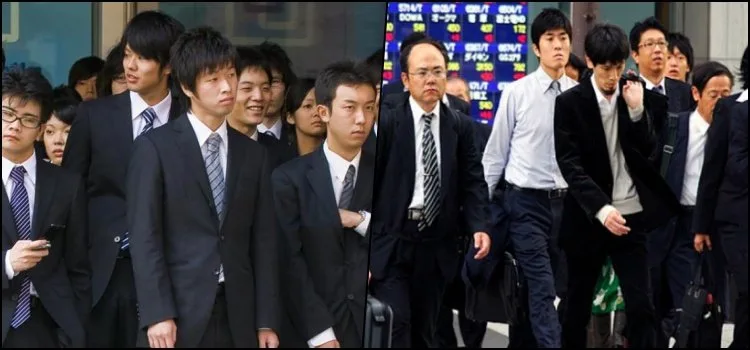
Plenty of articles and dinner-table theories still treat “Asian IQ” as a settled ranking of races. That framing is wrong in spirit and harmful in practice: it flattens individuals into a scoreboard, and it burdens Japanese people—especially those living abroad—with an obligation they never signed. Descendants often report the flip side of the compliment: surprise when they struggle, jokes that cut deep, or pressure to be the “smart one” in every room.
IQ, school scores, and everyday cleverness are individual. Japanese people can score high, average, or low, the same way Brazilians, Americans, Nigerians, or anyone else can. There is no honest way to read a passport and announce a brain. What international tests such as PISA actually measure is closer to how well school systems teach reading, math, and science to fifteen-year-olds—not a racial essence of intelligence.
Japan’s strong results on those assessments matter, and they are real. They still do not prove a genetic “Japanese superiority” story. They sit next to curriculum design, teacher culture, after-school study, family expectations, and the simple fact that many countries with different histories also produce high performers. Treating averages as destiny is how stereotypes harden into racism—against Westerners, against Japanese people, and against anyone stuck in the middle of the comparison.
It is not magic intelligence—it is effort and education
Strip away the myth and the pattern is cultural: long school days, entrance-exam pressure, respect for teachers, and a widespread belief that hard work can move results. Anyone can practice pieces of that “Japanese intelligence” reputation; nobody inherits it by blood type. Effort is the boring explanation that keeps winning.
Looked at from another angle, Japan’s path was never an easy script for “natural brilliance.” The country spent centuries with limited contact, rebuilt after war, writes with a layered system of kanji and kana that takes years to master, and still eats with chopsticks—none of which is a genetic IQ certificate. What stands out is how education and daily life keep training attention, memory, and social discipline.
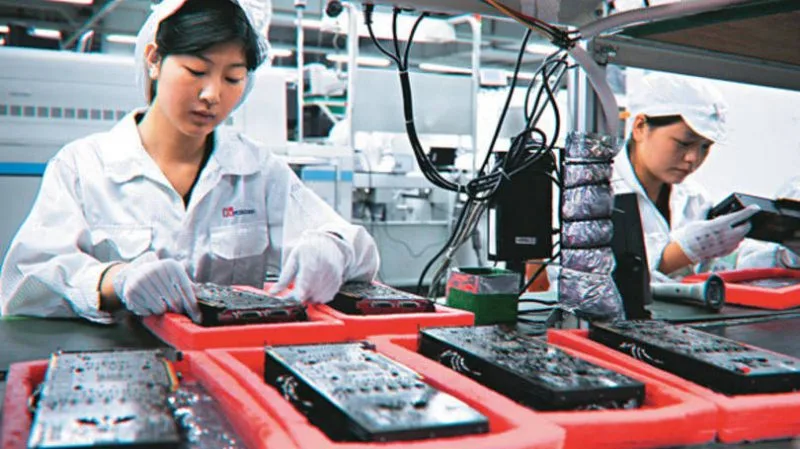
School performance and polite public life also look sharper when you compare them with places where large groups of young people treat learning as optional, distraction as default, and public manners as optional theater. That contrast exists in many countries; it is not a Japan-only miracle. Where study, shame about failing the group, and steady routines win, people start calling the outcome “intelligence.” Where short-term pleasure and status games win, the same brains look “lazy.” Culture is not destiny either—but it stacks the odds.
Japanese social training also values humility, consideration, and omotenashi: thinking of others before performing cleverness. That does not make every person kind, but it does shape workplaces, customer service, and classrooms. Exceptions exist everywhere; the average expectation still differs from more individualistic scenes.

Other influences people confuse with “being smarter”
Writing and memory. Learning kanji is heavy mental exercise: shape, sound, and meaning have to stick together. That practice can train memory and visual discrimination. It does not grant a secret IQ chip—but it does mean many Japanese children spend years doing cognitive work Western schooling often skips.
Everyday food patterns. A diet rich in fish, vegetables, and fermented foods, with less heavy sugar and fat in traditional meals, supports long-term health. Health is not intelligence, yet energy, sleep, and focus are easier to protect when the table is not a junk-food marathon. Treat this as a lifestyle tendency, not a miracle brain food for every citizen.
Independence from childhood. Many kids walk to school, manage belongings, and take turns cleaning classrooms—including toilets. Responsibility arrives early. That habit shapes decisions later: fewer adults waiting for someone else to fix small problems, more practice focusing on useful tasks.
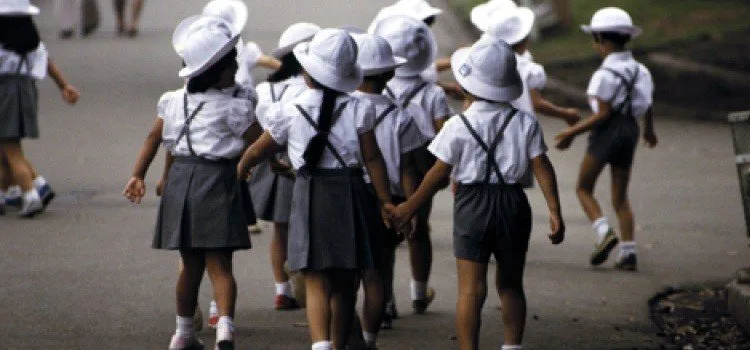
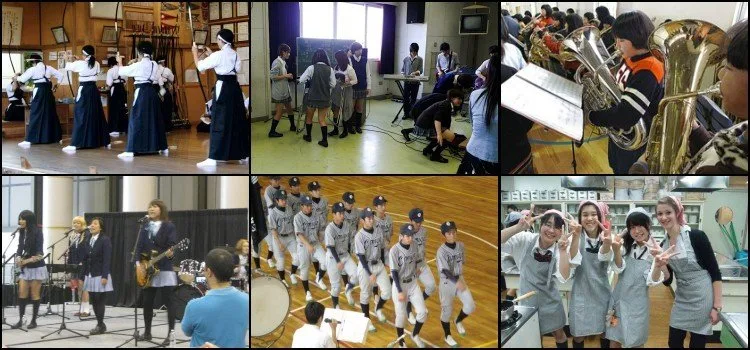
Group cooperation. Japanese workplaces and schools often prize teamwork over lone-wolf brilliance. “Two heads think better than one” is not a slogan only; group problem-solving is a practiced skill. That can look like collective intelligence even when no individual is a genius.
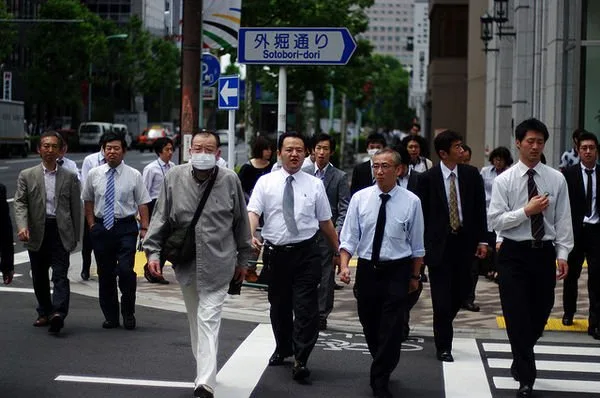
A friction-light public life. Stations, convenience stores, clear signage, and reliable services free mental bandwidth. When daily logistics are smoother, people can spend more attention on school, work, or craft. Infrastructure is not IQ—but bad infrastructure steals IQ-like performance every day.
What international tests actually show. In PISA 2022, Japanese fifteen-year-olds scored well above OECD averages in mathematics, reading, and science, with relatively few low performers in math and a comparatively modest link between family wealth and results. Tertiary attainment among young adults is high by rich-country standards—nowhere near a mythical “90% of the whole population with university degrees,” but clearly a system that pushes learning far past basic literacy. Juku (cram schools) and exam culture amplify the same message: effort is expected, not optional.
Are all Japanese people like this?
No. Generalization is the fastest way to lie. Plenty of Japanese people are selfish, uninterested in study, or exhausted by the rules. Plenty of people outside Japan live carefully, read deeply, and work with discipline. A passport is not a personality.
Japan also carries heavy costs of pressure: ijime (bullying), hierarchy that can silence dissent, and social shame that contributes to isolation and, in tragic cases, suicide. Gambling, game binges, and withdrawal from work or school (including hikikomori-like patterns) exist alongside the image of the perfect student. Some people replace difficult relationships with screens and fictional characters. None of that cancels high average school performance; it does cancel the fairy tale that “everyone in Japan is a genius.”

Shame as fuel. Fear of letting the group down still pushes many people to prepare harder, apologize faster, and hide failure. That motive is old—older than modern schools—and once connected, in extreme historical cases, to ritual death after grave error, including seppuku. Today the form is different; the emotional engine of haji (shame) still shapes classrooms and offices.
Ethics as a performance multiplier. Honesty in small public services, respect for shared spaces, and gratitude as a social glue do not raise a genetic IQ score. They do make cooperation cheaper and conflict less chaotic. When those habits weaken, “smart systems” fray even if test scores stay high for a while.
So is the Japanese reputation for intelligence “true”? Partly—if you mean strong schooling, trained effort, and social skills that look like competence in public. It is false if you mean a racial ranking or a guarantee that every Japanese person is brilliant. The useful lesson is portable: build habits, institutions, and expectations that reward learning—and refuse stories that turn human variety into a race leaderboard.




Community
Comments
0 comments
There are no published comments in this language yet.
Send comment