
If you have watched enough battle shounen, you can usually spot the hero before he even speaks. The haircut is louder, the goal is bigger, and common sense is often the first casualty. That does not make these protagonists bad. In many cases, it is exactly why they work.
This guide is a tongue-in-cheek look at the most common traits used to build a shounen protagonist. If you want to write one, parody one, or simply understand why characters like Naruto, Luffy and Asta feel immediately familiar, these are the patterns that appear again and again.

Contents 12
What usually defines a shounen protagonist?
Shounen stories usually favor momentum, rivalry, visible growth and emotional payoffs over subtle realism. Because of that, the protagonist tends to be easy to read: a big dream, a blunt personality, a stubborn moral core and enough energy to drag the whole cast into motion. Even when the formula changes, the silhouette of the archetype is still recognizable.
The fun part is that these traits can be used in two very different ways. Played straight, they create a dependable hero who keeps the story moving. Pushed too far, they become the exact clichés fans love to mock. That thin line is what makes the archetype so entertaining.
9 classic shounen protagonist tropes
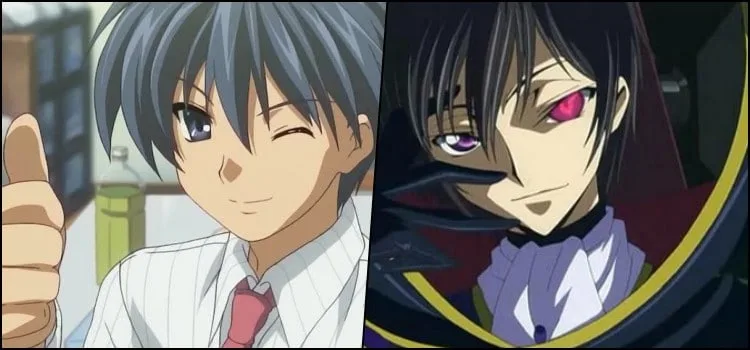
1. The look screams protagonist
Start with a design that is impossible to confuse with anyone else in the room. Spiky hair, a loud color palette, a scar, oversized accessories or a silhouette that reads clearly even in shadow all help. In action-heavy series, the hero often needs to be identifiable in a split second.
This does not mean every protagonist must look extravagant, but the design usually carries a promise. Before the character says a word, the audience can already tell this is the one who will pick fights, make speeches and survive impossible odds.
2. A painful backstory helps, but it should still serve the story
Dead parents, abandonment, social rejection and lonely childhoods show up so often that they almost feel mandatory. The reason is simple: hardship creates sympathy fast and gives the protagonist a wound the plot can keep pressing.
The trope works best when the backstory affects present choices instead of existing only as decoration. Naruto's isolation shaped his need for recognition. A weaker version of the trope is when tragedy exists only because the genre expects it.
[caption id="attachment_18192" align="aligncenter" width="500"]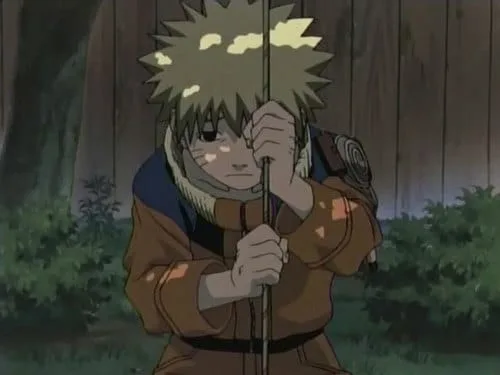 Naruto is one of the clearest examples of a hero shaped by rejection.[/caption]
3. Emotional impulse often beats careful planning
Many shounen heroes act first and think later. They get angry quickly, jump into danger without a full plan and trust instinct more than caution. In real life this would be exhausting. In fiction, it keeps the story from sitting still.
The risk is turning energy into stupidity. A protagonist can be impulsive without being empty-headed, and the best series know when to let recklessness create consequences instead of easy victories.
[caption id="attachment_18193" align="aligncenter" width="225"]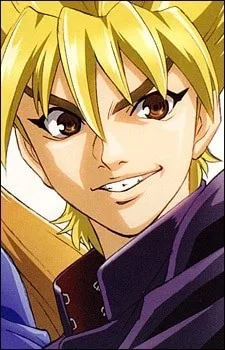 Impulse is charming only when the story knows how to use it.[/caption]
4. Formal intelligence is optional, instinct is mandatory
Bad grades, no patience for theory and total disaster in ordinary situations are common features of the archetype. Yet the same character can read a fight, adapt mid-battle and exploit an opening with perfect timing. Shounen logic often separates classroom intelligence from combat intelligence.
That contrast gives the hero room to be funny without making him useless. The audience laughs when he misses obvious social cues, then cheers when he understands a battle faster than everyone else.
[caption id="attachment_18195" align="aligncenter" width="620"]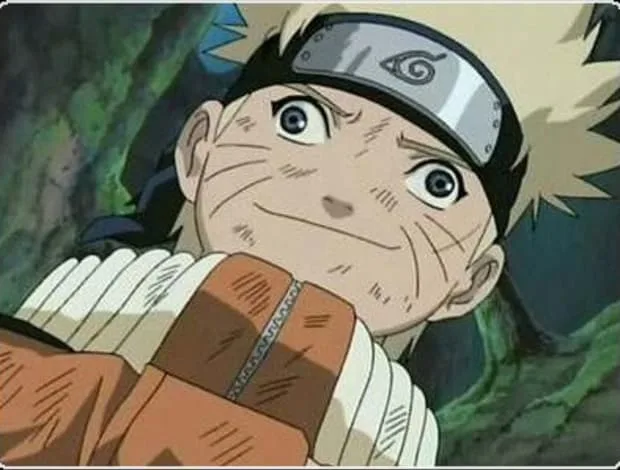 Many shounen leads struggle in class but suddenly become tactical in a fight.[/caption]
5. The goal must be simple enough to shout
Becoming Hokage, Pirate King or the strongest fighter in the world works because the objective is clear, memorable and easy to repeat. A good shounen goal is not hidden in subtext. It becomes part of the character's identity.
Simple does not mean shallow. The strongest goals carry emotional meaning underneath the slogan. The public dream is what the hero says out loud; the private need is what gives that dream weight.
[caption id="attachment_18194" align="aligncenter" width="750"]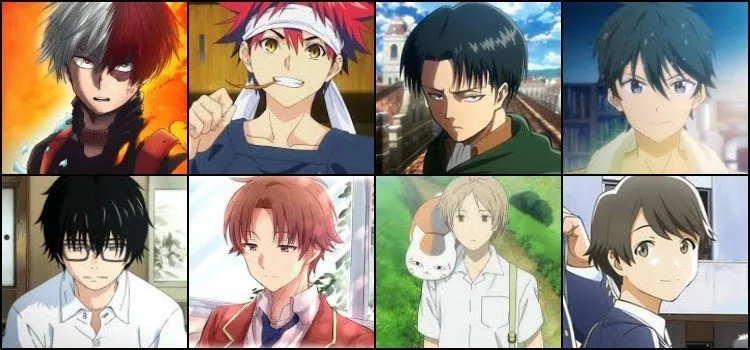 A loud dream is easier to remember when the hero wears it like a slogan.[/caption]
6. Plot armor is real, but readers forgive it when the payoff lands
Shounen fans complain about plot armor and then celebrate the comeback anyway. The hero survives injuries that should end the fight, unlocks a power at the perfect moment or wins through sheer narrative force. It is one of the oldest tricks in the genre.
This trope stops being fun when victories feel unearned every single time. It works better when the story ties the comeback to prior training, emotional stakes or a rule that was established early enough to feel fair.
[caption id="attachment_18196" align="aligncenter" width="1600"]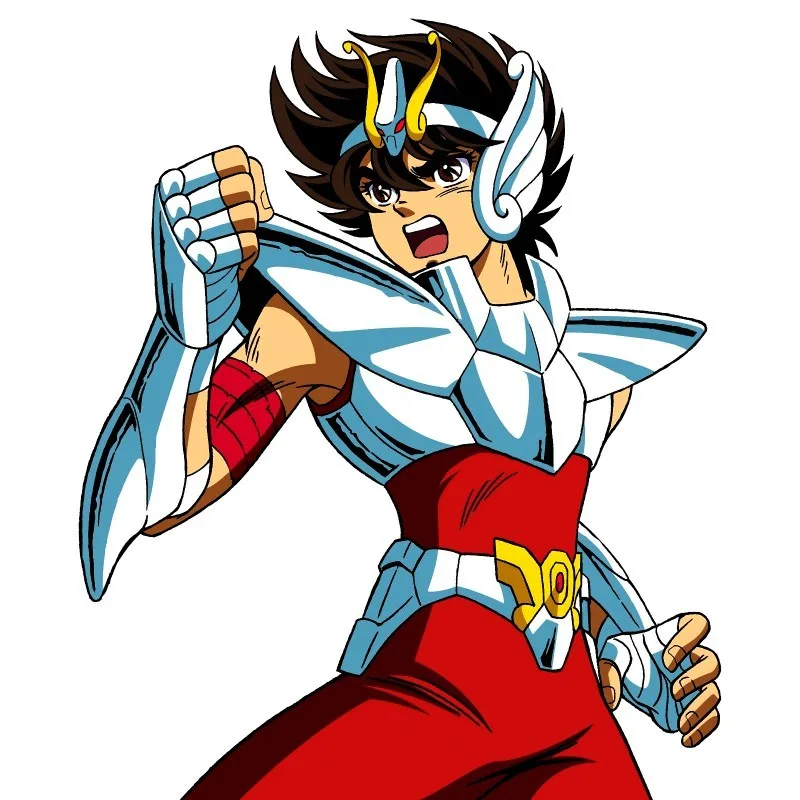 Fans will accept absurd survival rates if the emotional payoff is strong enough.[/caption]
7. Giving up is forbidden
Persistence is one of the healthiest parts of the formula. The protagonist gets humiliated, defeated or outclassed and still refuses to stop. That persistence is often the emotional center of the genre, especially in long-running battle series built around growth.
The cliché appears when persistence turns into repetition for its own sake. If the hero keeps trying the same move with no change in approach, the scene starts to feel stubborn instead of inspiring.
[caption id="attachment_18197" align="aligncenter" width="800"]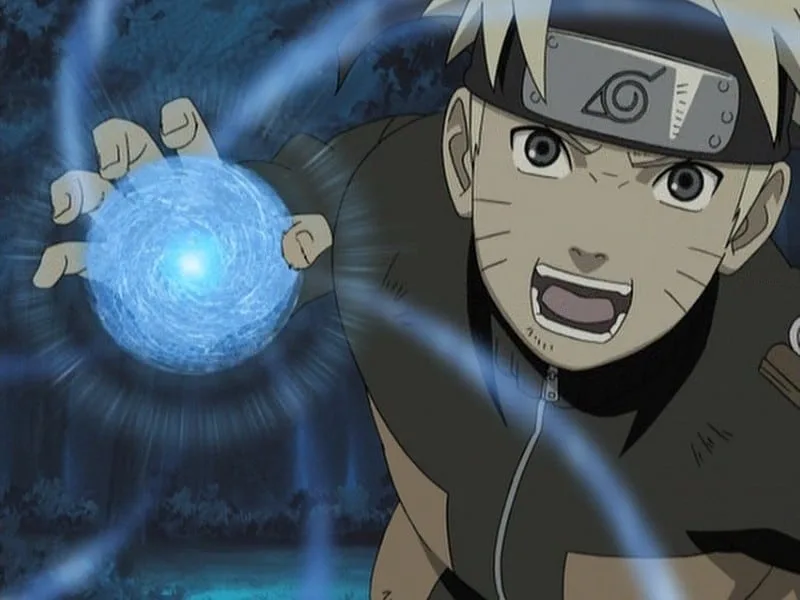 Repetition feels exciting only when persistence is paired with growth.[/caption]
8. Romance usually trails far behind the main quest
Even when somebody clearly likes the protagonist, the story often treats romance as background noise. The hero is too focused on training, rivalry or saving the day to notice what is obvious to everyone else.
This can be funny in moderation, but it also reveals a real genre habit: emotional development is often easier to postpone than combat progression. When a series never lets the protagonist mature in this area, the joke starts to wear thin.
[caption id="attachment_18199" align="aligncenter" width="1724"]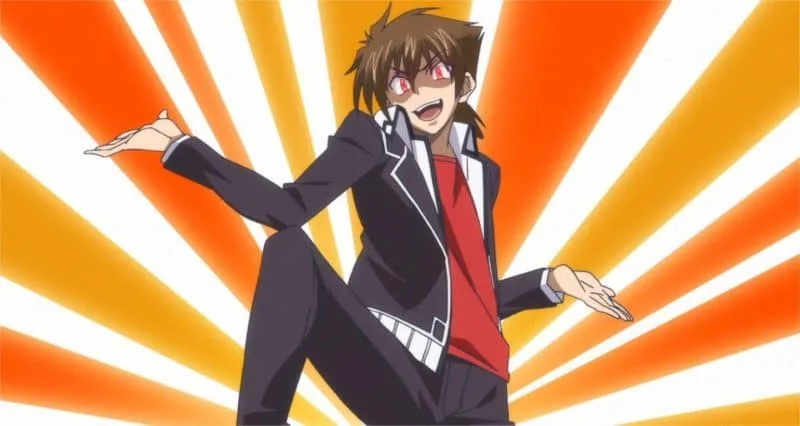 A hero can defeat monsters and still miss the most obvious romantic signal in the room.[/caption]
9. The hero's moral instinct bends the world around him
Another classic trope is that the protagonist's gut feeling is treated as morally correct even when older, smarter or more experienced characters disagree. In a weaker script, that becomes blind hero worship. In a stronger one, it becomes a clash between idealism and cynicism.
That is why the best shounen protagonists are not just loud or fearless. They also force the story to answer a hard question: what if somebody really refuses to accept the world's uglier rules?
How to use these tropes without writing a generic hero
If you want to create a memorable protagonist, use the formula as a starting point instead of a cage. Give the character a strong external goal, but also a contradiction that changes how he reacts to pressure. Let persistence create growth, not immunity. Let design communicate personality instead of replacing it.
Most of all, remember that the audience does not fall in love with a checklist. They respond to energy, vulnerability, chemistry and payoff. Tropes are easy to spot, but they only become effective when the character feels alive inside them.
If this kind of anime writing pattern interests you, it is also worth checking our pieces on Ghost Stories and fan service in anime and manga, since both explore familiar anime habits from different angles.

Community
Comments
0 comments
There are no published comments in this language yet.
Send comment