

Working in Japan without Japanese ancestry is an achievable goal for professionals and graduates worldwide. While many job postings prefer candidates already residing in the country, hundreds of Japanese companies, international corporations, and startups actively recruit talent from overseas. Landing a position requires understanding legal visa criteria, targeting the right platforms, and demonstrating skills that Japanese employers need.
Contents 4
Requirements to get a job in Japan
Whether you already live in Japan or are applying from abroad, fulfilling the baseline criteria established by Japanese immigration is the foundation of any job search. The primary legal requirement for most work categories, including the common Engineer / Specialist in Humanities / International Services visa, is holding a bachelor degree or having at least ten years of verified professional experience in your field. Specific technical roles in software and IT may also accept officially recognized ministry certifications in place of a formal degree.
Language proficiency directly shapes the breadth of your opportunities. Fluency in Japanese, particularly around JLPT N2 or N1 levels, allows you to compete for domestic corporate roles and integrate into traditional workplace environments. For candidates who want to strengthen their skills before entering the market, reviewing our guide on reasons to study Japanese can help prioritize daily practice. At the same time, specialized fields such as software engineering, game development, international marketing, and language education frequently operate in English and prioritize technical competence over advanced Japanese.
Specialization makes your profile stand out. Japanese firms value candidates with practical skills in software development, cloud infrastructure, tourism management, translation, industrial design, and global business. Obtaining certifications in Japanese that increase your salary can provide tangible proof of your abilities during technical screenings. Most importantly, job hunting in Japan rewards consistency. Candidates often send dozens of tailored applications and complete multiple interview rounds before receiving an offer.
According to official data published by the Immigration Services Agency of Japan, more than 3.4 million foreign residents currently live and work legally across the country. The vast majority of these residents built their careers in Japan without any ancestral ties.
Where to look for a job in Japan
Knowing where to find verified openings that offer visa sponsorship saves months of effort. The following portals specialize in international hiring and bilingual positions:
- GaijinPot Jobs: One of the longest-running platforms for foreign job seekers, featuring English teaching roles, hospitality work, IT positions, and entry-level corporate opportunities.
- Jobs in Japan: A trusted job board covering a wide spectrum of industries across Tokyo, Osaka, and regional prefectures, with clear filters for visa sponsorship.
- Daijob: Specialized in mid-career and senior bilingual roles for multinational enterprises and established Japanese corporations.
- CareerCross: A leading recruitment portal for bilingual candidates seeking professional careers in finance, sales, engineering, and consulting.
- Japan Dev and TokyoDev: Specialized job boards focused entirely on modern software development and engineering positions with English-speaking teams and full visa assistance.
- JREC-IN Portal: The official Japanese government portal for academic, research, and university teaching positions throughout the country.
The hiring process in Japan generally follows structured stages: document screening of your resume and work history, followed by two to four rounds of interviews. Employers evaluate cultural adaptability and communication skills alongside technical expertise. Demonstrating flexibility and a clear commitment to building a life in Japan reassures hiring managers during final discussions.

The myth about visas for descendants
A widespread misconception suggests that Japan only opens its doors to people of Japanese descent (Nikkei). Japanese immigration law does provide specific residential categories for descendants, such as the Long-Term Resident or Child of a Japanese National visa, which permit unrestricted employment across any sector including factory shifts. However, standard professional visas are completely open to qualified applicants of any nationality.
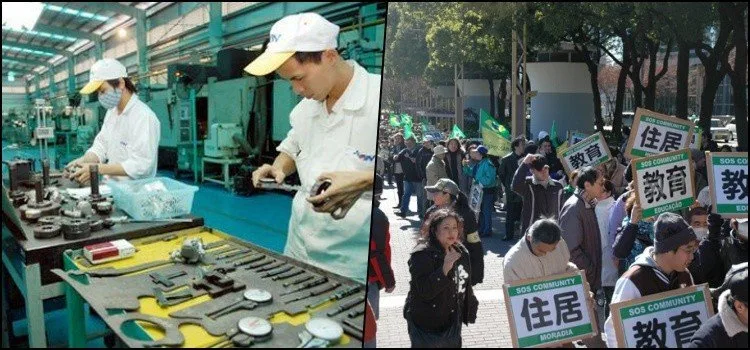
Factory staffing agencies and industrial contractors frequently recruit descendants because their residential status carries fewer administrative restrictions on manual labor. In contrast, corporate, educational, and technical employers sponsor standard employment visas based purely on educational qualifications, job descriptions, and signed employment contracts. Japan faces structural demographic shifts and actively expands legal frameworks to welcome international professionals across various sectors.

How to get hired from abroad
Securing a position from overseas requires securing a formal job offer first. Once a company extends an offer, they initiate the application for your Certificate of Eligibility (COE) with their regional immigration bureau. After immigration grants the COE, the employer mails the certificate to you, allowing you to finalize your work visa at the nearest Japanese embassy or consulate before traveling.
For many international candidates, coming to Japan through an educational pathway provides the smoothest transition into the local job market. Enrolling in a certified language school or attending a Japanese university allows you to immerse yourself in the culture while networking directly with domestic recruiters. Our overview of universities in Japan by region outlines the academic landscape. Student visa holders can apply for official permission to engage in part-time work up to 28 hours per week, helping cover living expenses while preparing for full-time graduation recruitment (shukatsu).
In addition, citizens of countries with bilateral Working Holiday agreements, such as the United Kingdom, Canada, Australia, New Zealand, and several European nations, can live and work in Japan for up to a year. This arrangement provides an excellent opportunity to attend in-person interviews and transition into a sponsored work status.
Be cautious regarding tourist visa conversion. Japanese immigration regulations generally require foreign nationals to enter on an appropriate long-term status rather than switching from Temporary Visitor status inside Japan, unless exceptional circumstances apply and a COE is already approved. Following the standard consular route ensures clean legal compliance.
Our friend Rodrigo Coelho successfully landed a professional role in Japan without Japanese ancestry by preparing his portfolio, reaching out to organizations directly, and persisting through the interview process. For more perspective on diverse career trajectories, read our guide on how to work in Japan without working in a factory.
Landing a job in Japan requires preparation and patience, but the opportunities for international professionals continue to grow. Have you started your applications, or do you have questions about specific visa categories? Share your thoughts and experiences in the comments below.




Community
Comments
0 comments
There are no published comments in this language yet.
Send comment