
In this article, we will share essential phrases and everyday expressions related to money in the Japanese language. Whether you want to talk about personal budget limits, discuss being broke, or handle everyday purchases while traveling, these practical sentences and vocabulary will help you navigate financial conversations in Japan.
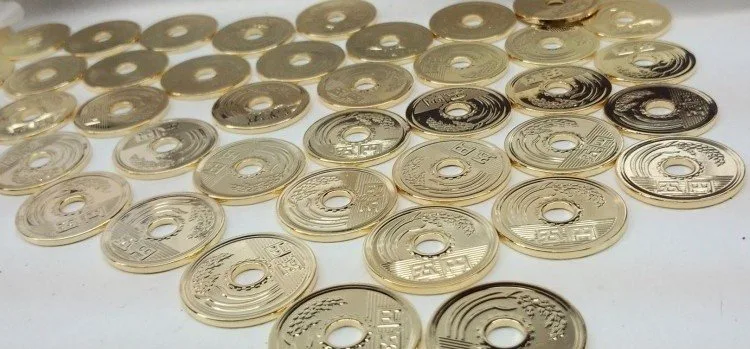
To better understand how currency works in Japan, you can also explore our guides on Japanese yen coins, learn why Japan's currency does not use fractional cents, and discover the traditional Kakebo method for saving money.
Contents 4
Phrases about Financial Tightness and Lack of Money
The following sentences are commonly used when discussing personal financial limits, unexpected expenses, or simply being broke. If you are viewing this page on a mobile device, you can swipe the table horizontally to read the full Romaji and English translation.
Responsive Table: Swipe the table sideways with your finger >>
| Japanese | Romaji | Translation |
| お金がありません。 | Okane ga arimasen. | I have no money. |
| 僕にはそんなにお金を出す余裕はない。 | Boku ni wa sonnani okane o dasu yoyū wa nai. | I cannot afford to pay that much. |
| 家賃を払うお金がありません。 | Yachin o harau okane ga arimasen. | I have no money to pay the rent. |
| 僕はしばしばお金に困る。 | Boku wa shibashiba okane ni komaru. | I often run out of money. |
| お金の不足は愛を殺す。 | Okane no fusoku wa ai o korosu. | Lack of money kills love. |
| 歩道にお金が落ちていた。 | Hodō ni okane ga ochite ita. | I found money on the sidewalk. |
| 私はお金はないけど、幸せだ。 | Watashi wa okane wa nai kedo, shiawase da. | I am broke, but I am happy. |
| 彼女は少しお金を持っていた。 | Kanojo wa sukoshi okane o motte ita. | She had a little money. |
| 私の給料は少なすぎる。 | Watashi no kyūryō wa sukuna sugiru. | My salary is too low. |
| 今月はお金が厳しいんだ。 | Kongetsu wa okane ga kibishī nda. | This month money is tight. |
| 父はいつもお金がない。 | Chichi wa itsumo okane ga nai. | My father is always broke. |
| お金がないので、プチッと旅行。 | Okane ga nai node, puchitto ryokō. | Since money is tight, it will be a very short getaway. |
| 友達にお金を借りました。 | Tomodachi ni okane o karimashita. | I borrowed money from a friend. |
| お金がなくて大変な状況にある。 | Okane ga nakute taihen na jōkyō ni aru. | I have no money and find myself in a difficult situation. |
| わずかなお金 | Wazukana okane | A meager amount of money, a pittance. |
Essential Vocabulary for Shopping and Paying at the Register
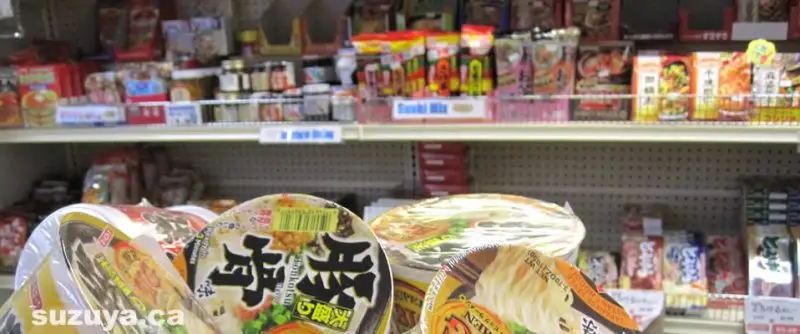
When shopping in retail stores, convenience stores (konbini), or dining at restaurants in Japan, having the right phrases ready at the checkout counter makes every interaction smooth and polite.
Responsive Table: Swipe the table sideways with your finger >>
| Japanese | Romaji | Translation |
| いくらですか? | Ikura desu ka? | How much is it? |
| これはいくらですか? | Kore wa ikura desu ka? | How much is this? |
| お会計をお願いします。 | O-kaikei o onegaishimasu. | The bill, please. |
| 現金でお願いします。 | Genkin de onegaishimasu. | With cash, please. |
| クレジットカードは使えますか? | Kurejitto kādo wa tsukaemasu ka? | Do you accept credit cards? |
| カードでお願いします。 | Kādo de onegaishimasu. | By card, please. |
| お釣り | O-tsuri | Change (returned money) |
| レシートをお願いします。 | Reshīto o onegaishimasu. | Receipt, please. |
| 領収書をお願いします。 | Ryōshūsho o onegaishimasu. | Formal tax receipt, please. |
| 割引 | Waribiki | Discount, price reduction |
| 袋は要りません。 | Fukuro wa irimasen. | I do not need a plastic bag. |
Japanese Money Etiquette: Cash Trays and Courtesies
Payment customs in Japan follow specific cultural etiquette designed to ensure transparency, cleanliness, and mutual respect between customers and clerks.
In almost every store or restaurant, you will notice a small tray called a tsuritoban or katorē placed on the counter. Customers place their cash or payment card directly into this tray rather than handing bills from hand to hand. The clerk counts the bills clearly, calculates any change, and places the returned money and receipt back into the tray for you to collect.
Tipping is not customary in Japanese culture. Standard service in restaurants, hotels, and taxis already includes full hospitality, known as omotenashi. Leaving extra cash on the table or counter can cause confusion, as staff may assume you accidentally forgot your change and attempt to return it to you.
While credit cards and digital IC cards such as Suica and Pasmo are widely accepted across major cities and transport hubs, carrying physical yen remains essential. Many traditional shops, ramen ticket machines, rural establishments, and coin-operated lockers only operate with physical cash and coins.
Navigating Daily Transactions with Confidence
Talking about money in Japanese involves both the right words and an awareness of social courtesies. Whether you are expressing personal budget constraints among friends or paying for your meal at a local eatery, these expressions help you handle financial situations clearly and respectfully.
Mastering these Japanese money expressions and checkout courtesies gives you both linguistic confidence and cultural ease during your everyday transactions in Japan.

Community
Comments
0 comments
There are no published comments in this language yet.
Send comment