
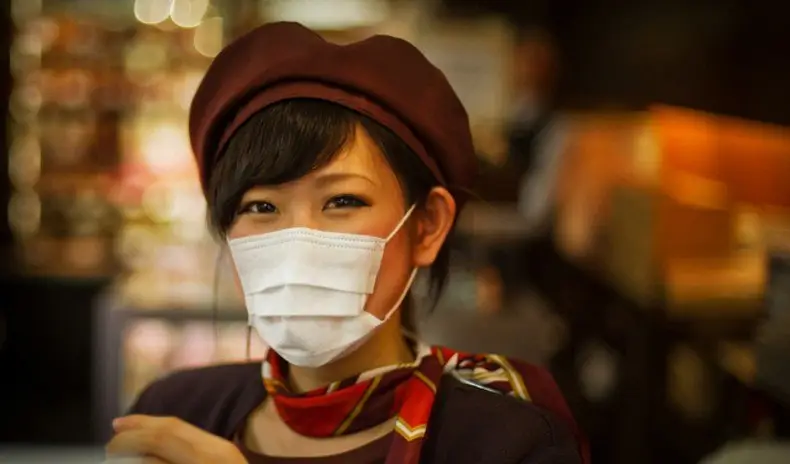
Feeling ill is inconvenient anywhere; in Japan, it can also leave you wondering whether a sore throat, fever, or cough calls for a pharmacy, a clinic, or a quiet day indoors. The everyday word kaze (風邪) is often used for a cold, while infuruenza (インフルエンザ) refers to influenza. The words are useful, but they are not a diagnosis.
What matters first is how you feel and whether your symptoms are getting worse. Japan has plenty of pharmacies and medical facilities, yet a little preparation helps: clinics may ask people with fever or respiratory symptoms to call before arriving, and a few Japanese words can make a conversation at the counter much less stressful.
Contents 5
Cold, flu, or pollen allergy?
A runny nose, cough, fatigue, and fever can overlap, so it is risky to decide the cause from one symptom alone. In everyday conversation, kaze (風邪) is the familiar word for a cold. Influenza is infuruenza (インフルエンザ), and seasonal pollen allergy is often called kafunshō (花粉症).
If symptoms are mild, rest, fluids, and avoiding close contact with other people may be sensible first steps. But severe symptoms, a rapid decline, or concern about a child, pregnancy, an older adult, or an underlying condition deserve professional advice. Trouble breathing, chest pain, confusion, or difficulty staying awake are reasons to seek urgent medical help.
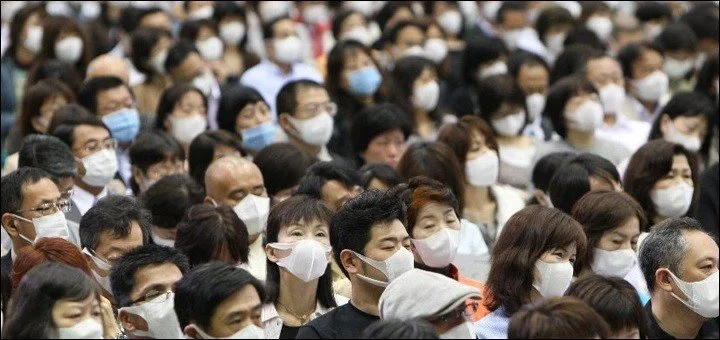
Finding a doctor in Japan
For a clinic or hospital, start with the area where you are staying rather than assuming a large hospital is the only option. The Japan National Tourism Organization provides a medical-institution search that can be filtered by area, language, and department. It also notes that language support and opening hours vary, so contacting the facility before visiting is a good habit when possible.
Bring identification, any insurance details you have, and a short list of symptoms, medications, and allergies. If speaking Japanese feels difficult, write the key words on your phone. A clinic may decide what testing or treatment is appropriate; a cold, influenza, COVID-19, and allergies can require different advice.
For an emergency or a situation that appears life-threatening, seek emergency medical help rather than waiting for a routine appointment. If you are unsure where to go, the local consultation contacts listed through JNTO and Japan's health authorities can help point you toward care.
Pharmacies and medicine counters
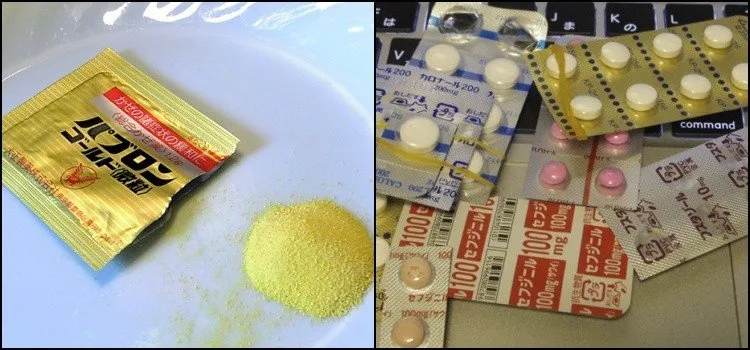
A Japanese drugstore can be helpful for mild symptoms, especially when you need a thermometer, tissues, a mask, or over-the-counter medicine. Ask for kaze no kusuri (風邪の薬) for cold medicine, or nodo no kusuri (喉の薬) for throat medicine. The staff may ask about your symptoms, age, other medicines, or allergies before suggesting a product.
Read the label carefully and follow its directions. Do not combine products with overlapping ingredients or change a dose because a tablet seems small. A pharmacist can help you understand the label, but a pharmacy is not a substitute for medical assessment when symptoms are severe, persistent, or worrying. Our guide to Japanese pharmacies and this Japanese medicine guide can make the shelves less intimidating.
Rest, masks, and consideration for others
When you are ill, staying home when you can and reducing contact with others protects both you and the people around you. The Japanese health ministry leaves mask use to individual judgment, while recognizing it as one possible precaution. If you need to go out for care or essentials, a mask, good hand hygiene, and covering coughs and sneezes are considerate choices. You can also read more about masks in Japan.
Resting at home is usually kinder to your body than pushing through a fever. A warm bath may feel pleasant, but it is not a cure; save a shared onsen visit for after recovery if you may be contagious. For longer-term practical information, see our guide to the health system and hospitals in Japan.

Useful Japanese words when you feel sick
| English | Japanese | Romaji |
|---|---|---|
| symptom | 症状 | shōjō |
| cold | 風邪 | kaze |
| influenza / flu | インフルエンザ | infuruenza |
| medicine | 薬 | kusuri |
| fever | 熱 | netsu |
| headache | 頭が痛い | atama ga itai |
| sore throat | 喉が痛い | nodo ga itai |
| muscle pain | 筋肉痛 | kinnikutsū |
| stomach pain | お腹が痛い | onaka ga itai |
| joint pain | 関節痛 | kansetsutsū |
| chills | 寒気 | samuke |
| fatigue | 疲れ | tsukare |
| cough | 咳 | seki |
| phlegm | 痰 | tan |
| nasal congestion | 鼻づまり | hana zumari |
| runny nose | 鼻水 | hanamizu |
| vomiting | 嘔吐 | ōto |
| itching | かゆみ | kayumi |
| allergy | アレルギー | arerugī |
| diarrhea | 下痢 | geri |



Community
Comments
0 comments
There are no published comments in this language yet.
Send comment