
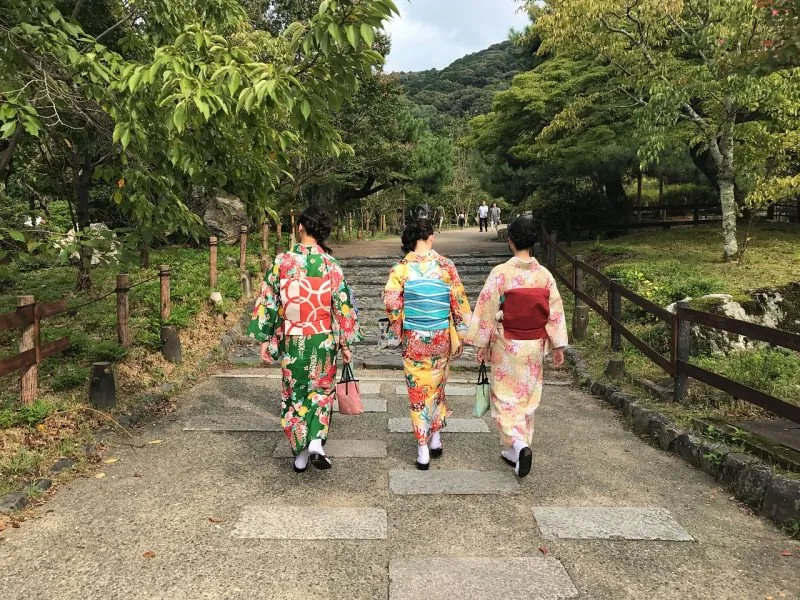
Have you heard of the Japanese tradition called Shinrin Yoku [森林浴]? This practice translates literally as forest bathing and consists of mindfully immersing yourself in a forest environment to take in the atmosphere of nature with all your senses.
I think most people recognize the importance of having contact with nature and how invigorating and relaxing it is to walk through a beautiful forest and see the komorebi sunlight filtering through the branches. In Japan, this intuitive connection with the outdoors has been elevated into a recognized preventive therapy and an established cultural practice.
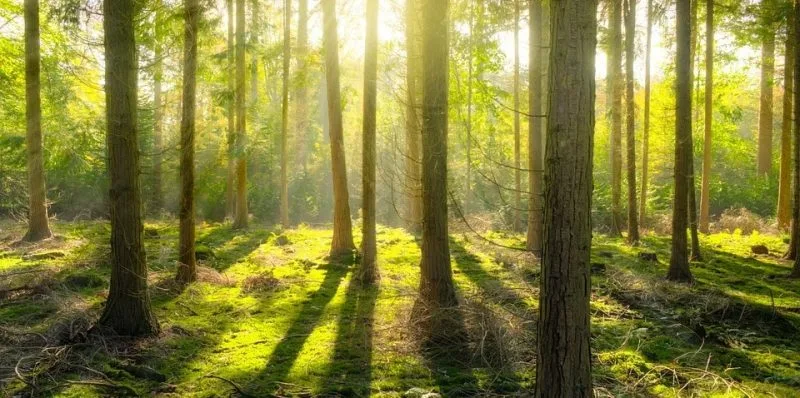
The structured practice of mindful forest walks began in the 1980s. The term Shinrin Yoku was coined in 1982 by Tomohide Akiyama, then head of the Forestry Agency under the Ministry of Agriculture, Forestry and Fisheries of Japan. The initiative aimed to offer urban workers relief from occupational burnout while encouraging greater appreciation and stewardship of the country's extensive natural woodlands.
Contents 3
How to Practice Shinrin Yoku: A Guide to Forest Bathing
Forest bathing centers on slowing down, quiet presence, and mindful awareness of the immediate environment. Rather than focusing on distance or brisk cardiovascular exercise, the practice invites you to observe and absorb nature at an unhurried pace.

Walk slowly and pay attention to small sensory details: the sway of branches in the breeze, the gentle sound of rustling foliage, and the earthy aroma of forest soil. This deliberate immersion allows your mind to unwind and shed the sensory overload of modern daily life.
Breathe deeply to take in the fresh woodland air, run your fingers over tree bark and moss to feel their varied textures, and listen attentively to bird songs and moving water. Leaving smartphones and electronic devices turned off is strongly recommended to maintain an uninterrupted bond with your surroundings.
You do not always need an expansive ancient woodland to practice Shinrin Yoku. The same sensory mindfulness can be applied in local city parks, botanical gardens, or even a quiet corner of your backyard. The core intention is simply to pause, awaken your senses, and let nature guide your focus.

This practice is deeply ingrained in Japan's approach to well-being. Approximately 67 percent of Japan's landmass is blanketed by mountainous forests, making proximity to natural sanctuaries a cultural touchstone. Beyond the peaceful atmosphere, medical science has revealed measurable physiological reasons why spending time among trees is so beneficial.
The Proven Health Benefits of Forest Bathing
The biological secret behind forest bathing lies in naturally produced volatile organic compounds known as phytoncides. Trees and plants release these antimicrobial essential oils to defend themselves against insects, fungi, and harmful bacteria.
When humans inhale phytoncides during a forest walk, the body experiences significant immune system benefits. Scientific studies show that exposure to these plant compounds stimulates the production and activity of Natural Killer (NK) cells, a specialized type of white blood cell essential for defending the body against infections and abnormal cell growths.

Extensive clinical research led by Dr. Yoshifumi Miyazaki at Chiba University and Dr. Qing Li at Nippon Medical School documents the physiological impact of Shinrin Yoku. Regular sessions lower blood pressure, normalize heart rates, and substantially decrease levels of cortisol, the primary human stress hormone. Simultaneously, forest therapy stimulates the parasympathetic nervous system, easing the body into rest and physical recovery.
Engaging multiple senses in green spaces also brings noticeable psychological relief, easing symptoms of anxiety and mental exhaustion. In Japan, forest therapy is often complemented by visiting a natural hot spring in the mountains (onsen), creating a holistic routine that revitalizes both physical and mental health.

The documented wellness benefits of Shinrin Yoku include:
- Significant increase in the activity and count of Natural Killer (NK) immune cells
- Measurable reduction in stress hormones, particularly salivary cortisol
- Enhanced parasympathetic nervous system activity for deeper physical relaxation
- Improved sleep patterns and daytime emotional stability
- Restoration of mental focus, attention span, and cognitive clarity
The Meaning and Kanji Behind Shinrin Yoku
Looking up the term in a Japanese dictionary like Jisho reveals how vividly the written characters capture this philosophy. Shinrin Yoku is composed of evocative ideograms that explain its meaning step by step.
The first character is Mori [森], representing a dense forest and cleverly drawn with three individual trees [木]. Next is Hayashi [林], formed by two trees, which denotes a smaller woods or grove. Combined together, they form Shinrin [森林], the grand forest. The final character is Yoku [浴], which means to bathe or immerse oneself, conveying the feeling of soaking in the rich benefits and atmosphere of nature.
Shinrin Yoku is therefore an invitation to bathe in the restorative atmosphere of the forest. If you would like to explore more Japanese concepts inspired by nature, our article on sunlight filtering through the trees (Komorebi) offers deeper insight, as does our guide to the traditional Japanese language of flowers (Hanakotoba).



Community
Comments
0 comments
There are no published comments in this language yet.
Send comment