
Takotsubo sounds like it belongs beside a fishing boat, not in a cardiac ward. The word comes from a Japanese octopus trap with a rounded pot-like shape—an image that gave this condition one of its most memorable names. Its other nickname, broken heart syndrome, points to a harder truth: sudden emotional or physical stress can be followed by a real change in how the heart muscle pumps.
The name may sound poetic, but chest pain, breathlessness, fainting, or a racing heartbeat should never be treated as a metaphor. Takotsubo syndrome can look like a heart attack at first, so new or unexplained symptoms need urgent medical assessment.
Contents 8
Why is it called takotsubo?
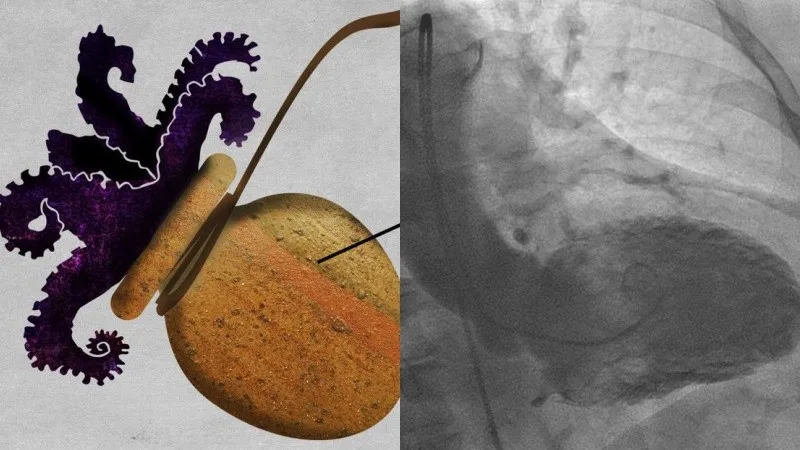
Takotsubo (蛸壺) is the Japanese name for a pot used to catch octopus. In the classic form of the syndrome, the left ventricle—the heart’s main pumping chamber—changes shape during contraction in a way that reminded Japanese doctors of that trap.
The term became associated with the condition after cases were described in Japan in the early 1990s. You may also see it called takotsubo cardiomyopathy, stress cardiomyopathy, or apical ballooning syndrome. The different names describe the same medical problem from different angles: stress, heart-muscle weakness, or the characteristic shape seen on imaging.
What happens in broken heart syndrome?
Takotsubo syndrome is a sudden, usually temporary weakening of the heart muscle. It most often affects the left ventricle, which may not pump normally for a time. The exact mechanism is still being studied, but a surge of stress hormones is thought to play an important part.
Grief can be a trigger, which is where the familiar nickname comes from. It is not the only one. A frightening event, intense anger, a serious illness, surgery, severe pain, or another physical strain can also precede an episode. Some people have no clear trigger at all. Experiencing stress does not mean someone will develop takotsubo syndrome, and it is not a sign that a person has failed to cope with loss.

Symptoms that need urgent attention
Takotsubo syndrome can closely resemble a heart attack. Common symptoms include sudden chest pain, shortness of breath, sweating, dizziness, palpitations, or fainting. The overlap is exactly why it is unsafe to decide at home that symptoms are caused by stress alone.
New chest pain, severe breathlessness, fainting, or an irregular heartbeat needs emergency care. A heart attack must be ruled out first.
The condition can lead to complications such as heart failure, low blood pressure, fluid in the lungs, or abnormal heart rhythms. Many people recover well, but the early phase still requires professional monitoring.
How doctors tell it apart from a heart attack
There is no home test for takotsubo syndrome. Because the first symptoms can be indistinguishable from a heart attack, clinicians usually begin with the same urgent checks: an electrocardiogram, blood tests, and an assessment of the heart and coronary arteries.
An echocardiogram can show whether the left ventricle has a characteristic pattern of weak movement. Coronary angiography may be used to look for a blockage, while cardiac MRI can help clarify difficult cases. A diagnosis depends on the full clinical picture, not on stress alone or on one test result.
Who can be affected?
Takotsubo syndrome is reported more often in women than in men, particularly after menopause, but it can affect people of different ages and sexes. Anxiety, depression, and some neurological conditions may be linked with higher risk in some patients. These patterns help doctors think about the condition; they do not replace urgent testing when symptoms occur.
Its Japanese name is important cultural context, yet takotsubo is not a condition limited to Japan. The syndrome is recognized internationally, and its name has stayed because the octopus-pot image captures a distinctive change in the heart’s shape.
Treatment and recovery
Treatment depends on what is happening in the moment. In hospital, the team may treat heart failure symptoms, blood-pressure changes, rhythm problems, or other complications while they confirm the diagnosis. Medication choices are individual and depend on factors such as heart function, blood pressure, and whether there is an obstruction to blood flow.
Heart function often improves over days or weeks, but recovery is not something to self-manage. Follow-up with a cardiologist and repeat imaging can show whether the heart has returned to normal. People who have had takotsubo should ask their own care team about activity, medication, emotional support, and warning signs that matter in their situation.

Stress support belongs beside medical care
After urgent causes have been assessed and treatment is underway, support for grief, anxiety, trauma, or chronic stress can be part of recovery. A conversation with a mental-health professional, time with trusted people, and gentle routines recommended by a clinician may help someone regain steadiness.
Japan has its own language for finding calm in nature. Shinrin-yoku, or forest bathing, can be a meaningful practice for ordinary stress, but it is not a treatment for chest pain or a substitute for cardiac care.
What the name should not make us forget
Broken heart syndrome is a vivid name for a condition that can be frightening and serious. It also corrects a common misunderstanding: emotional shock is not always confined to the mind. When the body responds with heart-attack-like symptoms, the right first step is medical help—not guesswork about whether the stress was "real enough."
The Japanese word takotsubo gives the syndrome its striking image. Rapid assessment, careful follow-up, and compassionate support give that image the context it deserves.


Community
Comments
0 comments
There are no published comments in this language yet.
Send comment