

Because of genetics, most Japanese people grow up with black, straight hair. That default is so common that visitors start asking a sharper question: is there prejudice against wavy, curly, brown, red, or dyed hair in Japan?
The worry did not come out of nowhere. Some students have been told to dye naturally brown hair black so they would look like everyone else. Japanese even has a saying for that pressure: 出る釘は打たれる — the nail that sticks out gets hammered down. The street, meanwhile, has spent decades proving the opposite.
Some schools are really strict about haircuts, color, or lightening. Some workplaces still like a conservative look. There is no national hair law, and adults in big cities walk around with brown waves and rainbow dye without a second glance. The trouble starts when a school treats black, straight hair as the only correct one — and then calls that a rule, not prejudice.
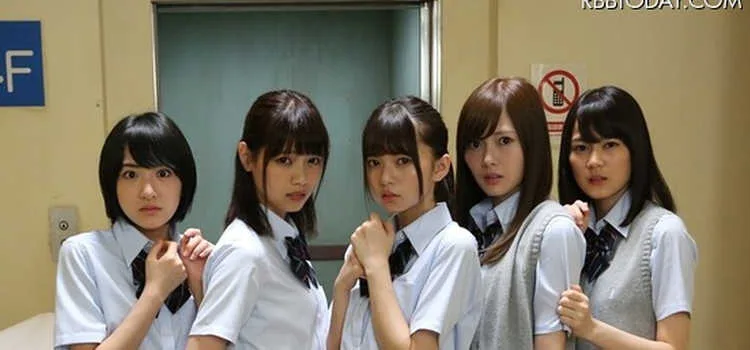
In the 90s, a lot of young people wanted to color and change their hair, but school rules did not allow it; some simply ignored the rules. Teachers sent them back to the standard. Some were bullied by older students who liked the traditional look. Students with naturally brown or wavy hair hit the same wall. Some had to sign papers certifying their natural color. Those papers still exist in places, even as other prefectures have started to drop them.
Contents 3
When school treats natural hair as a violation
The form has a name: 地毛証明書 (jige shōmeisho), a “natural hair certificate.” A family signs to swear the student did not dye or perm. Some Tokyo high schools also asked for childhood photos, or even a doctor’s note. In 2021, 44.6 percent of Tokyo’s 177 full-time metropolitan high schools still wanted that kind of proof from anyone who did not look “standard.”
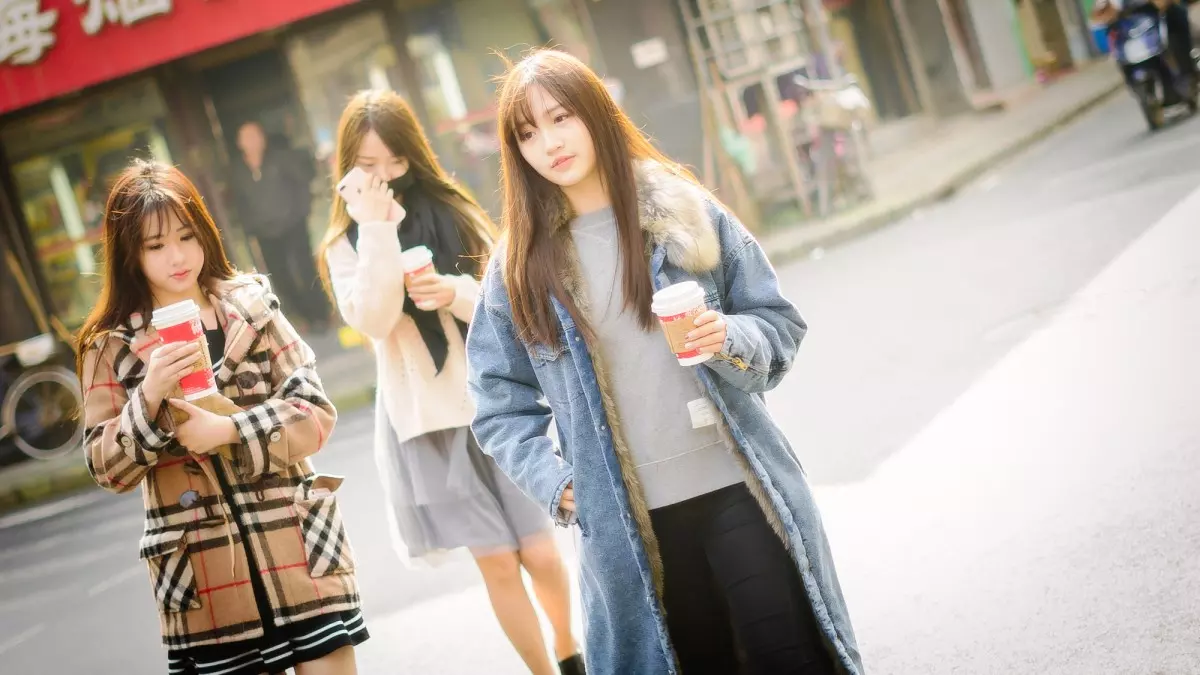
On the street, brown waves and blonde gyaru hair are ordinary. In a homeroom that assumes everyone was born with black, straight hair, the same look can get a student sent to dye it black.
The case that made the split public came from Osaka Prefectural Kaifukan High School. A student with naturally brown hair was told, again and again, to dye it black. Staff checked her roots. She was kept off a school trip. After she stopped attending, her desk and her name left the classroom. In February 2021 the Osaka District Court ordered the prefecture to pay 330,000 yen for the emotional damage of that treatment — and still said the black-hair rule itself was legal.
Change is patchy, not a national flip. From April 2022, Tokyo metropolitan high schools dropped a bundle of so-called black school rules, including a requirement that students have black hair. Some schools still keep the certificate, sometimes because parents asked to keep it. Public high schools in Mie scrapped hairstyle rules and the hair certificate around the same period. If you are actually enrolled, the only honest move is to read the rules of Japanese schools for that building — not a rumor from the internet.
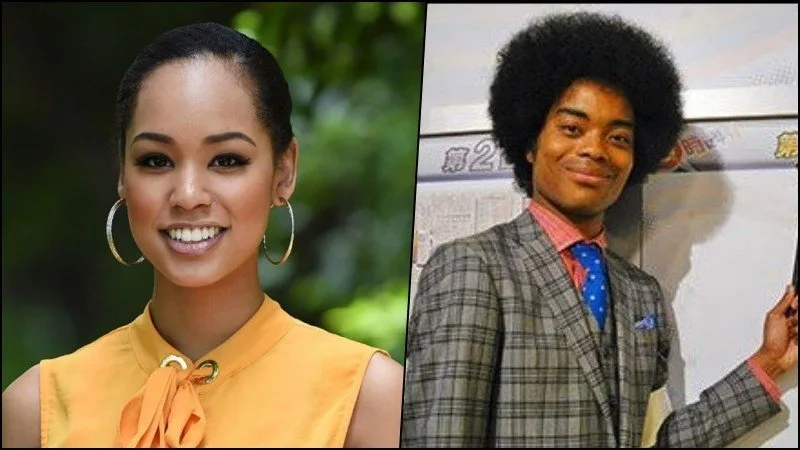
For students with mixed or foreign roots, the same code hits harder. Braids, cornrows, and tight curls get read as “styled” even when they are just hair. That is why families keep fighting the certificate: it asks a child to prove that their head is allowed.
Japanese people like different hairstyles!
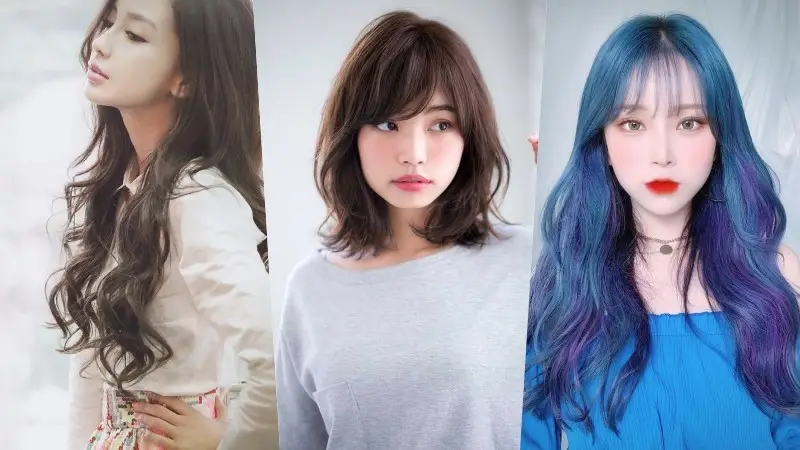
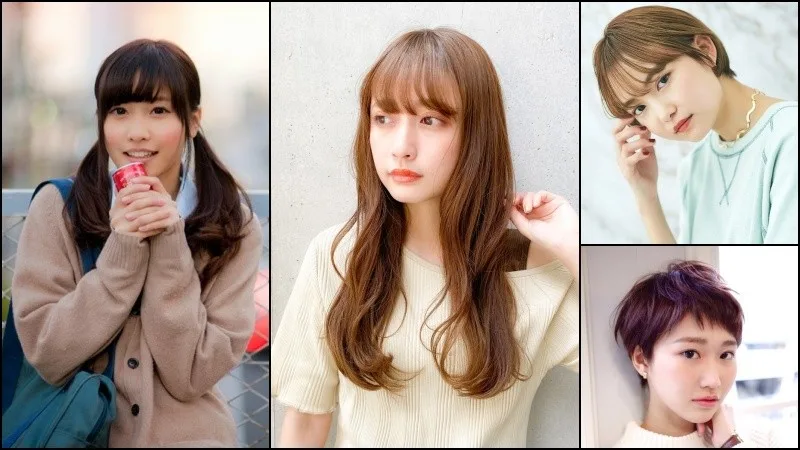
Even though school rules are strict, especially regarding clothing, Japanese people are free to do what they want with their hair once they leave campus. The biggest artists and singers often have totally different and crazy hairstyles like Visual Kei. Japanese women with brown and red hair are also becoming increasingly popular.
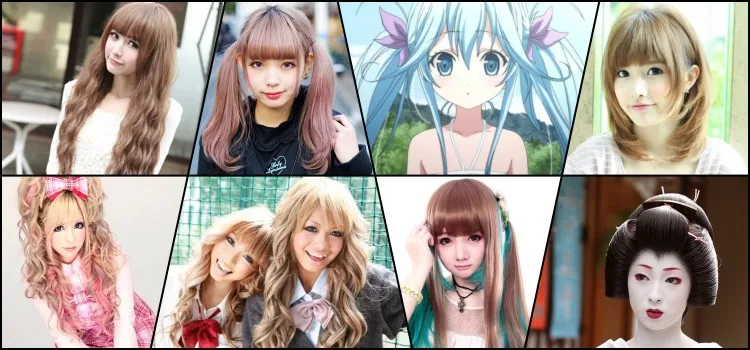
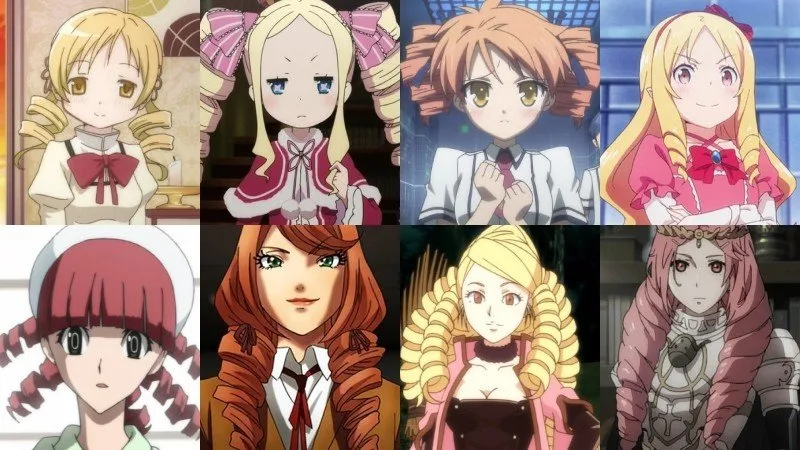
In Japanese anime, games, and manga, most characters have colorful and very stylish hair. These cases only show that Japanese people, especially the young, want to diversify from one another. Hair in Japan is taken seriously; some strive to invent diverse styles. Hairdressers in Japan treat color and cut as a craft, not a joke.
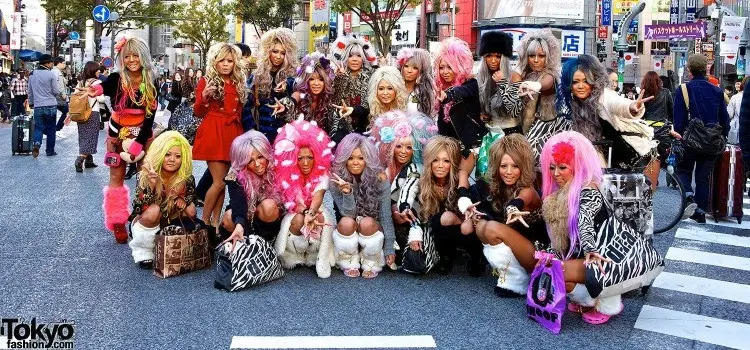
Various Japanese fashion segments use totally different and colorful looks. The gyaru often have blonde, curly hair, and some lolita often dye their hair. A few decades ago, it was common for rebellious youth to have extremely funny hairstyles.
Currently, in big cities, you can have hair down to your feet with rainbow colors and all tangled. Japanese people won’t mind; they will continue to be friendly and polite, and it’s more likely that some will come to take a picture with you.
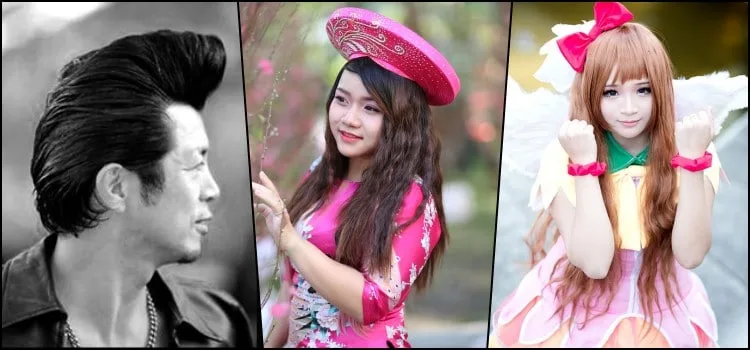
Can I have colored or curly hair?
The idea that Japan, as a whole, holds a blanket prejudice against curly, blonde, or brown hair is too big. Those looks are uncommon because of genetics; many Japanese women envy them, and many end up dyeing and curling their hair to differentiate themselves from others.
The hard place is school. If you are a student, find out the rules of your school before you bleach anything. If you are a visitor or an adult in a big city, there is no need to flatten your curls to “fit in.” In Japan, the uncommon is cool. Enjoy your charm — and do not confuse a Saturday in Harajuku with a homeroom that still wants 地毛証明書 on file.

Community
Comments
0 comments
There are no published comments in this language yet.
Send comment