
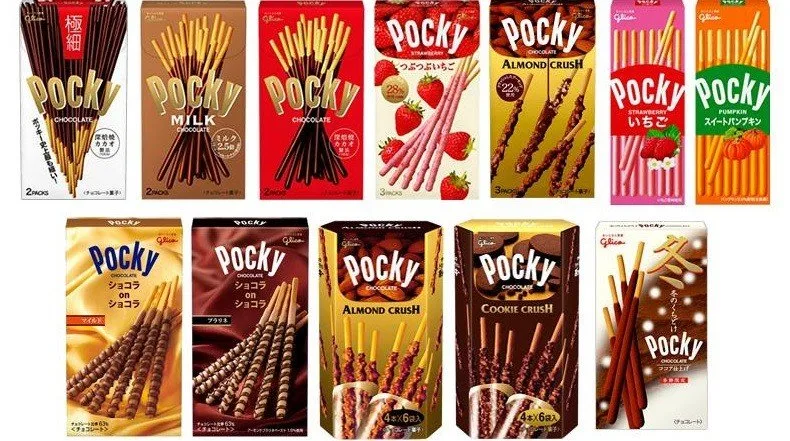
Crack a box of Pocky and you get the same little theatre every time: a dry “handle” of biscuit, a sleeve of chocolate (or something wilder), and that clean snap when the stick breaks. It looks simple. Japan turned it into a global snack language.
Pocky (ポッキー, pokkī) is Ezaki Glico’s coated biscuit stick, sold since 1966. The name comes from the Japanese onomatopoeia for the crack of a biscuit—often linked to pokkin / pokkiri—the sound of snapping the stick in two. Flavors multiply by season and region; the idea stays the same: shareable, portable, a little playful.
If Japanese sound-words interest you, the culture behind names like Pocky sits next to everyday Japanese onomatopoeia you hear in anime, ads, and snack packaging.
Contents 6
The history of Pocky
Ezaki Glico’s story starts earlier: the company launched Glico caramel in 1922. Decades later, in 1966, it released a chocolate-coated biscuit stick that would become Pocky. Early test names included “Choco-teck”; the final brand leaned into that crunchy sound.
Company history also ties Pocky to its savory sibling Pretz: the idea of a snack “handle” so chocolate (or seasoning) does not cover the whole stick—and technology to make that stick at scale—helped define the product. Some retellings credit employee experiments with leftover chocolate on biscuit sticks; Glico’s own timeline stresses product development against a boom in chocolate snacks, not a single fairytale moment.
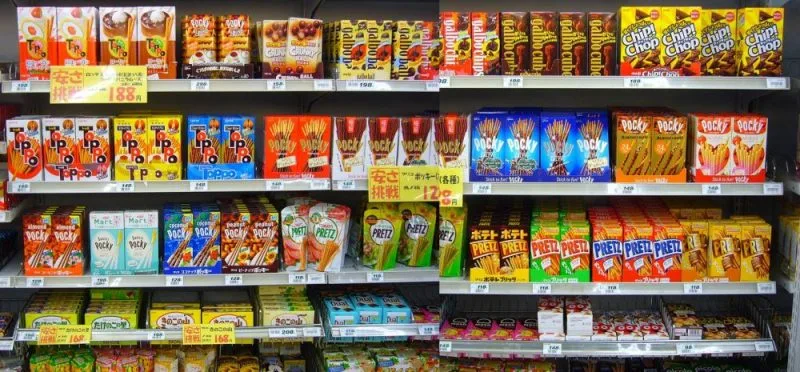
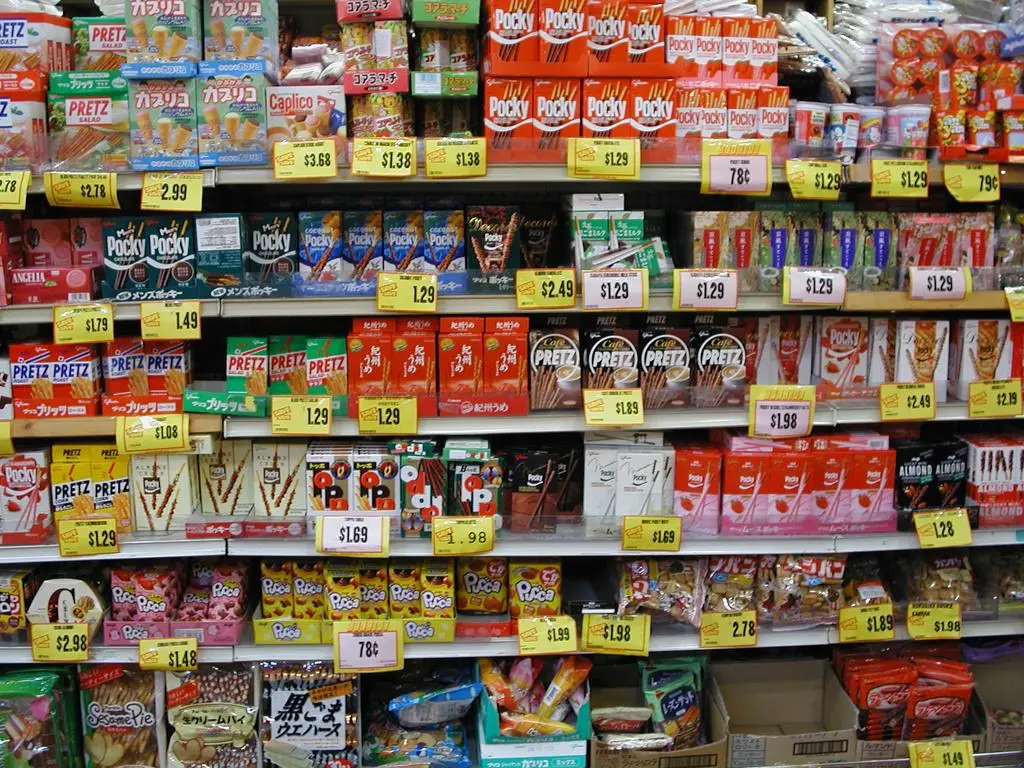
From Japan, Pocky spread across much of Asia, Europe, North America, and Oceania, with local lines and limited editions. Availability still varies by country; in places without wide retail distribution, fans often rely on Asian grocery stores, import shops, or online sellers—usually at a premium.
What the name means
Beyond the snap, Pocky became a pop-culture prop: anime backgrounds, convenience-store runs, late-night study snacks, and couple-adjacent sharing gags. The packaging—slim boxes, bright colors, rows of sticks—is as recognizable as the taste.
For an official company timeline of Glico products, see Glico’s global history page.
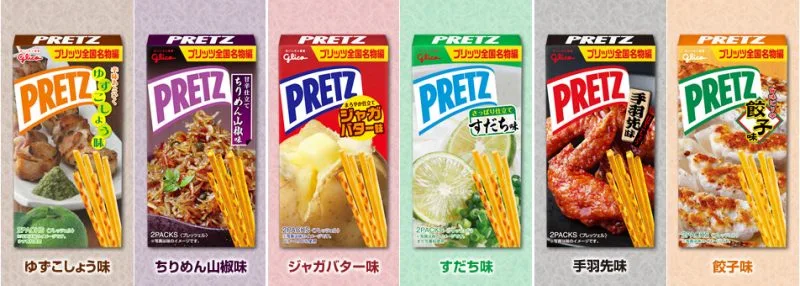
Glico Pretz — the savory stick
Pretz is Glico’s savory stick snack: baked biscuit without a chocolate coat, seasoned instead. It launched in Japan in 1962, before chocolate Pocky. Think crunch plus onion, cheese, pizza, wasabi, and other savory turns—same stick habit, different pantry mood.
What is the difference between Pocky and Pepero?
Side by side, the two look like cousins: biscuit sticks with a flavored coat. The real split is brand and origin.
- Pocky — Japan, Ezaki Glico (from 1966).
- Pepero — South Korea, Lotte.
Recipes and textures differ by line; packaging culture differs too (bulk boxes vs multipacks of small sleeves, depending on market). Each has its own holiday energy: Japan’s Pocky & Pretz Day on 11/11, Korea’s Pepero Day on the same date. Fans argue endlessly about which biscuit is thinner or which chocolate hits harder—that part is taste, not trademark law.
Curiosities about Pocky
Pocky Day (11/11): In Japan, November 11 is celebrated as Pocky & Pretz Day because the ones in the date look like sticks. Glico has marked the day since the late 1990s; people share boxes with friends, classmates, and partners as a light, snack-sized gesture.
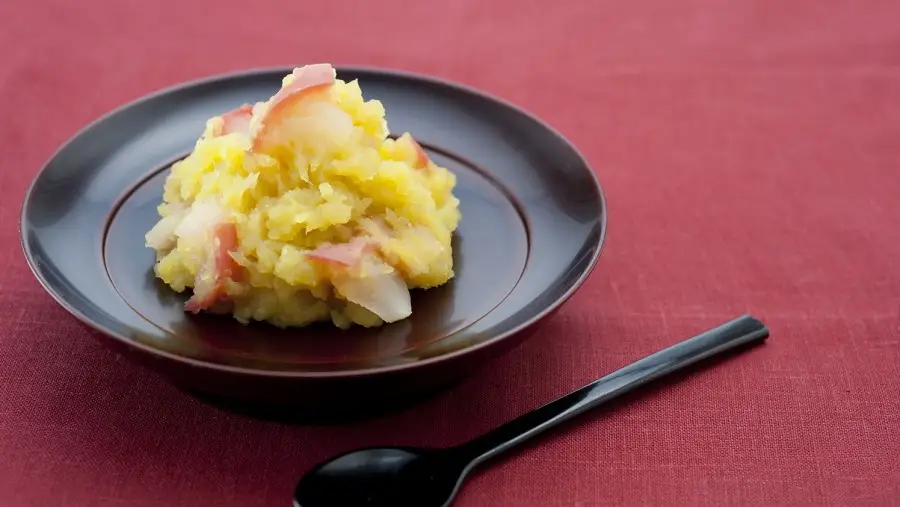
Regional and seasonal lines: Global classics (chocolate, strawberry, matcha) sit next to Japan-only or short-run flavors—sweet potato, milk tea, yogurt twists, and festival collabs that disappear when the season ends.
The Pocky game: A cheeky dare popular with teens: two people bite opposite ends of one stick and nibble toward the middle. How close they get is the joke; consent and common sense still apply.
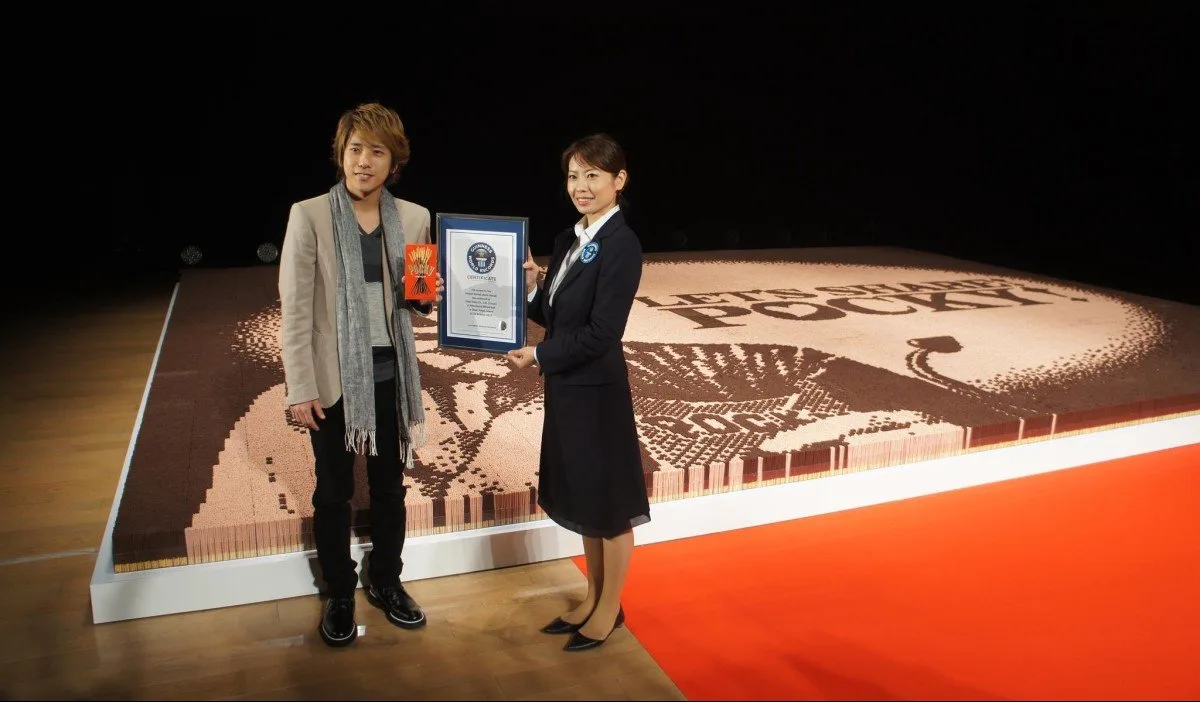
A very large mosaic: Ezaki Glico once built a biscuit-stick mosaic of about 50.92 m² at Nihonbashi Mitsui Hall in Tokyo, using more than a million pink milk-and-strawberry sticks and a large volunteer team over two days—often cited as a scale stunt for the brand.
Pet-oriented products: Glico has also sold pet snack lines inspired by the stick format (formulated for dogs or cats, not human chocolate Pocky). Always check the packaging: human chocolate is unsafe for pets.
Design as icon: The narrow box and the uncoated “handle” are the product’s silhouette: fingers stay cleaner, and the stick photographs well in lunch boxes and unboxings alike.
List of Pocky flavors
Lines change constantly by country and season. This is a sampler of flavors fans often meet—not a complete global catalog:
- Milk chocolate
- Strawberry
- Matcha (green tea)
- Cookies and cream
- White chocolate
- Almond / peanut styles
- Caramel
- Raspberry
- Tiramisu
- Banana
- Condensed milk
- Melon
- Milk tea
- Dark chocolate (“Men’s Pocky” style bitterness varies by market)
- Grape
- Peach
- Coconut
- Blueberry
- Orange
- Pineapple
- Cheesecake
- Hazelnut
- Double chocolate
- Honey-adjacent limited runs
- Regional specials (sweet potato, yuzu, local collabs…)
If a flavor vanished from your supermarket, it may simply be seasonal. New coats appear often; the biscuit-and-handle formula is what stays.
Whether you buy a single sleeve at a konbini or a multi-flavor gift box online, Pocky is less a single recipe than a Japanese habit: small sticks, big variety, easy to share.

Community
Comments
0 comments
There are no published comments in this language yet.
Send comment