
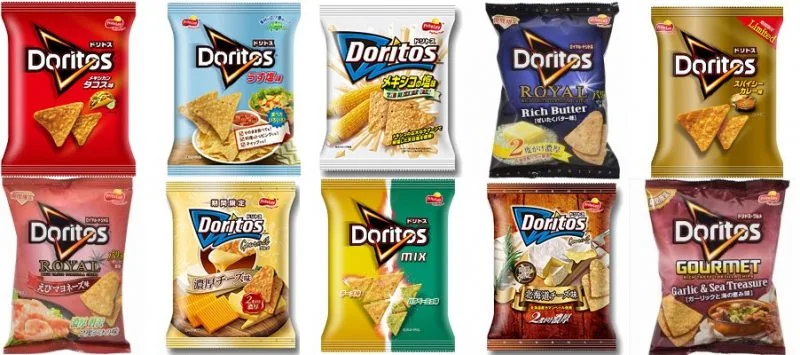
Open a bag of Doritos in Japan and the first shock is not always heat—it is recognition. Wasabi, yuzu, camembert, corn potage, even flavors that sound like dinner menus more than chips. The triangle is familiar; the seasoning often is not.
Japan Frito-Lay has sold ドリトス (Doritos) since 1987, and over the years the brand has treated the line less like a fixed nacho formula and more like a rotating stage for local tastes, seasons, and limited runs. The list below is a historical map of flavors that have appeared—or been talked about—in Japan, not a promise that every bag is still on a konbini shelf today.
Contents 6
How Doritos arrived in Japan
Doritos began in the United States in the mid-1960s as a national tortilla chip brand under Frito-Lay (later part of PepsiCo). In Japan, Japan Frito-Lay marks the local launch in 1987. From there, the product followed a pattern common to many global snacks in the country: keep the crunch and the bold positioning, then invent seasonings that fit Japanese umami, street-food nostalgia, and short “kikan gentei” (limited-time) cycles.
That is why a search for Japanese Doritos flavors can look endless. Some bags stay for years. Others appear for a season, a region, or a campaign, then vanish—leaving collectors, import shops, and old blog posts as the only evidence.
Core bags you still see often
Japan Frito-Lay’s own brand pages highlight staples that return more reliably than the wild one-offs. Exact stock changes by store and year, but these names show up again and again:
- Mexican Tacos — meaty, tomato, and lime notes; a long-running favorite in Japan.
- Nacho Cheese — the international cheese classic, with a Japanese seasoning balance.
- Mild Salt — a quieter, corn-forward salt profile for people who want crunch without heavy spice.
- Avocado and Cheese — a greener, creamier twist that has become a recognizable Japan-market pick.
Beyond those, cup-style sticks and salsa-dip combos have expanded how people snack on the brand at home—still Doritos, just not always the classic triangle bag.
Japanese Doritos flavors that surprise visitors
If you only know Cool Ranch and Nacho Cheese, Japan’s past and present lineup reads like a different product category. These are flavors that repeatedly show up in tasting videos, import listings, and older catalogs—the kinds of bags people mean when they say “only in Japan.”
- Wasabi — often the first “Japan-only” flavor outsiders try; sharp heat after a ranch-like base in many descriptions.
- Yuzu — Japanese citrus brightness instead of pure chili heat.
- Camembert cheese — soft-cheese perfume on a corn chip, the opposite of neon nacho dust.
- Coconut curry — sweet-savory spice that sounds dessert-adjacent until the salt hits.
- Corn soup / corn potage — creamy Japanese corn soup translated into seasoning.
- Nori (seaweed) — coastal snack energy in chip form.
- Shimeji in butter — mushroom-and-butter umami, more izakaya than stadium nachos.
- Fish roe with mayonnaise — the mentaiko / mayo family of flavors that Japan loves on almost everything.
- Shrimp mayonnaise — a gourmet-leaning seafood mayo profile often sold as a limited or special run.
- Sesame chicken — saucy, roasted-sesame dinner notes on a chip.
- Teriyaki chicken pizza — sweet soy glaze meets pizza seasoning chaos.
- Sukiyaki — beef-hotpot sweetness and soy; a natural bridge to Japan’s home cooking (see our sukiyaki origins and recipe if you want the dish behind the bag).
Regional or campaign flavors have also included wasabi-soy style bags and other konbini exclusives. Treat “exclusive” claims carefully: what is exclusive in one year can be gone the next, or still circulating only through import shops.
A longer catalog of flavors that have appeared in Japan
The original Suki Desu list collected dozens of names that have been associated with Japanese Doritos over the years. It is not an official complete inventory from Frito-Lay, and some entries may blend permanent lines, limited editions, and odd shapes. Still, as a curiosity archive, it shows how far the brand stretched:
- Wasabi
- Black pepper
- Yuzu (Japanese citrus)
- Cheese with avocado
- Winter cheese
- Teriyaki chicken pizza
- Sesame chicken
- Sukiyaki
- Shimeji (mushroom in butter)
- Spicy bacon
- Dried salmon
- Corn soup
- Nori seaweed
- Italian seafood
- Fresh basil with Italian ham
- Crab
- Tacos
- Butter
- Steak
- Fish roe with mayonnaise
- Fondue
- Fried chicken
- Mango and soy sauce
- Cheese and almond
- Salt / mild salt
- Sausage
- Tuna
- Coconut curry
- Jalapeño with cheese
- Pepper with salt
- Camembert
- German potato
- Anchovy and garlic
- Salad
- Seven spices (shichimi-style)
- Caramel
- Cool American / Cool Ranch style
- Yogurt and mint
- Tomato and onion salad
Odd shapes—heart chips, Christmas-tree chips—sometimes rode the same marketing waves as flavor launches. They are fun as packaging history, but they are not “flavors” in the seasoning sense.
Name origin and a few solid curiosities
The name Doritos comes from Spanish doradito—roughly “little golden thing”—a diminutive of dorado (golden). Marketing executive Arch West is widely credited with turning the idea into a national Frito-Lay brand in the 1960s. He died on September 20, 2011; family remembrances of the time mentioned Doritos chips placed with his ashes, a detail that stuck in snack lore almost as firmly as the logo itself.
In Japan, bag sizes and prices move with inflation and channel (supermarket vs. konbini vs. discount). Older notes around 60–70 g bags near ¥130, or larger multipacks near ¥300, should be read as rough historical snapshots—not a current price list. For today’s lineup and official product pages, Japan Frito-Lay’s Doritos brand site is the cleanest starting point.
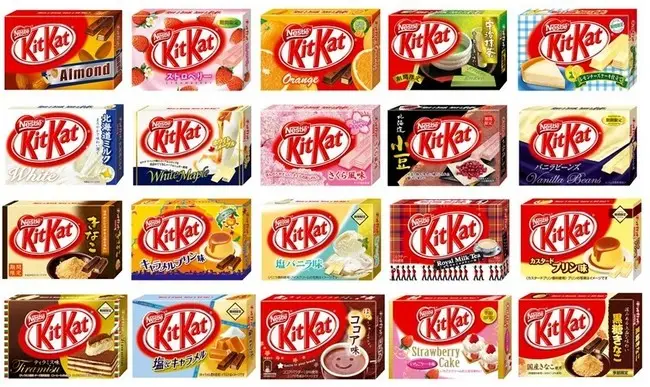
Frito-Lay’s Japan portfolio also includes other chips many travelers already know under different local names—Cheetos, potato chips, and seasonal limited snacks—so Doritos sits inside a larger culture of aggressive flavor testing. If you like that side of Japan, the same logic shows up in candy: regional and seasonal experiments, short windows, and bags that vanish before your next trip. Our guide to Japanese Kit Kat flavors is a good parallel, and konbini culture explains where many of these bags actually get discovered first.
How to approach Japanese Doritos without treating the list as a shopping cart
A long flavor list is fun; a supermarket aisle is finite. Practical way to use this page:
- Start with staples — Mexican Tacos, Nacho Cheese, Mild Salt, Avocado Cheese—if you want something you can probably find without hunting.
- Chase one wild card — wasabi, yuzu, seafood mayo, or whatever limited bag is actually on the shelf that week.
- Read the package date culture — limited editions rotate; do not assume a blog list from years ago is in stock.
- Compare, do not collect blindly — many “crazy” flavors are still salt-fat-umami snacks with one loud accent note.
Japanese Doritos flavors are less about a single permanent rainbow of bags and more about a method: take a global crunch, season it like a local menu, and refresh the lineup before the joke gets old. That is why the same brand can feel ordinary in one country and endlessly curious in another—and why the next limited bag will probably arrive before you finish the one you just opened.

Community
Comments
0 comments
There are no published comments in this language yet.
Send comment