

False cognates are words that resemble Portuguese, but actually have completely different meanings than we imagine. In the Japanese language, there are also some false cognates, mainly of English origin. In this article, we will share a list of false cognates in Japanese.
It is worth remembering that false cognates in English are called "false friends," precisely because they are false friends that deceive you. They seem one way, but in reality, they are not. Since there are few false cognates between Japanese and Portuguese, we will also share a list of false cognates from Japanese to English.
False Cognate in Japanese is written sorani kotoba [空似言葉] which can be literally translated as empty word.
Contents 3
False Cognates from Japanese to PORTUGUESE
In Japanese, we have the word iesu [イエス] which can mean both Jesus and yes, derived from yes in English. So be careful not to fall into this trap;
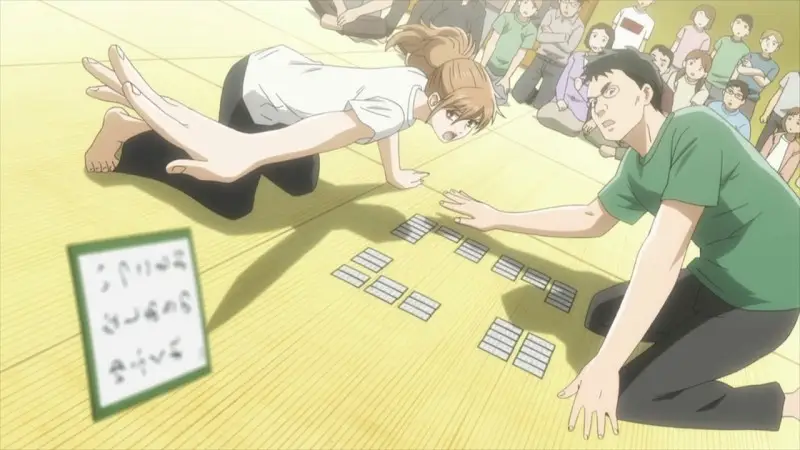
Karuta [かるた] actually originated from the Portuguese word carta, but karuta in Japan refers only to a traditional card game that involves poems;
In Japanese, there is the word buranko [ブランコ] that some might think means white, but in reality, it means swing. White in Japanese is shiro [白] or derived from the English howaito [ホワイト].
The Japanese word igirisu [イギリス] may remind you of English, but it currently means United Kingdom. To refer to the English language, we use the expression eigo [英語];
Subeta [スベタ] came from sword, but its meaning in Japanese is an insult to women, it can indicate an unattractive woman;
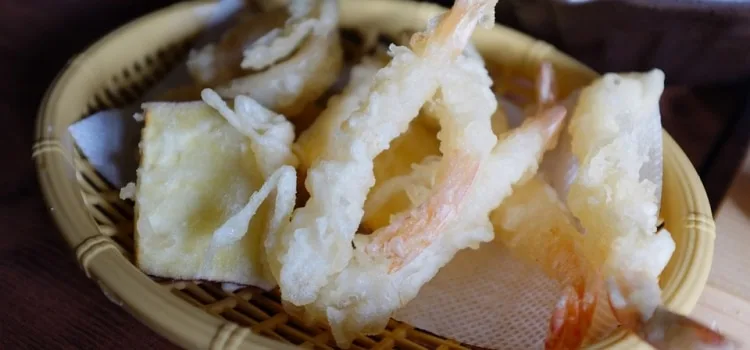
Tenpura [天ぷら] came from the Portuguese derived from seasoning or to season, but in Japanese, it means seafood or vegetables wrapped in batter. Seasoning in Japanese is supaisu [スパイス].
Shabon [シャボン] came from the Portuguese word for soap, but there are other more commonly used words for that object. In Japanese, when someone says shabon, they are probably referring to soap bubbles [シャボン玉];
Jyouro [じょうろ] comes from the Portuguese word Jarro, but means watering can. The water jars in Japanese are mizusashi [水差し] while jyagu [ジャグ] can be used to refer to round jars that look like a filter.
Koppu [コップ] comes from the Portuguese copo, but in Japanese, there are other better words to use. Koppu can also be confused with a slang term for police officer, which comes from the English Cop.
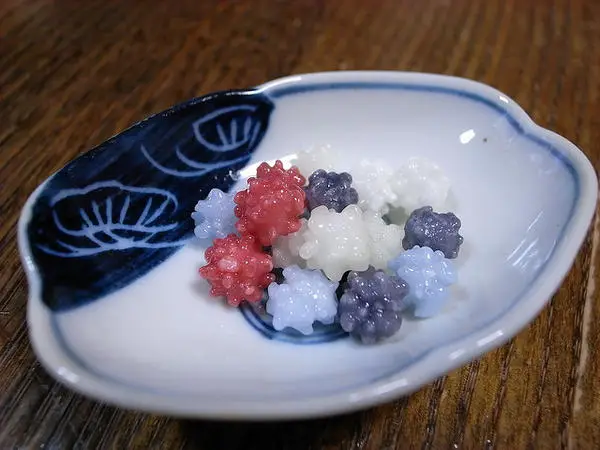
Kompeitō [金平糖] comes from the Portuguese word for candy, but refers to a type of Japanese sweet and not the usual candies.
Words in Japanese that are not what they seem
Besides False Cognates, there may be words in Japanese that look like others in Portuguese, but have absolutely nothing to do with them. Below I will leave some of these words:
- Anta [あんた] in Japanese means you;
- Baka [ばか] means idiot and stupid, reminds of the word cow;
- Kubo [窪] means cavity, deep place, female genitals;
- Matte [待って] in Japanese means wait!
- Kara [から] in Japanese is "from", and not face (face, guy);
- Minna [みんな] means people;
- Karai [辛い] means spicy and not caraio;
- Ningen [人間] means human and not nobody;
I will leave below a funny video that talks more about this subject:
FALSE COGNATES FROM JAPANESE TO ENGLISH
There are many false cognates of English words in the Japanese language. Fortunately, many words from English are known in our language, or mostly derived from English. So before we finish this article, let's leave a list of cognates in Japanese of words derived from English.
Imeeji [イメージ] in Japanese does not refer to image as some think, but rather to an impression, mental image, idea, or simply to imagine. To talk about a literal image, we use the ideograms [像] and [絵].
Aidoru [アイドル] derives from the word Idol, but is commonly used to refer to young artists who sing and dance in bands and on TV as if they were actresses or POP idols.

Haafu [ハーフ] comes from the English Half which means half, but in Japanese refers to mixed-race people of dual nationality. To talk about half in English, we use hanbun [半分] or other words derived from the ideogram han [半].
Abauto [アバウト] comes from the English About which means about, a page about the site is an example of the use of About. In Japanese, this word refers to a vague, lazy, superficial, or careless person. It can also refer to an approximate number or a calculation.
Piasu [ピアス] came from Piercing but in the Japanese language refers mainly to earrings and ear piercings.
Manshon [マンション] comes from the English mansion. In the Japanese language, this word is not used to refer to a mansion, but rather to a set of buildings or a condominium. Mansion in Japanese can be taiteitaku [大邸宅] or simply teitaku [邸宅].

Paato [パート] is rarely used as "part" for division of things, paato is more commonly used in Japanese to refer to part-time jobs. Equivalent to the English part-timer.
Shiiro [シール] comes from the English seal which means stamp, in Japanese shiiro is used for stickers. If you want to talk about stamps, we use the terms hanko [判子] sutanpu [スタンプ] and inkan [印鑑].
Tarento [タレント] comes from the English talent or the Portuguese talento, but in the Japanese language refers to TV personalities and talented individuals. If we want to talk about some talent or skill, we use the expression sainou [才能] and some others.
I hope you enjoyed this article. Do you know another false cognate in Japanese that did not appear in this article? If you do, leave it in the comments. If you liked the article, don't forget to share it with your friends!







Community
Comments
0 comments
There are no published comments in this language yet.
Send comment