
Contents 6
This list contains 500 of the most-used kanji in modern Japanese, drawn from the standard frequency taught to Japanese students in elementary and middle school (the Jōyō kanji set). Mastering these 500 characters is enough to decode the bulk of everyday writing: signs, news headlines, official forms, and most casual text.
The list is split into six frequency tiers: top 50, 51–100, 101–200, 201–300, 301–400 and 401–500. Each kanji is shown with its on'yomi (Sino-Japanese reading) and kun'yomi (native Japanese reading) in romaji, followed by one or two short English meanings, so the list works as a study plan as well as a quick reference.
How to use it: work through the list from top to bottom, around 5–10 new kanji a week, and pair each one with a couple of vocabulary words and a short example sentence. Kanji learned in context stick far better than kanji learned in isolation.
Top 50: the most frequent kanji
These 50 kanji appear in nearly every Japanese text and form the foundation for every other tier.
- 日 (nichi, jitsu / hi, -bi) – day, sun, Japan
- 一 (ichi / hito(tsu)) – one
- 国 (koku / kuni) – country
- 会 (kai, e / a(u)) – meeting, gathering
- 人 (jin, nin / hito) – person, -er
- 年 (nen / toshi) – year
- 大 (dai, tai / ō(kii)) – big, large
- 十 (juu / too) – ten
- 二 (ni / futa(tsu)) – two
- 本 (hon / moto) – book, origin
- 中 (chuu / naka) – middle, center
- 長 (chou / naga(i)) – long
- 出 (shutsu, sui / de(ru), da(su)) – to go out, to leave
- 三 (san / mit(tsu)) – three
- 同 (dou / ona(jiru)) – same, equal
- 時 (ji / toki) – time
- 政 (sei, shou) – government, politics
- 事 (ji / koto) – thing, matter
- 自 (ji / mizuka(ra)) – self
- 行 (kou, gyou / i(ku), yu(ku)) – to leave, past
- 社 (sha / yashiro) – company, shrine
- 見 (ken / mi(ru)) – to look, regard
- 月 (getsu, gatsu / tsuki) – moon, month
- 分 (bun, fun / wa(karu), wa(keru)) – to divide, minute
- 議 (gi) – discussion
- 後 (go, kou / nochi, ato) – after, later
- 前 (zen / mae) – beforehand, I/we
- 民 (min / tami) – people, nation
- 生 (sei, shou / i(kiru), u(mu), ha(eru), na(ru)) – life, to be born
- 連 (ren / tsu(reru), tsu(reru)) – to connect
- 五 (go / itsu(tsu)) – five
- 発 (hatsu, hotsu) – to depart, to emit
- 間 (kan, ken / aida, ma) – space, interval
- 対 (tai, tsui) – opposite, versus
- 上 (jou, shou / uwa(ru), a(garu), nobo(ru)) – above, up
- 部 (bu) – part, section
- 東 (tou / higashi) – east
- 者 (sha / mono) – person, -er
- 党 (tou) – party
- 地 (chi, ji) – ground, earth
- 合 (gou, gatsu / a(u), awa(seru)) – to fit, to match
- 市 (shi / ichi) – town, block
- 業 (gyou) – labor, work
- 内 (nai, dai / uchi) – inside
- 相 (sou, shou / ai) – mutual, together
- 方 (hou / kata) – direction, way
- 四 (shi / yo, yo(ttsu)) – four
- 定 (tei, jou / sada(meru)) – to decide, to fix
- 今 (kon, kin / ima) – now
- 回 (kai, kai / mawa(ru)) – times, occasion
51–100: core vocabulary kanji
Combined with the top 50, these 100 cover the bulk of everyday reading: newspapers, signs, and casual messages.
- 新 (shin / atara(shii)) – new
- 場 (jou / ba) – place
- 金 (kin, kane) – gold, money
- 員 (in) – member
- 九 (kyuu, ku / kokono(tsu)) – nine
- 入 (nyuu / hai(ru), i(reru)) – to enter
- 選 (sen / era(bu)) – to choose, to elect
- 立 (ritsu, ritsu / ta(tsu), ta(teru)) – to stand
- 開 (kai / hira(ku), a(ku)) – to open
- 手 (shu / te, te(rare)) – hand
- 米 (bei, mai / kome) – rice
- 力 (ryoku, ryoku / chikara) – power, strength
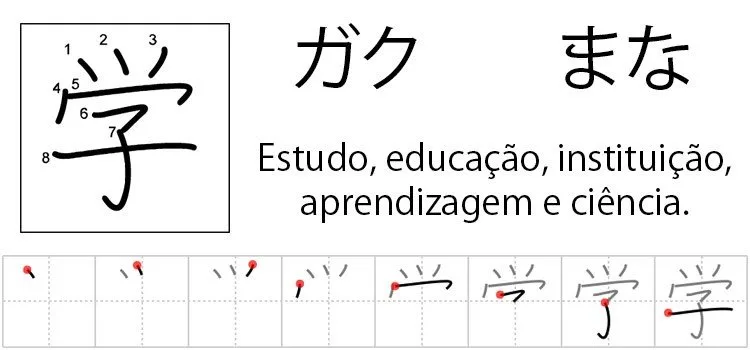
- 学 (gaku / mana(bu)) – to learn, study
- 問 (mon / to(u)) – to ask
- 高 (kou / taka(i)) – high, tall
- 代 (dai, tai / kawa(ru), shiro) – to represent, to substitute
- 明 (mei, myou / aka(rui), a(keru)) – bright, to clarify
- 実 (jitsu, shitsu / mi) – fruit, result
- 円 (en) – circle, yen
- 関 (kan / seki, kaka(waru)) – to concern, related
- 決 (ketsu / ki(meru)) – to decide
- 子 (shi, su / ko) – child
- 動 (dou / ugo(ku), ugo(kasu)) – to move, transfer
- 京 (kyou, kei / miyako) – capital, metropolis
- 全 (zen / matta(ku), subete(rashii)) – whole, all
- 目 (moku, boku / me) – eye
- 表 (hyou, omote, arawa(su)) – surface, to show
- 戦 (sen / ikusa, tataka(u)) – military, martial
- 経 (kei, kyou / he(ru), ta(tsu)) – to pass, error
- 通 (tsuu, tsu / kayo(u), too(ru)) – to pass through
- 外 (gai, ge / soto, hoka) – outside
- 最 (sai) – most, -est
- 言 (gen, gon / i(u), koto) – to say, word
- 氏 (shi / uji) – family name
- 現 (gen / arawa(reru), utsutsu) – present, current
- 理 (ri) – reason, by means of
- 調 (chou / shira(beru), totono(eru)) – to investigate
- 体 (tai, tei / karada) – body, oneself
- 化 (ka, ke / ba(keru)) – to change, -ization
- 田 (den / ta) – rice field
- 当 (tou / a(teru), a(tari)) – to hit, that one
- 八 (hachi / ya, ya(ttsu)) – eight
- 六 (roku / mu, mu(ttsu)) – six
- 約 (yaku) – approximately, promise
- 主 (shu, su / omo, omo(ni)) – main, master
- 題 (dai) – topic, problem
- 下 (ka, ge / shita, kudaru, sa(garu)) – below, down
- 首 (shu / kubi) – neck, head
- 意 (i) – meaning, intention
- 法 (hou) – law, method
101–200: extended basics
These kanji show up constantly in news articles, official forms, and the vocabulary lists for JLPT N4 and N3.
- 不 (fu, bu) – non-, un-
- 来 (rai / ku(ru), kita(ru)) – to come
- 作 (saku, sa / tsuku(ru)) – to make
- 性 (sei, shou) – nature, so
- 的 (teki) – target, -ic
- 要 (you / i(ru)) – to need
- 用 (you / mochi(iru)) – to use, servant
- 制 (sei) – system
- 治 (chi, ji / nao(ru)) – to govern
- 度 (do, toku / tabi) – degree, time
- 務 (mu / tsuto(meru)) – duty, service
- 強 (kyou, gō / tsuyo(i), shi(iru)) – strong
- 気 (ki, ke) – spirit, energy
- 小 (shou / ko, o, chiisa(i)) – small, little
- 七 (shichi / nana, nana(tsu)) – seven
- 成 (sei, shou / na(ru), na(su)) – to become
- 期 (ki, go) – period, term
- 公 (kou, kuu / ooyake) – public
- 持 (ji / mo(chi), mo(tsu)) – to hold
- 野 (ya, sho / no) – field, plain
- 協 (kyou) – cooperation
- 取 (shu / to(ru)) – to take
- 都 (to, tsu / miyako) – capital, metropolis
- 和 (wa, o) – peace, harmony
- 統 (tou) – to unite
- 以 (i) – by means of, with
- 機 (ki / hata) – machine, opportunity
- 平 (hei, byou / hira(i), ta(i)) – flat, peace
- 総 (sou) – total, general
- 加 (ka / kuwa(eru), kuwa(waru)) – to add
- 山 (san, sen / yama) – mountain
- 思 (shi, shi / omo(u)) – thought, idea
- 家 (ka, ke / ie, uchi) – home, house
- 話 (wa / hanashi, hana(su)) – story, talk
- 世 (sei, se / yo) – world, boundary
- 受 (ju / u(keru), uka(ru)) – to receive
- 区 (ku) – ward, district
- 領 (ryou) – to guide, to lead
- 多 (ta / oo(i)) – many, much
- 県 (ken) – prefecture
- 続 (zoku / tsuzu(ku), tsuzu(keru)) – to continue
- 進 (shin / susu(mu), susu(meru)) – forward, advance
- 正 (sei, shou / tada(shii), masa) – correct, right
- 安 (an / yasu(i)) – cheap, peace
- 設 (setsu / mō(keru)) – to establish, facility
- 保 (ho, hou / tamo(tsu)) – to protect, to guard
- 改 (kai / arata(meru)) – to change, strange
- 数 (suu / kazu, kazo(eru)) – number, to count
- 記 (ki / shiru(su)) – to write, to record
- 院 (in) – institution, temple
- 女 (jo, nyo / onna) – woman, female
- 初 (sho / haji(me), hatsu) – beginning, first
- 北 (hoku / kita) – north
- 午 (go) – noon
- 指 (shi / yubi, sa(su)) – finger, to point
- 権 (ken, gon) – right, authority
- 心 (shin / kokoro) – heart, mind
- 界 (kai / sakai) – world, boundary
- 支 (shi / sasa(eru)) – to support, branch
- 第 (dai) – number, turn
- 産 (san / u(mu), u(mareru)) – to give birth
- 結 (ketsu / musu(bu), musu(bu) – to tie, to bind
- 百 (hyaku) – hundred
- 派 (ha) – faction, school
- 点 (ten) – point, dot
- 教 (kyou / oshi(eru), oso(waru)) – to teach, religion
- 報 (hou / muku(iru)) – report, information
- 済 (sai / su(mu), su(masu)) – to settle, to finish
- 書 (sho / ka(ku)) – to write, book
- 府 (fu) – government, prefecture
- 活 (katsu / i(kiru), i(kasu)) – to live, to enliven
- 原 (gen / hara) – plain, origin
- 先 (sen / saki) – beforehand, I/we
- 共 (kyou / tomo) – together, both
- 得 (toku / e(ru), uru) – to get, profit
- 解 (kai, ge / to(ku), hodo(ku), wa(keru)) – to solve, to understand
- 名 (mei, myou / na) – name, famous
- 交 (kou / kawa(su), maji(waru), ma(zeru)) – to exchange, to mix
- 資 (shi) – resources, character
- 予 (yo) – beforehand, I/we
- 川 (sen / kawa) – river
- 向 (kou / mu(ku), mu(keru), muka(u)) – to face, to direct
- 際 (sai / giwa) – occasion, edge
- 査 (sa) – to investigate
- 勝 (shou / ka(tsu)) – to win
- 面 (men / omo, tura) – face, surface
- 委 (i) – committee, entrust
- 告 (koku / tsu(geru)) – to announce, to tell
- 軍 (gun) – military
- 文 (bun, mon / fumi) – writing, sentence
- 反 (han, hon, tan / so(ru), so(rasu)) – reverse, anti-
- 元 (gen, gan / moto) – origin, former
- 重 (juu, chou / omo(i), kasa(neru)) – difficult
- 近 (kin / chika(i)) – near, close
- 千 (sen / chi) – thousand
- 考 (kou / kanga(eru)) – thought, idea
- 判 (han, ban) – judgment, seal
- 認 (nin / shitat(ta), mito(meru)) – to recognize, to approve
- 画 (ka, kaku) – picture, stroke
- 海 (kai / umi) – sea
201–300: intermediate level
Used in more formal writing: journalism, official documents, and books. A solid reading threshold for modern prose.
- 参 (san, shin / mai(ru)) – to participate
- 売 (bai / u(ru), u(reru)) – to sell
- 利 (ri) – advantage, profit
- 組 (so / ku(mu), ku(mi)) – group, corps
- 知 (chi / shi(ru)) – to know
- 案 (an) – plan, idea
- 道 (dou, tou / michi) – road, way
- 信 (shin) – trust, faith
- 策 (saku) – plan, measure
- 集 (shuu / atsu(meru), tsudo(u)) – to collect, to gather
- 在 (zai / a(ru)) – to exist, in
- 件 (ken) – matter, item
- 団 (dan) – group, corps
- 別 (betsu / wakare(ru)) – to separate, different
- 物 (butsu, motsu / mono) – thing, object
- 側 (soku / gawa) – side, area
- 任 (nin / maka(seru)) – to entrust, duty
- 引 (in / hi(ku), hi(keru)) – to pull
- 使 (shi / tsuka(u)) – to use, servant
- 求 (kyuu / moto(meru)) – to seek, demand
- 所 (sho / tokoro) – place
- 次 (ji, shi / tsugi, tsu(gu)) – next, order
- 水 (sui / mizu) – water
- 半 (han) – half
- 品 (hin / shina) – goods, article
- 昨 (saku / kinou) – yesterday, previous
- 論 (ron) – theory, discussion
- 計 (kei / haka(ru)) – to measure, plan
- 死 (shi / shi(nu)) – to die
- 官 (kan) – official, government
- 増 (zou / ma(su), fu(eru)) – to increase
- 係 (kei / kakari) – relation, charge
- 感 (kan) – feeling, emotion
- 特 (toku) – special
- 情 (jou / nasake) – feeling, emotion
- 投 (tou / na(geru)) – to throw
- 示 (ji, shi / shime(su)) – to show, to indicate
- 変 (hen / kawa(ru)) – to change, strange
- 打 (da / u(utsu)) – to strike, attack
- 男 (dan, nan / otoko) – man, male
- 基 (ki / moto) – basis, foundation
- 私 (shi / watakushi, watashi) – I, private
- 各 (kaku) – each, every
- 始 (shi / haji(meru), haji(maru)) – to begin
- 島 (tou / shima) – island
- 直 (choku, jiki / nao(ru)) – direct, to fix
- 両 (ryou) – both
- 朝 (chou / asa) – morning, dynasty
- 革 (kaku / kawa) – leather, reform
- 価 (ka, kai / atai) – value, price
- 式 (shiki) – style, ceremony
- 確 (kaku / tashi(kameru)) – certain, firm
- 村 (son / mura) – village
- 提 (tei / saga(su)) – to propose, to take out
- 運 (un / hako(bu)) – to transport
- 終 (shuu / owa(ru), o(eru)) – to end, to finish
- 挙 (kyo / a(geru)) – to raise, to lift
- 果 (ka / ha(tasu), hate(ru)) – fruit, result
- 西 (sei, sai / nishi) – west
- 勢 (sei, sei / ikio(i)) – force, trend
- 減 (gen / he(ru), he(rasu)) – to decrease
- 台 (dai, tai) – platform, stand
- 広 (kou / hiro(i), hiro(meru)) – wide, broad
- 容 (you / i(reru)) – to contain, to include
- 必 (hitsu / kanara(zu)) – certainly, must
- 応 (ou) – to answer
- 演 (en) – to perform, play
- 電 (den) – electricity
- 歳 (sai, se) – years (age)
- 住 (juu / su(mu), su(mau)) – to live, to reside
- 争 (sou, sou / araso(u)) – to dispute, to compete
- 談 (dan) – talk, story
- 能 (nou) – ability, talent
- 無 (mu, bu / na(i)) – nothing, none
- 再 (sai, sai) – again, restore
- 位 (i) – position, rank
- 置 (chi / o(ku)) – to place, to put
- 企 (ki / kuwada(teru)) – to plan, to devise
- 真 (shin / ma, makoto) – true, reality
- 流 (ryuu, ru / naga(reru)) – to flow, style
- 格 (kaku, kou) – standard, status
- 有 (yuu, u / a(ru)) – to exist, have
- 疑 (gi / utaga(u)) – to doubt
- 口 (kou, kuo / kuchi) – mouth, opening
- 過 (ka / su(giru), su(gosu)) – to pass, error
- 局 (kyoku) – bureau, station
- 少 (shou / suku(nai), sukoshi) – few, little
- 放 (hou / hana(su), hana(reru)) – to release, to set free
- 税 (zei) – tax
- 検 (ken) – to judge, guess
- 藤 (tou / fuji) – wisteria
- 町 (chou / machi) – town, block
- 常 (jou / tsune) – ordinary, usual
- 校 (kou, kyou) – school
- 料 (ryou) – material, fee
- 沢 (taku / sawa) – swamp, luster
- 裁 (sai / ta(tsu), sabaku) – to cut
- 状 (jou) – condition, situation
- 工 (kou, ku) – labor, work
- 建 (ken, kon / ta(teru), tatsu) – to build, structure
301–400: upper-intermediate
Common in newspapers, official paperwork, and higher-level literature. Foundational for JLPT N2 vocabulary.
- 語 (go / kata(ru)) – language, word
- 球 (kyuu / tama) – ball, sphere
- 営 (ei / itona(mu)) – to operate, business
- 空 (kuu, sou / sora, kara, a(ku)) – sky, empty
- 職 (shoku) – job, profession
- 証 (shou / akashi) – proof, evidence
- 土 (to, do / tsuchi) – earth, soil
- 与 (yo / ata(eru)) – to give, and
- 急 (kyuu / iso(gu)) – urgent, hurry
- 止 (shi / to(maru), to(meru)) – to stop
- 送 (sou / oku(ru)) – to send
- 援 (en) – to support, aid
- 供 (kyou, kuu / to(mu), sono(eru)) – to offer, to supply
- 可 (ka) – possible, can
- 役 (yaku, eki) – role, service
- 構 (kou / kama(eru)) – to build, structure
- 木 (boku, moku / ki) – tree, wood
- 割 (katsu / wa(ru), wa(reru), sa(ku)) – to divide, to split
- 聞 (bun, mon / ki(ku), ki(koeru)) – to hear, to ask
- 身 (shin / mi) – body, oneself
- 費 (hi / tsui(yasu)) – to spend, cost
- 付 (fu / tsu(ku), tsu(keru)) – to attach, to stick
- 施 (shi, sei) – to carry out, charity
- 切 (setsu, sai / ki(ru)) – to cut
- 由 (yuu, yui / yoshi) – reason, by means of
- 説 (setsu, zai / to(ku)) – to explain, theory
- 転 (ten / koro(bu), koro(geru)) – to turn, to roll
- 食 (shoku, jiki / ta(beru), ku(u)) – to eat, food
- 比 (hi / kura(beru)) – to compare
- 難 (nan / muzuka(shii)) – difficult
- 防 (bou / fuse(gu)) – to prevent, defend
- 補 (ho / ogina(u)) – to supplement
- 車 (sha / kuruma) – car, vehicle
- 優 (yuu / yasa(shii), sugu(reru)) – gentle, superior
- 夫 (fu, fu / otto) – husband, man
- 研 (ken / to(gu)) – to polish, study
- 収 (shuu / osa(meru)) – to harvest, income
- 断 (dan / ta(tsu), kotowa(ru)) – to cut off, decision
- 井 (sei, shou / i) – well, draw water
- 何 (ka / nani, nan) – what
- 南 (nan, na / minami) – south
- 石 (seki, shaku / ishi) – stone
- 足 (soku / ashi, ta(riru)) – foot, leg, enough
- 違 (i / chiga(u)) – different, to differ
- 消 (shou / ki(eru), ke(su)) – to disappear, to extinguish
- 境 (kyou, kei / sakai) – boundary, border
- 神 (shin, jin / kami, kou) – god, spirit
- 番 (ban) – number, turn
- 規 (ki) – rule, standard
- 術 (jutsu, sube(ru)) – art, technique
- 護 (go / mamo(ru)) – to protect, to guard
- 展 (ten) – to exhibit, to develop
- 態 (tai) – condition, situation
- 導 (dou / michibi(ku)) – to guide, to lead
- 鮮 (sen / azayak(a)) – fresh, vivid
- 備 (bi / sona(eru)) – to prepare, equip
- 宅 (taku) – home, house
- 害 (gai) – harm, damage
- 配 (hai / kuba(ru)) – to distribute, to match
- 副 (fuku) – vice-, sub-
- 算 (san) – to calculate
- 視 (shi / mi(ru)) – to look, regard
- 条 (jou) – article, clause
- 幹 (kan / miki) – tribe, family
- 独 (doku / hito(ri)) – alone, Germany
- 警 (kei) – to warn, police
- 宮 (kyuu, guu / miya) – shrine, palace
- 究 (kyuu / kiwame(ru)) – to research, to master
- 育 (iku / soda(teru), haguku(mu)) – to raise, to educate
- 席 (seki) – seat, position
- 輸 (yu, shu) – to transport
- 訪 (hou / tazune(ru), otozu(reru)) – to visit
- 楽 (gaku, raku / tano(shii)) – pleasure, comfort
- 起 (ki / o(kiru), o(kosu)) – to wake, to start
- 万 (man, ban) – ten thousand
- 着 (chaku, jaku / ki(ru), tsu(ku)) – to wear, to arrive
- 乗 (jou / no(ru), no(seru)) – to ride, to board
- 店 (ten / mise) – shop, store
- 述 (jutsu / no(beru)) – to describe
- 残 (zan / noko(ru), noko(su)) – remaining, to leave
- 想 (sou, so) – thought, idea
- 線 (sen) – line, track
- 率 (ritsu, sotsu) – rate, ratio
- 病 (byou / yamai) – illness, disease
- 農 (nou) – agriculture
- 州 (shuu, su) – state, province
- 武 (bu, mu) – military, martial
- 声 (sei, shou / koe) – voice, sound
- 質 (shitsu, shichi / tachi) – quality, matter
- 念 (nen) – thought, wish
- 待 (tai / ma(tsu)) – to wait
- 試 (shi / kokoro(mi), tamesu) – to try, to attempt
- 族 (zoku) – tribe, family
- 象 (shou, zou) – elephant, phenomenon
- 銀 (gin) – silver
- 域 (iki) – area, region
- 助 (jo / tasu(keru)) – to help, assistant
- 労 (rou) – labor, work
- 例 (rei / tato(eba)) – example, custom
- 衛 (ei) – defense, guard
401–500: advanced
The last hundred on this list appear mostly in formal writing, journalism, and literary works. With these under your belt, the majority of Japanese texts read fluently.
- 然 (zen, nen) – nature, so
- 早 (sou, sa / haya(i)) – early, fast
- 張 (chou / ha(ru)) – to stretch, to strain
- 映 (ei / utsu(ru), utsu(su), ha(eru)) – to reflect, to project
- 限 (gen / kagi(ru)) – to limit, as far as
- 親 (shin / oya, shitai) – parent, relative
- 額 (gaku / hitai) – forehead, amount
- 監 (kan) – to supervise
- 環 (kan) – ring, cycle
- 験 (ken) – to judge, guess
- 追 (tsui / o(u)) – to chase, follow
- 審 (shin) – to judge, guess
- 商 (shou / akina(u)) – commerce, merchant
- 葉 (you / ha) – leaf, page
- 義 (gi) – justice, meaning
- 伝 (den / tsuta(waru), tsuta(eru)) – to transmit, legend
- 働 (dou / hatara(ku)) – to work, labor
- 形 (kei, gyou / katachi) – form, shape
- 景 (kei) – scene, view
- 落 (raku / o(chiru), o(chasu)) – to fall, to drop
- 欧 (ou) – Europe
- 担 (tan / nina(u), katsu(gu)) – to carry, to bear
- 好 (kou, kou / ko(nomu), su(ku)) – to like, fond
- 退 (tai / shirizo(ku), no(keru)) – to retreat, to remove
- 準 (jun) – standard, semi-
- 賞 (shou) – prize, praise
- 訴 (so / utta(eru)) – to sue, complaint
- 辺 (hen / be, ata(ri)) – side, area
- 造 (zou / tsuku(ru)) – to create, to make
- 英 (ei) – England, English
- 被 (hi) – to suffer, passive
- 株 (kabu) – stock, shares
- 頭 (tou, zu / atama) – head, chief
- 技 (gi / waza) – skill, technique
- 低 (tei / hiku(i)) – low, short
- 毎 (mai / goto(no)) – every, each
- 医 (i) – medicine, doctor
- 復 (fuku) – again, restore
- 仕 (shi / tsuka(eru)) – to serve, salary
- 去 (kyo, ko / sa(ru)) – to leave, past
- 姿 (shi / sugata) – figure, shape
- 味 (mi, aji) – taste, flavor
- 負 (fu / ma(keru), o(u)) – to lose
- 閣 (kaku) – tower, cabinet
- 韓 (kan) – Korea
- 渡 (to / wata(ru), wata(su)) – to cross over
- 失 (shitsu / ushi(nau)) – to lose
- 移 (i / utsu(ru), utsu(su)) – to move, transfer
- 差 (sa, sa(su)) – difference, to differ
- 衆 (shuu, shu) – amount, quantity
- 個 (ko) – piece, individual
- 門 (mon / kado) – gate, door
- 写 (sha / utsu(su)) – to copy, photograph
- 評 (hyou) – criticism, review
- 課 (ka) – lesson, section
- 末 (matsu / sue) – end, tip
- 守 (shu, shu / mamo(ru)) – to protect, to guard
- 若 (jaku, nyaku / waka(i)) – young, if
- 脳 (nou) – brain
- 極 (kyoku, goku / kiwa(meru)) – pole, extreme
- 種 (shu / tane) – seed, kind
- 美 (bi / utsuku(shii)) – beautiful
- 岡 (kou / oka) – hill
- 影 (ei / kage) – shadow, light
- 命 (mei, myou / inochi) – life, fate
- 含 (gan / fuku(mu), fuku(meru)) – to contain, to include
- 福 (fuku) – fortune, happiness
- 蔵 (zou / kura) – warehouse, store
- 量 (ryou / haka(ru)) – amount, quantity
- 望 (bou, mou / nozo(mu)) – to hope, expectation
- 松 (shou / matsu) – pine tree
- 非 (hi) – non-, un-
- 撃 (geki / u(tsu)) – to strike, attack
- 佐 (sa) – to help, assistant
- 核 (kaku) – nucleus, core
- 観 (kan) – to view, concept
- 察 (satsu) – to judge, guess
- 整 (sei / totono(eru)) – to arrange, to order
- 段 (dan) – step, grade
- 横 (ou / yoko) – side, sideways
- 融 (yuu) – to melt, finance
- 型 (kei / kata) – model, type
- 白 (haku, byaku / shiro, shiro(i)) – white
- 深 (shin / fuka(i)) – deep
- 字 (ji) – character, letter
- 答 (tou / kota(eru)) – to answer
- 夜 (ya / yoru) – night, evening
- 製 (sei) – to manufacture, made in
- 票 (hyou) – ballot, vote
- 況 (kyou) – condition, situation
- 音 (on, in / oto) – sound, tone
- 申 (shin, mō(u)) – to apply, to say
- 様 (you / sama) – way, manner, Mr.
- 財 (zai, sai) – property, wealth
- 港 (kou / minato) – port, harbor
- 識 (shiki) – knowledge, discrimination
- 注 (chuu / sosogu) – to pour, to focus
- 呼 (ko / yo(bu)) – to call
- 渉 (shou / wata(ru)) – to wade, to negotiate
- 達 (tatsu / sato(ru)) – to reach, attain
For a focused study, check out The 150 most used Kanji in the Japanese language which complements this list.

Community
Comments
0 comments
There are no published comments in this language yet.
Send comment