
The first 80 kanji are the characters Japanese children are expected to learn in the first year of elementary school. This set is part of the official kyōiku kanji curriculum, and it covers the symbols that appear early in everyday reading: numbers, days, nature, body parts, family words, and simple school vocabulary.
If you are studying Japanese as an adult, this list is useful because it gives you a realistic starting point. Instead of jumping between unrelated characters, you begin with kanji that combine into common words such as 日本 (Japan), 学校 (school), 先月 (last month), or 火山 (volcano). That makes memorization easier and helps you read simple material sooner.
The important point is this: the list is official, but the teaching order inside the year can vary. What stays fixed is the set of 80 characters that first-grade students must know by the end of the school year.
Contents 10
The official first-grade list of 80 kanji
Below is a practical meaning-first reference for the 80 first-grade kanji. Meanings are approximate, because many of these characters change nuance depending on the word they form.
- 一 - one
- 右 - right
- 雨 - rain
- 円 - circle; yen
- 王 - king
- 音 - sound
- 下 - down; below
- 火 - fire
- 花 - flower
- 貝 - shell
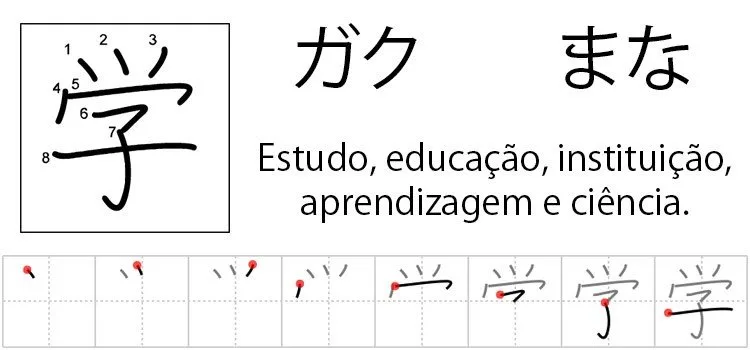
- 学 - study; learning
- 気 - spirit; energy
- 九 - nine
- 休 - rest
- 玉 - jewel; ball
- 金 - gold; money
- 空 - sky; empty
- 月 - moon; month
- 犬 - dog
- 見 - see
- 五 - five
- 口 - mouth
- 校 - school
- 左 - left
- 三 - three
- 山 - mountain
- 子 - child
- 四 - four
- 糸 - thread
- 字 - character; letter
- 耳 - ear
- 七 - seven
- 車 - car; vehicle
- 手 - hand
- 十 - ten
- 出 - go out; exit
- 女 - woman
- 小 - small
- 上 - up; above
- 森 - forest
- 人 - person
- 水 - water
- 正 - correct
- 生 - life; birth
- 青 - blue; green
- 夕 - evening
- 石 - stone
- 赤 - red
- 千 - thousand
- 川 - river
- 先 - ahead; previous
- 早 - early
- 草 - grass
- 足 - foot; leg
- 村 - village
- 大 - big
- 男 - man; boy
- 竹 - bamboo
- 中 - middle; inside
- 虫 - insect
- 町 - town
- 天 - heaven; sky
- 田 - rice field
- 土 - earth; soil
- 二 - two
- 日 - day; sun
- 入 - enter
- 年 - year
- 白 - white
- 八 - eight
- 百 - hundred
- 文 - sentence; writing
- 木 - tree; wood
- 本 - book; origin
- 名 - name
- 目 - eye
- 立 - stand
- 力 - power
- 林 - grove
- 六 - six
What these 80 kanji actually cover
This first set is not random. It introduces the building blocks of reading through themes that appear constantly in a child's world.
- Numbers and counting: 一, 二, 三, 四, 五, 六, 七, 八, 九, 十, 百, 千
- Nature and the physical world: 山, 川, 田, 石, 雨, 天, 空, 火, 水, 木, 草, 竹, 森, 林
- People and the body: 人, 子, 女, 男, 目, 耳, 口, 手, 足
- Time and daily life: 日, 月, 年, 夕, 早, 先
- School and literacy: 学, 校, 字, 文, 本, 名, 見, 正
That is why the list works well for beginners too. Many of these kanji combine into words you will keep seeing in textbooks, signs, calendars, and children's reading material.
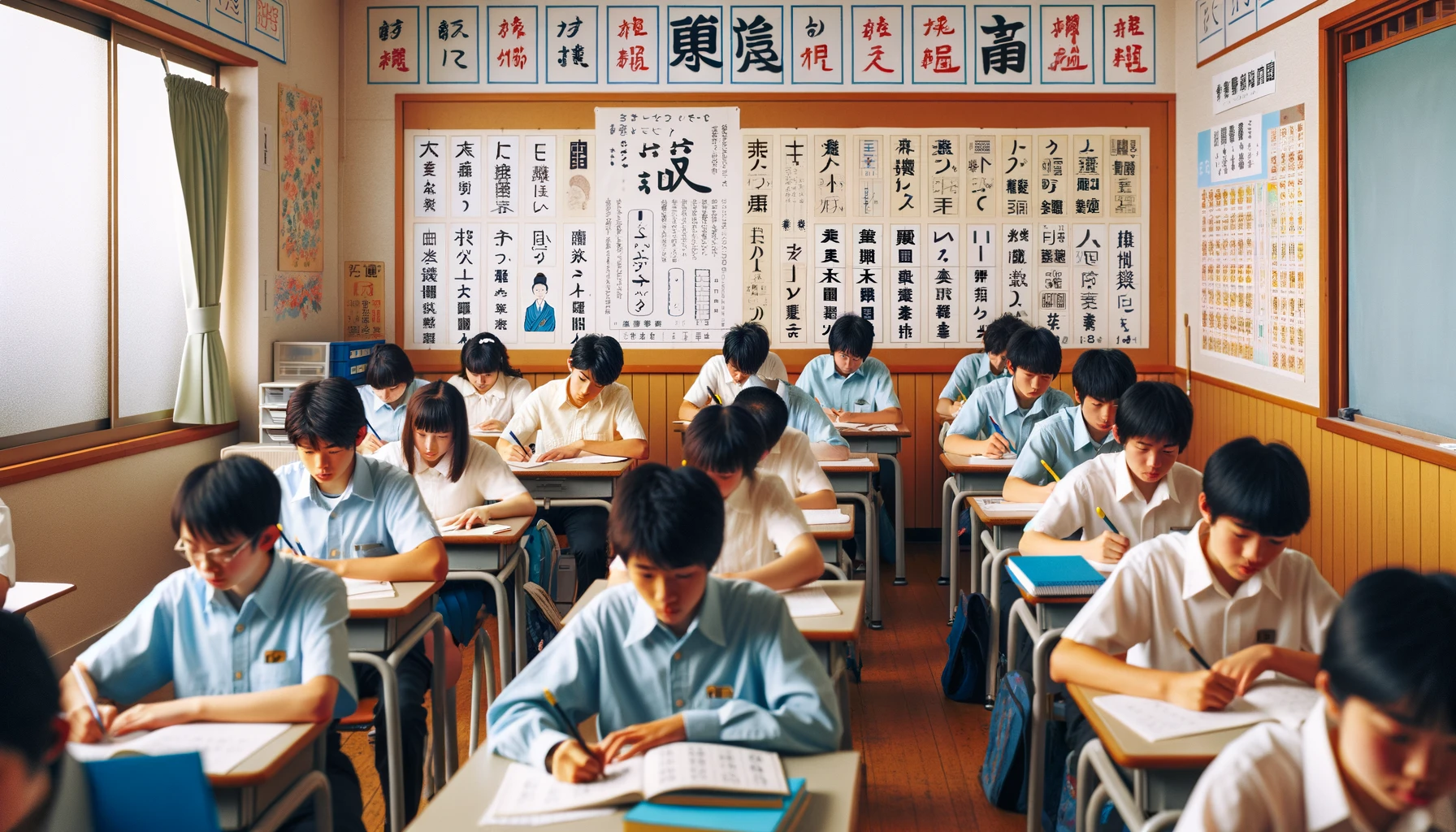
How Japanese children learn these kanji
First-grade students do not memorize kanji as isolated symbols only. They usually learn each character together with stroke order, example words, reading practice, and repeated writing by hand. That matters because recognizing a kanji is easier when you also know how it behaves inside a real word.
For example, 山 becomes easier to remember when you meet it in 火山 (volcano), and 月 stops being an abstract symbol once you see it in calendar words and common expressions. The same logic helps adult learners: study the character, then immediately connect it to words, short phrases, and handwriting.
If you are still building your base in Japanese writing, it helps to review hiragana and katakana first. After that, you can add simple kanji words and train your eye to notice how each character changes meaning inside a compound.
A practical way to study the first 80 kanji
The fastest way to get real value from this list is not to force all 80 at once. Work in small groups and tie each kanji to words you will actually read again.
1. Start with the high-frequency groups
Begin with numbers, days, and basic nature words. They are easier to visualize and appear everywhere. A good companion topic is this guide to Japanese numbers, readings, and counters, since several of the first-grade kanji belong to that field.
2. Learn meanings together with writing
Even if your goal is reading, handwriting helps fix the structure of a kanji in memory. Pay attention to stroke order and the balance of the character instead of copying it mindlessly dozens of times.
3. Move from single kanji to words
Once a kanji feels familiar, attach it to one or two words. This is also the best moment to understand why a character may have more than one reading. If that part still feels confusing, this article on how to recognize the reading of a kanji can help you separate pattern from guesswork.
4. Review by theme instead of random order
Grouping kanji by topic makes recall easier. Numbers belong together, body parts belong together, and school words belong together. The official chart gives you the set, but your study routine works better when you turn the list into meaningful clusters.

Common mistakes beginners make with the first 80 kanji
- Trying to memorize readings without words: many readings only make sense when you see real vocabulary.
- Ignoring stroke order completely: you do not need calligraphy perfection, but structure helps memory.
- Studying all 80 in one burst: retention is better when you revisit small groups often.
- Treating the school list like a JLPT checklist: the first-grade set is excellent for beginners, but your reading growth comes from words and usage, not from isolated symbols alone.
Why this list is still useful for adult learners
The first-grade kanji are simple, but they are not trivial. They appear in place names, dates, signs, beginner readers, and everyday compounds. When you learn them well, later kanji stop looking like a wall of unrelated shapes and start feeling like combinations of familiar parts.
So if your goal is to read Japanese with more confidence, the first 80 kanji are still one of the smartest places to begin. Learn the official set, connect each character to words you will actually use, and build from there instead of chasing rare characters too early.



Community
Comments
0 comments
There are no published comments in this language yet.
Send comment