

Religious vocabulary in the Japanese language reflects a unique spiritual landscape shaped primarily by Shinto traditions and Buddhism. Understanding how the concept of divinity is expressed offers valuable insight into how Japanese culture interprets the sacred world. Whether examining indigenous animism or global religious traditions, the vocabulary reveals distinct cultural perspectives that differ significantly from Western linguistic habits.
When studying religious scriptures, literature, or historical documents in Japanese, each term conveys nuanced imagery through its written form. In Western languages that rely on phonetic alphabets, words often conceal their etymological origins beneath centuries of sound shifts. In contrast, Japanese uses kanji ideograms where each character carries inherent meaning, allowing learners to discern theological concepts directly from the visual structure of the words.

Contents 4
How to write and say God in Japanese?
The standard Japanese word for God or deity is written with the kanji [神], pronounced kami in its native Japanese reading (kun'yomi). In traditional Japanese thought, the term kami does not exclusively designate a single omnipotent creator in the monotheistic sense. Instead, it refers to venerated spirits, sacred phenomena, divine beings, and powerful forces that inhabit the cosmos, nature, and human society.
When addressing God with deep respect, speakers frequently attach the honorific suffix -sama [様], forming the compound kami-sama [神様]. The suffix -sama is one of the highest polite titles in the language, traditionally reserved for divinities, royalty, and esteemed figures. Another primary pronunciation of the character [神] is shin or jin, which represents the Sino-Japanese reading (on'yomi). This pronunciation appears in many compound terms such as shinto [神道] (literally, the way of the gods), jinja [神社] (a Shinto shrine), and shinwa [神話] (mythology).
In the indigenous Shinto worldview, kami encompass spirits dwelling in natural elements such as mountains, waterfalls, ancient trees, storms, and oceans. The spirits of deceased ancestors, notable historical emperors, and heroic leaders can also be venerated as kami after their departure from the physical world.

The following table presents key terms, titles, and expressions associated with divinity in the Japanese language:
| English | Japanese | Romaji |
| Goddess | 女神 | megami |
| YHWH, Jehovah, Yahweh | エホバ | ehoba |
| Great deity, archaic god | 大神 | ōkami |
| Deity in the Ainu language | カムイ | kamui (kamuy) |
| God (loanword from English) | ゴッド | goddo |
| Heavenly Father | 天父 | tenpu |
| God of death, death spirit | 死神 | shinigami |
| Supreme Being | 至上者 | shijōsha |
| Gods, deities (plural form) | 神々 | kamigami |
How to write Jesus and Christ in Japanese?
Christianity arrived in Japan during the sixteenth century through Portuguese Jesuit missionaries, inaugurating what historians call the Nanban trade era. To express the name of Christ before katakana became the universal script for Western loanwords, early translators selected Chinese characters based strictly on their phonetic sounds rather than their semantic definitions. This orthographic technique is called ateji [当て字].
The historical ateji for Christ is [基督], pronounced Kirisuto. The two characters used are [基] (foundation) and [督] (command or supervision). While the individual kanji hold noble meanings, they were chosen primarily to approximate the Portuguese pronunciation Christo. In modern standard Japanese, foreign names and loanwords are transcribed in the katakana syllabary. Today, Christ is written as キリスト (Kirisuto), and Jesus Christ is written with a middle dot separator as イエス・キリスト (Iesu Kirisuto).
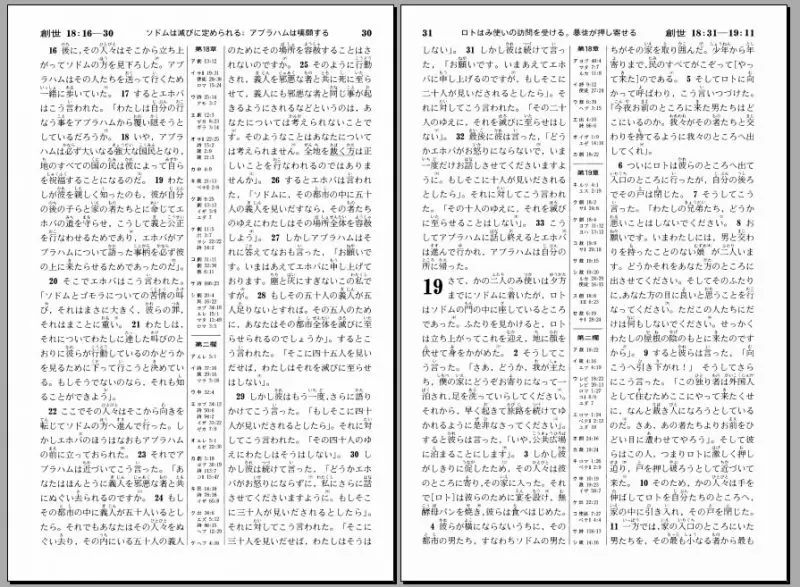
The religion of Christianity is commonly written in katakana and kanji as キリスト教 (Kirisutokyō). The older compound 基督教 remains visible in academic institutions, historical documents, and established theological presses. Readers interested in biblical translations can also explore the Japanese naming conventions for individual books of the Bible in Japanese.
Gods of Shintoism
In Shinto cosmology, deities are understood as dynamic manifestations of musubi [結び], the cosmic generative energy that initiates life, binds relationships, and harmonizes creation. Rather than existing outside the world, Shinto kami are immanent within natural cycles and ancestral communities. The classical expression yaoyorozu no kami [八百万の神] literally means eight million gods, poetically conveying an infinite, myriad presence of divine entities.
To deepen your understanding of classical Japanese lore and religions in Japan and their cultural practices, here is an overview of prominent deities venerated in the Shinto tradition:
- Amaterasu Ōmikami [天照大神]: the radiant sun goddess and supreme deity of the Shinto pantheon, enshrined at the Grand Shrine of Ise and revered as the ancestral deity of the imperial house;
- Susanoo-no-Mikoto [須佐之男命]: the dynamic and unruly god of the sea, storms, and underworld, known for slaying the mythical eight-headed serpent Yamata no Orochi;
- Tsukuyomi-no-Mikoto [月読命]: the quiet god of the moon and ruler of the nocturnal realm, born alongside Amaterasu and Susanoo;
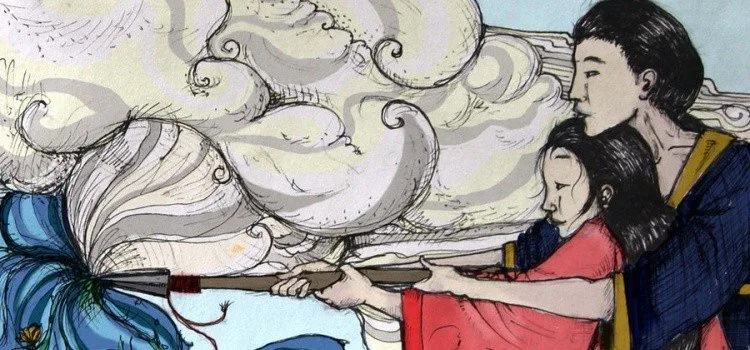
- Izanagi-no-Mikoto [伊邪那岐命] and Izanami-no-Mikoto [伊邪那美命]: the primordial creator couple who stirred the primeval ocean with the heavenly spear and formed the Japanese islands;
- Inari Ōkami [稲荷大神]: the immensely popular patron deity of agriculture, rice cultivation, commercial prosperity, and industry, whose shrines are guarded by kitsune fox messengers;
- Hachiman [八幡神]: the patron kami of warriors, archery, and national defense, historically syncretized with Buddhist traditions;
- Ebisu [恵比寿]: the beloved patron deity of fishermen, merchants, and honest trade, celebrated as one of the Seven Lucky Gods (Shichifukujin);
- Tenjin [天神]: the deified spirit of the ninth-century scholar Sugawara no Michizane, honored as the guardian deity of academics, literature, and school examinations;
- Fūjin [風神]: the ancient god of wind, traditionally depicted as a powerful spirit carrying a large bag of winds over his shoulders;
- Raijin [雷神]: the fearsome god of lightning, thunder, and storms, portrayed beating a circular ring of drums in the heavens;
- Ryūjin [龍神]: the dragon sovereign of the oceans and master of sea tides, inhabiting a coral palace at the bottom of the sea;
- Omoikane [思兼神]: the deity of wisdom, foresight, and collective counsel, called upon by other gods to resolve cosmic dilemmas;
- Sarutahiko Ōkami [猿田彦大神]: the tall, formidable deity of earthly guidance and protector of crossroads, revered for directing travelers and seekers.
Essential religious vocabulary in Japanese
Exploring specialized terminology helps clarify how Japanese speakers distinguish spiritual entities across both indigenous traditions and imported world religions. The following glossary provides essential religious vocabulary with standard kanji, phonetic readings, and clear English meanings:
| English | Japanese | Romaji |
| Holy Spirit | 聖霊 | seirei |
| Spirit, departed soul | 霊 | rei / ryō |
| Soul, inner spirit | 魂 | tamashii |
| Bible, sacred scripture | 聖書 | seisho |
| Sin, moral transgression | 罪 | tsumi |
| Church (building or institution) | 教会 | kyōkai |
| Angel | 天使 | tenshi |
| Satan | サタン | satan |
| Devil, demon, evil spirit | 悪魔 | akuma |
| Prophet | 預言者 | yogensha |
| Faith, religious conviction | 信仰 | shinkō |
| Christianity | キリスト教 / 基督教 | kirisutokyō |
| Hymn, religious praise | 賛美 | sanbi |
| Prayer, act of praying | 祈り | inori |
| Divine guidance, lesson | 示し | shimeshi |
| Congregation, gathering | 会衆 | kaishū |
| Catholic | カトリック | katorikku |
| Gospel, good news | 福音 | fukuin |
Mastering religious terminology in Japanese illustrates how the language reconciles distinct cultural worlds. Indigenous terms centered on the kanji [神] express an animistic connection to nature and communal reverence, while adapted loanwords and historic ateji demonstrate Japan's flexible integration of foreign spiritual concepts. Recognizing these linguistic layers provides both language learners and cultural enthusiasts with a deeper appreciation of Japanese literature, historical monuments, and sacred traditions.



Community
Comments
0 comments
There are no published comments in this language yet.
Send comment