
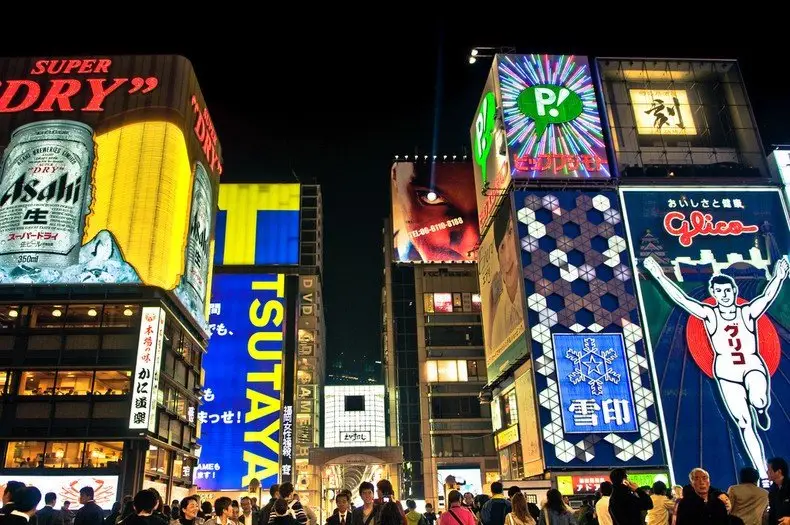
Osaka is one of Japan's great city breaks: fast-moving around Namba and Umeda, deeply tied to food culture, and packed with places that reward a little planning. For a first visit, combine one lively neighbourhood with one historical or waterfront stop instead of trying to cross the whole city in a day.
This guide focuses on the places that give Osaka its character: Dotonbori and Namba after dark, Osaka Castle and its park, Kaiyukan at the waterfront, the older streets around Hozenji and Shinsekai, and the high views from Abeno Harukas. If you are curious about the local speech you may also enjoy our guide to the Kansai dialect.
Contents 13
Osaka city and Osaka Prefecture: what is the difference?
Osaka City is the large urban centre most travellers mean when they say “Osaka.” It sits within Osaka Prefecture in the Kansai region. That distinction matters when choosing a hotel or mapping a day out: most first-time sights in this guide are in the city, while the prefecture extends far beyond its central neighbourhoods.
The city works best by area. Namba and Dotonbori are convenient for food, shopping and evenings; Umeda is useful for rail connections and a more businesslike cityscape; the Bay Area is where Kaiyukan and Tempozan sit; Tennoji and Abeno combine older religious sites with a modern skyline.
Start with Osaka's best-known districts
Namba and Dotonbori
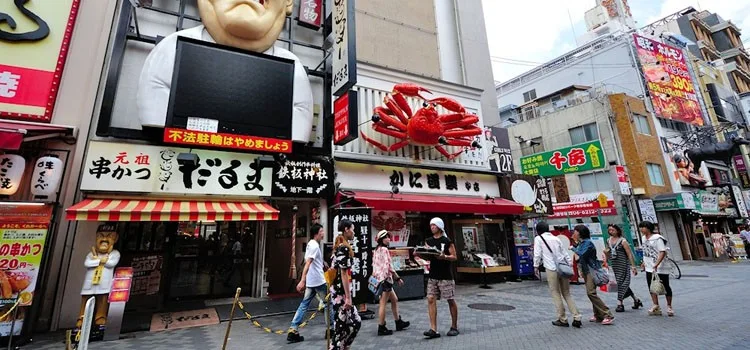
Dotonbori is the bright, busy stretch beside the canal, while Namba is the wider district around it. Come here for the first impression of Osaka: signs, arcades, cafés, department stores and small restaurants all packed into walkable streets. It is more enjoyable if you leave room to wander rather than treating every photo spot as a stop on a checklist.
For food, look for dishes associated with Osaka such as takoyaki and okonomiyaki, but choose a place that looks busy with an understandable menu rather than chasing a single viral stall. The point is the neighbourhood's rhythm: a snack, a side street, then the canal lights after sunset.
Umeda
Umeda, around Osaka and Umeda stations, is a practical base for travellers using regional trains. Its underground passages and large commercial buildings can feel confusing at first, so pick one meeting point before separating from your group. Visit it for city views, shopping, cafés or a convenient meal between train journeys, not because it needs to replace the atmosphere of Namba.
Osaka attractions worth building into an itinerary
Osaka Castle and its park
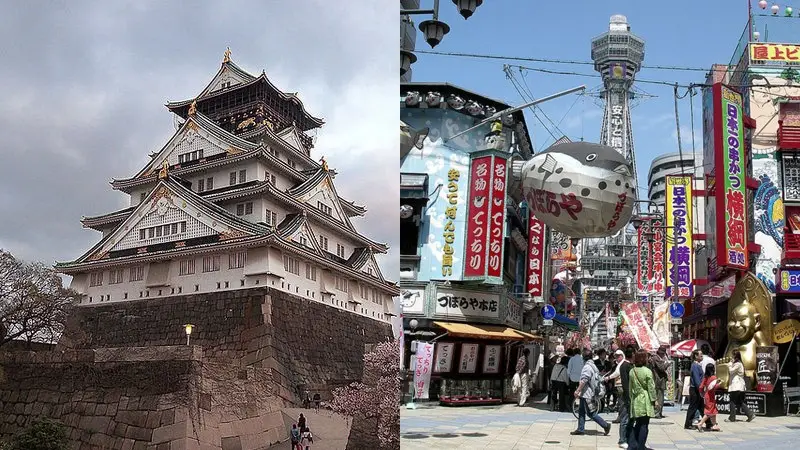
Osaka Castle is the clearest historical stop for a short visit. The castle grounds give you space to slow down after the dense streets of central Osaka, while the tower presents the story of the site and its connection to Toyotomi Hideyoshi and the city's turbulent past. The present tower is a reconstruction, so approach it as a museum and viewpoint rather than an untouched medieval building.
Kaiyukan and the Bay Area
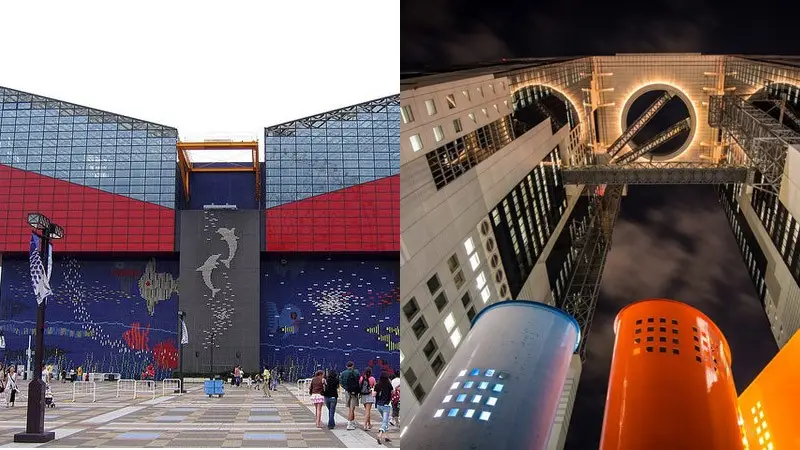
Osaka Aquarium Kaiyukan is a good choice when you want an indoor attraction with a clear route, especially on a rainy day. Give it enough time to move at an unhurried pace; trying to pair it with several distant sights makes the waterfront feel like a detour. The Bay Area also has the Tempozan Ferris wheel and places to eat, so it works well as one self-contained half-day.
Check the aquarium's official visitor information before leaving your hotel, since opening hours, admission arrangements and exhibitions can change. This is one of the few Osaka stops where a current check genuinely improves the day.
Shinsekai and Tsutenkaku
Shinsekai has a different mood from the polished shopping streets of Umeda. Around Tsutenkaku Tower, the streets are known for retro signs, casual eateries and a lived-in, old-Osaka feel. Go with curiosity and normal city awareness, not the dated idea that the whole district can be reduced to a warning label.
Temples, shrines and Hozenji Yokocho
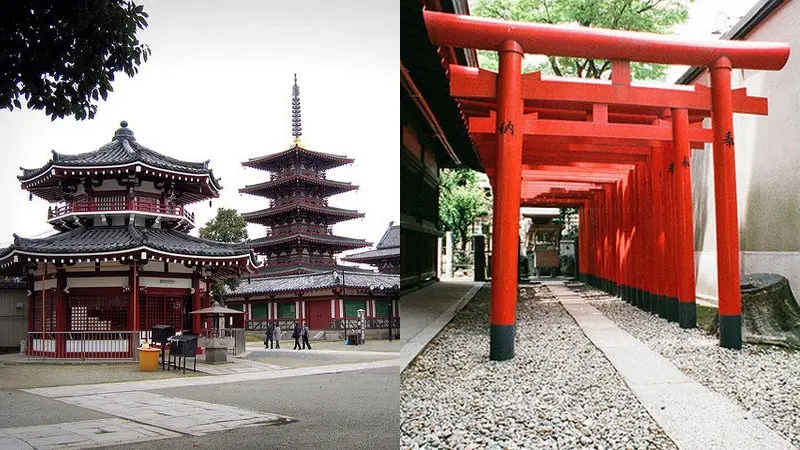
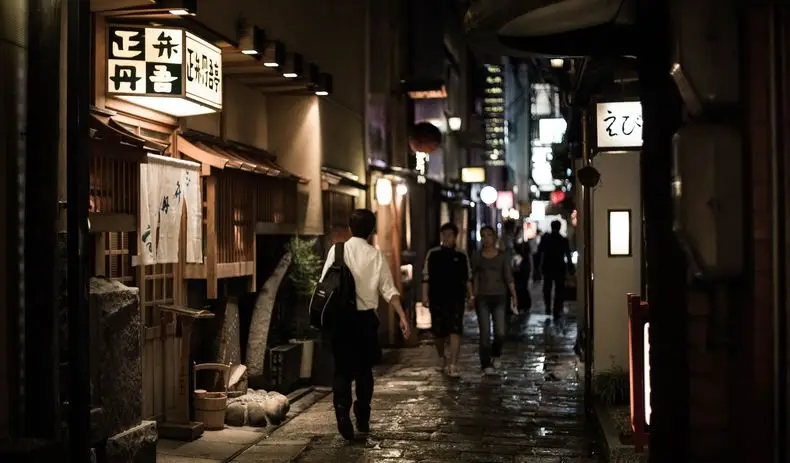
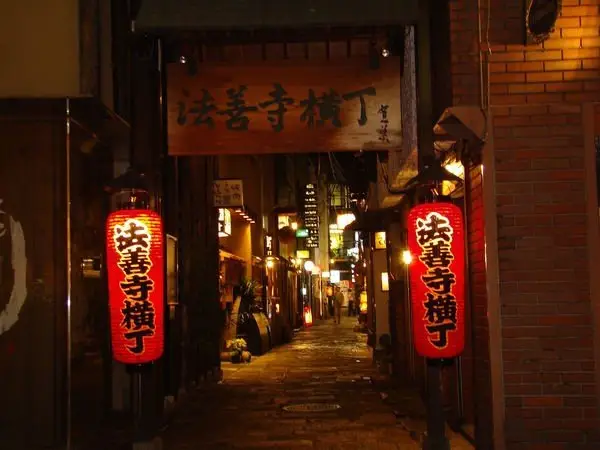
For a quieter counterpoint to Dotonbori, visit Hozenji Temple and the narrow Hozenji Yokocho alley nearby. The moss-covered Mizukake Fudō statue is a memorable small detail in an area otherwise dominated by neon. Shitennoji and Sumiyoshi Taisha are better choices when you want to devote more time to a temple or shrine rather than fitting one into an evening walk.
Abeno Harukas
Abeno Harukas rises 300 metres above the Abeno and Tennoji area. Its observatory occupies floors 58 to 60, with a 360-degree glass-enclosed viewing floor at the top. It is a strong choice for a skyline view when the weather is clear; reserve the surrounding Tennoji area for the same part of the day instead of rushing back across the city.
Culture, theatre and a slower afternoon
Osaka is not only a food-and-shopping destination. The National Museum of Art, Osaka, the Osaka Museum of History and the National Bunraku Theatre make good additions when you want a more focused cultural stop. Choose one that matches your interest and check its current programme before you go; exhibitions and performances are not permanent in the same way as a landmark.
How to plan one or two days in Osaka
One day: begin around Osaka Castle, continue to Namba and Dotonbori in the afternoon, then finish around Hozenji Yokocho or with dinner in the same district. This keeps travel time low and gives the day a useful shift from history to food and evening streets.
Two days: keep the first day central, then use the second for either Kaiyukan and the Bay Area or Tennoji, Abeno Harukas and Shinsekai. Families and aquarium enthusiasts will usually prefer the waterfront option. Travellers who want neighbourhoods, a tower view and older religious sites may prefer the Tennoji route.
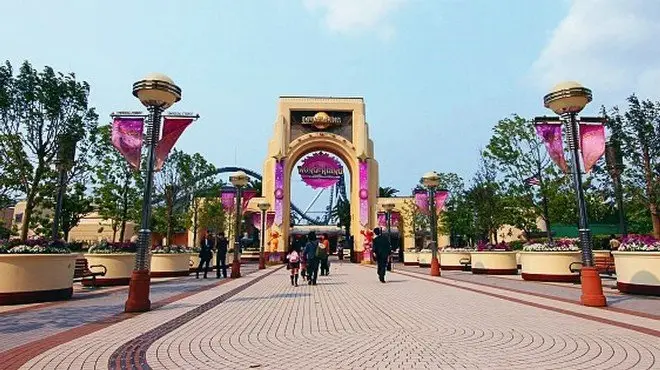
Universal Studios Japan is another full-day option, not a quick extra beside central Osaka. If it is a priority, give it its own day and read our Universal Studios Japan guide before planning the rest of your schedule.
Practical Osaka travel tips
- Group sights by area. Osaka is well connected, but frequent cross-city trips drain a short itinerary.
- Use stations as anchors. Namba, Umeda, Osakajokoen, Osakako and Tennoji are more useful planning points than a long list of street names.
- Check official pages for live details. Opening hours, tickets, exhibitions and seasonal events should be confirmed close to your visit.
- Leave room for meals. A good Osaka day includes time to sit down, not only a queue of landmarks.
Osaka becomes easier once you stop treating it as one giant attraction. Choose a district, add one anchor sight, and let the food streets, arcades and smaller corners fill the space between. That is when the city feels less like a rushed transfer point and more like a destination in its own right.

Community
Comments
0 comments
There are no published comments in this language yet.
Send comment