
A hotel where dinosaurs check you in and robots carry the bags: the Henn-na Hotel in Japan was a sensation in 2015 and entered the Guinness World Records as the first hotel staffed by robots. Four years later the operator did something unexpected. It laid off more than half of the robots because they created more work than they saved.
That story is more interesting today than the novelty itself. It shows what automation can do in daily service, where it fails and how a business adapts.

Contents 9
What the name means
The name Henn-na Hotel [変なホテル] sounds like «strange hotel» in Japanese. The character 変 means unusual or odd, but it also appears in words for change and transformation. The operator plays with that double meaning: the hotel is meant to keep changing and testing new technology.
From the start, the concept was not «everything automatic» but «always evolving». That claim explains why the hotel later swapped robots out instead of defending them.
The beginning in Sasebo
The first property opened on 17 July 2015 inside the Huis Ten Bosch theme park in Sasebo, Nagasaki Prefecture. The operator was the travel company H.I.S., whose founder Hideo Sawada spoke of a hotel with 90 percent robots.
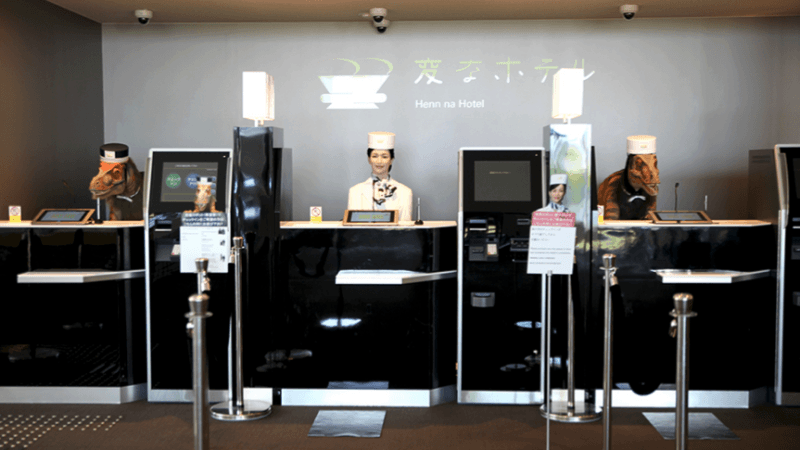
The idea was economic: Japan lacks workers, and a hotel with few staff can offer lower prices. The front desk was staffed by dinosaurs and humanoid figures, check-in ran through machines, and every room had a small assistant.
What the robots actually did
At reception, guests could talk to figures that spoke several languages, including Japanese, English, Korean and Chinese. Check-in went through a touchscreen, and the room door later opened by facial recognition instead of a key.
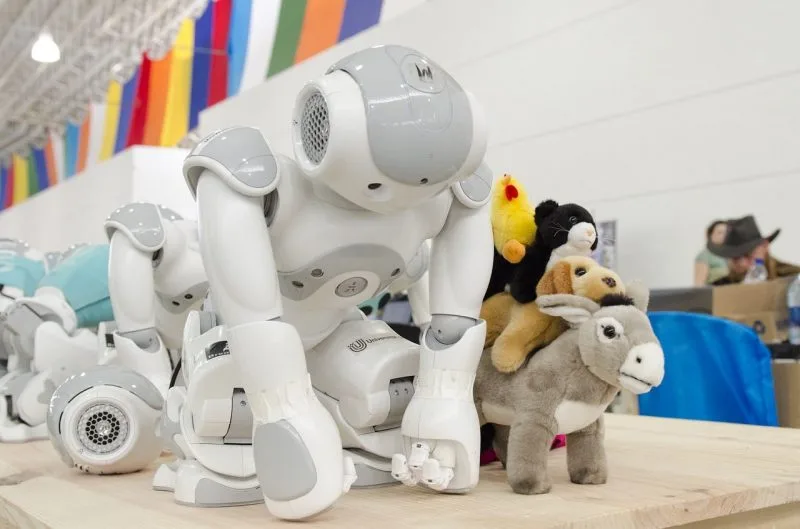
In the room there was a small robot called Churi that was supposed to answer questions, a closet with steam cleaning, a tablet and access to a guest phone. It sounded like the future, but it only partly worked.
The layoffs of 2019
At its peak the chain ran 243 robots. In January 2019 the Wall Street Journal reported that more than half had been switched off. The reasons were practical: figures did not understand questions, Churi woke guests at night with error messages, and some robots could not carry luggage up stairs.
Instead of saving work, they created new work. Staff had to fix errors, restart devices and calm guests. The hotel hired more people again, especially at reception and in service.

What became of it
The brand did not disappear. The operator expanded it to more cities and airports and opened properties that focus on efficient check-in rather than spectacle. An industry case study counts around 20 locations today, from Hokkaido to Kyushu.
The experiment turned into a model: automation where it is reliable, people where guests need help. That is less spectacular than the 2015 dream, but it works in daily operations.
What a stay looks like today
In most properties you check in at a machine and receive the room key or a digital code. If you need help, there is still staff, often at certain hours. Breakfast and restaurants differ by location, and some properties sit at stations or airports and suit only one night.
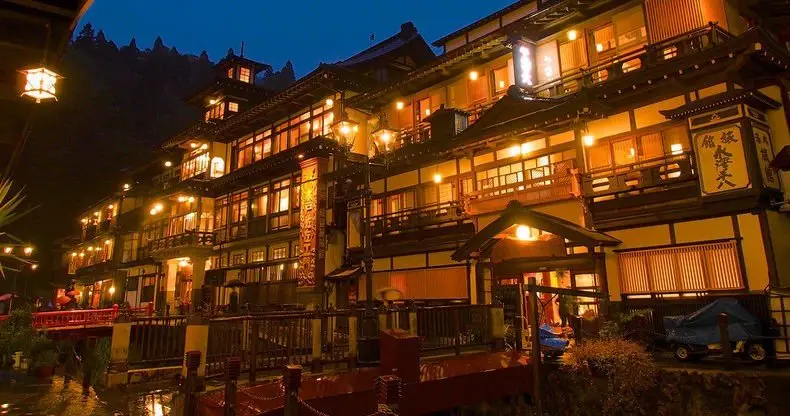
Rooms are small, modern and clean, with plenty of technology and little luxury. Anyone expecting a traditional ryokan with service is in the wrong place. Anyone looking for an affordable, uncomplicated stay with a curiosity is in the right one.

Who the hotel suits
Families with children enjoy the dinosaur reception. Travellers with an early flight benefit from the airport locations. Couples looking for quiet, personal service often find the chain too loud and too technical.
Check the exact property before booking. The houses differ a lot in size, location and facilities, and a low price does not always mean a good connection to the city.

What the case says about automation
The Henn-na Hotel shows two things at once. First, robots can handle simple, repetitive tasks such as check-in or giving information. Second, as soon as guests have questions or something goes wrong, people are needed.
The layoffs were not a failure of technology as a whole but a correction. Anyone planning automation has to budget for maintenance, error handling and guest expectations. A robot that works most of the time still costs staff.
Final thoughts
The Henn-na Hotel is neither pure future nor pure disappointment. It is an attempt that started expensively and became more sober afterwards. A stay there today means a hotel that plays with technology but cannot do without people.
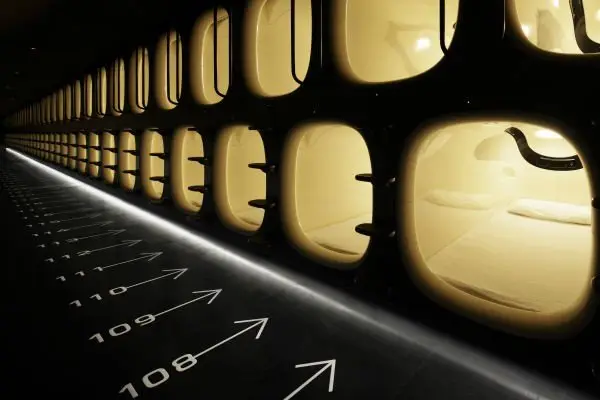
More on technology and robotics in Japan is in the articles on the robot restaurant in Shinjuku and on the advance of android robots in Japan. If you are comparing cheap accommodation, the piece on Japanese capsule hotels offers an alternative.


Community
Comments
0 comments
There are no published comments in this language yet.
Send comment