
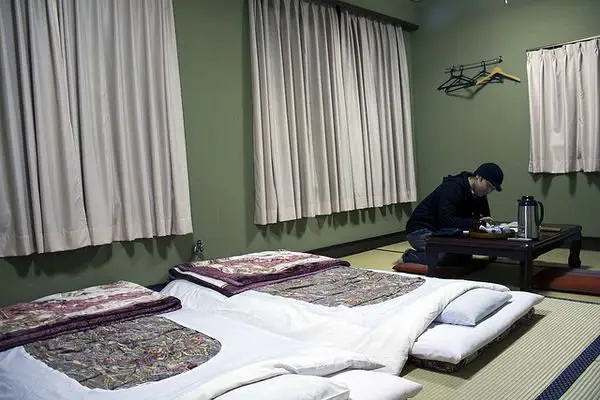
If you have ever stayed in a ryokan or seen a traditional room in Japan, you have probably noticed the bed is not really a bed. It is usually a futon: a set of bedding spread directly over the floor, most often on top of tatami.
So do Japanese people sleep on the floor? Yes, many do when using a futon, especially in traditional homes, guesthouses and ryokan. But that does not mean everyone in Japan sleeps this way every night. Modern apartments often use Western-style beds too. The real point is that the futon remains a practical and very Japanese way to sleep, not a strange survival habit from the past.
Contents 8
What is a Japanese futon?
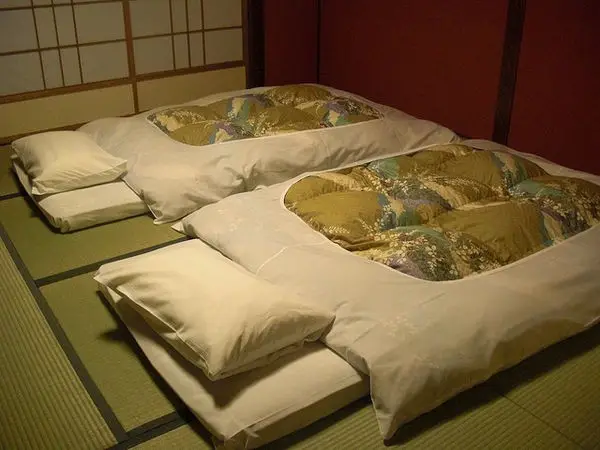
In everyday use, people often say futon as if it were only the mattress. In Japan, though, the word can refer to the full bedding set. The most common pieces are the shikibuton (the mattress you sleep on), the kakebuton (the quilt or comforter) and the makura (the pillow).
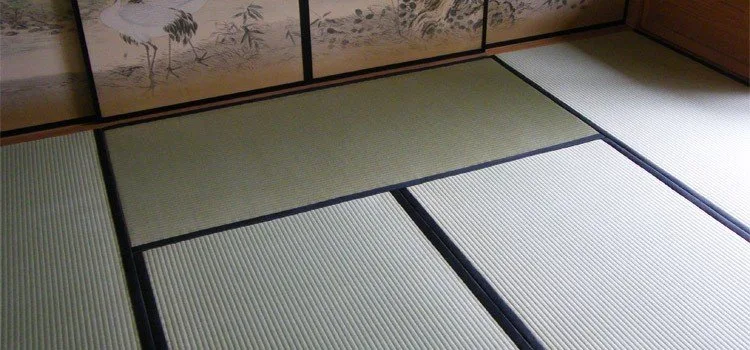
That is one reason travelers sometimes get confused. What looks like a thin floor mattress is only one part of the set. In a traditional room, the bedding is meant to work together with the floor surface, especially tatami, rather than imitate a tall Western bed frame.
Why do people sleep on a futon instead of a bed?
The first answer is simple: space. In many Japanese homes, one room may serve several purposes during the day. A futon can be folded and stored in a closet, leaving the room open for sitting, reading, eating or hosting guests. That flexibility fits well with the layout of many Japanese houses.
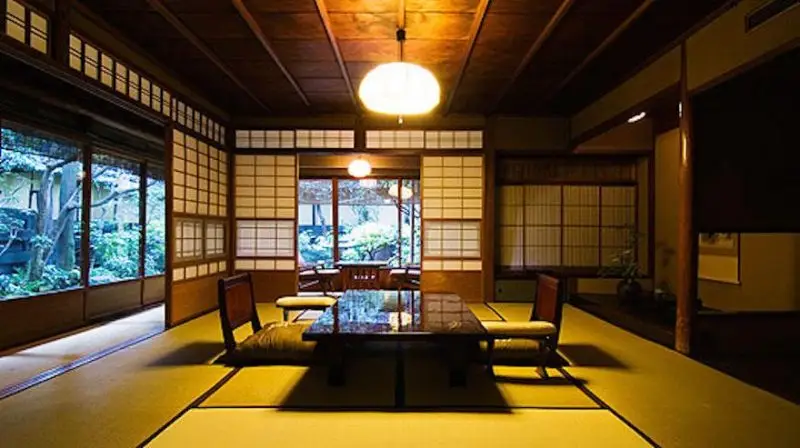
The second reason is cultural habit. A tatami room already invites a different way of using space: shoes stay out, furniture stays lower, and the room feels cleaner and calmer close to the floor. Sleeping on a futon follows that same logic.
There is also the experience factor. Many people who try a proper futon in Japan are surprised that it does not feel as harsh as the phrase “sleeping on the floor” suggests. A futon on tatami is not the same thing as sleeping on bare wood or tile.
Do all Japanese people still sleep like this?
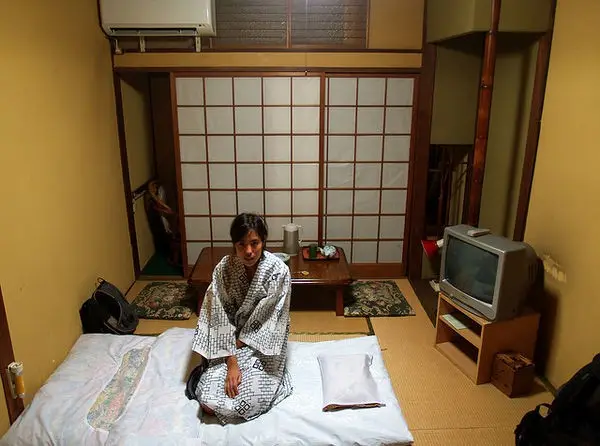
No. Japan is not frozen in one style of living. Plenty of people use standard beds, especially in newer apartments and urban homes where the bedroom is already designed around fixed furniture. Even some modern ryokan now offer low beds instead of floor bedding.
Still, futons remain common enough that they are not just a tourist performance. They are part of everyday life, especially in traditional inns, older homes, guest rooms and family houses that still keep a washitsu, a Japanese-style room with tatami.
Is sleeping on a futon comfortable?
That depends on what you are used to. If you prefer very soft mattresses, a futon may feel firmer at first. If you like a flatter and more stable surface, it can feel surprisingly comfortable from the first night.
What usually matters most is not whether the futon is on the floor, but whether it is a proper futon in good condition and whether it is being used on the right surface. A futon on tatami feels very different from a thin pad thrown over a hard floor without support.
For travelers, the most practical answer is this: one or two nights in a ryokan futon are usually easy to enjoy, but if you have back, hip or knee issues, it is worth checking the accommodation details before booking.
How is a futon used day to day?
One of the most characteristic habits is that a futon is not always left in place. In many homes and inns, it is spread out at night and folded in the morning. This helps free up the room and also makes regular airing easier.
Good futon care matters because bedding close to the floor can hold moisture. That is why people often air it out, let the room breathe and avoid leaving it compressed forever. In Japan, seeing bedding hanging outside on a dry day is still a familiar sight.
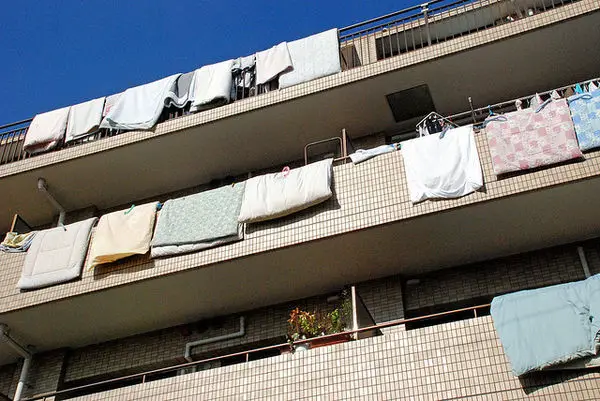
Older travel stories sometimes make it sound as if beating the futon with a stick were the essential ritual. In reality, maintenance is more about ventilation, dryness and proper care than dramatic dust-cloud scenes.
Where will you actually encounter futons in Japan?
The most common place for visitors is a ryokan. That is where the full experience comes together: tatami room, futon bedding, quiet atmosphere and often access to an onsen or bath. If you want to understand why futons still matter, one night in a good ryokan explains more than a hundred photos.
You may also see futons in family homes, temple lodging, traditional guesthouses and some budget accommodations with Japanese-style rooms. In contrast, business hotels and many city apartments are more likely to use Western beds.
Why does the futon still make sense today?
Because it solves real problems. It saves space, adapts to multi-use rooms, matches the layout of traditional interiors and keeps a strong connection with everyday Japanese living. That is why the futon has survived even in a country full of modern apartments, convenience and Western furniture.
In other words, the futon is not interesting because it looks unusual to foreigners. It is interesting because it shows how Japanese homes use space differently. Once you see that, “sleeping on the floor” stops sounding primitive and starts sounding practical.
Should you try a futon in Japan?
If you are curious about traditional accommodation, yes. A proper futon in a good tatami room is one of the easiest ways to feel the rhythm of a Japanese interior from the inside rather than just looking at it as décor.
Just do not expect every futon experience to be identical. The quality of the bedding, the room, the season and your own sleeping habits all matter. But if your question is whether Japanese people really sleep on the floor, the answer is clear: yes, through the futon tradition, and for many people it still works very well.




Community
Comments
0 comments
There are no published comments in this language yet.
Send comment