
On November 3, people gather in Kushihara, part of Ena in Gifu Prefecture, for a festival that Japanese media like to call the most dangerous in the country. The Hebo Matsuri is about wasps and their larvae: nests are weighed, larvae are boiled and eaten, and visitors arrive with cameras and appetite. What looks like a curiosity is part of a long tradition of insect food in the mountain regions of central Japan.
Contents 9
What the Hebo Matsuri celebrates
In the region, hebo refers to the larvae of the black field wasp, called kuro-suzumebachi in Japanese and known as Vespula flaviceps. The insects build small nests in holes in the ground and under tree roots, and in autumn those nests hold larvae of different sizes. At the festival the nests are collected, weighed and sold, and dishes made from the larvae take centre stage.
Place and programme
The festival takes place on a site in Kushihara, among hills near the border with Aichi Prefecture. Stalls sell nests and prepared food, and visitors can look at the insects and taste them. A contest is part of the day: a judge weighs the nests brought by participants, and the heaviest wins. For the region it is also a meeting of collectors who pass on hunting spots and techniques from one generation to the next.
Hachinoko: larvae as food
Hachinoko, literally «bee child», is the general name for edible bee and wasp larvae. In Gifu and Nagano it is a speciality of autumn. The larvae are simmered with soy sauce and sugar until they form a dark, sweet mixture served with rice or as a side dish. Descriptions range from nutty to crunchy; it is usually eaten with rice, and sake belongs to the meal rather than to the recipe.
Why insects end up on mountain tables
In the mountains of central Japan, protein was scarce. Nuts, river fish and insects completed the diet, and collecting wasp nests became a seasonal task. That necessity produced a cuisine still kept alive today. Older residents remember childhood days when a nest was shared and the larvae were cooked right away, before anything could spoil.
Prices, seasons and a common error
A kilogram of edible nests costs around 3,000 yen or more at the festival. The larvae are largest in autumn, when the colony has produced most of its young; early nests hold fewer and smaller larvae. The old claim that larvae are only edible after several years is wrong: the colony lives for a single season, and what matters is the point in the year when the nest is collected.
How dangerous is the festival?
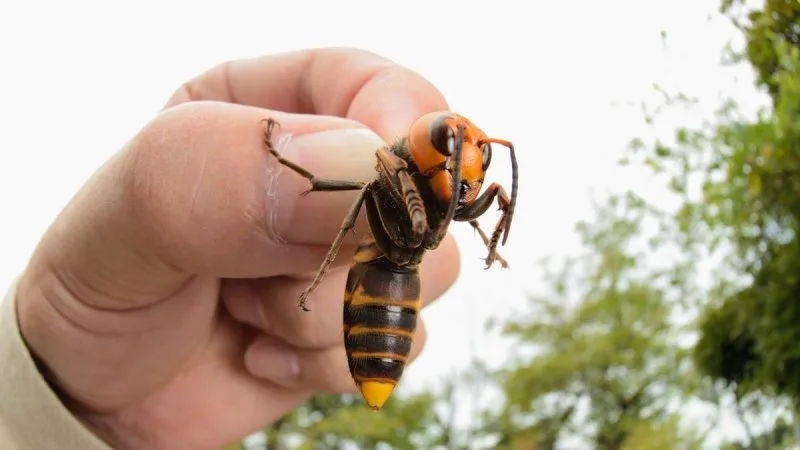
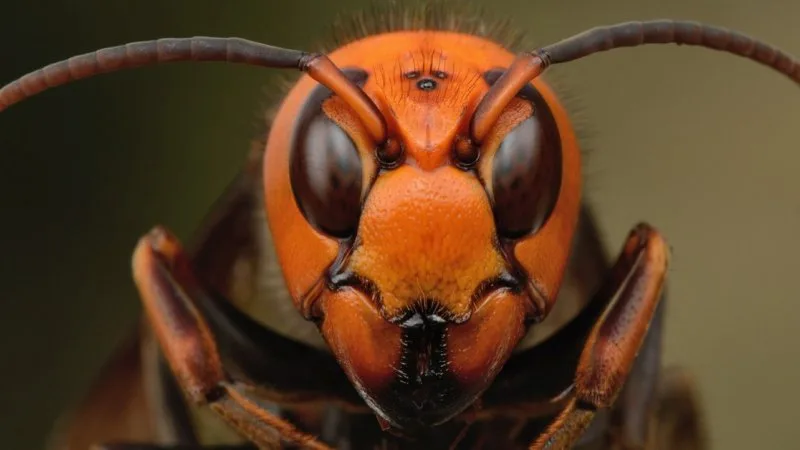
The wasps defend their nests, and stings do happen. For people without an allergy a sting is painful but rarely dangerous; the risk comes with a known allergy to insect venom. Anyone sensitive should keep a distance and avoid handling nests. Comparing the festival to the giant mandarin wasp, which also lives in Japan, exaggerates the danger rather than describing it.
Hachinoko beyond the festival
You do not have to wait for November. In Gifu and Nagano some restaurants and markets sell hachinoko in season, and urban markets such as Tsukiji have offered stalls with the larvae. Anyone who wants to try it should look for a place that names the region of origin and ask how it is prepared: simmered with soy sauce or fried are the usual versions.
An imperial taste?
Local storytelling says Emperor Hirohito enjoyed fried wasps with soy sauce. Such anecdotes are part of the folklore of the festival and are hard to verify; they still show that hachinoko is not only an attraction for tourists but part of the local food culture. Hear the story as a regional tale, not as a documented fact.
Final thoughts
The Hebo Matsuri is a small festival with a long history: collect wasps, weigh nests, cook larvae and eat together. It shows how a cuisine grows out of landscape and seasons, and how one region deals with a resource others see as a pest. For visitors it is above all a look at autumn in Gifu, with respect for the insects and their stings.
More on Japan: tempura, history and recipe, yakitori and skewers, the mandarin wasp and autumn in Japan.




Community
Comments
0 comments
There are no published comments in this language yet.
Send comment