
Aki [秋] is autumn in Japanese. It is one of the four seasons of Japan, known for cooler air, harvest foods and the changing leaves called kōyō [紅葉]. The season feels different from one region to another, so the best plan starts with the destination rather than one fixed date.
Contents 5
What is autumn like in Japan?
After the summer heat and humidity, many parts of Japan become more comfortable for walks, gardens and day trips. Days can still be mild while mornings and evenings turn chilly, especially in northern regions and mountain areas. Pack layers instead of relying on one temperature for the whole country.
The colors do not arrive everywhere at once. The foliage season generally begins in Hokkaido and high-elevation areas, then moves south and toward lower elevations. Tokyo and Kyoto often see color later than northern Japan, and some trees there remain colorful into December. Weather can shift the timing from year to year.
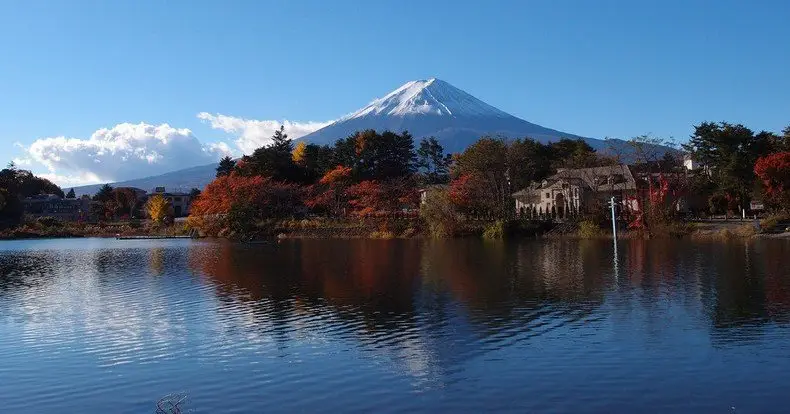
Autumn is also a season of harvest foods. Chestnuts, persimmons, pears, grapes, apples and yuzu appear in markets and seasonal menus. Early autumn can still bring rain and typhoons, so a foliage trip benefits from a flexible itinerary and a current local forecast.
Longer nights bring tsukimi [月見], the custom of moon viewing. It is a quieter side of the season: a clear evening, a bright moon and foods such as rice dumplings are often more memorable than trying to see every famous tree on a tight schedule.
Autumn traditions and flowers
Moon viewing — Tsukimi [月見] literally means “moon viewing.” It is associated with the autumn moon and seasonal foods, especially tsukimi dango, small rice dumplings offered during the celebration.
School and community events — Autumn is a common time for school sports days, known as undōkai. Cultural events such as gakugeikai and bunkasai can also take place during the school year, with schedules set by each school.
Seasonal flowers — Chrysanthemums, cosmos and red spider lilies are among the flowers often associated with autumn. Their bloom periods vary by place and weather, so check the venue before travelling for a particular display.
Where to enjoy autumn in Japan
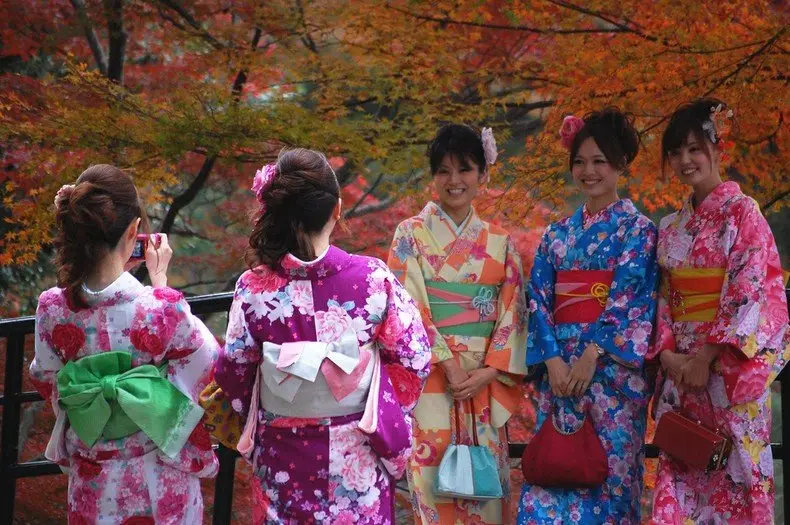
Kyoto is a natural choice for visitors who want temples, gardens and maple leaves in the same day. Its busiest foliage spots can be crowded, so an early morning visit or a less central neighborhood often makes the experience calmer.
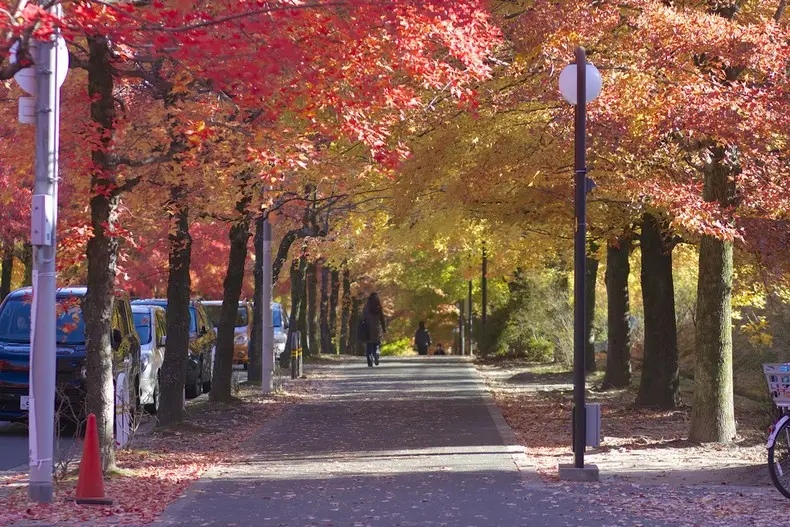
Tokyo offers a different kind of autumn: broad avenues, historic gardens and large parks within a major city. Icho Namiki Avenue and the grounds around the University of Tokyo are well-known for ginkgo trees, while gardens offer a more enclosed view of maples and ponds.
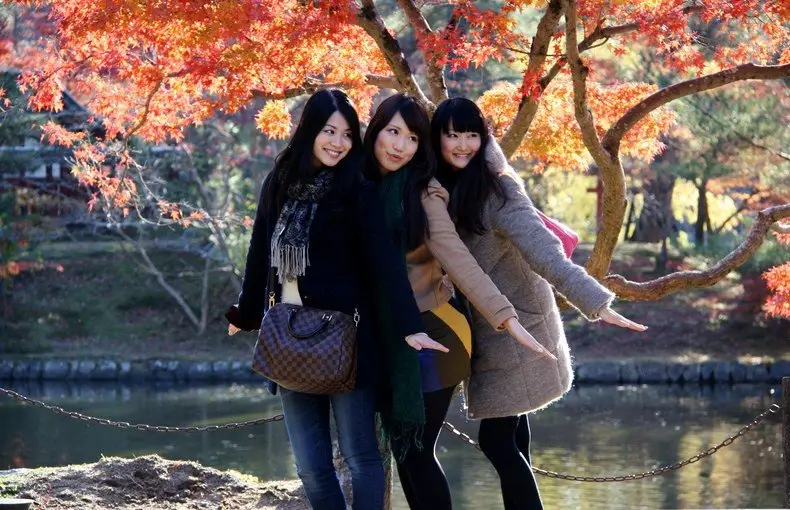
Nara combines parks, temples and shrines with an easy pace for a day trip from Kyoto or Osaka. In Osaka, Osaka Castle and Minoo Park are familiar choices when the leaves begin to turn.
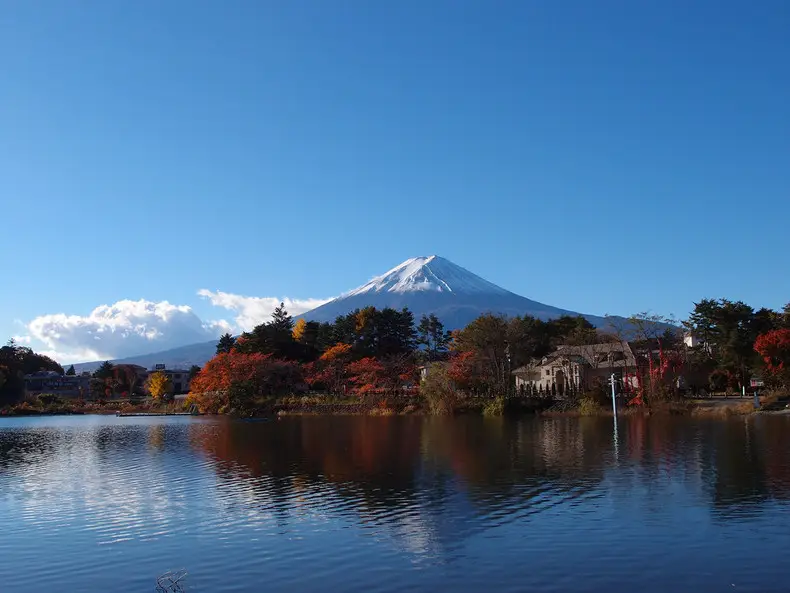
Nikko is a mountain destination north of Tokyo, with lakes, hot springs, temples and autumn scenery. Kanazawa is another strong option for travelers who want a garden-centered visit, while the Fuji Five Lakes pair seasonal color with views of Mount Fuji when the weather is clear.
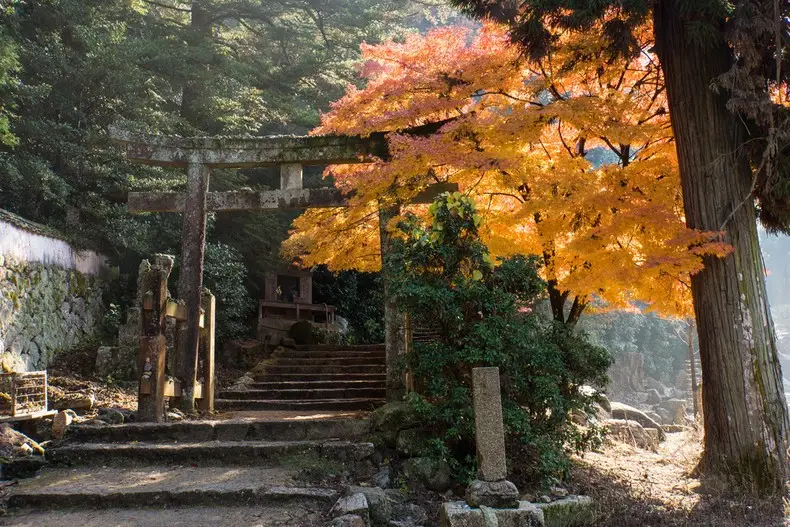
Near Hiroshima, Miyajima is known for Momijidani Park and its maple trees. The island has walking trails, temples and shrines, making it a better stop for travelers who want more than a quick foliage photograph.
How foliage season moves across Japan
Use this order as a planning guide, not as a calendar. The exact peak depends on elevation, tree species and the weather in that year.
| Area | Usual order | Planning note |
|---|---|---|
| Hokkaido and high mountains | First | Color can begin while lower regions are still warm. |
| Tohoku and inland mountain areas | Early to middle phase | Good for travelers visiting in October. |
| Nikko, Mount Fuji area and central highlands | Middle phase | Altitude creates large differences within the same region. |
| Tokyo, Kanazawa, Kyoto, Nara and Osaka | Later phase | Many city and garden displays arrive in November and can continue into December. |
| Miyajima and Kyushu | Later phase | Check each destination's current forecast before booking. |
Autumn words in Japanese
These words help when reading seasonal signs, menus and travel information in Japan:
| Romaji | Japanese | Meaning |
|---|---|---|
| aki | 秋 | Autumn |
| ame | 雨 | Rain |
| gakkō ni iku | 学校に行く | To go to school |
| ha | 葉 | Leaf |
| Harowīn | ハロウィーン | Halloween |
| kanshasai | 感謝祭 | Thanksgiving |
| kaze | 風 | Wind |
| kaze | 風邪 | Cold illness |
| kisetsu no kawarime | 季節の変わり目 | Change of season |
| kōyō | 紅葉 | Autumn foliage |
| kuri | 栗 | Chestnut |
| nagasode no shatsu | 長袖のシャツ | Long-sleeved shirt |
| rakuyō | 落葉 | Fallen leaves |
| sētā | セーター | Sweater |
| shūbun | 秋分 | Autumn equinox |
| suzushii | 涼しい | Cool |
| tsukimi | 月見 | Moon viewing |




Community
Comments
0 comments
There are no published comments in this language yet.
Send comment