
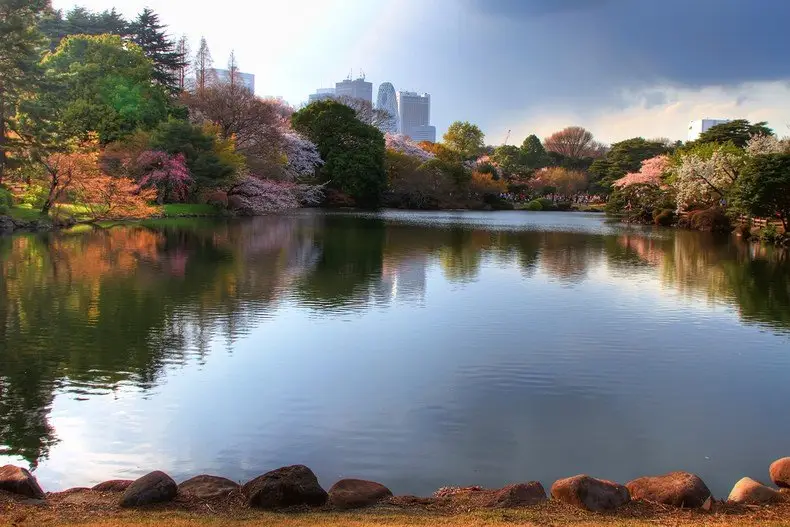
Japan's national parks are not city parks with a few walking paths. They protect large, living landscapes: volcanic ridges, wetlands, old forests, island coasts and coral-rich seas. The choice is wide, but it is not endless: Japan currently has 35 national parks, each with its own climate, access and pace.
That matters when planning a trip. A park near Tokyo can fit between city stops; Shiretoko or Keramashoto asks for more time and weather awareness. Below are five strong places to begin, followed by the complete official list. Before setting out, check local visitor information for trail conditions, ferry schedules and volcanic restrictions.
Contents 15
What counts as a national park in Japan?
In Japanese, a national park is a kokuritsu kōen (国立公園). These are protected landscapes designated under Japan's Natural Parks Law and administered by the Ministry of the Environment. A park may include land and sea, public roads, villages or privately owned areas; designation does not mean every part is remote wilderness or freely accessible.
Japan also has quasi-national parks, called kokutei kōen (国定公園). They are a different designation, so they should not be mixed into a list of national parks. For the current nationwide directory, use the Ministry of the Environment overview.
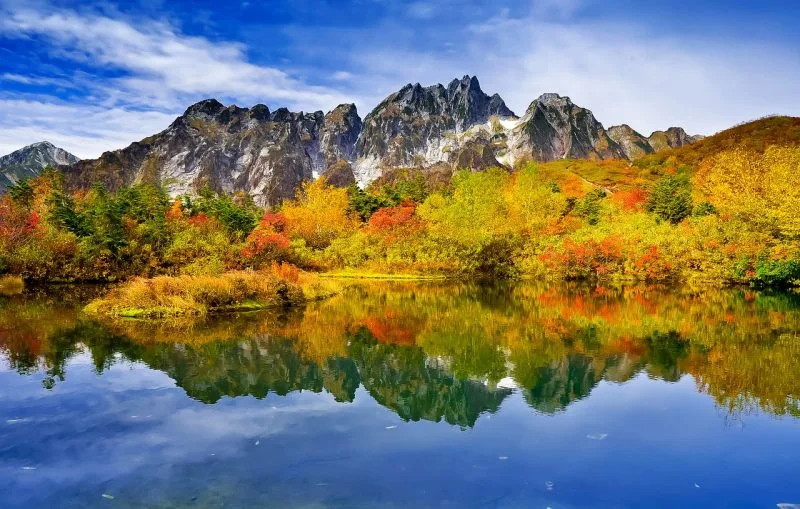
5 national parks worth putting on your route
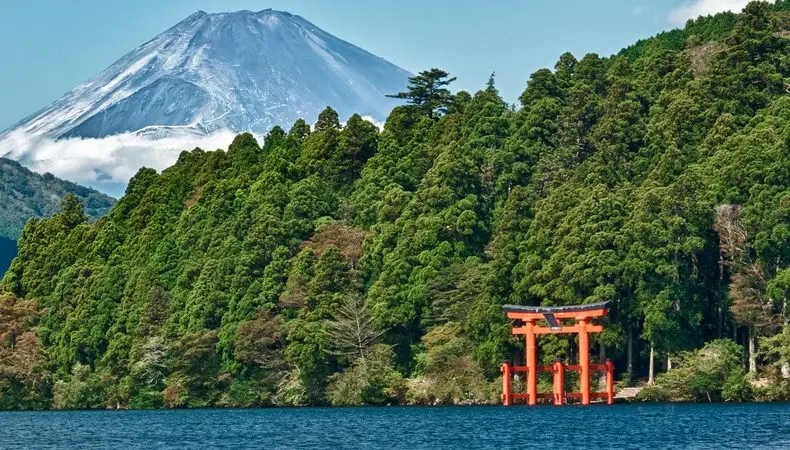
1. Fuji-Hakone-Izu National Park
Fuji-Hakone-Izu is the practical choice for travelers who want dramatic scenery without leaving the Tokyo area far behind. Its protected landscape brings together Mount Fuji, Hakone, the Izu Peninsula and the Izu Islands, so it does not feel like one single trail network. Pick one area and give it room: a Hakone day, a Fuji hiking plan or an Izu coast stay each makes a different trip.
For hot springs, lake views and a slower route around the mountain, see our guide to Hakone near Mount Fuji. Conditions on high ground change quickly, especially outside the main hiking season.
2. Shiretoko National Park
On the Shiretoko Peninsula in eastern Hokkaido, the scale feels very different. Forested slopes meet the Sea of Okhotsk, and the park is known for wildlife, coastal boat trips and winter drift ice. Shiretoko is also part of a UNESCO World Heritage property, but its appeal is not a checklist item: it is one of the places where route rules and respectful distance from wildlife shape the visit.
Plan around the season and follow local guidance. Boats, roads and trails do not offer the same access year-round, and a bear-safe visit starts with treating closures and ranger advice as part of the route.
3. Yoshino-Kumano National Park
Yoshino-Kumano stretches across Mie, Nara and Wakayama on the Kii Peninsula. It is a good match for someone who wants mountains, coast and pilgrimage-country atmosphere in the same broader journey. Mount Yoshino is associated with spring cherry blossoms, while the Kumano area rewards travelers who prefer forests, waterfalls and longer walks over a rushed day trip.
The park covers separate areas, so map the exact destination before booking transport. A visit to Yoshino is not the same itinerary as a stay around Kumano Nachi or the southern coast.
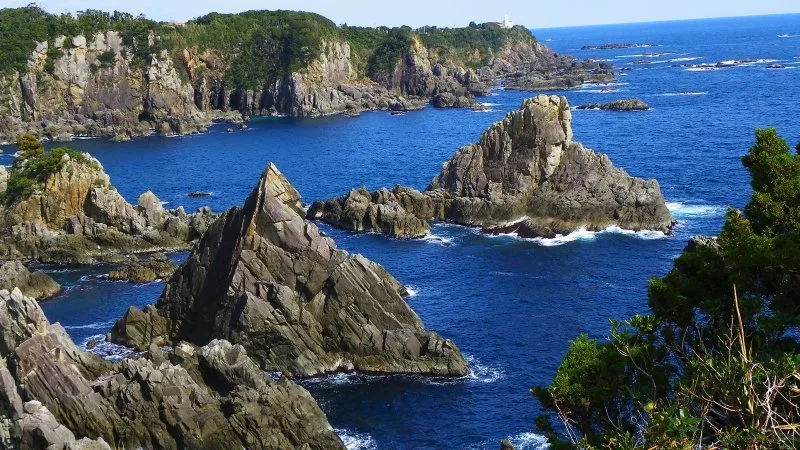
4. Kirishima-Kinkowan National Park
Kirishima-Kinkowan links the Kirishima mountains with Kagoshima Bay and the Sakurajima area in southern Kyushu. It is a park for volcanic geography, onsen towns and broad views rather than one fixed attraction. The variety is its strength: a visitor can focus on mountain paths, lake country or the coast, depending on the day and current safety notices.
Volcanic landscapes deserve flexibility. Check official alerts before choosing a trail, and do not treat an older route report as a guarantee that an area is open.
5. Keramashoto National Park
Keramashoto National Park lies among the Kerama Islands west of Okinawa's main island. The draw is immediate: clear water, beaches and marine scenery, with snorkeling and diving among the activities that bring visitors here. It is a better choice for travelers willing to build their schedule around a ferry than for those trying to squeeze every stop into one Okinawa day.
Stay aware of sea conditions and local rules when using beaches or entering the water. The quietest part of the experience is often giving the islands enough time rather than hopping between them too fast.
Full list of Japan's 35 national parks
The list below follows the current national-park directory. Regional groupings help with trip planning, but several parks cross prefectural boundaries and should be researched as individual destinations.
Hokkaido
- Rishiri-Rebun-Sarobetsu
- Shiretoko
- Akan-Mashu
- Kushiroshitsugen
- Daisetsuzan
- Hidakasanmyaku-Erimo-Tokachi
- Shikotsu-Toya
Tohoku
- Towada-Hachimantai
- Sanriku Fukko
- Bandai-Asahi
Kanto and central Japan
- Nikko
- Oze
- Chichibu-Tama-Kai
- Ogasawara
- Fuji-Hakone-Izu
- Joshin'etsukogen
- Myoko-Togakushi renzan
- Chubusangaku
- Hakusan
- Minami Alps
Kansai and western Honshu
- Ise-Shima
- Yoshino-Kumano
- San'inkaigan
- Setonaikai
- Daisen-Oki
Shikoku and Kyushu
- Ashizuri-Uwakai
- Saikai
- Unzen-Amakusa
- Aso-Kuju
- Kirishima-Kinkowan
- Yakushima
Amami and Okinawa
- Amamigunto
- Yambaru
- Keramashoto
- Iriomote-Ishigaki
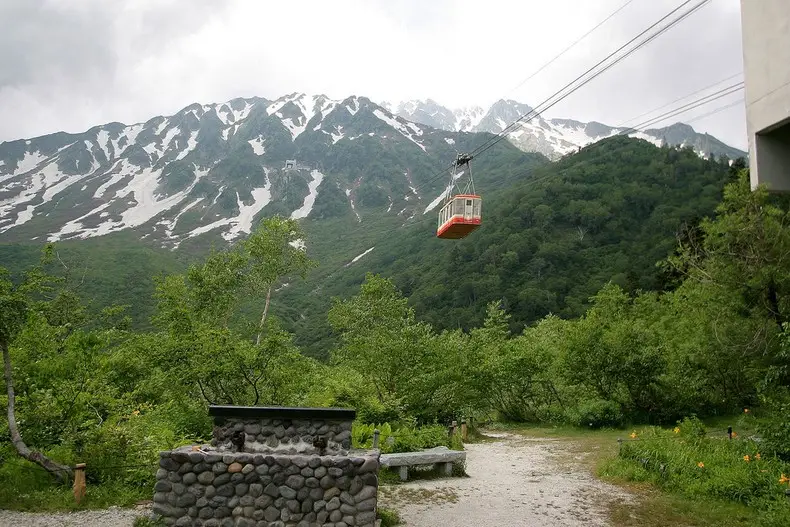
How to choose a park for your trip
Start with geography, then season. Fuji-Hakone-Izu works for a Tokyo-centered route; Yoshino-Kumano fits Kansai and the Kii Peninsula; Shiretoko asks for a Hokkaido plan; Keramashoto belongs in an Okinawa itinerary. Once you have the region, decide whether you want a hike, a scenic road, a ferry trip, an onsen base or time on the water.
Finally, leave room for the conditions that make these places worth protecting. Check visitor-center notices, keep to marked routes and give wildlife space. A national park visit becomes better when the plan respects the landscape instead of trying to conquer it in a single afternoon.




Community
Comments
0 comments
There are no published comments in this language yet.
Send comment