
Japan does not just look safe on a ranking. It feels safe in small, almost boring ways: a vending machine left alone on a side street, a child riding the last train, a wallet that comes back with the cash still inside. Earthquakes and typhoons are another story — the country spends real money preparing for those — but street violence is not the daily background noise many visitors expect.
Of course nothing is 100%. Japan has crimes, bullying, sexual violence, and the rest of what humans do. The question worth asking is what makes the baseline feel so different from the United States, Brazil, or most of the West — and what that difference does not cover.
Contents 7
Before you look for the “but”
Read the theme of the article. This page is about what makes Japan safe. I will talk about those things and keep in mind that not everything is 100% and there is something called relativity.
People tend to read things looking for disagreements or ways to criticize the subject. It is obvious that, like in any country, Japan has crimes and many bad things that humans are capable of doing.
But, in my experience, nothing in Japan compares to the crime and violence rates of Brazil or even Western countries like the United States. I myself had the chance to read various comments from Americans in Japan.
I'm not just talking about Brazil. Tourists from first-world countries were impressed to see vending machines on the street. Some even asked the Japanese how this was possible, and the Japanese didn't even understand the question.
When a Japanese person was asked how it is possible that young people do not vandalize, steal, or smash those machines, the answer was simple: “Because they know they shouldn't.” (even though some minors still buy beers at a konbini).
All over the world, children are taught what they should or shouldn't do, but unfortunately, in most countries, they are drawn to do what is wrong. This is a cultural difference that stands out in Japan, and that is undeniable.
The yakuza are not why the street feels safe
This phrase sounds like irony, and it should. Japan has organized crime — the yakuza — and for decades they were more visible than most Western mafias. That is not the same as saying they keep the country safe.
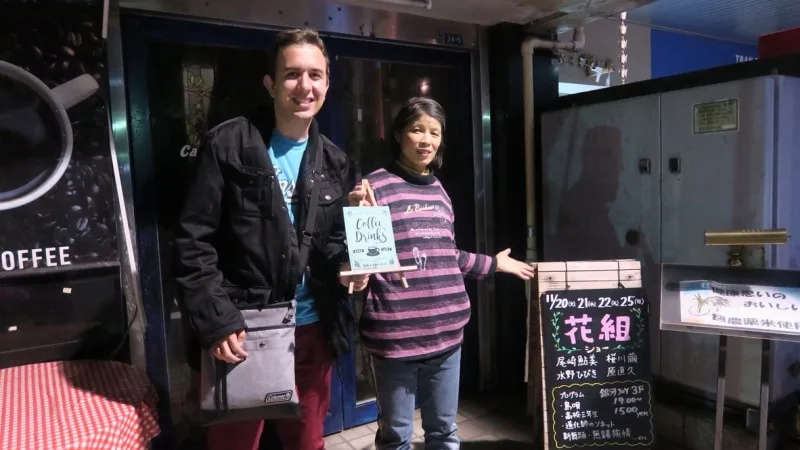
The police have long coexisted with those groups. Some crimes end up unsolved or unreported. In disasters, yakuza groups have sometimes shown up with supplies or manpower, and they appear at festivals. That charity image is real in places — and it is also public relations.
What visitors notice is something narrower: the yakuza generally do not mug a stranger on the sidewalk or break into an ordinary home for a television. They sell “services” that most of society does not want on the books. You will not have a problem with them unless you go looking for one.
That still does not make a syndicate a public safety system. Anti-organized-crime rules have shrunk their open presence. The quiet street at 1 a.m. comes from something else: neighbors, koban, shame, and a law that actually gets used.
The history of Japan contributes to safety
Japan has not always been a safe and peaceful country. Throughout its history it has been filled with civil wars and international wars with much violence of all kinds. Despite this, some things resulted in the Japan of today.
Japan is an archipelago with about 123 million inhabitants. Most of the land is mountains and forest, so a large part of the population is pushed into big cities or small villages scattered through the country.
Despite all this, there is no lack of space. Cities become ghost towns due to a lack of residents, and the Japanese apparently prefer to stay in big cities rather than the quiet countryside. This leads many in Tokyo and Osaka to live in small rooms.
Many of these rooms have thin walls, some even made of paper. It has always been this way, since the time of the samurai, without bars, walls, and fences. Generally, the Japanese served in castles, living together, thus learning to coexist.
The danger presented in feudal Japan created social norms of education, honesty, non-confrontation, and so on, which have become today's reality. Even with Westernization, the culture of shame has never left Japan.
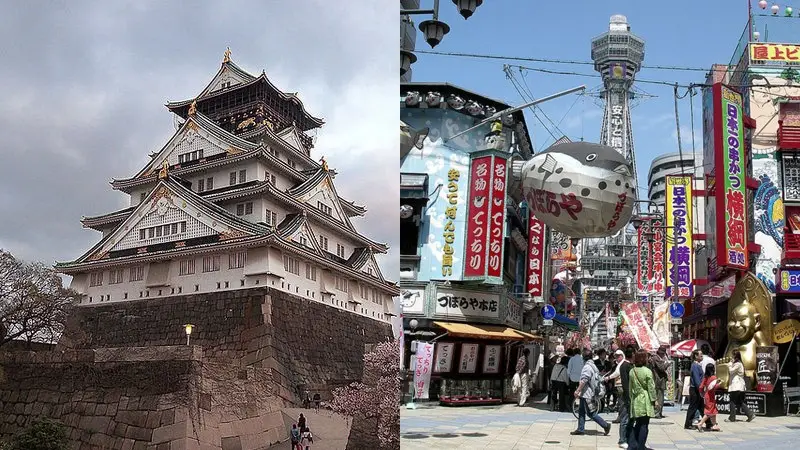
No tolerance for wrongdoings
Japan does not tolerate drunk driving, treats illegal drugs as a hard line, and does not allow ordinary people to carry firearms. As long as the law is enforced, the number of people doing the worst things stays much lower. Imagine a Brazil where every criminal caught is actually imprisoned for a long time...
Being an island helps with the control of drugs and firearms at the border. Japan has a heavy and strong law: littering can bring a real fine, and drunk driving can mean prison plus a fine that hurts. I will not invent a number in reais or dollars — the point is that people believe the punishment will land.
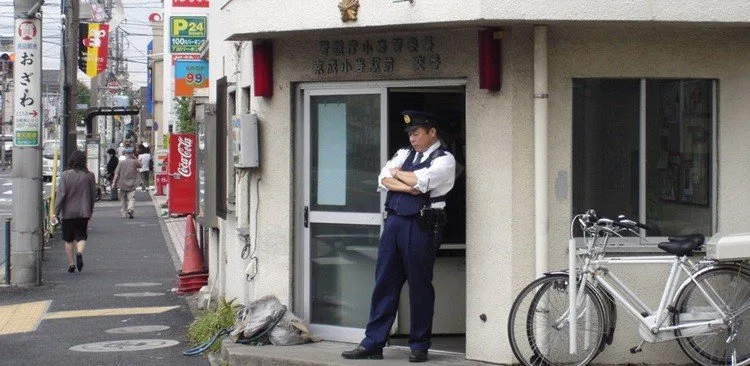
Even those who insist on making mistakes often stay in a lighter lane: discreet theft, fraud, or personal gain without a gun. They know that if they are caught, they will suffer from the strict Japanese penal system.
While some countries end up tolerating wrongdoings when done by celebrities or politicians, Japan has even blocked famous people from entering because of drug cases. When a Japanese actress or singer is caught in a scandal, they often go on TV to apologize nationally and still serve the sentence.
Politicians have resigned over comparatively small scandals. The law is enforced more often than people from outside expect. Immigration control is also strict, and that is part of how the state thinks about order — not a magic wall against every crime.
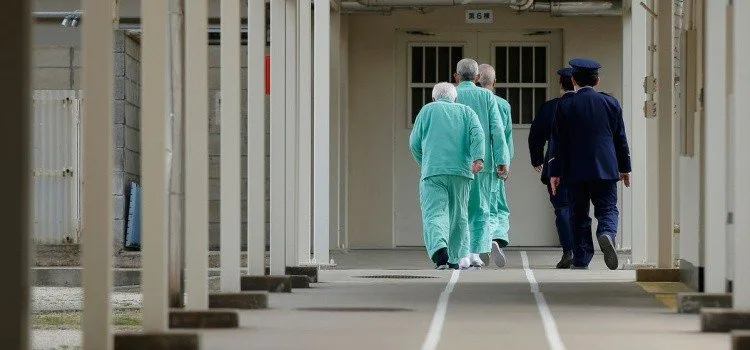
Society makes Japan safe
Japan values teamwork. Although society can feel quite individualistic in daily life, when it comes to working or developing things, that same individuality is treated as a risk. Everyone fulfills their role and does what is defined, without trying to change, tone down, or speed up. The gears of Japanese society tend to follow their flow correctly.
We can see this in the commitments fulfilled; they are rarely late, they obey the rules, and they do as ordered. The Japanese take pleasure in doing what is right, even in a society where it is easier to do wrong.
While finding money with no identification and handing it to the police would be abnormal in much of the West, the Japanese return it. All of this is the result of education and culture taught at home and during school life.
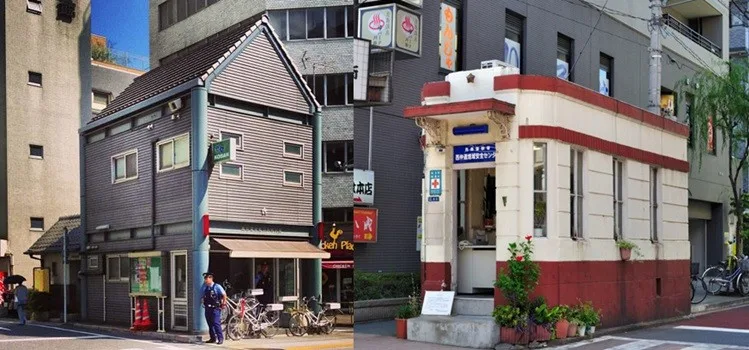
A person who steals or commits crimes is treated as foolish, not clever. Nearly everyone can read. The labor market is tight — unemployment sits around two and a half percent, not zero — and that still lowers the incentive for desperate street crime. It does not mean the cost of living is low. Tokyo and Osaka are expensive. Safety here is not a bargain-basement lifestyle.
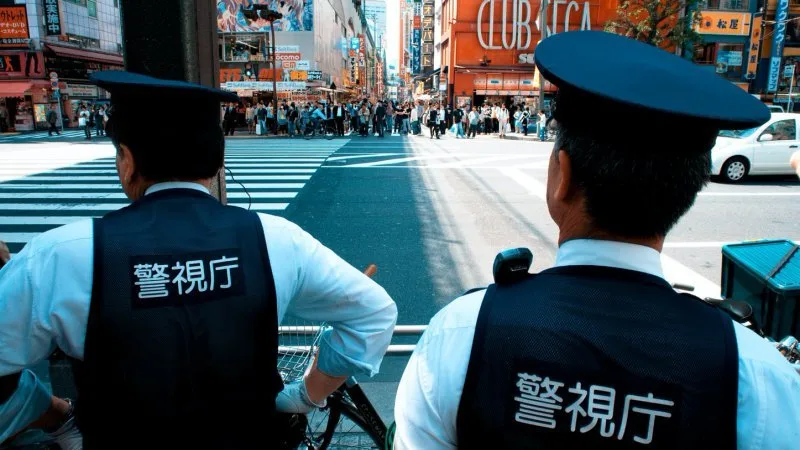
Everyday infrastructure is designed to make life predictable: train stations, convenience stores, vending machines, service and support. The police sit in small stations called koban — around 6,000 of them, plus rural chūzaisho. There are even lost and found services at train stations.
Taxes are also visibly spent on roads, disaster protection, and access for disabled people. Japan really does treat public safety as a budget item, not a slogan.
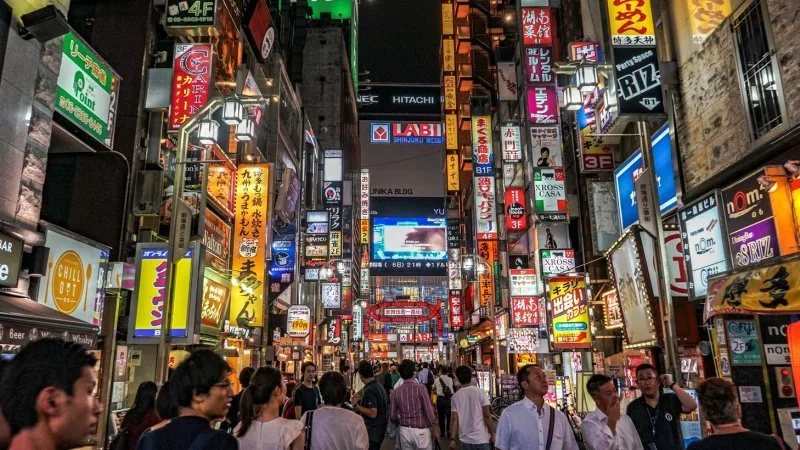
The current hole in that picture is not a wave of muggings. Reported penal-code cases have risen again, mostly theft and special fraud — phone scams, fake relatives, investment stories. In nightlife pockets such as Kabukichō and Roppongi, drink spiking and club touts still happen. On packed trains, chikan (groping) is the crime women actually plan around. The country is safe. It is not a cartoon.
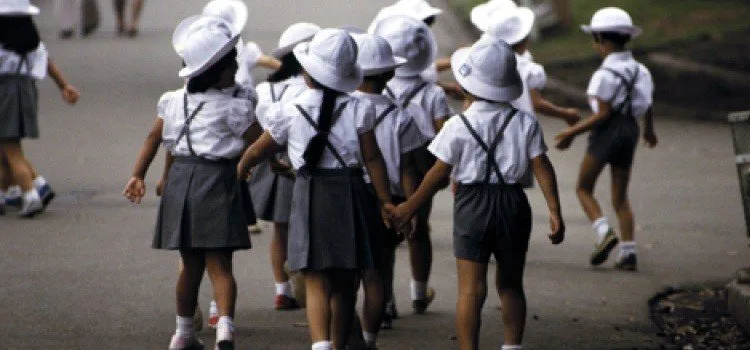
The relationship between influence and lifestyle with safety
Japanese culture has a formal and polite language; there are not many sexual connotation slang or swear words, and those that exist are rarely used in everyday conversations. Vocabulary like that, spread casually in Western culture, does not help people stay careful with other people's space.
From my own experience, I believe that the media and things that a person consumes and interacts with can influence people's attitudes and thoughts. There is a significant difference between Western and Eastern entertainment.
Western taste is often based on violence; just look at the games and movies that are successful in the West. Of course, watching violent things does not turn anyone into a criminal, but it creates a certain tolerance towards the subject.
Japan is also the author of various action works, but there is a significant cultural bridge that separates them. Crimes happen more easily when the conscience does not accuse before the mistake; allowing the mind to tolerate these things leads to these results.
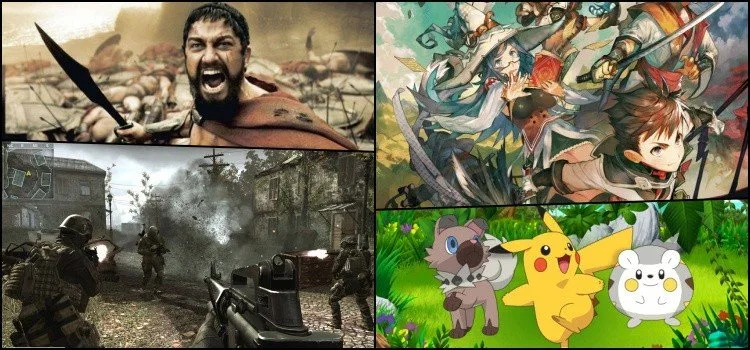
Where does so much aggression and impatience in people today come from? In Brazil people want to fight over the slightest thing. Meanwhile, the Japanese solve problems with patience and without aggression, resulting in fewer tragedies.
The cultural difference between the West and Japan regarding the influence of things is truly remarkable. Just walk the streets of Japan to notice. If you doubt what I'm saying, make a deep comparison between Japanese culture and Western culture.
Another thing I notice is that Japan is open to different opinions in a quiet way. No Japanese person usually interferes in others' lives, nor do they ask about others' lives. The Japanese follow the golden rule: They treat others as they would like to be treated.
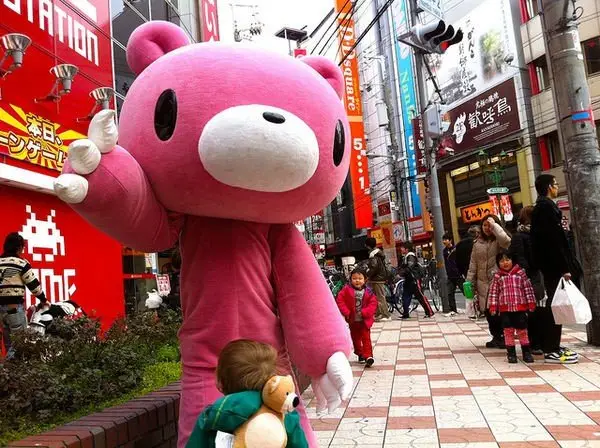
Checklist — things that make Japan safe
The article was filled with text, quite explanatory, and with a lot of personal opinion. Maybe you are expecting a summary of things that make Japan safe, so I decided to make the checklist below:
- Difficulty finding firearms;
- Culture of shame;
- Culture of humility;
- Culture of living in groups;
- Culture of effort;
- Few shameless street criminals;
- Heavy penalties for drunk driving;
- Few sexual-connotation slang words used in daily talk;
- Difference in the type of entertainment chosen;
- Hard line toward illegal drugs;
- About 6,000 koban spread through the cities;
- Taught from a young age what they should or shouldn't do;
- A tight labor market — not “zero unemployment”;
- A large, stable economy, even when daily life is expensive;
- Surveillance cameras that discourage some street crime;
- A penal system people actually believe in;
- Lost and found services at stations;
- Guarded parking lots in many places;
- Strict immigration control;
- A society that still returns a lost wallet.
What do you think? Did you remember any other points? Did you detect anything in Japan that contributes to the country's safety? Leave it in the comments and share this article with your friends.

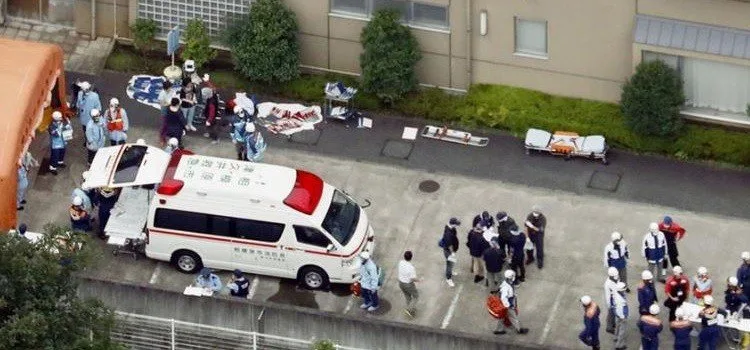
Community
Comments
0 comments
There are no published comments in this language yet.
Send comment