
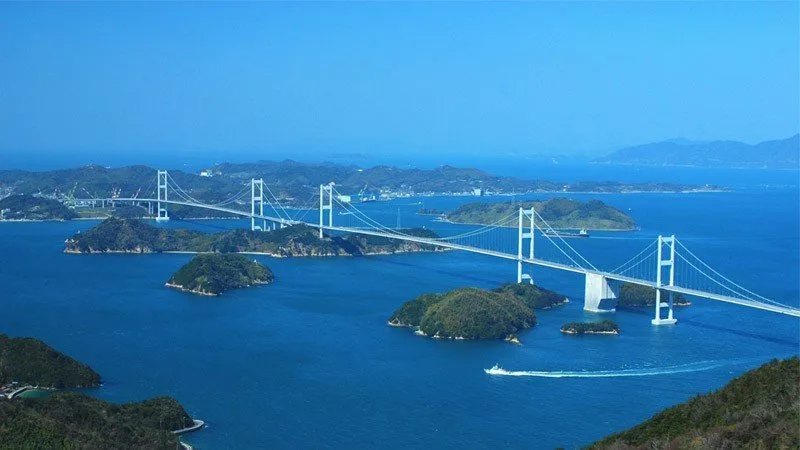
Islands shape habits. Over centuries, Japan solved a lot of everyday problems in its own way — and some of those solutions still look so polished from the outside that you half want to pack them home. Not as a poster slogan, but as lived quality: food, seasons, manners, little machines on the corner.
Here are eight things that keep coming up — what is genuinely strong about each, and the small “but” worth keeping in mind.
Contents 8
1 – Delicious and healthy food
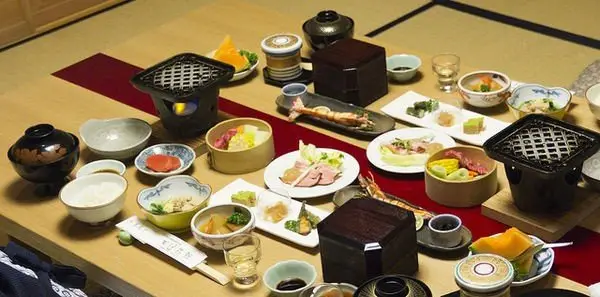
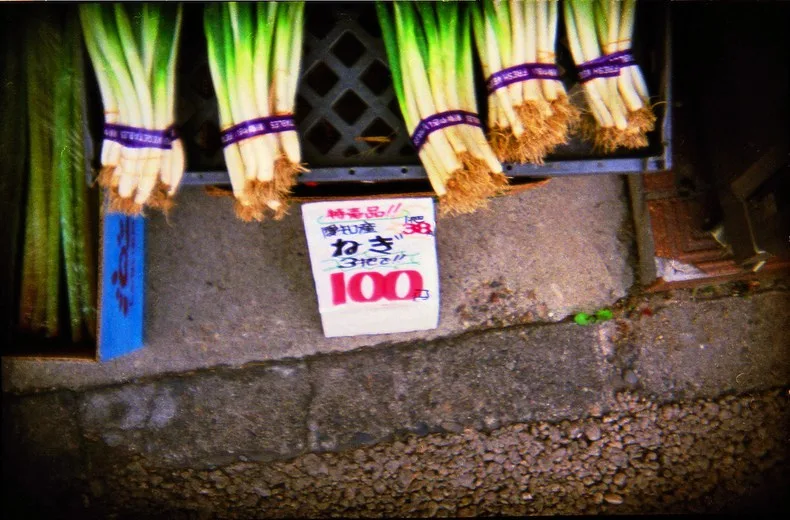
Japanese cuisine sits among the tastiest and most balanced food cultures in the world, and it sits close to long life expectancy. Alongside that, the snack and drink industry is endless: sweets, savory bites, drinks, chocolate, seasonal limited editions — choice is the default, not the exception.
Whether it is a careful kaiseki multi-course meal or a quick onigiri from the convenience store, daily eating mixes care and pragmatism. Portions, vegetables, fish, and the habit of eating what is fresh — not only what fills you up — still shape the plate.
2 – Nature and the four seasons
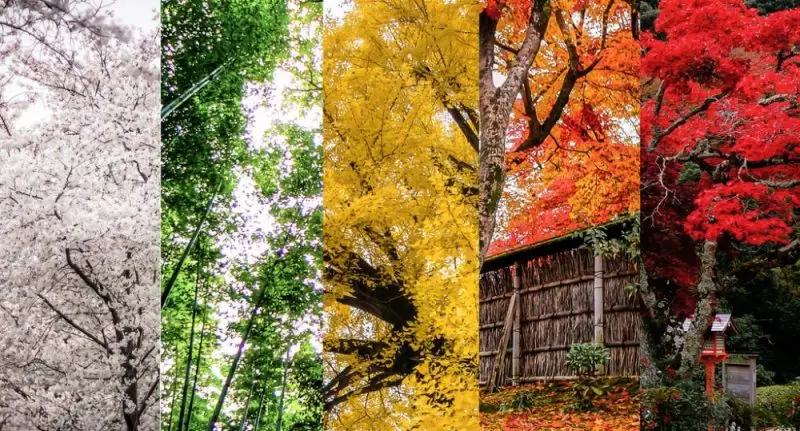
Japan is one of the countries where you can truly feel four seasons in daily life. In the city, in the countryside, and in the mountains, the landscape changes on a schedule you notice: cherry blossoms, deep green, maple red, snow. While some places sit under heat or cold for months, Japan often shows clear color shifts that make the calendar visible outdoors.
3 – Modesty, manners, respect
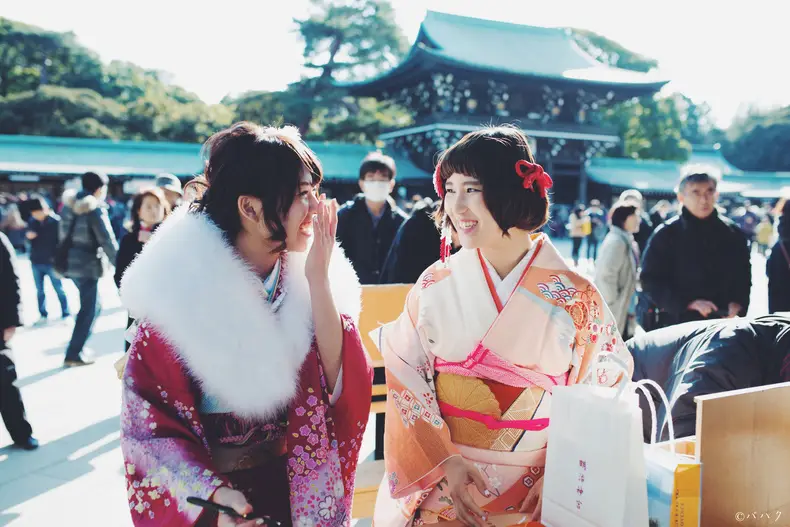
Many Japanese people come across as modest: not loud about personal achievements, more restrained in how they present themselves. From childhood, respect, consideration, and order are practiced — often with the idea of thinking of others before putting yourself first.
Of course there is also performance modesty, or pressure not to “stand out.” In some countries, loud self-praise is normal; in Japan it can work the other way: if you refuse to look modest, social expectation pushes back. The result is often pleasant in daily life — and sometimes heavy for people who prize open individuality.
4 – Vending machines (hanbaiki)
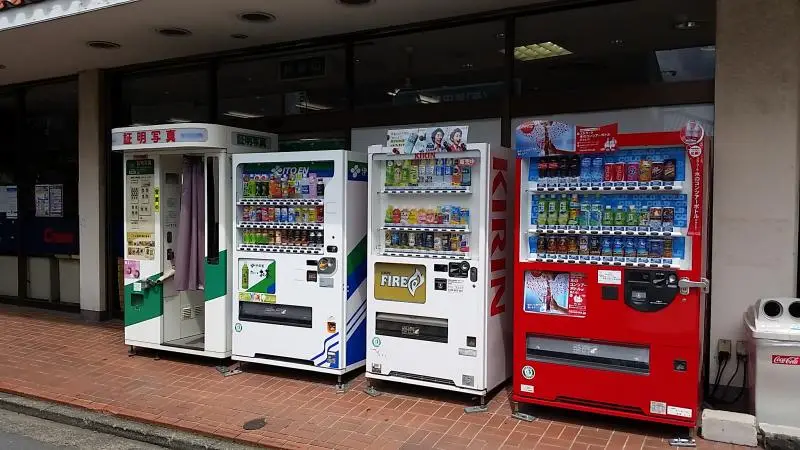
Vending machines are extreme in Japan. In residential streets, outside supermarkets, on station platforms, sometimes in surprisingly quiet spots — drinks, snacks, ice cream, and in some regions rice, eggs, or hot food. They feel like infrastructure, not a gimmick.
5 – Many translations, much reading
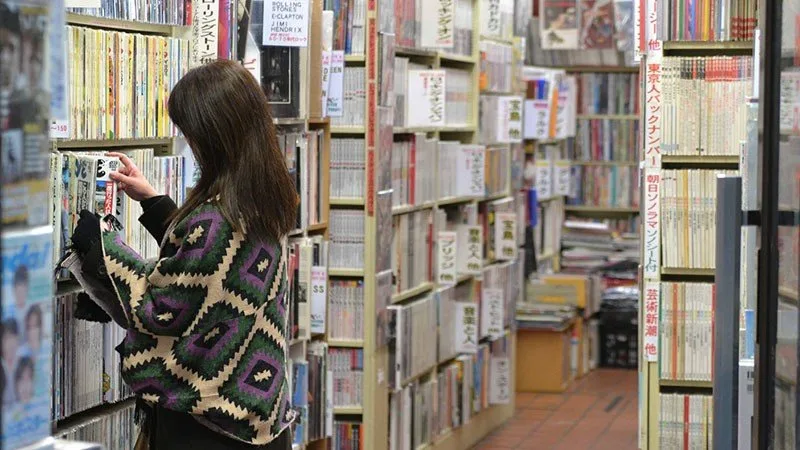
Reading carries real weight in Japan: original books, manga, magazines, long text in games. It is often said that Japanese hosts an unusually large number of translated foreign works. If you know the language, a huge reading world opens; if you are learning it, you notice how present text is in ordinary life.
6 – Mandatory health insurance
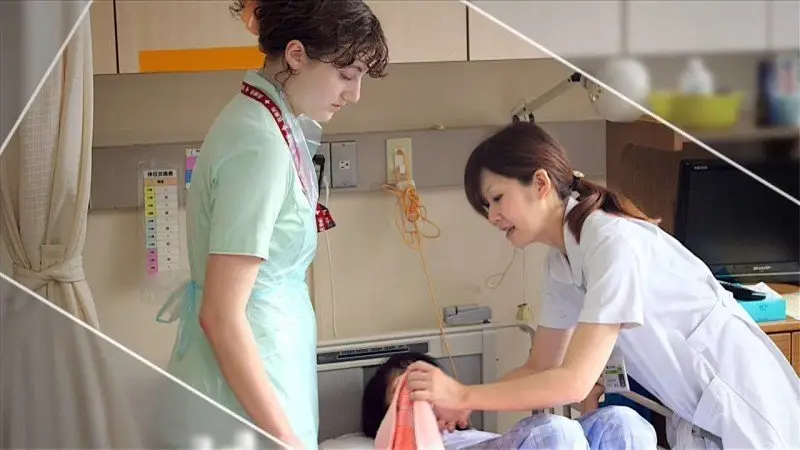
Japan runs a broad mandatory insurance system. Employees and many other groups are covered through public schemes; insurance typically pays most of the bill, while patients cover a share — often around 30 percent, lower for some ages and incomes. Caps on high monthly costs keep catastrophic bills in check.
Important correction: Japan absolutely has hospitals and clinics — public and private. The point is not “no public hospitals.” The point is near-universal coverage, regulated fees, and the freedom to visit many facilities without a rigid gatekeeper model. More detail is in our guide to the health system and hospitals in Japan.
7 – Low crime rate
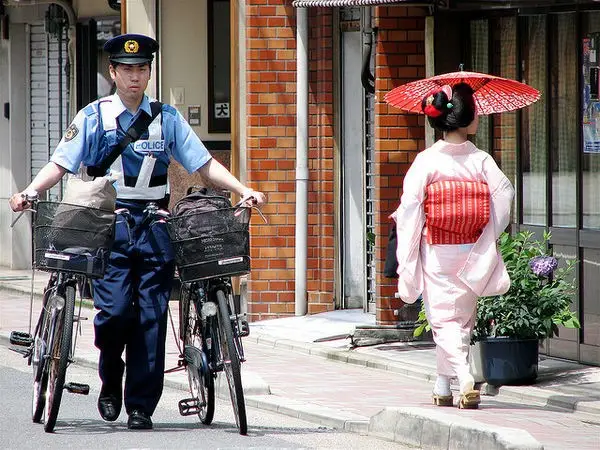
Everyday life in Japan often feels very safe: serious violent crime is rare by international standards, and guns in public life are almost invisible. Strict firearm rules and strong social norms both matter. Police are present — including the small neighborhood kōban — and the style of response tends to de-escalate more than escalate.
That still does not make Japan a magic safe zone. Pickpocketing and scams exist, especially in busy nightlife and tourist spots. The old story about leaving a bag for hours and finding it untouched is a picture of trust — not a travel tip you should actually follow.
8 – Everyday safety and disaster readiness
Beyond crime, “safety” in Japan often means something else: earthquakes, typhoons, traffic. The country feels regular tremors, yet builds with strict codes, warning systems, and drills. On the road, rules are firm — including a zero-tolerance approach to drinking and driving — and the culture of following them is visible.
After the hard lessons of the twentieth century and major natural disasters, a lot of energy goes into preparation and infrastructure. If you live or travel in Japan, you notice it in alerts, evacuation signs, and how normal emergency bags and drills feel. It is a different kind of safety from “few muggings” — and one you rarely see taken this seriously.
If you want more of that low-friction daily life — from convenience stores to trains — see how Japan can make your life easier. These eight points are not a ranking of the “best nation.” They are an honest list of what many people envy about Japanese everyday life: taste, seasonal rhythm, respect, machine convenience, a reading world, coverage when you get sick, and the feeling that rules and readiness are not only on paper.


Community
Comments
0 comments
There are no published comments in this language yet.
Send comment