Many people want to visit Japan and still hesitate: what if I do not speak Japanese? That worry makes sense—signs full of kanji can look like a closed code at first glance. On a typical tourist route, though, the barrier is smaller than the fear suggests.
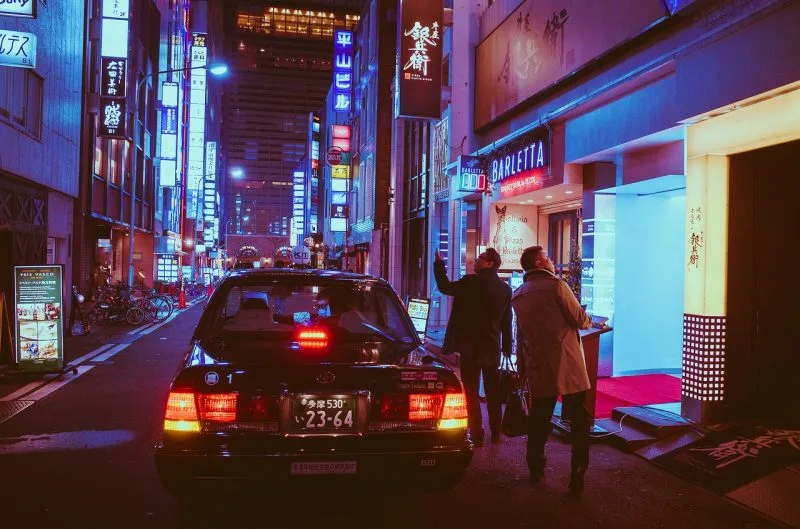
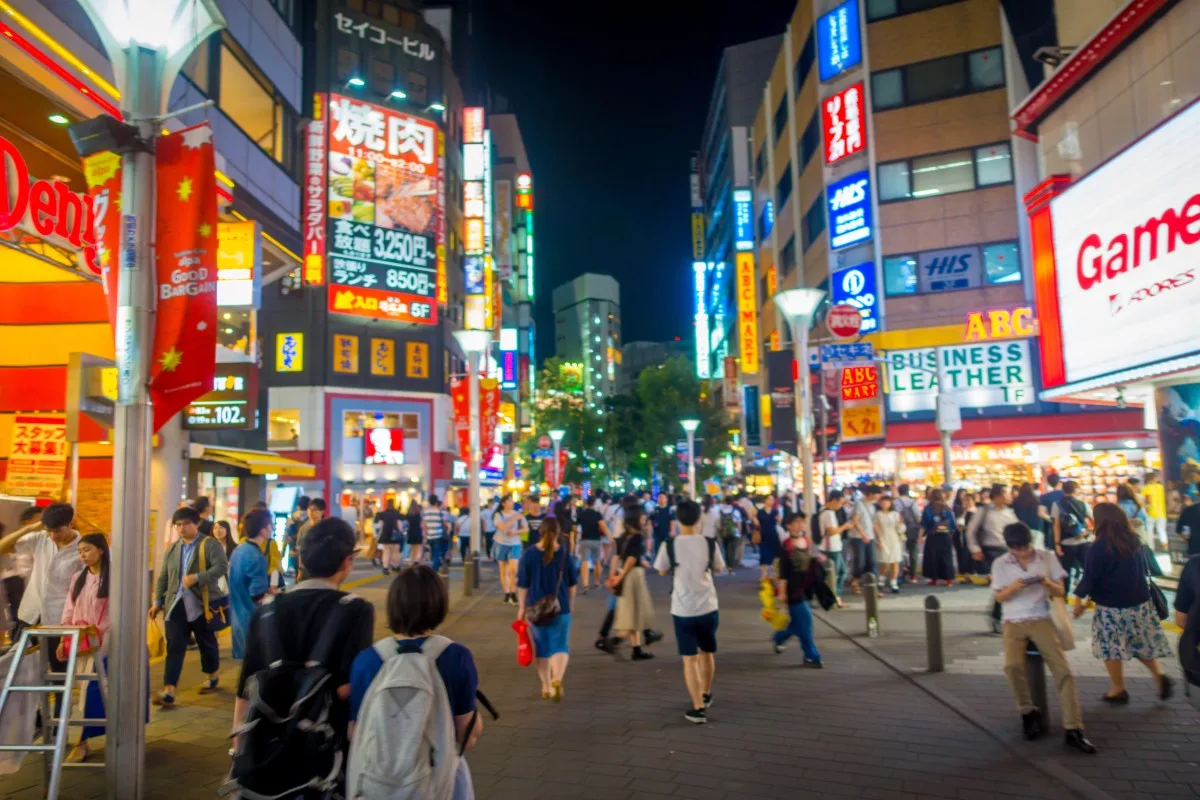
Japan has become far more readable for overseas visitors in recent years. Airports, major stations, big hotels, and tourist neighborhoods often show romaji (Latin letters), English labels, or both. Add maps on your phone, camera translation, and people willing to point the way, and fluent Japanese stops being a requirement for sightseeing. A few polite words and realistic expectations still help a lot.
Contents6
Why you do not need fluent Japanese for a trip
In big cities and well-known spots, a lot of daily movement works without long conversations. Ticket machines often switch to English, line colors and station names in romaji keep you oriented, and tourist restaurants frequently use photo menus or plastic food models in the window.
That does not mean “the whole country was built only for tourists.” It means the usual path—arrival, hotel, trains, attractions, convenience stores—is manageable with gestures, apps, and a little patience. Many locals recognize common visitor questions and answer with pointing, nodding, or short English words even when they do not hold a full conversation.
Living in Japan long-term is a different story. For a vacation, the calming rule still holds: you do not have to master the language to enjoy the country.
A few words that actually help
You do not need fluency—but a handful of polite phrases change the tone. Locals notice the effort, and you rely less on the phone alone. At minimum, know how to say:
English is not a required ticket either. Many Japanese people studied English in school yet rarely use it casually day to day. A visitor with a few Japanese basics sometimes communicates more clearly than someone who delivers long English sentences and expects a fluent reply.
In public places you often see single words and romaji rather than full English sentences—enough to find stations, exits, and restrooms. Large chain hotels and airports are more likely to have staff comfortable in English; small shops and residential areas less so.
ATMs in konbini (convenience stores) and many banks often offer an English interface. That is not true of every machine or every card, but the mix of konbini ATMs, transit IC cards, and international credit cards covers daily cash needs for a lot of travelers.
Big cities and tourist routes vs the countryside
In Tokyo, Osaka, Kyoto, and other heavily visited places, support for foreign guests is densest: more English on signs, more picture menus, more experience with travelers. Once you leave the usual path—small stations, village restaurants, traditional inns in rural areas—gestures, written notes, and translation apps matter more.
That is not a reason to skip the countryside. It is a cue to save addresses offline, check connections in advance, and write down what you need when something is unclear (destination station, hotel name, allergies). With a smartphone and a plan B, you can still get there—just a little slower, and with more smiling.
Ordering food and daily life without long chats
In restaurants, plastic models outside, photos on the menu, or touch-screen machines with pictures do a lot of the talking. Pointing works surprisingly well. When there is no picture and no English, either try something simple or choose a place that is clearly set up for visitors.
In supermarkets and konbini, prices and icons are usually self-explanatory; a camera translator helps with ingredients and package labels. For getting around, a maps app plus station names in romaji is often enough.
Apps, maps, and a plan when the battery dies
Technology makes a Japan trip without Japanese far easier than a decade ago: offline maps, transit apps, and camera translation act as a practical “guide” for many visitors. Keep key addresses and tickets available offline or as screenshots—dead batteries and weak signal always show up at the wrong moment.
Still, the app does not replace basic politeness. Sumimasen, a smile, and a written destination often work better than a loud machine translation read aloud.
So yes—you can travel in Japan without speaking Japanese, and even without fluent English. The trip stays possible and often more relaxed than expected, especially if you know a few words, start in the cities, and treat technology as support rather than the only crutch. If you want, leave a comment about the situation that worries you most: the station, the restaurant, or hotel check-in.
Kevin Henrique has written about the Japanese language, culture, anime, games, and travel since founding Suki Desu in 2014. He first visited Japan in 2016.
Community
Comments
0 comments
There are no published comments in this language yet.






Community
Comments
0 comments
There are no published comments in this language yet.
Send comment