
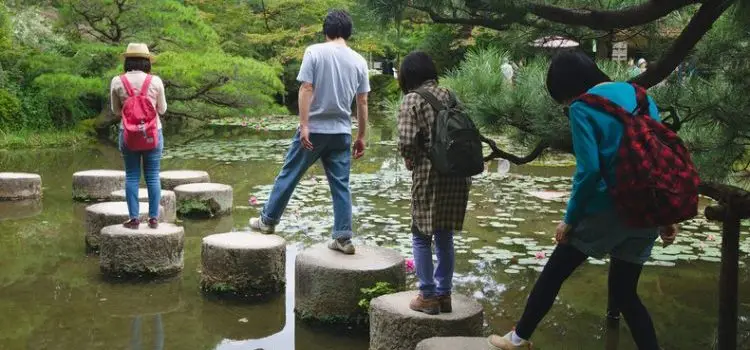
You do not need a full textbook in your head to get around Japan. What helps is a short, polite toolkit: sumimasen when you need attention, a place name plus wa doko desu ka when you are lost, or pointing at a menu and saying kore o kudasai.
This guide is not a language course and not a promise that English will never be useful. It gathers words and short phrases for moments travelers actually hit: trains, meals, hotels, shopping, and asking for help. Japanese script sits next to the reading so you can match a sign or show a phone screen if your pronunciation freezes.
Contents 6
Polite basics that work almost everywhere
Greetings and courtesy will not start a long conversation by themselves, but they set a friendly tone. すみません (sumimasen) is especially useful: it can mean “excuse me,” “sorry,” or “can I get your attention?” in a shop or restaurant.
- こんにちは (konnichiwa) – Hello / Good afternoon
- おはようございます (ohayō gozaimasu) – Good morning
- こんばんは (konbanwa) – Good evening
- ありがとうございます (arigatō gozaimasu) – Thank you very much
- すみません (sumimasen) – Excuse me / Sorry (polite)
- ごめんなさい (gomennasai) – I’m sorry (stronger apology)
- お願いします (onegaishimasu) – Please (when making a request)
- ください (kudasai) – Please (with an item: “X, please”)
- はい (hai) – Yes
- いいえ (iie) – No
- わかりません (wakarimasen) – I don’t understand / I don’t know (polite)
- もう一度お願いします (mō ichido onegaishimasu) – One more time, please
Two sentence frames cover a surprising number of tourist situations:
- 〜はどこですか? (… wa doko desu ka?) – Where is …?
- 〜をください (… o kudasai) – … please / I’d like …
Getting around: places and transport words
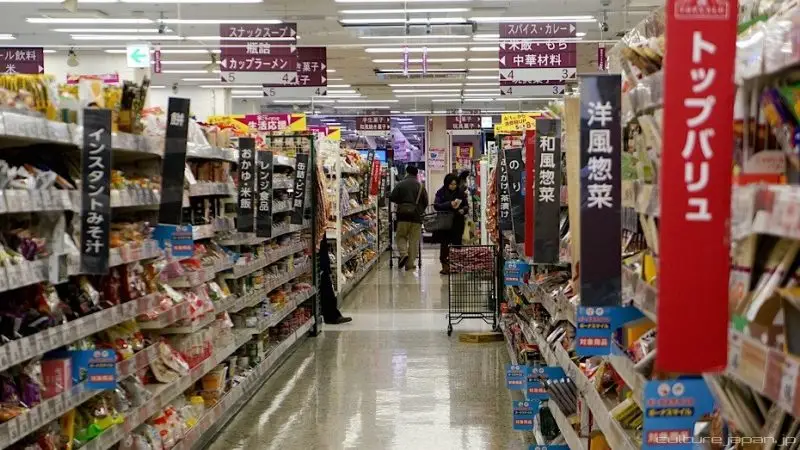
Stations, exits, and transfers can look dense at first. Pointing at a map, a photo, or a destination on your phone and asking … wa doko desu ka? is often enough for someone to point the way—or walk you a few steps.
- どこ (doko) – Where
- 駅 (eki) – Station
- 電車 (densha) – Train
- バス (basu) – Bus
- タクシー (takushī) – Taxi
- 切符 (kippu) – Ticket
- 空港 (kūkō) – Airport
- ホテル (hoteru) – Hotel
- 入り口 (iriguchi) – Entrance
- 出口 (deguchi) – Exit
- 地図 (chizu) – Map
- トイレ (toire) – Restroom
- 手洗い (tearai) – Restroom / washroom (also used on signs)
- コンビニ (konbini) – Convenience store
- スーパー (sūpā) – Supermarket
- レストラン (resutoran) – Restaurant
- 公園 (kōen) – Park
- 温泉 (onsen) – Hot spring bath
- 警察 (keisatsu) – Police
- 大学 (daigaku) – University
Useful full questions:
- 駅はどこですか? (eki wa doko desu ka?) – Where is the station?
- トイレはどこですか? (toire wa doko desu ka?) – Where is the restroom?
- 英語を話せますか? (eigo o hanasemasu ka?) – Do you speak English?
- 〜に行きたいです (… ni ikitai desu) – I want to go to …
Food: order, thank, and ask for the check
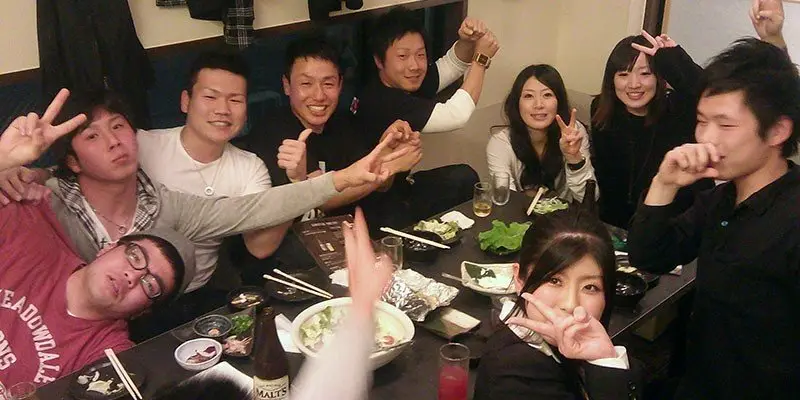
You do not need every dish name. Pointing at a photo menu and saying kore o kudasai is a clear order. If you have an allergy, keep a written note as well—do not rely on one memorized word alone.
- メニュー (menyū) – Menu
- これをください (kore o kudasai) – This one, please
- お水をください (omizu o kudasai) – Water, please
- 水 (mizu) – Water
- 飲み物 (nomimono) – Drink
- 食べ物 (tabemono) – Food
- おいしい (oishii) – Delicious
- おすすめは何ですか? (osusume wa nan desu ka?) – What do you recommend?
- お会計をお願いします (okaikei o onegaishimasu) – Check, please
- いただきます (itadakimasu) – Said before eating (thanks for the meal)
- ごちそうさまでした (gochisōsama deshita) – Said after eating
- おなかがすきました (onaka ga sukimashita) – I’m hungry
Shopping, hotel, and everyday questions
At a counter, short keywords often do the job. You may hear irasshaimase when you walk into a store—that is staff greeting you; a smile or a soft konnichiwa is enough. You do not need a full reply.
- いくらですか? (ikura desu ka?) – How much is it?
- いくら (ikura) – How much (price)
- これにします (kore ni shimasu) – I’ll take this
- カードで払えますか? (kādo de haraemasu ka?) – Can I pay by card?
- 予約 (yoyaku) – Reservation
- 予約しています (yoyaku shiteimasu) – I have a reservation
- 部屋 (heya) – Room
- 鍵 (kagi) – Key
- 服 (fuku) – Clothes
- 時間 (jikan) – Time
- いつ (itsu) – When
- なに / 何 (nani / nan) – What
- だれ (dare) – Who
- ここ (koko) – Here
Question particles and helpers you will hear constantly:
- ですか (desu ka) – Turns a statement into a polite question
- どうして (dōshite) – Why?
- どうした (dōshita) – What happened?
If you need help
In an awkward or serious moment, clarity beats perfect grammar. Point to a place, a phone translation, or a person who can help. These words are not a full emergency plan, but they name the need.
- 助けてください (tasukete kudasai) – Please help me
- 助けて (tasukete) – Help!
- 病院 (byōin) – Hospital
- 薬 (kusuri) – Medicine
- 具合が悪いです (guai ga warui desu) – I don’t feel well
- 危ない (abunai) – Dangerous / Watch out
- 危険 (kiken) – Danger
- やめてください (yamete kudasai) – Please stop
- だめ (dame) – No / Don’t / Not allowed
From travel words to real Japanese
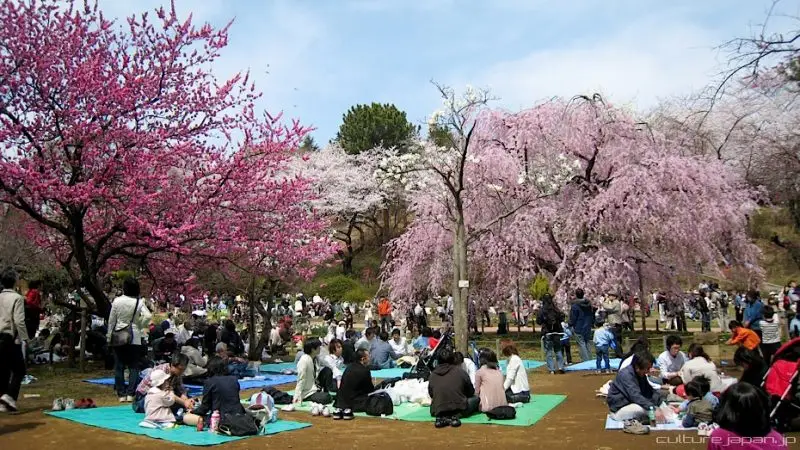
Before the trip, do not try to memorize a hundred items at once. Pick the set that matches your plan: station and ticket words for train days, order-and-check phrases for meals, reservation and room for hotel arrival. A short list you can actually say beats a long list you never open.
If you want to go further, build on basic Japanese verbs, Japanese adjectives, and numbers in Japanese. For how sentences fit together, see SOV sentence structure. For reading signs and menus, the hiragana and katakana guide is a practical next step.


Community
Comments
0 comments
There are no published comments in this language yet.
Send comment