
Fans drop the word seiyuu the way music fans drop a band name: not as a dry job title, but as a whole scene. In Japan, the people who voice anime, games, and foreign dubs can fill events, sell CDs, and pull viewers into a series just to hear one familiar voice.
Seiyuu work is rarely “only the booth.” Many careers sit between studio craft and idol culture—live shows, radio, character songs, and fan meetings—so the profession feels larger than Western voice acting, and for a lot of kids it is a real childhood dream.
Contents 7
History and meaning of seiyuu
The word seiyuu [声優] is unisex. It comes from “koe no haiyuu” [声の俳優], “voice actor,” shortened into a compact everyday term.
That label helped separate stage and film actors from people who specialized in voice-only work—anime, narration, and dubs. The word became widely recognized in the 1970s as anime fandom grew, though older performers sometimes resisted it when the term still felt smaller than “actor.”
In the same era, the first high-profile musical unit built only of seiyuu, Slapstick—Akira Kamiya, Tooru Furuya, and Toshio Furukawa—showed that voice careers could spill into singing and live performance. Those paths still shape how fans meet seiyuu today.
Anime magazines also began promoting seiyuu as public figures, not only as credits. Over time, specialized magazines and training paths multiplied; Japan still has on the order of a hundred-plus schools focused on voice work, alongside agency routes and broadcasting troupes.
Outside Japan, many fans first noticed seiyuu as stars when anime spread through local TV, home video, and later streaming. By the mid-2000s it was already common to treat openings, events, and discographies as part of the same career, not a side hobby.
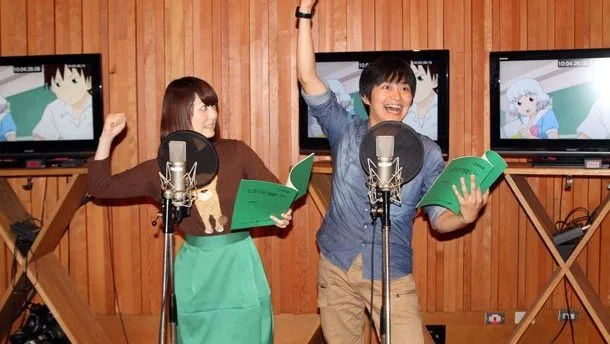
What does a seiyuu actually do?
A seiyuu does not only dub anime. Work can include foreign films and series, video games, radio and CD dramas, narration, puppetry, theater, commercials, and music tied to a show. Some appear in ads and on event stages as themselves.
Gender casting is flexible. Many famous male characters are voiced by women—Alphonse Elric and Naruto Uzumaki are classic examples—while the reverse is less common but still happens depending on the role.
Character songs, openings, and endings are a huge part of the job for many seiyuu. Strong singers often release singles and albums, and the public treats them much like idols in Japan: fan clubs, live tours, and a schedule that never stops at the recording booth.
Japan’s animation industry is enormous by global standards, so demand for versatile voices stays high. That can mean cute lines one day and rough, strange, or adult material the next—still professional work, even when fans only know the sweet roles.
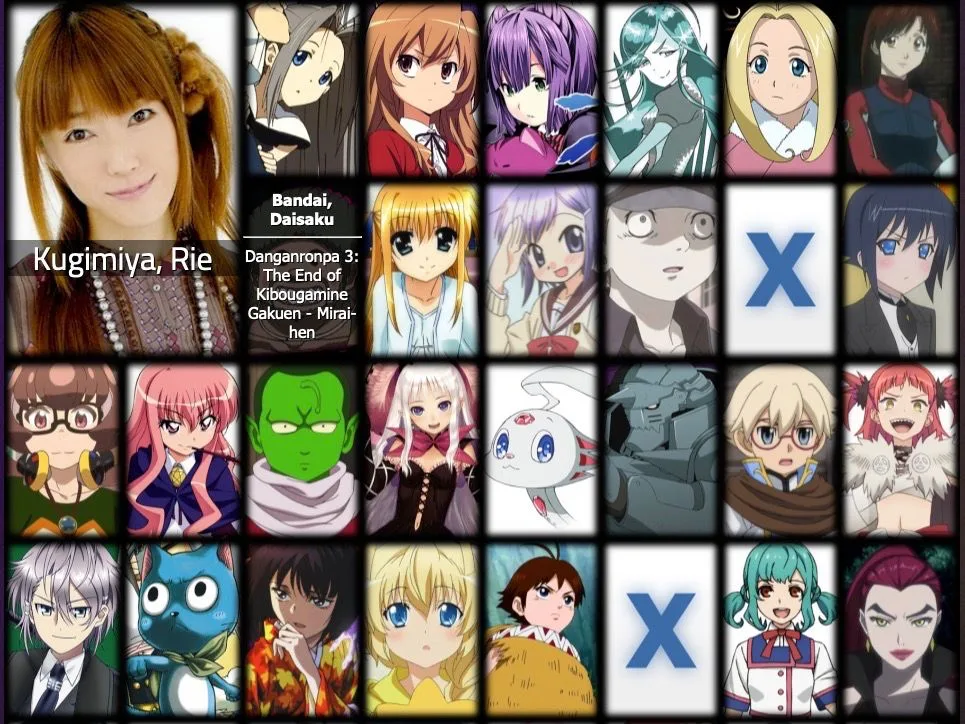
How do people become seiyuu?
Breaking in is as hard as becoming a singer or actor. There is no honest shortcut, and working at the top of the Japanese industry usually means fluent Japanese and a life built around Japan’s studios, agencies, and schedules. What follows is the usual path—not a step-by-step guarantee.
Voice skill alone is not enough. Dedication, networking, and resilience matter in a crowded market. Most aspirants enter through a voice acting school or training course linked to an agency, after years of anime, theater, or singing practice.
Others are scouted from talent agencies, stage acting, idol or actress careers, or even school performances—sometimes while still minors. Magazines and awards help later visibility, but the first credits usually come from training, auditions, and small roles that stack over time.
Some famous seiyuu
A few names almost every anime fan runs into sooner or later:
Megumi Hayashibara — major Animage award winner and singer; roles include Ai Haibara in Detective Conan and Haruka in Love Hina.
Yui Horie — known for openings and endings as well as huge role lists: Kaga Kouko (Golden Time), Minori Kushieda (Toradora!), Siesta (The Familiar of Zero).
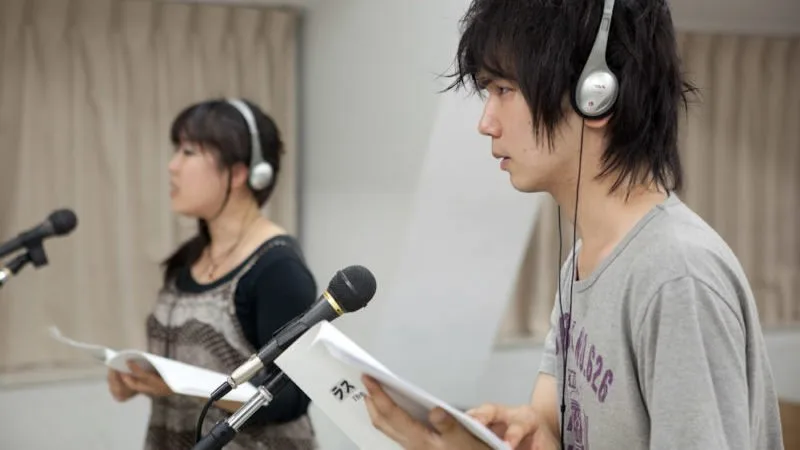
Rie Kugimiya — Taiga (Toradora!), Louise (The Familiar of Zero), Alphonse Elric and Xiao Mei (Fullmetal Alchemist).
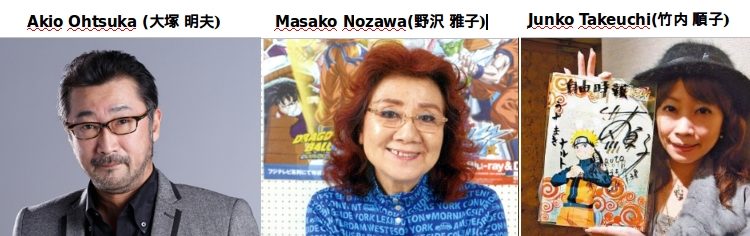
Akio Ohtsuka — Solid Snake (Metal Gear Solid), Shunsui Kyoraku (Bleach), Blackbeard (One Piece), Chiriku (Naruto), and more.
Masako Nozawa — Goku and other Dragon Ball roles, plus work such as Doctor Kureha (One Piece) and Nomo (Cross Game).
Junko Takeuchi — Naruto Uzumaki, Gon Freecss (Hunter × Hunter), Maka Albarn (Soul Eater), and more.
Seiyuu names fans often highlight
Rankings shift by year, magazine, and fandom, and they mix voice, roles, and public image—not a scientific “beauty contest.” The word seiyuu is unisex, but fan lists still tend to spotlight women. Below is a personal, unnumbered set of names that keep showing up in Japanese and international conversations; taste always wins over any chart.

Kana Hanazawa — 1989, Tokyo.
- Kuroneko in Oreimo;
- Kanade in Angel Beats;
- Onodera in Nisekoi;
Saori Hayami — 1991, Tokyo.
- Azuki in Bakuman;
- Nishimiya in A Silent Voice;
- Miyuki in The Irregular at Magic High School;
Rie Kugimiya — 1979, Kumamoto.
- Louise in The Familiar of Zero;
- Taiga in Toradora!;
- Alphonse in Fullmetal Alchemist;
- Kagura in Gintama;

Suzuko Mimori — 1986, Tokyo.
- Himiko in Btooom!;
- Sora in Digimon;
- Neko Fujinomiya in Masamune-kun’s Revenge;
- Umi Sonoda in Love Live!;
Ai Kayano — 1987, Tokyo.
- Menma in Anohana;
- Inori in Guilty Crown;
- Saori in Girls und Panzer;
- Mashiro in The Pet Girl of Sakurasou;
Miyuki Sawashiro — 1985, Tokyo.
- Suruga in the Monogatari series;
- Celty in Durarara!!;
- Kurapika in Hunter × Hunter;

Haruka Tomatsu — 1990, Aichi area / Nagoya roots.
- Asuna in Sword Art Online;
- Anaru in Anohana;
- Megumi in Accel World;
- Lala in To Love Ru;
Yui Horie — 1976, Tokyo (Katsushika).
- Minori in Toradora!;
- Kouko in Golden Time;
- Siesta in The Familiar of Zero;
- Naru in Love Hina;
Nana Mizuki — 1980, Niihama, Ehime.
- Hinata in Naruto;
- Nanami and others in Dog Days;
- Saya in Blood-C;

Rie Takahashi — 1994, Saitama.
- Megumin in KonoSuba;
- Emilia in Re:Zero;
- Rin in Keijo!!!!!!!!;
- Futaba in Seiyu’s Life!;
Aya Hirano — 1987, Aichi.
- Misa in Death Note;
- Lucy in Fairy Tail;
- Ume in Kimi ni Todoke;
- Migi in Parasyte;
- Haruhi Suzumiya;
Yoko Hikasa — 1985, Kanagawa.
- Kyoko in Danganronpa;
- Mio in K-On!;
- Stephanie in No Game No Life;
- Shino in Seitokai Yakuindomo;

Maaya Sakamoto — 1980, Tokyo (Itabashi).
- Aura in .hack;
- Motoko in Ghost in the Shell;
- Shiki in the Garden of Sinners;
- Ciel in Black Butler;
Ayana Taketatsu — 1989, Saitama.
- Kirino in Oreimo;
- Kotori in Date A Live;
- Suguha in Sword Art Online;
- Azusa in K-On!;
Aki Toyosaki — 1986, Tokushima.
- Chiyuri in Accel World;
- Iori in Kokoro Connect;
- Yui in K-On!;
- Momo in To Love Ru;
Honorable mentions
Plenty of seiyuu dominate fan talk even with shorter or more selective credits. A few more names worth knowing:
- Yui Ogura — Tsukiko in The Hentai Prince and the Stony Cat;
- Inori Minase — Rem in Re:Zero;
- Marina Inoue — Tohka in Date A Live and Armin in Attack on Titan;
- Sora Amamiya — Aqua in KonoSuba, Elizabeth in The Seven Deadly Sins, Asseylum in Aldnoah.Zero;
- Minori Chihara — Yuki Nagato in The Melancholy of Haruhi Suzumiya;
- Azumi Asakura — Kumin in Love, Chunibyo & Other Delusions and Yukiho in The Idolmaster;
- Romi Park — Edward in Fullmetal Alchemist, Temari in Naruto, Toshiro in Bleach;
- Aoi Yuki — Madoka in Puella Magi Madoka Magica and roles such as Kayo in Erased;
Who is your favorite seiyuu? Drop a name we missed—there is always another voice that owns a whole childhood.
Anime about seiyuu and the industry
If you want fiction that peeks at booth life, auditions, and agency pressure, these titles are a solid starting list. Scores below are community averages that shift over time; use them as a mood check, not a final verdict.
| Bakuman. | 2010 | 4.34 |
| Shirobako | 2014 | 4.31 |
| REC | 2006 | 3.9 |
| Koe de Oshigoto! The Animation | 2010 | 3.46 |
| Girlish Number | 2016 | 3.34 |
| Seiyu’s Life! | 2015 | 3.34 |
| Hashiri Tsuzukete Yokattatte. | 2018 | 3.03 |
| Love Get Chu | 2006 | 2.86 |
| Seiyu’s Life! A Small After-Party! | 2016 | 2.82 |





Community
Comments
0 comments
There are no published comments in this language yet.
Send comment