
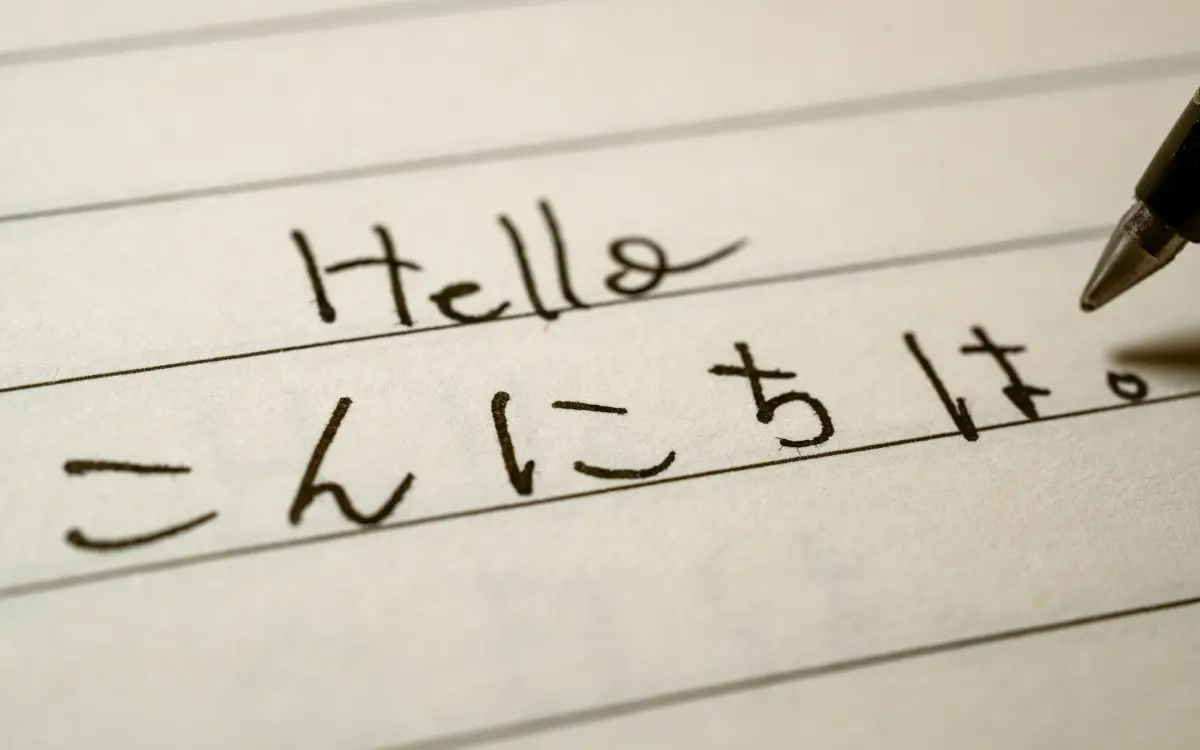
In this article, we will study various phrases in Japanese to help you in your daily life and increase your vocabulary. Below we also have a complementary video for this article:
Daily Phrases in Japanese
何なにかあるはずだ。
Something must have happened.
It must be something.
- 何か = something.
- はず = must, has to.
- ある = there is, to exist.
- だ = is (to be) / copula.
質問しつもんのある方かたはどうぞ。
Feel free to ask if you have any questions.
Anyone with questions, feel at ease.
- 質問= question, doubt.
- 方 = person, subject,
- どうぞ = please, go ahead.
まだ学校がっこうへ行いくには早はやい時間じかんです。
It is still early to go to school.
- まだ = still.
- 学校 = school.
- へ = (direction)
- 行く = to go.
- 早い時間 = early.
私わたしもこの道みちを行いきます。
I will also go this way.
- 私 = I
- も = also.
- この = this
- 道 = way
- 行く = to go / to follow.
私わたしは外国がいこくへ年間ねんかん20回かい行いきます。
I travel 20 times a year abroad.
- 外国 = abroad.
- 年間 = (period of) year / period per year.
- 回 = counter for (occurrence: times)
学校がっこうまで歩あるきましょう。
Let's walk to school.
- 学校 = school
- 歩く = to walk.
私わたしは町まちを歩あるくのが好すきです。
I like to walk in the city.
- 町 = city.
- 好き = to like, to enjoy.
一人ひとりで歩あるく必要ひつようはありません。
You don't need to walk alone.
- 一人 = alone
- で = The "de" presents form, that is (in a solitary way)
- 必要 = necessary, need, essential, indispensable.
- 必要はありません = it is not necessary.
私わたしはできるだけゆっくりと歩あるきました。
I walked as slowly as I could.
As much as I could, I walked slowly.
- できるだけ = as much as possible / as much as one can / to the extent one can.
- ゆっくり = slowly. / in a leisurely manner / without hurry.
- 歩く = to walk.
- 歩きます= to walk. (in the masu form) - polite.
- 歩きました = walked (conclusive form)
あれもこれも、色々いろいろと興味深きょうみぶかいものが目めの前まえに現あらわれる。
That and this too, among other very interesting things that will appear.
あれもこれも = that too, this too.
- 色々 = various
- 興味深い = very interesting / profoundly interesting.
- 興味 = interesting.
- 深い = deep, profound.
- 目の前に = in front of the eyes, before you.
- 現れる = to be displayed, to appear, to emerge, to become visible.
前まえに言いったように…
As I said before…
As I mentioned earlier…
- 言う = to say.
- 言った = was said, said.
前まえよりずっと元気げんきになりました。
I am much better than before.
- 前 = before.
- より = compared to ( … )
- ずっと = much (e.g., better), increasingly, even more.
- 元気になる = to get well, to be well.
- 元気になりました = I got well, I was well.
彼かれは2か月げつ前まえ、アメリカに来きました。
He arrived in the USA two months ago.
彼かれの髪かみはとても長ながい。
His hair is very long.
- 彼 = he.
- 彼の = his.
- 髪 = hair.
- とても = quite, very.
- 長い = long.
残念ざんねんですが、夏なつは日ひが長ながい。
It's a pity, but in summer the days are long.
- 残念です = it's a pity.
- 残念ですが = it's a pity but.
- 夏 = summer.
- 日 = day(s)
- 長い = long(s)
本ほんを2冊さつ買かいました。
I bought two books.
- 本 = book.
- 冊 = counter for books.
- 買う = to buy.
この本ほんはすごく面白おもしろかった。
This book was very interesting.
- この = this
- すごく = quite, very.
- 面白い = interesting.
- 面白かった = was interesting.
彼かれの英語えいごのレベルは私わたしと同おなじくらいだ。
His level of English is about the same as mine.
- 英語 = English.
- レベル = level.
- 同じ = same, equal.
- くらい = approximately, around.
上田うえだと私わたしは同おなじ年としです。
Ueda and I are the same age.
- 同じ = same, equal.
- 年 = age.
確たしか、彼女かのじょは私わたしと同おなじ時間じかんから出勤しゅっきんしている。
In fact, she is working the same hours as I am.
- 時間 = hour(s).
- 出勤する = to go to work, to be present at work.

Questioning Phrases
The Japanese phrases below present some type of questioning or inquiry:
あれは本当ほんとう?
- Is that true?
- Is that really it?
あれ水みずなのか?
Is that water?
あれ?ここはあなたの部屋へやですか?
What? Is this your room?
あれ?ここ病院びょういん?
What? Is this the hospital?
あれがドアか?
Is that the door?






Community
Comments
0 comments
There are no published comments in this language yet.
Send comment